
Kranjska Gora is a mountain town in Slovenia that balances alpine scenery with an easy, walkable base for outdoor days and cozy evenings. It is known for a relaxed resort feel, quick access to mountain passes, and a calendar that shifts naturally between snow season and green-season hiking. This guide helps you decide where to focus your time, how to get around, and what to prioritize for a smooth trip.
Kranjska Gora feels polished but not pretentious, with a calm village rhythm and big mountain views close to the center. Come for active days, like hiking and cycling in warmer months, and snow sports when winter settles in. It is especially appealing when you want a compact base with straightforward logistics and memorable scenery on short drives.
Kranjska Gora sits in Slovenia’s northwest, in the region of Upper Carniola, close to the borders with Austria and Italy. That borderland position shapes the local feel, with an alpine landscape and a sense of being at a crossroads between cultures and mountain valleys. For international arrivals, the most common gateway is Ljubljana Jože Pučnik Airport, with onward travel by car, shuttle, or bus connections depending on your route and schedule.
Winter is geared toward snow sports and a classic alpine atmosphere, with shorter days and a stronger focus on resort-style activities. Spring and early summer bring greener trails and a quieter pace between peak periods, which can feel more local and relaxed. Summer is ideal for hiking, cycling, and scenic drives, while early autumn often suits travelers who want cooler air and fewer crowds on popular viewpoints.
Slovenia uses the euro, so budgeting is straightforward for eurozone travelers. In Kranjska Gora, you can plan for a range of styles, from simple cafés and casual meals to more comfort-focused stays near the center. Cards are widely used in Slovenia, but it is still smart to carry some cash for small purchases, rural stops on day trips, or situations where card terminals are unavailable.
Note: Experiences below focus on well-known places and practical planning. Confirm seasonal access and operating details locally, since hours and conditions can change.
1) Vršič Pass Scenic Drive
This mountain pass is one of the most iconic routes in the Julian Alps, and it delivers high-impact scenery without demanding a full-day hike. The road itself is part of the experience, with viewpoints and pull-offs that make it easy to pace the day. Practical tip: start earlier in the day for calmer traffic and clearer visibility, especially in peak summer.
2) Lake Jasna
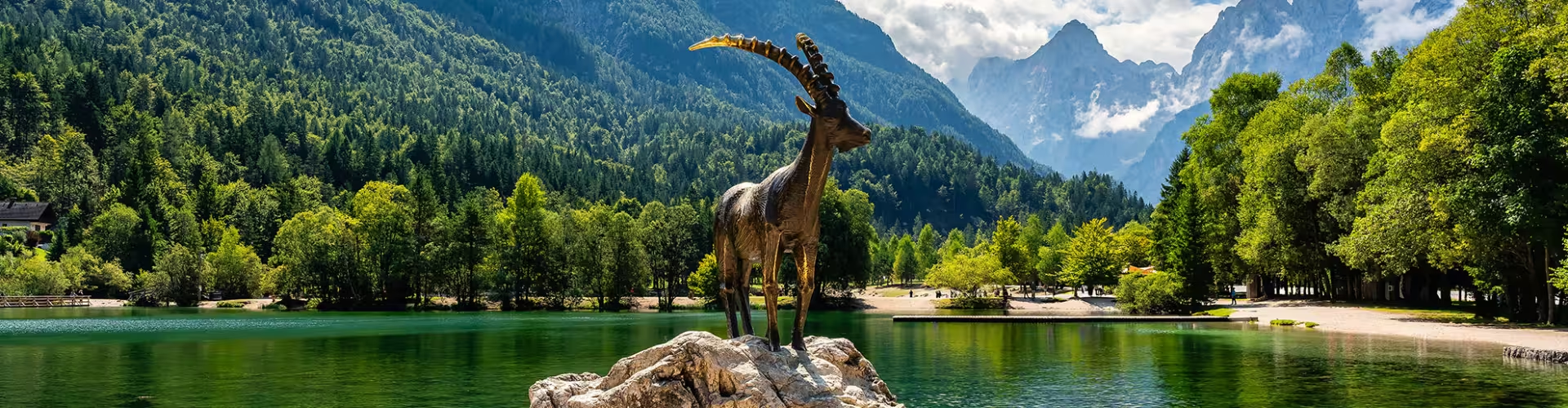
Lake Jasna is a quick nature escape near town, known for its photogenic water and mountain backdrop. It works for a gentle stroll, a short reset between activities, or a scenic break if you are traveling with family. Practical tip: go in the morning or late afternoon for softer light and a quieter atmosphere.
3) Hiking and Trail Days in the Julian Alps
The area around Kranjska Gora is a natural launch point for trails that range from easy valley walks to more demanding alpine routes. The appeal is the variety, you can tailor your day to weather, fitness, and time. Practical tip: check trail conditions and pack layers, since mountain weather can shift quickly.
4) Cycling and Scenic Rides
With valleys and mountain roads nearby, cycling is a rewarding way to experience the landscape at a slower pace than driving. Even if you are not a serious cyclist, shorter rides can still deliver big views and satisfying stops. Practical tip: plan your route with elevation in mind and bring water, since climbs can be more intense than they look on a map.
5) Ski Season and Winter Sports
In winter, Kranjska Gora becomes a hub for snow-based activities and a classic resort rhythm. The town’s compact layout makes it convenient to pair time outdoors with warm meals and relaxed evenings. Practical tip: if you are traveling during school holiday periods, book lodging and rentals earlier to avoid limited availability.
6) Town Stroll and Slow Evenings
One of the underrated pleasures here is how easy it is to unwind, with a small-town center that supports wandering without a strict plan. This is where you can absorb the local pace and reset between bigger day trips. Practical tip: keep one evening unscheduled and choose a restaurant based on what looks lively, rather than chasing a checklist.
7) Photography Stops and Viewpoints
The region is built for scenic moments, with mountain silhouettes, changing light, and dramatic weather patterns that can turn a simple stop into a highlight. You do not need specialist gear, just patience and a willingness to pause when the view opens up. Practical tip: pack a light rain layer for your camera and yourself, since misty conditions can arrive fast.
8) Borderland Day: Austria and Italy Nearby
The location near two borders makes it easy to add variety, like a different cuisine, a new language, or a quick cultural contrast. Even a short cross-border drive can make the trip feel bigger without adding complicated logistics. Practical tip: carry ID and check any current travel guidance if you plan to cross borders during your stay.
Start with a calm morning walk around town, then head to Lake Jasna for photos and a gentle lakeside loop. Midday is ideal for a scenic drive up Vršič Pass, building in short stops so the road feels like part of the attraction, not just transport. Return to Kranjska Gora for an unhurried evening, keeping dinner flexible so you can choose based on mood and seasonal menus.
Day one focuses on town orientation and an easy nature highlight, pairing Lake Jasna with a relaxed center stroll and an early night if you have travel fatigue. Day two is your big scenery day, with Vršič Pass plus a short hike or viewpoint stops that match the weather. Day three can be a choice day, either a longer hike, a cycling route, or a cross-border loop into Austria or Italy for a contrast in landscapes and flavors.
Food in this part of Slovenia leans hearty and comforting, a good match for mountain days and cool evenings. Exact menus vary by season and restaurant, but these are common regional directions you can look for.
Kranjska Gora works well on foot for the center and nearby strolls, which is useful if you want a low-stress trip without constant driving. For bigger scenery days, like Vršič Pass, a car gives the most flexibility for stops, viewpoints, and timing around weather. If you are using buses or shuttles, plan with extra buffer time, since mountain-region schedules can be less frequent than in major cities.
For safety, treat mountain roads with respect, especially in winter conditions or when visibility changes. If you have mobility considerations, prioritize lakeside and town-center walks, and choose viewpoints that allow close parking so you can enjoy the scenery with minimal strain.
It depends on your priorities. Winter suits snow sports and cozy alpine evenings, while summer is ideal for hiking, cycling, and scenic drives. Shoulder seasons can be a smart choice if you want fewer crowds.
Most travelers route through Ljubljana and continue by car or public transport connections. A car offers the most flexibility for viewpoints and day trips, especially if you plan to drive mountain roads.
You can enjoy the town center and nearby walks on foot. A car becomes more useful for reaching scenic routes like Vršič Pass and for cross-border day trips. If you do not drive, plan your days around the most accessible highlights.
Bring layers for changing mountain conditions and comfortable walking shoes. In cooler months, add warm outerwear and plan for variable visibility. A light rain layer is useful in any season.
One day covers the main highlights at a fast pace, especially if you focus on Lake Jasna and a scenic drive. Two to three days lets you add a longer hike, a cycling day, or a borderland excursion without rushing.