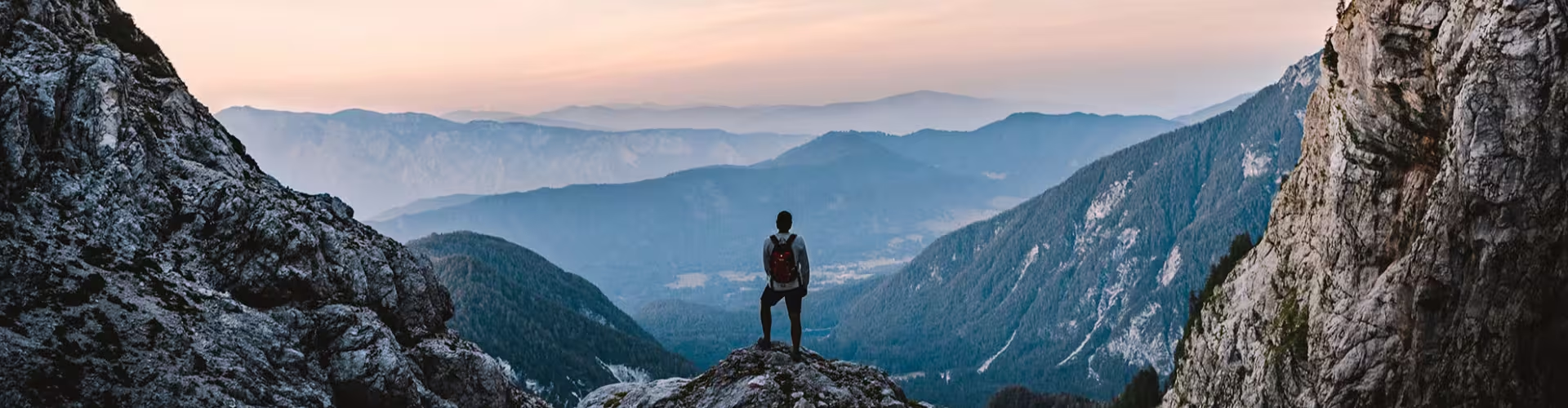

Julian Alps scenery is the kind that slows you down on purpose, sharp limestone peaks, glacial valleys, and emerald rivers that make even short walks feel cinematic. This guide focuses on practical decisions, where to base yourself, how to plan around seasons, and which experiences deliver the strongest sense of place. Expect a trip that balances outdoor adventure with alpine food culture and small-town rhythms across Upper Carniola and beyond.
The Julian Alps deliver a crisp, high-mountain vibe shaped by lakes, forests, and dramatic ridgelines, with a strong focus on hiking, water views, and clean air. Go now if you want flexible, choose-your-own pace travel, from easy lakeside strolls to full-day mountain routes, with plenty of scenic stops in between. The signature feeling is alpine clarity, bright mornings, cool evenings, and landscapes that reward early starts and unhurried meals.
The Julian Alps span northwestern Slovenia and connect naturally with Upper Carniola’s alpine towns, valleys, and lake districts. For most travelers, the easiest access comes via Slovenia’s main air gateway in Ljubljana, then onward by road or bus toward the mountain region. Overland connections from nearby cross-border hubs in Italy and Austria can also make sense if you are combining countries, especially for road trips that link lakes, passes, and trailheads.
Summer brings the widest range of hiking access and longer daylight, but it also concentrates the biggest crowds around famous lakes and the most photographed viewpoints. Shoulder seasons can feel calmer, with cooler temperatures that suit long walks, although mountain conditions can change quickly and some higher routes may be less predictable. Winter shifts the focus toward snow landscapes and cozy alpine towns, with shorter days and a stronger need to plan around road conditions and daylight.
Slovenia uses the euro, and you can typically rely on cards for most everyday spending in larger towns and popular tourist areas. Carry some cash for small purchases, rural stops, and situations where connectivity is limited. For budgeting, plan for a mid-range European destination profile, then adjust based on your style, self-catering, public transport, and how many guided activities you add.
Lake-based scenic loop
The lakes of the Julian Alps are not only photogenic, they are also practical anchors for planning, because they cluster viewpoints, walking paths, and easy food stops. A lake loop day gives you a strong sense of the region without committing to a strenuous hike. Practical tip: start early for calm water reflections and easier parking, then save café time for late morning.
Emerald river viewpoints and short walks
Many travelers fall for the region’s river corridors, where clear water and forest shade create a refreshing contrast to exposed mountain slopes. These stops work well as breaks between longer drives, and they are often accessible with short, low-effort walks. Practical tip: pack a light layer, river valleys can feel cooler even in warm months.
Classic alpine hike to a panoramic ridge
A ridge hike is where the Julian Alps show their signature drama, vertical rock, wide horizons, and a feeling of scale that photos rarely capture. It matters because it turns the destination from scenic to immersive, especially if you time it for clear morning air. Practical tip: choose a route that matches your fitness, then turn around before fatigue, the descent is often the hardest part.
Mountain hut culture experience
Hut stops are a defining part of Slovenian alpine tradition, offering warmth, simple meals, and a social atmosphere that feels distinctly local. Even a short hike to a hut can deliver that high-mountain reward without needing a summit goal. Practical tip: bring small cash and arrive earlier in the day to avoid peak lunch rush.
Scenic drive through alpine valleys
Valley drives connect the region’s highlights and reveal how quickly landscapes change, from wooded foothills to sharp rock walls. This matters for travelers who want variety without stacking long hikes every day. Practical tip: plan frequent pull-offs for photos and short walks, and avoid overpacking the schedule, roads can be slower than expected.
Local town stroll for everyday Slovenia
A town break adds texture to an outdoor-heavy itinerary, with bakeries, small shops, and a more lived-in pace than trailhead culture. It matters because it balances the trip and gives you a chance to reset between big nature days. Practical tip: aim for late afternoon, when the light softens and you can roll straight into dinner.
Photography hour at a signature viewpoint
The Julian Alps reward intentional timing, because light and weather shape the entire mood of the mountains. A dedicated viewpoint session turns “quick photos” into a memorable ritual, especially if clouds move through and reveal peaks in stages. Practical tip: bring a microfiber cloth, mist and spray can soften images fast.
Easy nature day for mixed groups
Not every day needs to be intense, and the region offers gentle walks that still feel deeply alpine. This matters for families, mixed fitness groups, or anyone recovering between bigger hikes. Practical tip: build in a long lunch and a flexible afternoon so the day feels restorative, not like a compromise.
Start early with a lake loop for the clearest views and the calmest atmosphere, then add a short river walk as a midday reset. In the afternoon, choose one moderate hike or a viewpoint drive, depending on weather and energy, then finish with a town stroll and a relaxed dinner. If conditions are unstable, swap the hike for hut culture and scenic valley stops, you will still get a strong Julian Alps experience without pushing safety margins.
Day one focuses on lakes and easy walks, plus a golden-hour viewpoint session to lock in the destination’s signature visuals. Day two is your “big mountains” day, pick a hike that fits your group, and pair it with a hut stop to connect with local alpine tradition. Day three stays flexible for weather, go for river corridors, scenic drives, and a slower town-centered day that prioritizes food, café time, and small discoveries.
Hearty mountain stews
Expect warming, slow-cooked comfort that suits active days and cooler evenings. Ordering tip: ask what is most typical for the day, then pair it with bread to make it a full meal.
Dumpling-style comfort dishes
Alpine kitchens often lean into soft textures and rich sauces, ideal after hiking. Ordering tip: if you are very hungry, ask for a larger portion or a side, these dishes can be deceptively filling.
Freshwater fish options
In lake and river areas, fish can be a natural local choice, typically simple and clean in flavor. Ordering tip: ask how it is prepared, grilled and pan-fried styles can feel very different.
Cheese and dairy specialties
Mountain regions are known for dairy traditions, with flavors that range from mild to more robust. Ordering tip: try a small tasting format if available, then buy a piece for a picnic.
Apple and berry desserts
Fruit-forward sweets fit the alpine mood, especially when served warm. Ordering tip: pair dessert with coffee and treat it as a rest stop between activities.
Local beer and spirits
A post-hike drink can feel like part of the ritual, especially in a cozy setting. Ordering tip: keep it simple and ask for a local recommendation, then drink water alongside it.
Getting around the Julian Alps is easiest with a car if you want maximum flexibility for trailheads, viewpoints, and valley drives. Buses can work well for connecting major towns and popular areas, but they require more schedule planning and may limit sunrise or sunset ambitions. Walking is ideal inside towns and around lakes, while ride services are less reliable outside larger hubs, so do not plan on them as your primary strategy. For safety, treat mountain weather as changeable, carry layers, and keep your plan flexible if visibility drops or rain moves in.
Lake Bled
Travel time depends on your base, but it is commonly approached as an easy half-day or full-day outing. The main reason to go is the iconic lake scenery and classic viewpoints, which deliver high visual payoff with minimal effort.
Lake Bohinj
Often paired with other Julian Alps highlights, Bohinj suits travelers who want a calmer, more nature-forward lake atmosphere. The reward is space, mountain backdrops, and a strong “outdoors first” feel.
Kranjska Gora
As an alpine resort town area, it works well for scenery, easy access to valley landscapes, and a convenient base for short excursions. Visit for an efficient mix of comfort and mountain proximity.
Soča Valley
A standout for river color and dramatic valley scenery, it is a strong day trip if you want a different visual palette from lakes and forests. The main reason is the emerald water and the feeling of a wilder corridor.
What is the best way to get to the Julian Alps?
Most travelers route through Ljubljana, then continue by road or bus toward Upper Carniola and the mountain region. A car makes it easier to reach trailheads and viewpoints with fewer time constraints.
How many days do I need for a first trip?
One day can cover a lake loop and a short river walk, but it will feel fast. Two to three days gives you time for one bigger hike, one flexible weather day, and slower meals.
When is the least crowded time to visit?
Shoulder seasons generally feel calmer than peak summer around the most famous lakes. Conditions can be more variable, so keep plans flexible and prioritize lower-elevation options if weather shifts.
Do I need cash while traveling in the Julian Alps?
Cards are widely useful in larger towns and popular areas, but cash is smart for small purchases and some rural stops. Carry a small amount so you are not caught out when connectivity is limited.
Is it safe to hike if the weather changes quickly?
Mountain environments can shift fast, so conservative planning matters. Choose routes that match your experience, carry layers, and be ready to turn around if visibility drops.