
Nomenj is a small settlement in the Bohinj area of Slovenia that appeals to travelers who want a quieter base near iconic Alpine landscapes. It suits visitors who prefer simple, scenic days, unhurried walks, and easy access to the wider Bohinj region rather than a packed city-style checklist. Use this guide to plan your time with practical logistics, what to do, what to eat, and how to link Nomenj to nearby highlights.
Nomenj feels calm and local, making it a smart choice if you want nature-forward days and restful evenings in the Bohinj area. The signature vibe is rural Slovenia with a strong connection to the mountains, forests, and lakes that define Upper Carniola. Go now if you want a slower pace and a base that keeps you close to Bohinj’s headline sights while avoiding the most crowded hubs.
Nomenj sits within the Bohinj area in Upper Carniola, a region known for Alpine valleys, traditional villages, and quick access to outdoor scenery. For international arrivals, the most practical gateways are Slovenia’s main airports and nearby regional hubs, then onward travel into the Bohinj area by road and local connections. Once you are in Bohinj, Nomenj works best as a quiet base for exploring the surrounding villages and natural landmarks.
In the Bohinj area, seasons strongly shape the experience, both in weather and crowd levels. Warmer months generally favor lake time, hiking, and longer daylight for photography, while cooler months shift the focus to cozy stays, misty landscapes, and fewer visitors on popular routes. Shoulder seasons can feel especially rewarding if you want a balance of comfortable exploring and a calmer atmosphere.
Slovenia uses the euro, which makes budgeting straightforward for travelers coming from other eurozone countries. In rural areas around Bohinj, it is sensible to carry some cash for small purchases, while cards are commonly used for larger payments. Plan a flexible daily budget that covers transport, meals, and any activity costs, and keep a buffer for weather-driven changes, such as switching from a hike to an indoor plan.
These experiences are curated to help you build a satisfying trip around Nomenj without overplanning. They also support common trip intents such as things to do in Nomenj, Nomenj Slovenia, and Bohinj village travel.
1) Slow village walks and photo stops
Why it matters: The best way to understand Nomenj is at walking speed, noticing farm rhythms, seasonal colors, and the way the landscape frames daily life. This is where the destination’s calm personality becomes tangible. Practical tip: Walk early or late for softer light and fewer interruptions, and keep your route flexible so you can linger when the scenery opens up.
2) Use Nomenj as a base for the Bohinj area
Why it matters: Staying in a smaller settlement can make your trip feel more grounded and less rushed, especially if you plan to explore multiple points around Bohinj. A base like Nomenj supports day-by-day decisions based on weather and energy levels. Practical tip: Group nearby stops on the same day to reduce backtracking, and keep one “spare” slot for whatever looks best once you arrive.
3) Scenic drives and viewpoints in Upper Carniola
Why it matters: Upper Carniola is built for scenic movement, with valleys and mountain backdrops that change quickly over short distances. Even a short drive can feel like a highlight when the weather is clear. Practical tip: If you are driving, factor in extra time for safe pull-offs and photo breaks, and avoid rushing narrow roads in poor visibility.
4) Lakes and rivers nearby for relaxed nature time
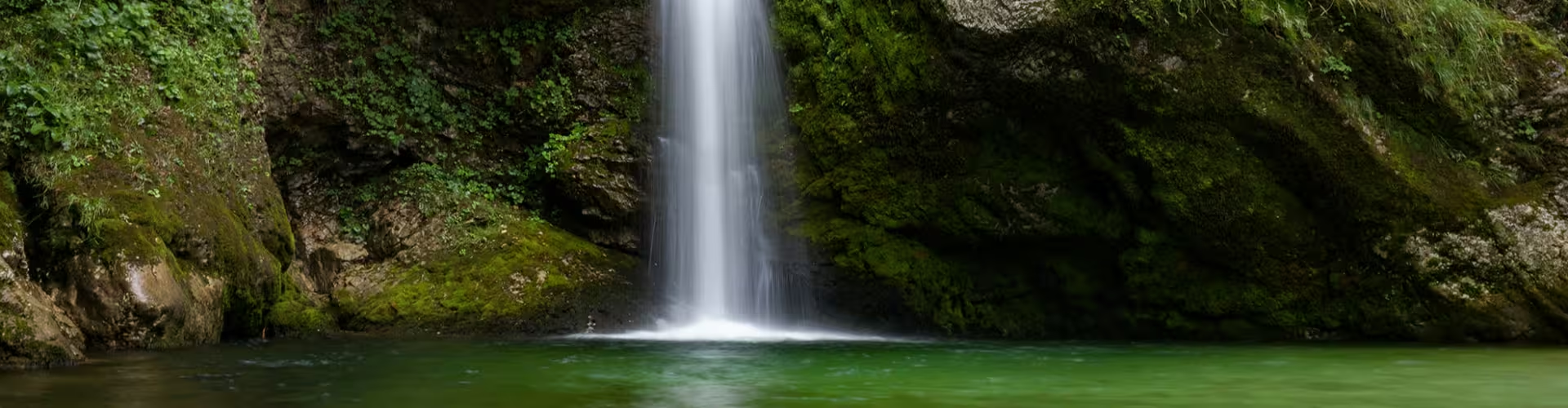
Why it matters: The Bohinj region is closely tied to water landscapes, which shape the area’s outdoor culture and visual identity. Even if you are not doing a major hike, time near water delivers a classic Slovenia feeling. Practical tip: Pack layers and a light rain option, since conditions near water can shift quickly.
5) Short hikes and forest paths
Why it matters: Forest routes around Bohinj offer a quieter alternative to the most famous viewpoints, and they can be a good fit for mixed-ability groups. The atmosphere is often peaceful, with natural shade and a sense of immersion. Practical tip: Choose a route that matches daylight and weather, and bring footwear that handles damp ground.
6) Local culture moments in nearby villages
Why it matters: Rural Slovenia is best understood through small, everyday details, such as architecture, gardens, and local routines. Pairing nature time with village stops creates a fuller picture than focusing on one headline attraction. Practical tip: Keep your schedule loose so you can pause for a café stop or a small local shop without feeling behind.
7) Sunrise and sunset photography sessions
Why it matters: The Alps and valleys around Bohinj can look dramatically different at golden hour, with shifting shadows and warmer tones. This is a low-cost, high-reward activity that suits both casual phone shooters and serious photographers. Practical tip: Scout your spot the day before so you are not searching for a safe viewpoint in low light.
8) A rest day, done on purpose
Why it matters: The calm setting of Nomenj supports a slower travel style, which can make the rest of your itinerary feel better rather than shorter. A planned rest day can also protect your trip if weather disrupts outdoor plans. Practical tip: Treat rest as an activity, plan a gentle walk, a long meal, and a flexible afternoon option.
Start with a calm morning walk in Nomenj to set the tone and get your bearings. Spend midday exploring the wider Bohinj area, prioritizing one major nature stop and one village-style stop so the day feels balanced. Finish with a sunset viewpoint or a quiet dinner, keeping the evening unhurried to match the destination’s pace.
Day 1 focuses on orientation, a village walk, and a nearby nature highlight, then an early evening to reset. Day 2 is for a longer outdoor block, such as a hike or extended lake time, followed by a second village stop to add cultural texture. If you have Day 3, use it as a weather-flex day, revisit your favorite area for better light, or take a short day trip to broaden your sense of Upper Carniola.
Food in the Bohinj area often leans comforting and seasonal, which pairs well with outdoor days. Look for simple dishes that feel rooted in Slovenian home-style cooking, and use ordering cues to keep choices easy.
Getting around from Nomenj is typically easiest with a mix of walking for local moments and road transport for wider Bohinj exploration. For short distances, walking lets you absorb the scenery and keep plans flexible, especially in good weather. For connecting to multiple stops in a day, consider local connections and regional transport options, and always build in extra time for slower rural travel. Safety note: If you are walking near roads, stay visible in low light, and carry a light layer for quick weather changes.
Use Nomenj as a calm base, then branch out to nearby destinations in Upper Carniola and the broader Slovenia travel circuit. Actual travel times depend on your route and transport choice, so treat these as flexible half-day or full-day ideas.
Is Nomenj a good base for exploring the Bohinj area?
Yes, Nomenj works well if you want a quieter place to sleep while exploring the wider Bohinj region during the day. It is especially useful for travelers who prefer flexible plans built around weather and energy.
How many days should I plan for the area?
One day can cover a highlights-style loop, but 2 to 3 days gives you room for a longer outdoor block and a weather backup plan. A slower pace often feels more rewarding in rural Upper Carniola.
What is the best season to visit?
Warmer months generally favor hiking and longer daylight, while cooler months can be quieter and moodier. Shoulder seasons can offer a balance of fewer crowds and comfortable exploring, depending on conditions.
Do I need cash, or can I pay by card?
The euro is used, and cards are commonly accepted for many standard payments. Still, carrying some cash is practical in smaller rural settings and for small purchases.
Is it easy to get around without a car?
You can walk for local exploring and use regional connections for wider movement, but a car can make multi-stop days simpler. If you are car-free, plan fewer stops per day and allow extra time for connections.