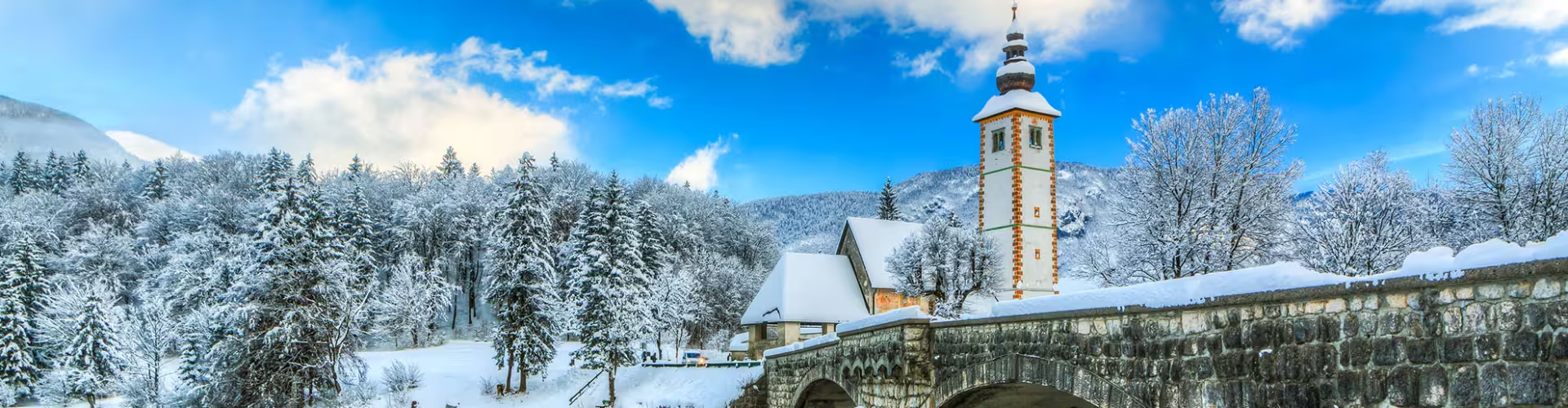

Bohinj is the quieter, wilder side of the Julian Alps, built around a lake-and-valley landscape that rewards travelers who like their scenery with space and stillness. It is a place for long walks, crisp swims, mountain viewpoints, and slow meals that feel earned after a day outdoors. If your Slovenia plan includes iconic alpine nature without the busiest resort energy, Bohinj is a strong choice.
Bohinj feels grounded and outdoorsy, with a calm rhythm shaped by the lake, forests, and the surrounding peaks. The signature vibe is active but unhurried, with mornings that start on trails and evenings that end by the water. Go now if you want a destination that balances classic alpine highlights with room to breathe, especially if you plan early and travel midweek.
Bohinj sits in Slovenia’s Upper Carniola region, close to the Julian Alps and within reach of other headline destinations like Lake Bled and Triglav National Park. For international arrivals, the most common gateways are Ljubljana and nearby regional hubs across the borders, then onward by road or public transport connections. Think of Bohinj as a base for alpine Slovenia, with the lake area as the natural focal point and the valleys and plateaus radiating outward.
Summer is the classic season for lake time, hiking, and longer daylight, but it also brings the highest demand for accommodation and parking. Shoulder seasons, late spring and early autumn, can feel more spacious, with comfortable temperatures for walking and photography, plus a more local pace in restaurants and on paths. Winter shifts the emphasis toward quiet landscapes and shorter days, so planning becomes more about daylight windows and flexible itineraries.
Slovenia uses the euro, which makes budgeting straightforward if you are traveling from other eurozone countries. In outdoor destinations like Bohinj, you will want a mix of card and cash, especially for smaller purchases, rural stops, and simple snacks when you are away from the main areas. Build your budget around accommodation, meals, and transport first, then treat activities as flexible add-ons based on weather and energy levels.
Lake Bohinj lakeside walk. This is the core experience and the easiest way to understand the destination’s scale and mood. The views shift as light changes, and you can pace it as a short stroll or a longer loop depending on your plan. Practical tip, go early for calmer water and cleaner reflections for photos.
Swimming and lakeside downtime. On warm days, the lake becomes the natural gathering point, with a relaxed, outdoors-first atmosphere. It is a simple pleasure that balances out more ambitious hikes. Practical tip, bring water shoes and a light layer, alpine evenings can cool quickly.
Hiking in the Julian Alps. Bohinj is a strong base for hikes that range from gentle valley routes to more demanding climbs. The appeal is the variety, forest shade, open viewpoints, and the sense of being close to big mountain terrain. Practical tip, start earlier than you think, weather and visibility can change fast in alpine areas.
Triglav National Park scenery drives and viewpoints. The wider area around Bohinj connects naturally to Triglav National Park landscapes, which are a major reason many travelers come to Upper Carniola. Even without long hikes, you can build a day around scenic stops and short walks. Practical tip, plan a loose route and keep time for unplanned pauses, the best views often appear between “must-see” points.
Local villages and valley atmosphere. Beyond the water, the villages and farm landscapes give Bohinj its lived-in character. This is where you slow down, notice architecture details, and pick up a feel for daily life. Practical tip, aim for a late afternoon wander, then settle into dinner nearby to avoid driving after dark on smaller roads.
Photography at golden hour. The lake, mountain silhouettes, and shifting cloud cover create strong photo conditions, especially in the softer light at the start and end of day. You do not need a complex plan, just patience and a willingness to return to the same spot twice. Practical tip, carry a microfiber cloth, lakeside humidity and spray can fog lenses.
Picnic with local ingredients. A picnic fits the destination’s outdoors culture and helps you save time on peak days when restaurants are busy. It also lets you choose your own viewpoint and timing. Practical tip, pack out everything you bring, and keep food sealed, nature areas are not the place to leave scraps.
Easy nature walks for recovery days. Not every day needs a summit goal, and Bohinj is ideal for lower-effort routes that still feel immersive. These walks help you reset between bigger adventures. Practical tip, use these days for laundry, planning, and early nights so you can enjoy the next hike.
Start with a lakeside walk while the air is cool and the water is still, then choose a short hike or viewpoint route that gives you an elevated perspective on the valley. Break for a simple lunch or picnic, then spend the afternoon with a swim or relaxed shoreline time. Finish with a golden-hour photo session and a sit-down dinner, keeping your evening schedule light so you can rest for an early start the next day.
Day one focuses on the lake and the easiest scenic payoffs, plus a gentle walk to get oriented. Day two is your bigger outdoors day, a longer hike in the Julian Alps or a full nature day that prioritizes Triglav National Park landscapes and slower scenic stops. Day three stays flexible, use it for villages, recovery walks, and a second pass at your favorite viewpoint, because revisiting the same place in different light is one of the best ways to experience Bohinj.
Cheese and dairy specialties. Alpine regions are known for rich, satisfying dairy, and it pairs naturally with hiking days. Expect flavors that lean creamy and savory. Ordering tip, ask for a local cheese plate if you want to taste a few styles without committing to a full meal.
Hearty stews and seasonal soups. Mountain food often emphasizes warmth and comfort, especially outside peak summer. These dishes are practical and filling after time outdoors. Ordering tip, look for daily or seasonal soups, they are often the most local option.
Roasted meats with simple sides. Traditional plates tend to be straightforward and generous rather than fussy. The appeal is in the quality and the post-hike satisfaction. Ordering tip, if you are hiking the next morning, choose a balanced plate and add vegetables so you feel good early.
Fresh trout and river fish. In alpine areas, fish dishes can be a highlight when available, with clean flavors and a lighter feel than meat-heavy meals. This is a good choice on warmer days. Ordering tip, ask how it is prepared, grilled options often match the lakeside mood.
Strudel-style pastries. Expect sweet, comforting pastries that work as a snack between walks or a simple dessert after dinner. Flavors often lean toward fruit and warm spice notes. Ordering tip, pair it with coffee and take it to-go for a lakeside break.
Honey and herbal teas. After a long day, warm drinks fit the alpine climate and help you slow down. Herbal notes can be especially soothing in cooler months. Ordering tip, ask what is local or seasonal, and go for unsweetened first, then adjust to taste.
Bohinj works well with a mix of walking and short rides, since many of the most memorable moments happen at a slow pace along the water and on trails. For reaching trailheads, villages, and nearby highlights, public transport and road travel can both play a role depending on where you stay and how tightly you want to schedule your days. If you drive, plan around peak congestion and limited parking during busy periods, and keep a backup plan for weather shifts. For safety, treat mountain conditions seriously, wear proper footwear, carry water, and avoid pushing into exposed terrain if visibility drops.
Lake Bled. A classic nearby pairing with Bohinj, offering a different vibe with more iconic viewpoints and a busier lakeside scene. Travel time is typically short by road, making it easy to combine in one trip. Primary reason to visit, contrast and variety, it is a good counterpoint to Bohinj’s quieter feel.
Ljubljana. Slovenia’s capital adds culture, cafes, and a more urban rhythm after nature-heavy days. It is a practical day trip if you want museums, architecture, and a change of pace. Primary reason to visit, food and city atmosphere in a compact, walkable center.
Triglav National Park highlights. Even if you are already using Bohinj as your base, a dedicated day focused on the park’s most scenic corners can deepen the experience. Travel time varies based on the exact route and stops. Primary reason to visit, peak alpine scenery and signature Slovenia landscapes.
Upper Carniola villages. Smaller towns and rural areas can be the most memorable for travelers who like quiet lanes, local food, and simple viewpoints. These trips are usually short by car or bus, but they reward a slower pace. Primary reason to visit, local character and a calmer version of alpine life.
Yes, it is well suited for travelers who want quick access to trails, lake scenery, and wider alpine viewpoints. Build your plan with a mix of big hike days and lighter recovery walks to match the terrain.
One day covers the lake and a short hike, but 2 to 3 days lets you add a longer mountain day and a flexible weather buffer. This pace also makes it easier to enjoy villages and slow meals without rushing.
Late spring and early autumn often feel calmer while still offering comfortable conditions for walking and photography. Summer can be excellent for swimming, but it is typically the busiest period.
Not always, walking covers a lot if you stay near the lake, and you can combine it with public transport or short rides for farther points. A car adds flexibility for early starts and day trips, especially if your accommodation is more rural.
Pack layers, a light rain shell, and shoes with good grip for trails and wet paths. Add swim gear in warm months and a reusable water bottle for long days outdoors.