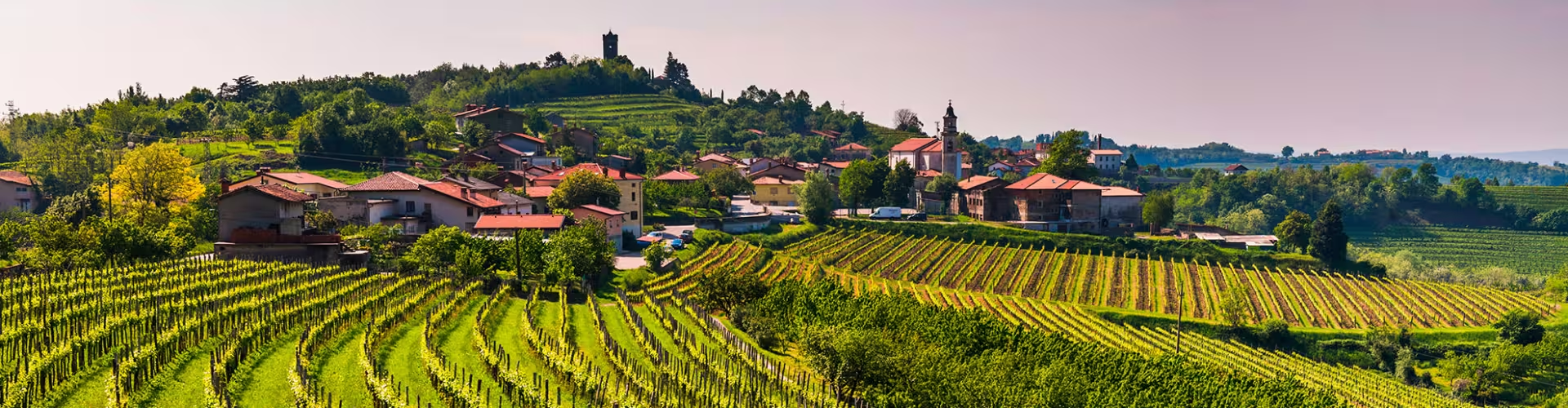

Hills is a borderland landscape where vineyard slopes, small settlements, and panoramic ridgelines shape a slower, outdoorsy rhythm. As part of the wider Gorizia and Slovenia area, it is well suited to travelers who want scenic drives, gentle walks, and food and wine culture without the pressure of a big city checklist. Plan for viewpoints, rural lanes, and local tables, then let the terrain set the pace.
Hills feels intimate and pastoral, with a signature vibe of rolling countryside, layered views, and a strong connection to seasonal produce. It is a smart choice when you want a flexible itinerary, because short distances can still deliver big scenery. Go now if you are craving open space, calm roads, and a trip that balances nature, culture, and local flavors.
Hills sits within the Gorizia and Slovenia cross border context, a region shaped by nearby towns, rural hamlets, and the gentle rise and fall of the landscape. For gateways, most travelers route through larger transport hubs in the broader area, then continue by road into the countryside where viewpoints and villages are spread out. Once you are on local roads, navigation becomes more about choosing scenic routes and stopping often, rather than covering long distances quickly.
Seasonality in Hills is best understood through the landscape. Warmer months favor longer days for walking routes, viewpoints, and outdoor dining, while cooler periods suit travelers who prefer crisp air, quieter lanes, and a more reflective pace. Shoulder seasons can be especially appealing, because the countryside atmosphere feels relaxed and you can build your day around light, weather, and visibility.
Budgeting for Hills is typically driven by transport, dining style, and how many tastings or guided experiences you add. Keep a mix of card and cash, because small rural stops can be less consistent for payments than larger towns. A practical approach is to plan a daily baseline for meals and fuel, then add a buffer for spontaneous detours, local products, and scenic stops that become the highlight of the day.
Note: Experiences in Hills are often about the combination of scenery, local culture, and the rhythm of rural travel. Use these ideas as a menu, then assemble a day that matches your pace and interests.
Panoramic viewpoint stops. The terrain rewards frequent pauses, because each bend can reveal a different angle of vineyards, valleys, and ridgelines. These stops matter because they help you understand the geography, not just pass through it. Practical tip, keep your camera accessible and plan for late afternoon light when the contours are more defined.
Scenic drives on rural lanes. Driving is part of the experience in Hills, especially if you enjoy slow travel and spontaneous photo breaks. It matters because the landscape is the attraction, and the road connects small places that feel personal and unpolished. Practical tip, download offline maps and allow extra time for narrow roads and safe pull offs.
Gentle countryside walks. Short walks are ideal for connecting with the setting, noticing local plants, and taking in the quiet between villages. This matters because walking reveals details you miss from a car, including textures of farmland and the way settlements sit on slopes. Practical tip, wear shoes with grip, and carry water even on short loops.
Local wine and produce culture. Many travelers come for the agricultural identity, which often includes vineyards and seasonal products that reflect the land. It matters because it is one of the most direct ways to taste the region and understand local pride. Practical tip, if you plan tastings, arrange transport so you can enjoy them responsibly and without rushing.
Village to village exploration. The charm of Hills often lives in small settlements where daily life sets the tone. This matters because it shifts the trip from sightseeing to observing, listening, and taking part in local routines. Practical tip, keep your schedule loose, a short coffee stop can turn into the best memory of the day.
Photography focused route planning. The rolling topography makes a strong case for building your day around light and visibility. This matters because the same road can look completely different in morning haze versus clear afternoon conditions. Practical tip, check the forecast for visibility, then prioritize viewpoints when skies are clearest.
Seasonal food experiences. Rural regions often shine through what is in season, and Hills is no exception in spirit, even when menus vary by place. It matters because seasonal cooking tends to be the most authentic, and it pairs naturally with local wines. Practical tip, ask what is seasonal or house made, then choose one signature dish rather than over ordering.
Slow evenings with a view. A calm sunset moment can be the perfect counterweight to busier travel days elsewhere. This matters because it lets the destination do what it does best, deliver atmosphere without effort. Practical tip, bring a light layer for temperature changes and arrive early enough to find a comfortable spot.
Start your day with a scenic drive that prioritizes ridgelines and open viewpoints, then pause for a short countryside walk to get a feel for the terrain. Midday, aim for a local meal that leans into seasonal ingredients, then add a tasting style stop if it fits your interests and transport plan. Finish with a late afternoon viewpoint, then keep the evening simple with a relaxed dinner and a final look at the landscape as light fades.
On day one, focus on orientation, a gentle loop drive, a village stop, and one longer walk so you understand how the area connects. On day two, slow down, choose a theme such as photography, food and wine, or a series of scenic routes, and build your schedule around light and weather rather than fixed times. If you have a third day, use it for unplanned detours, a longer countryside afternoon, and a final evening that prioritizes a view and an unhurried meal.
Food in Hills is best approached through local, seasonal choices and the simple pleasure of eating well after time outdoors. Because specific dishes vary by venue and season, use these as practical ordering strategies rather than a fixed checklist.
Seasonal vegetables and countryside plates. Expect straightforward flavors that emphasize freshness and texture, often paired with local bread and olive oil style accompaniments depending on the kitchen. Ordering tip, ask what is in season or locally sourced, then choose that as your anchor dish.
Local cheese and cured meats. These tend to be rich, savory, and ideal for sharing, especially if you are tasting wine. Ordering tip, request a mixed board if available so you can sample a range without committing to a single item.
Homestyle soups and stews. In cooler weather, hearty bowls can be the most satisfying way to refuel after a walk. Ordering tip, ask which soup is house made that day, then pair it with a simple side rather than ordering too much.
Fresh bread and rustic starters. Many rural meals begin with small bites that set the tone for an unhurried table. Ordering tip, if you want value, choose one or two starters and share, then save space for a main.
Local wine. Wine culture is often central in hilly landscapes where vineyards shape the view as much as the menu. Ordering tip, try a house pour first, then ask for a recommendation that matches your meal rather than chasing labels.
Seasonal desserts. Fruit forward sweets or simple cakes often suit the setting, especially after a long day outside. Ordering tip, ask what is made in house, then split a dessert if you are sampling multiple courses.
Getting around Hills is typically easiest with a car, because viewpoints, villages, and rural lanes are spread out and not always designed for fast point to point transit. Walking works best within small settlements and for short countryside routes, while longer connections are more practical by road. For safety, drive cautiously on narrow or winding sections, use designated pull offs for photos, and plan daylight driving if you are not comfortable with rural night conditions.
Gorizia area towns. A nearby town stop adds museums, cafés, and a more urban contrast to rural days. Travel time varies by where you base yourself, and it is best for a half day reset with culture and shopping.
Slovenia countryside extensions. Expanding deeper into Slovenia can add more walks, small villages, and regional food experiences. It is best when you want to keep the trip nature led, but still varied.
Borderland cultural routes. The cross border context can make for an interesting day focused on history, identity, and how landscapes connect communities. It is ideal for travelers who like stories as much as scenery.
Panoramic ridge drives. A day dedicated to viewpoints and photography can feel surprisingly complete, even without major attractions. It is best when weather is clear and you want a flexible schedule.
A car is usually the most practical way to connect viewpoints, villages, and rural lanes. Walking is best added as short routes or village strolls once you have driven to a starting point.
One day works for highlights and scenic drives, but two to three days gives you room for slower meals and longer walks. Extra time also helps if weather changes affect visibility.
Warmer months are ideal for longer days outdoors, while cooler periods can feel calmer with fewer crowds. Shoulder seasons often balance comfortable conditions and a relaxed pace.
It is wise to carry some cash, especially for smaller rural stops. Cards can work in many places, but coverage can be inconsistent outside larger hubs.
Hills is shaped by scenery first, with a travel rhythm built around viewpoints, rural drives, and seasonal tables. Town based trips often feel more schedule driven, while Hills rewards flexibility and spontaneous detours.