Ljubljana is Slovenia’s compact, riverside capital, known for its café culture, human scale streets, and a city center that feels made for slow walks. The Ljubljanica River sets the rhythm, with bridges, terraces, and markets creating an easy flow between sights. This guide focuses on practical planning, what to prioritize, and how to experience Ljubljana with confidence and comfort.
Ljubljana blends Central European elegance with a youthful, creative energy, and it does so without the stress of a big capital. The signature vibe is relaxed, walkable, and scenic, with riverfront life that runs from morning coffee to evening aperitifs. Go now if you want a city break that feels efficient to plan, rewarding at street level, and easy to combine with nearby nature and towns.
Ljubljana sits in Central Slovenia, positioned as the country’s main transport and cultural hub. It is a practical base for exploring other regions because routes tend to radiate out from the capital. For arrivals, most travelers use Ljubljana Jože Pučnik Airport, or connect via nearby regional hubs and continue by road or rail.
Spring and early autumn typically bring comfortable sightseeing conditions and a lively but manageable atmosphere along the riverfront. Summer usually has the most energy, with longer days that suit late dinners and evening strolls, plus higher crowd levels in the center. Winter is quieter and moodier, and it can be ideal for travelers who prefer museums, cafés, and a slower pace, although shorter daylight hours can shape your daily plan.
Slovenia uses the euro, and paying by card is common in city settings, especially in central areas. It is still smart to carry a small amount of cash for small purchases, market stalls, or quick snacks. To keep spending predictable, plan one paid highlight per day and balance it with free pleasures like river walks, viewpoints, and neighborhood wandering.
Note: This list is designed to help you choose experiences based on vibe and logistics. It avoids specific prices and opening hours, since those vary by season.
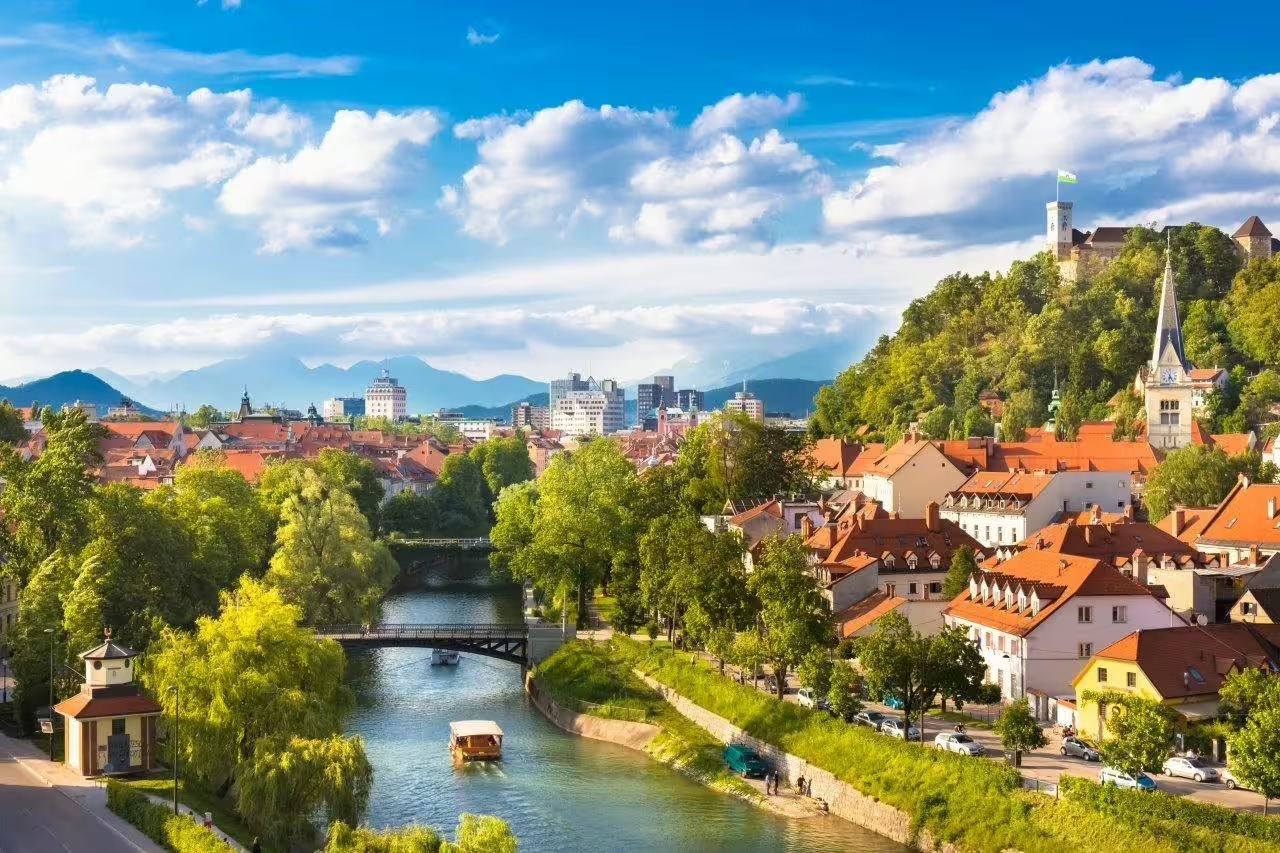
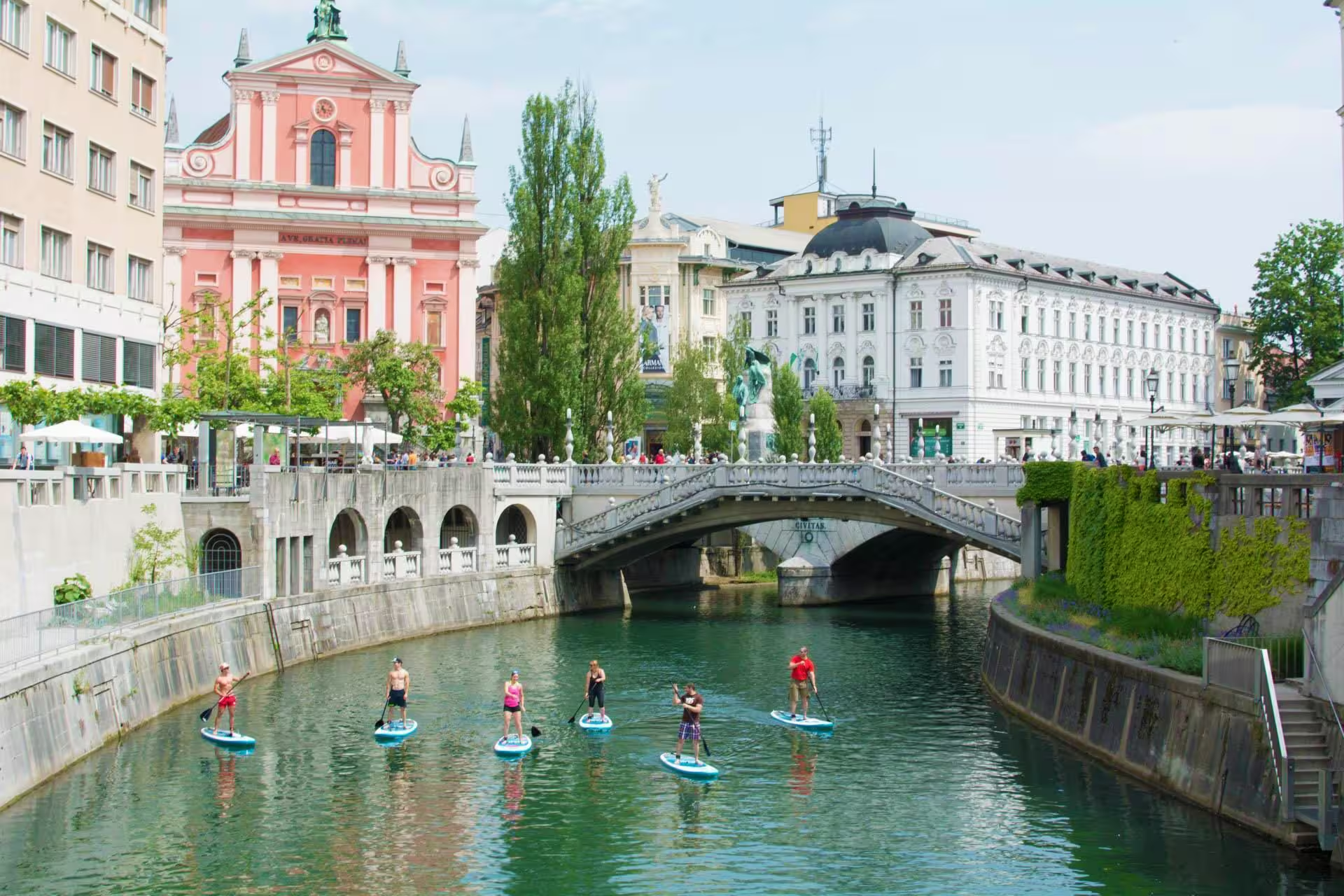
Stroll the Ljubljanica River Promenade. The river is the city’s social spine, and it is where Ljubljana feels most itself, relaxed, photogenic, and full of small moments. Bridges, terraces, and street life create a natural sightseeing route without needing a strict plan. Practical tip, go early for calm photos, then return at dusk when the atmosphere becomes more romantic.
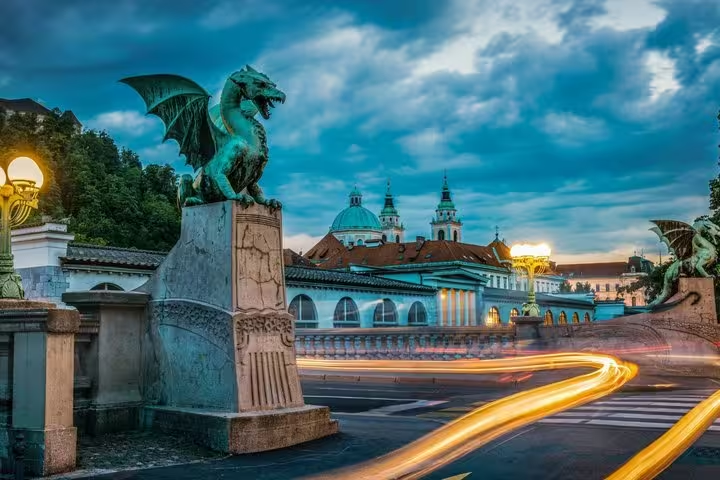
Cross the Iconic Bridges in the Old Town. Bridge hopping is a simple way to understand the city’s layout and character, and it ties together the most walkable parts of the center. The experience is less about ticking off landmarks and more about watching daily life unfold along the water. Practical tip, pause mid bridge for river level views, then continue on foot to keep the day efficient.
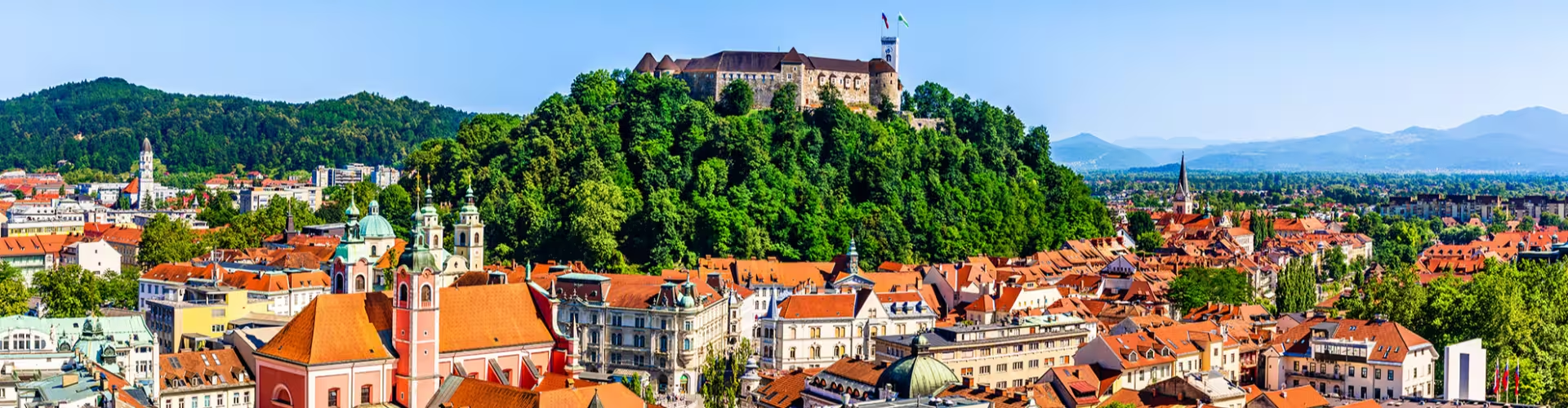
Visit Ljubljana Castle for City Views. A castle viewpoint gives you instant orientation, showing how compact the center is and how green the surroundings feel. It also adds historical texture to your trip, since the hilltop presence shapes the skyline. Practical tip, time it for late afternoon so you can transition from views to dinner in the old town without backtracking.
Explore the Central Market Area. Markets are a shortcut to local flavors and everyday culture, and they help you eat well without committing to a long restaurant meal. The setting is also ideal for casual people watching and picking up small edible souvenirs. Practical tip, bring a reusable bag and plan a simple picnic by the river if the weather is pleasant.
Take in the Architecture and Street Design. Ljubljana is known for a cohesive city center where architecture and public space design feel intentional. Even if you are not an architecture enthusiast, you will notice how squares, promenades, and façades frame the walking experience. Practical tip, choose one neighborhood loop and walk it slowly, it is the best way to spot details you would miss on a rushed route.
Spend an Evening in the Riverside Café Scene. The city’s café culture is an experience in itself, especially along the water where the mood is social and unhurried. This is one of the easiest ways to feel connected to the local rhythm, even on a short stay. Practical tip, arrive a little earlier than peak dinner time if you want a quieter table and better river views.
Join a Guided Walk for Context. A guided walk can add meaning to what you see, especially if you want stories, historical context, and tips that improve the rest of your trip. It is also a smart choice if you have limited time and want a curated route through the old town. Practical tip, book ahead in high season and choose a small group option for a more flexible pace.
Choose a Museum or Gallery for a Rain Plan. Weather can shift, and having an indoor option keeps your itinerary resilient. Museums and galleries also help you understand national identity and cultural influences that shaped Ljubljana and Slovenia more broadly. Practical tip, place your indoor visit in the middle of the day, then return outside for a golden hour walk.
Start with a morning loop through the old town streets and along the Ljubljanica River to get oriented while the city is calm. Head up to Ljubljana Castle around midday for the broadest sense of place, then descend back toward the market area for an easy lunch strategy based on what looks best. Finish with a slow evening promenade and a riverside café stop, keeping the last hour flexible for photos and spontaneous detours.
On day one, focus on the old town, bridges, and the riverfront, then add the castle viewpoint to lock in your mental map. On day two, expand outward into neighborhoods beyond the most photographed streets, looking for quieter squares, local cafés, and design details that reveal the city’s personality. If you have a third day, use it for a relaxed museum or gallery visit plus a day trip, so your time in Ljubljana includes both culture and the surrounding landscape.
Carniolan sausage. This classic Slovenian specialty is savory and satisfying, often enjoyed as a hearty meal that matches the region’s culinary traditions. Ordering tip, ask what it is served with so you can decide between a lighter lunch or a fuller dinner.
Štruklji. A comforting rolled dumpling style dish that can appear in sweet or savory versions depending on the filling. It is a good choice when you want something distinctly local without needing a long meal. Ordering tip, ask whether it is sweet or savory, then choose based on whether you want dessert or a main.
Potica. A traditional rolled pastry that leans festive and aromatic, often enjoyed with coffee. It is ideal as a mid afternoon treat when you want a taste of Slovenian baking culture. Ordering tip, ask what the filling is, then pair it with an espresso or a longer coffee.
Seasonal market produce. Fresh fruit, vegetables, and simple prepared bites are a practical way to eat well while sightseeing. The flavors are straightforward and quality driven, which suits a picnic style plan. Ordering tip, buy a few small items and build a mix, rather than committing to one large portion.
Local cheeses and cured meats. These are great for sharing and work well if you want a relaxed meal by the river. They also make easy travel snacks for day trips. Ordering tip, ask for a mixed board so you can sample a range without guessing.
Slovenian wine. Wine culture is part of the regional identity, and it pairs naturally with long dinners and social evenings. It is an easy way to slow down and make your night feel special. Ordering tip, ask for a local recommendation by the glass if you want to try something new without committing to a bottle.
The center of Ljubljana is highly walkable, and walking is often the fastest way to move between riverfront sights, bridges, and old town streets. Public transport can help if you stay farther out or want to reduce steps, and taxis or ride options can be useful late at night or in bad weather. For comfort and safety, wear grippy shoes because riverside paths and old town surfaces can be slick after rain, and keep an eye on cyclists in shared areas.
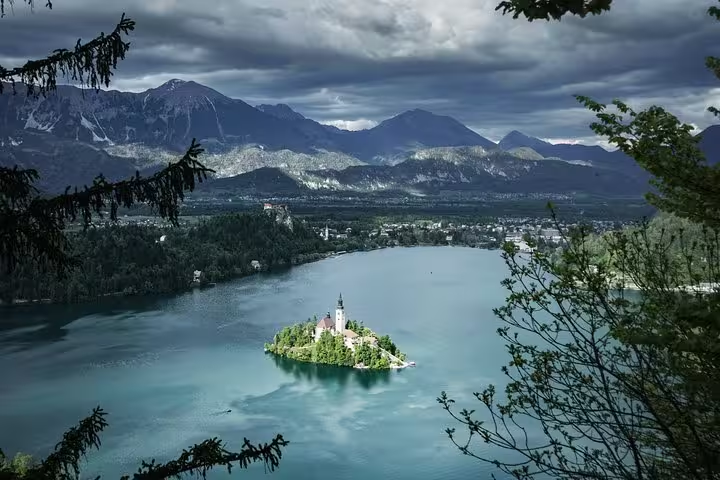
Lake Bled. A classic choice for scenery and a change of pace from the city, known for its postcard views and easy walking routes. Travel time varies by transport, so plan an early start if you want a relaxed day.
Postojna Cave. Ideal if you want a dramatic natural attraction and a different side of Slovenia beyond urban culture. Travel time depends on your route, and it is smart to check entry timing in advance during peak periods.
Škofja Loka. A charming historic town that works well for a slower, more local feeling day. It is a good option when you want architecture, small streets, and a calmer atmosphere than major tourist stops.
Velika Planina. A strong pick for mountain air and wide open landscapes, especially if you want hiking or alpine viewpoints. Conditions can change quickly, so pack layers and plan for weather shifts.
Yes, the central area is compact and designed for walking between riverfront sights and old town streets. Comfortable shoes help, especially if surfaces are wet after rain.
One day covers the main highlights at a brisk pace, especially the riverfront and the castle viewpoint. Two to three days lets you add neighborhoods, cafés, and a day trip without rushing.
Spring and early autumn tend to balance comfortable sightseeing with manageable crowd levels. Summer has the longest days and the most energy in the center, but it can feel busier.
Card payments are common in city settings, especially in central areas. Carry a small amount of cash for market purchases or small snacks, so you are not caught out.
Lake Bled is a popular scenic option, and Postojna Cave adds a dramatic natural experience. Škofja Loka suits a quieter historic town day, and Velika Planina is great for mountain landscapes.