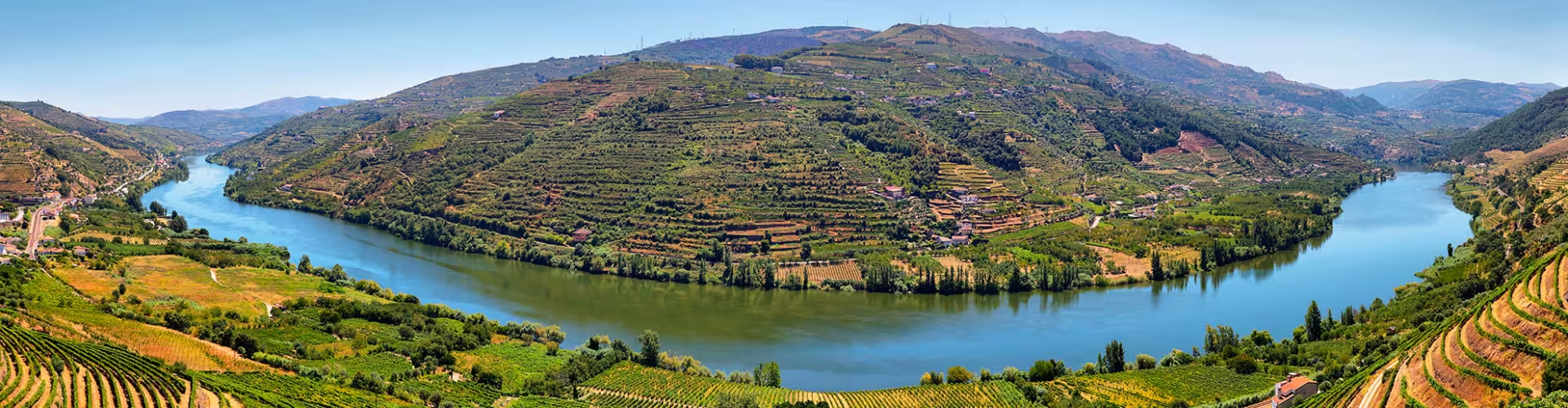
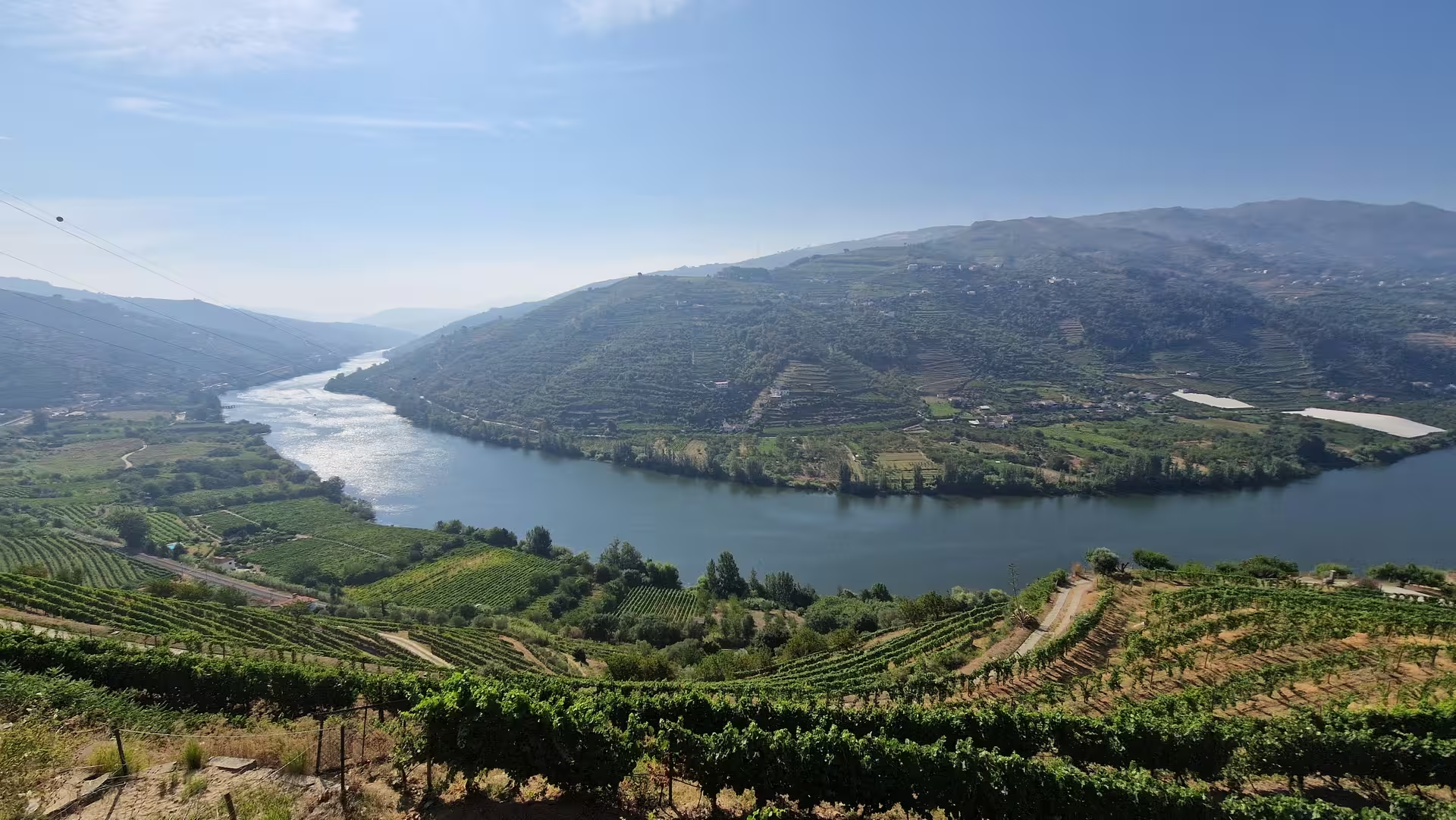
Winding through dramatic gorges, lush terraced hillsides, and ancient towns, the Douro Valley is one of the most enchanting regions in Portugal. Known for its world-famous wine production, particularly Port wine, and spectacular scenery, this UNESCO World Heritage landscape captures the heart of every traveler who visits. Whether you are sailing along the Douro River, sampling wines at historic estates, or strolling through charming riverfront villages, the Douro offers an immersive journey into the soul of northern Portugal.
Just a short drive or train ride from Porto, the Douro invites travelers to slow down, breathe in the vineyard air, and indulge in authentic experiences surrounded by natural beauty.
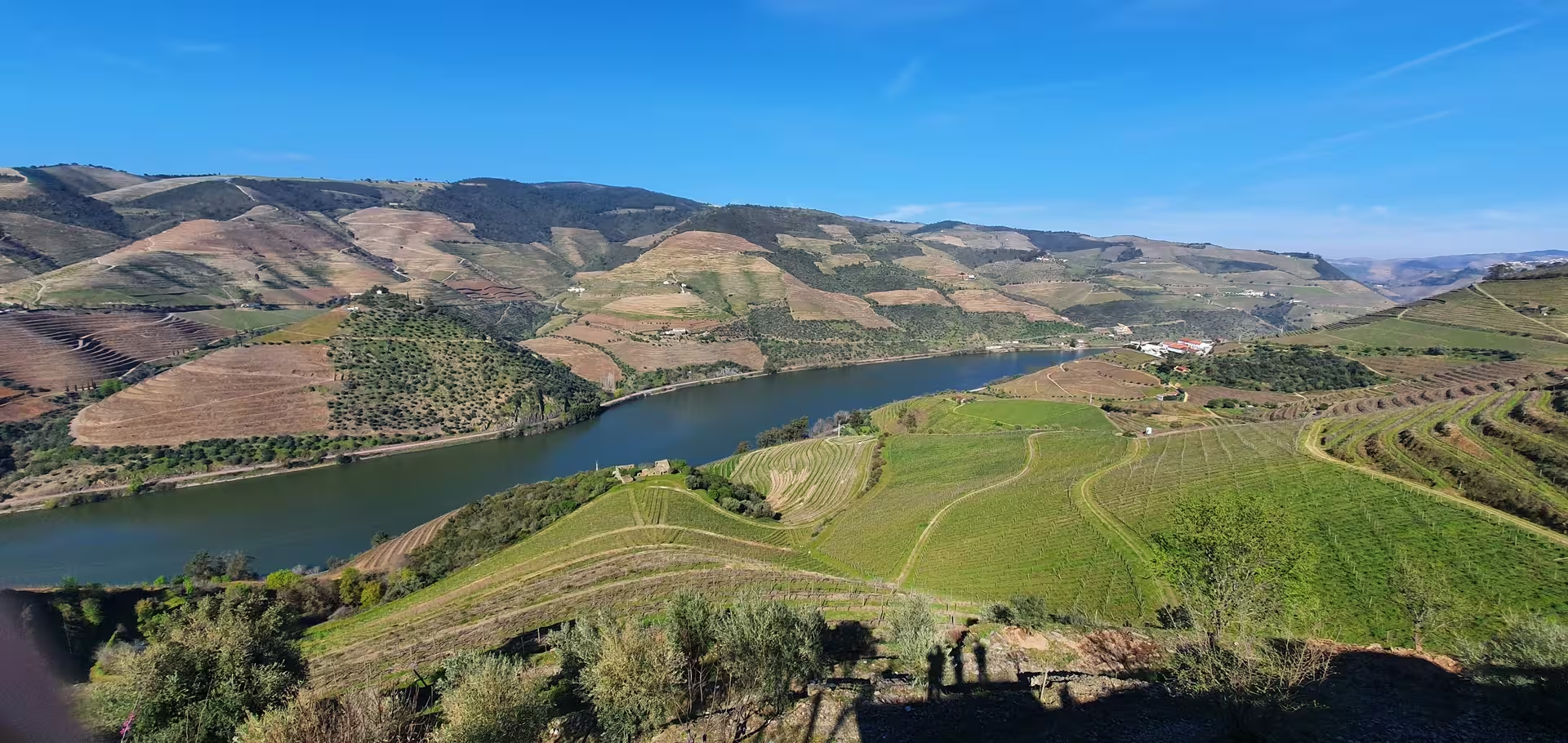
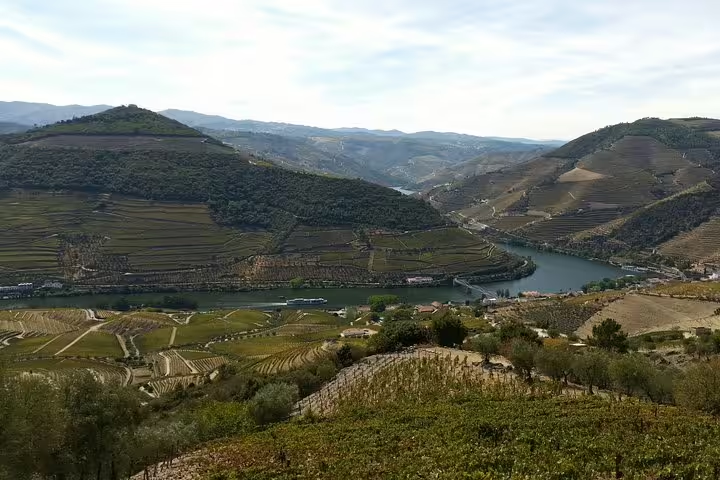
The Douro Valley is named after the Douro River, which originates in Spain and carves its way west through Portugal before emptying into the Atlantic Ocean at Porto. Over centuries, local communities have shaped the steep riverbanks into dramatic terraces, cultivating grapevines that produce some of the finest wines in the world.
From the river's tranquil waters to the golden vineyards and white-washed villages perched on hillsides, the Douro offers a perfect blend of nature, culture, and gastronomy.
A river cruise is one of the most scenic and relaxing ways to explore the valley. Whether you opt for a half-day excursion or a full-day trip from Porto to Peso da Régua or Pinhão, the views are simply unforgettable. As you drift past rolling vineyards, baroque churches, and quaint farms, you will feel completely immersed in the valley’s serene rhythm.
Some cruises also include wine tastings and regional meals, turning the journey into a full sensory experience.
The Douro Valley is the birthplace of Port wine, a fortified wine that has brought global recognition to the region. But there is so much more to explore than Port. The region is also renowned for its robust reds and elegant white wines.
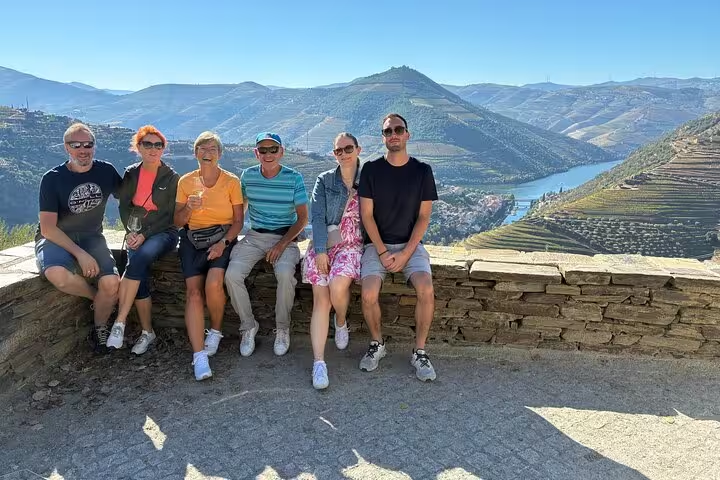
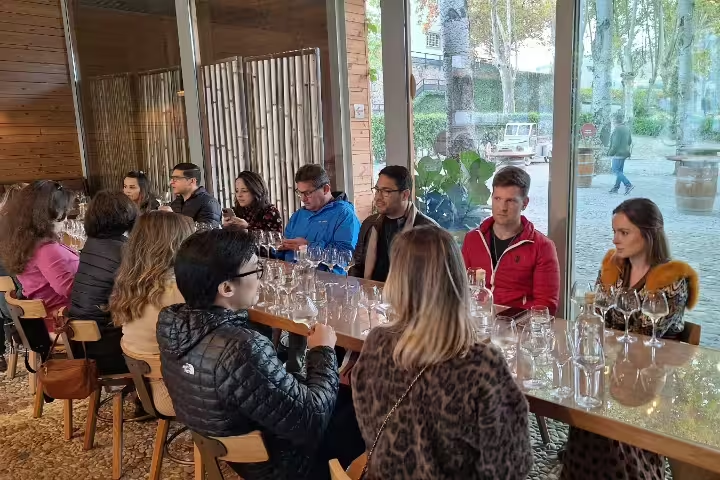
Visit quintas (wine estates) like those in Pinhão, Peso da Régua, or São João da Pesqueira. Many offer guided tours of their vineyards and cellars, along with tastings that highlight the distinct terroir of the Douro. Be sure to try local DOC Douro wines, which are increasingly celebrated for their quality.
Located in the heart of the valley, Pinhão is a postcard-perfect village surrounded by terraced hills and historic wine estates. The local railway station, adorned with traditional azulejos (painted tiles) that depict vineyard scenes, is a must-see. From Pinhão, you can take short boat rides, enjoy vineyard tours, or simply relax at riverside cafes.
Peso da Régua is considered the capital of the Douro wine region and serves as a central hub for wine tourism. The town’s Douro Museum provides excellent insight into the region’s winemaking history, the river’s role in trade, and the cultural traditions of local communities.
Stroll along the waterfront, enjoy lunch at a local tavern, or hop on a river cruise from the town’s dock.
Travelers looking for a romantic and nostalgic journey should ride the Linha do Douro, the historic railway that follows the river all the way to Pocinho. The route offers one of the most beautiful train rides in Europe, passing through tunnels, over bridges, and alongside vineyards and olive groves.
During summer, a vintage steam train also runs on weekends between Régua and Tua, offering a magical step back in time.
For nature lovers, the Douro Valley offers countless trails that wind through vineyards, forests, and scenic ridges. Hikes such as the São Leonardo de Galafura viewpoint, immortalized by Portuguese writer Miguel Torga, reward visitors with sweeping panoramas over the valley and river.
You can also explore routes around Armamar, Sabrosa, or Tabuaço, where old stone paths take you through terraced landscapes dotted with farmhouses and centuries-old olive trees.
No visit to the Douro is complete without enjoying its hearty cuisine. Many quintas and traditional restaurants serve dishes like posta mirandesa (grilled beef), roasted kid goat, and river fish stews, paired with local wines.
Do not miss regional specialties such as folar da Páscoa (a festive meat bread) or bola de carne, which showcase the area's rustic culinary traditions.
The best time to visit the Douro depends on your interests:
Spring (March to May) is ideal for mild weather, blooming wildflowers, and peaceful vineyard walks.
Summer (June to August) offers long, sunny days perfect for boat trips and wine tastings, although temperatures can be high.
Autumn (September to October) is harvest season, making it the most magical time to visit. The hills turn golden and red, and many wine estates allow guests to participate in grape picking and treading.
Winter is quieter, but still enjoyable for those seeking calm, cozy stays by the fireplace with a glass of Port in hand.
Book tours and tastings at wine estates in advance, especially during harvest season.
Consider staying overnight in a quaint guesthouse or vineyard hotel for a more immersive experience.
Combine your Douro trip with a stay in Porto, using it as a base for day tours or train journeys.
For a special occasion, book a hot air balloon flight or helicopter tour over the valley for a spectacular aerial view.
The Douro Valley is a place of timeless beauty and deep-rooted culture. It is where rivers meet vineyards, where tradition meets tranquility, and where every sip of wine tells a story centuries in the making. Whether you are here to taste, explore, or simply relax and admire the view, the Douro promises moments that will stay with you forever.
From luxurious river cruises and wine-tasting journeys to picturesque villages and dramatic landscapes, the Douro is more than a destination. It is an invitation to experience Portugal at its most soulful.
π Let Toursxplorer.com help you unlock the best of the Douro Valley with curated tours and unforgettable local experiences. Book now and let your Douro story begin. π