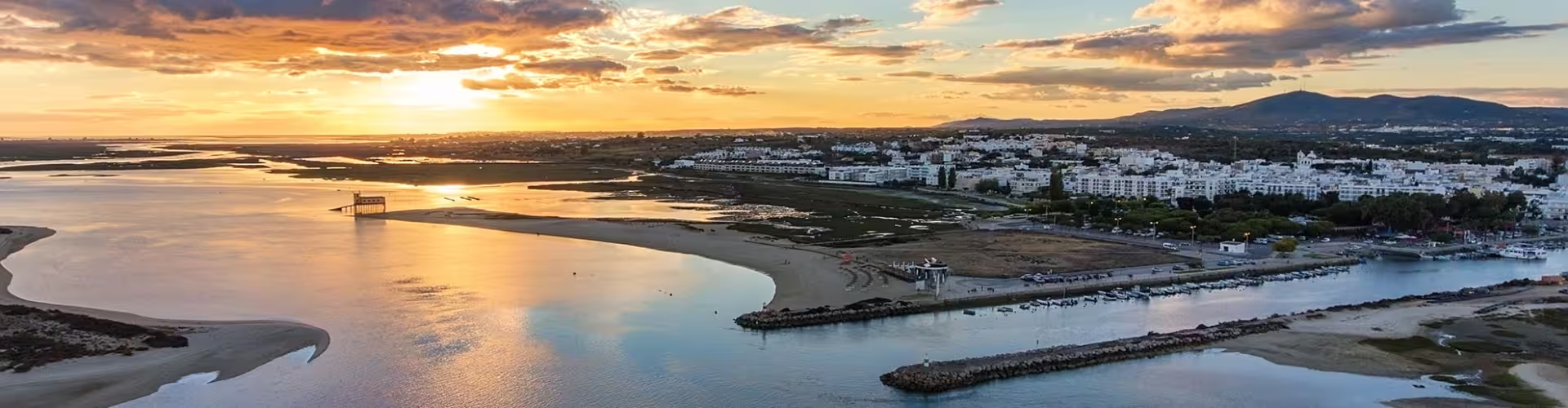
Fuseta is a small Algarve coastal village with a calm, local rhythm and a close relationship to the water. It suits travelers who want beach time without a high-rise resort feel, plus easy access to lagoon landscapes and seafood-forward dining. Go now if you want a slower Algarve experience that still connects easily to bigger hubs for day trips and travel logistics.
Fuseta sits in Portugal’s Algarve Region, on the eastern side of the coast where the shoreline becomes more lagoon-like and barrier-island shaped. It is well positioned for exploring nearby towns in the eastern Algarve while keeping a quieter base for evenings. For gateways, most travelers route through Faro as the main regional hub, then continue onward by road or rail depending on where they are staying and how much flexibility they want.
In general, the Algarve follows a familiar pattern, warmer and busier in the summer months, and milder with fewer visitors outside peak season. If your priorities are relaxed beaches and easier parking or train seats, shoulder seasons can feel more comfortable and less rushed. If your priority is the fullest beach atmosphere and the longest days, summer delivers that energy, but you should plan for higher demand for accommodation and popular experiences.
Portugal uses the euro, and most travelers find it easy to pay by card for routine expenses. It is still smart to carry some cash for small purchases and simple, local spots where card machines can be less consistent. Budget planning is easiest when you decide your travel style first, a beach-first trip with casual meals will feel different from a trip built around guided experiences and day trips across the region.
1) Lagoon and Barrier Island Time
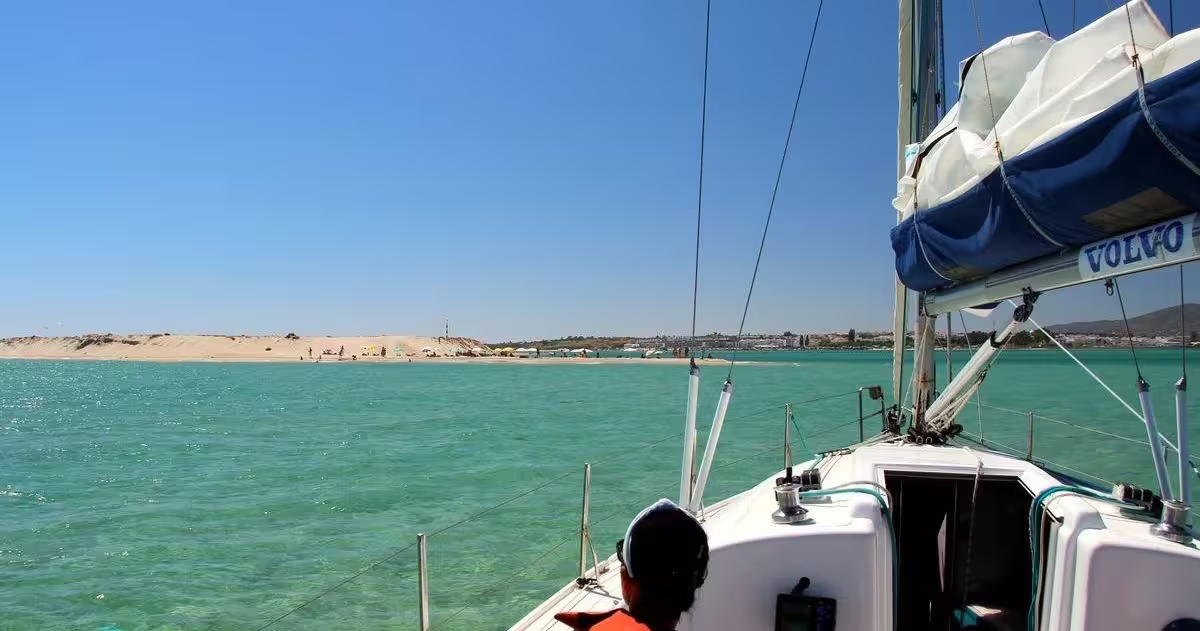
The defining experience around Fuseta is the relationship between calm water, sand, and changing tides. This landscape creates a beach day that feels different from open-ocean surf beaches, often gentler and more scenic. Practical tip, check the day’s conditions before you go and plan your beach time around the light, sunrise and late afternoon can be especially rewarding for photos.
2) A Slow Village Walk
A big part of the appeal is how easy it is to enjoy the place at walking pace. A simple stroll helps you understand the local rhythm, fishing heritage, and how daily life centers around the waterfront. Practical tip, walk twice, once in the morning for quiet streets, and again near sunset when the atmosphere becomes more social.
3) Seafood-Focused Meals
Eastern Algarve towns are known for straightforward cooking that lets the fish do the talking. In Fuseta, ordering seafood connects you to the local identity and supports small businesses. Practical tip, ask what is freshest that day and choose based on what is being recommended, you will often get a better meal than sticking to familiar choices.
4) Photography with Soft Coastal Light
The lagoon environment tends to produce softer reflections and layered horizons, water, sand, and sky. This makes it ideal for travelers who like natural textures rather than dramatic cliffs. Practical tip, bring a lens cloth or a simple wipe, sea air can leave a fine film on phone and camera lenses.
5) A Relaxed Beach Day with Simple Comforts
The best beach days here are the uncomplicated ones, swim, read, snack, repeat. The calmer vibe makes it easier to slow down, especially for couples and families who want a less hectic scene. Practical tip, pack sun protection and water as a baseline, then add a light layer for later in the day when the breeze can pick up.
6) Use Fuseta as a Base for the Eastern Algarve
Staying in a smaller place can make day trips feel less tiring because evenings are quieter and logistics are simpler. You can plan one active day followed by a recovery day without feeling like you are missing out on nightlife. Practical tip, cluster day trips by direction so you are not crossing the region back and forth.
7) Taste-First Travel, Small Plates and Local Specials
Even without a checklist of famous attractions, you can build a memorable trip around what you eat. Portuguese dining culture rewards curiosity and patience, and meals can be the main event. Practical tip, look for a daily special if you want value, and do not be afraid to ask what locals are ordering.
8) A Simple, Low-Stress Reset
Not every Algarve trip needs a packed itinerary, and this is where Fuseta shines. It is a place to recover from long travel days, sleep well, and spend time outdoors. Practical tip, plan at least one unstructured morning, it often becomes the highlight when you do not force the schedule.
Start with a morning walk through the village to get oriented and set your pace for the day. Move into a lagoon-focused beach session around late morning, then break for a seafood lunch when you are ready to slow down. Finish with a golden-hour stroll and a casual dinner, keeping the evening simple so the day feels restorative, not rushed.
Day 1, keep it local, walk, beach, and a long meal that introduces you to the flavors of the eastern Algarve. Day 2, add a day trip to a nearby town or a scenic coastal area, then return to Fuseta for a quieter evening and an early night. Day 3, use as a flexible buffer, repeat your favorite beach spot, focus on photography, or plan a second day trip depending on energy and weather.
Grilled fish, clean, smoky, and simple, often the best way to taste what is freshest. Ordering tip, ask what fish is best today and choose that rather than defaulting to the same option every time.
Seafood rice, rich and comforting, usually built on a deep broth and generous seafood. Ordering tip, it can be filling, consider sharing if you plan to swim afterward.
Cataplana-style seafood, aromatic and saucy, designed for slow eating and conversation. Ordering tip, ask about portion size, it is often ideal for two people.
Sardines, bold, salty, and very Portuguese when in season. Ordering tip, pair with something fresh and simple on the side and keep your plan light afterward.
Octopus, tender when well cooked, often served with olive oil, garlic, or potatoes. Ordering tip, if you are unsure, ask for a classic preparation, it is usually the most balanced introduction.
Pastel de nata, crisp pastry with creamy custard, perfect with coffee. Ordering tip, try it warm if available and keep it as your mid-afternoon break.
Fuseta is best enjoyed on foot once you are in the village, especially if your plan is beach time, meals, and relaxed walks. For moving between towns in the Algarve, you can mix train or bus routes with occasional taxis or ride-hailing depending on your comfort level and how late you plan to return. If you are traveling with limited mobility, prioritize accommodation close to the areas you plan to visit most, and confirm access details in advance since small coastal towns can include uneven pavements and short climbs.
Faro, a practical regional hub with transport connections and an easy day out for culture and city energy. Travel time depends on your route and mode, but it is typically a straightforward regional connection.
Olhão, known for its waterfront atmosphere and food culture, a good choice if you want a change of pace and a more urban local feel. It is close enough to work as a half-day or full-day outing.
Tavira, one of the eastern Algarve’s most appealing towns for an unhurried day of wandering and dining. It pairs well with a slow lunch and time for photos.
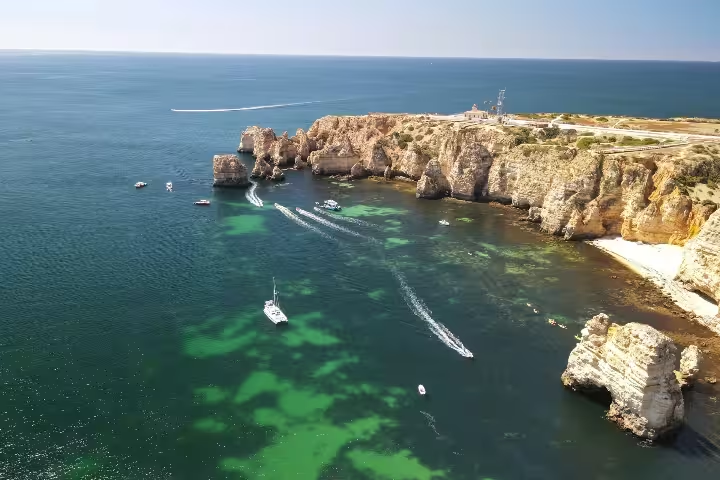
Ria Formosa area, ideal for nature-focused travelers who want to see more of the lagoon landscapes that define this part of the Algarve. Plan around weather and daylight so you can enjoy the scenery without rushing.
Yes, it suits travelers who want a calmer base with an easygoing daily rhythm. It works especially well if your priorities are beach time, simple walks, and seafood meals.
One day is enough for highlights like a beach session and a seafood meal. Two to three days gives you room for a day trip and a more relaxed pace.
Summer is typically the busiest and warmest period, with the most beach energy. Shoulder seasons can feel less crowded and more relaxed while still offering pleasant conditions.
Within the village, walking is usually the easiest way to move around. For day trips, you can combine public transport with taxis or ride-hailing depending on your schedule.
Bring sun protection, water, and comfortable walking shoes for village exploring. Add a light layer for evenings since breezes can make it feel cooler after sunset.