Last updated:


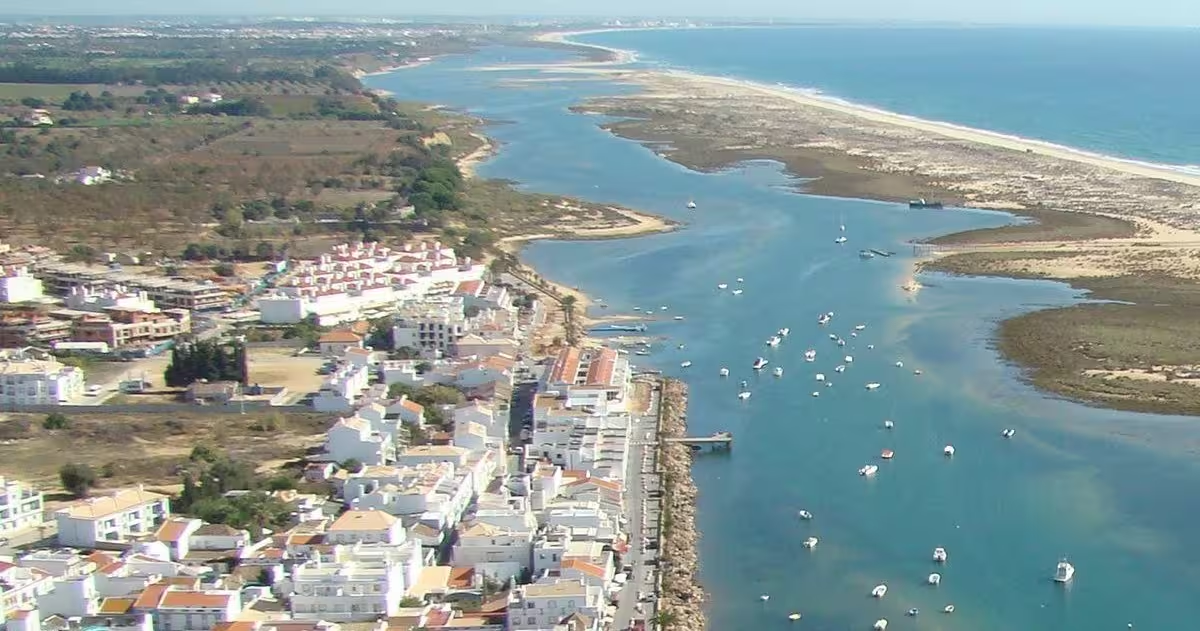
Cabanas de Tavira suits a trip built around the beach, with time for the Ria Formosa and the history of Tavira. The village belongs to the municipality of Tavira in Portugal's Algarve, and its past is rooted in commercial tuna fishing. Tourism has since taken a larger role in the local economy, although fishing is still part of village life.
The beach deserves a place in your plans if sand, dunes and clear water are the reason for your visit. The beach area stretches for roughly seven kilometres. The 17th century Fort of São João da Barra stands on a small hill by the Ria Formosa, just east of the village. Today it is a hotel.
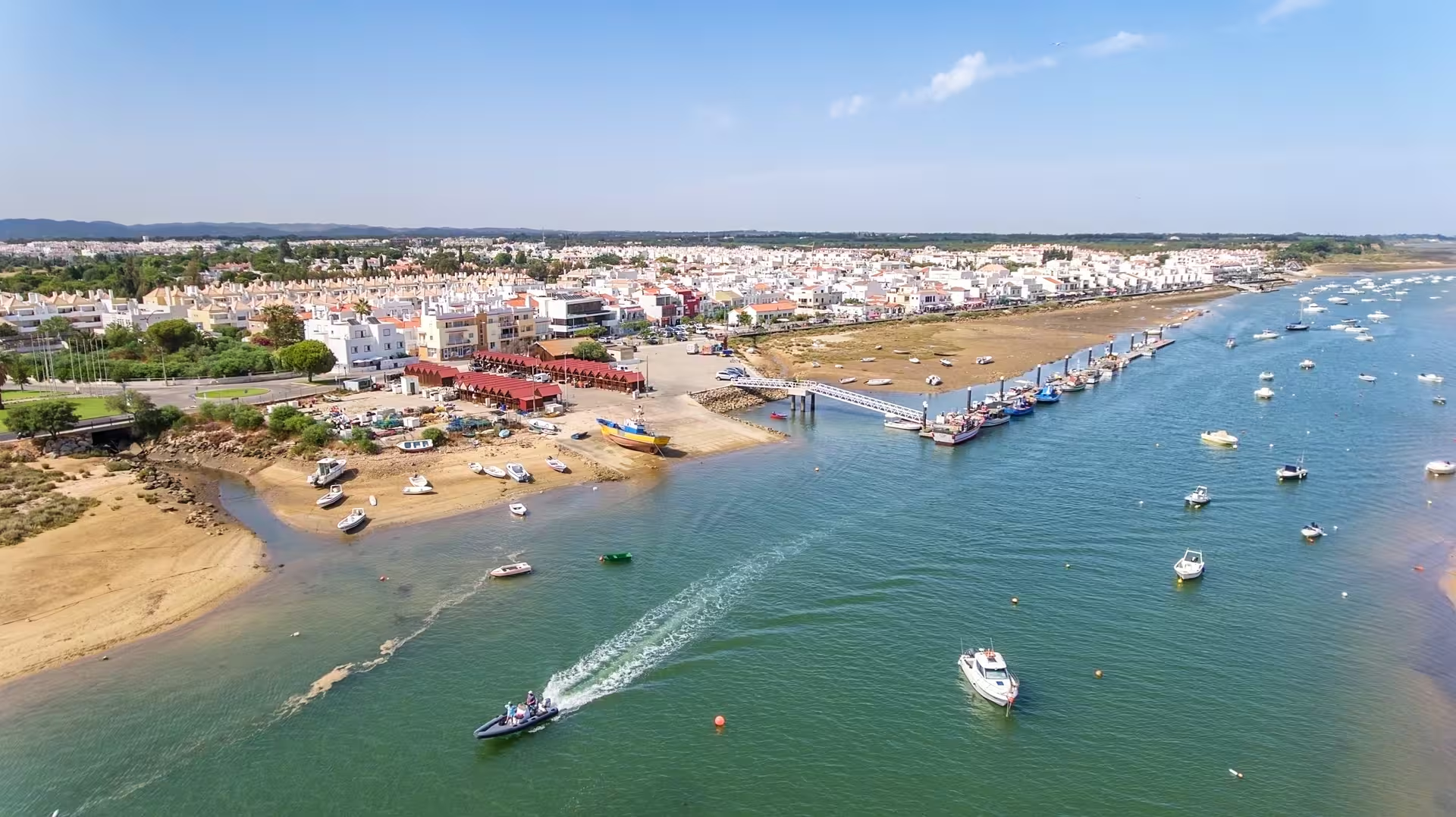
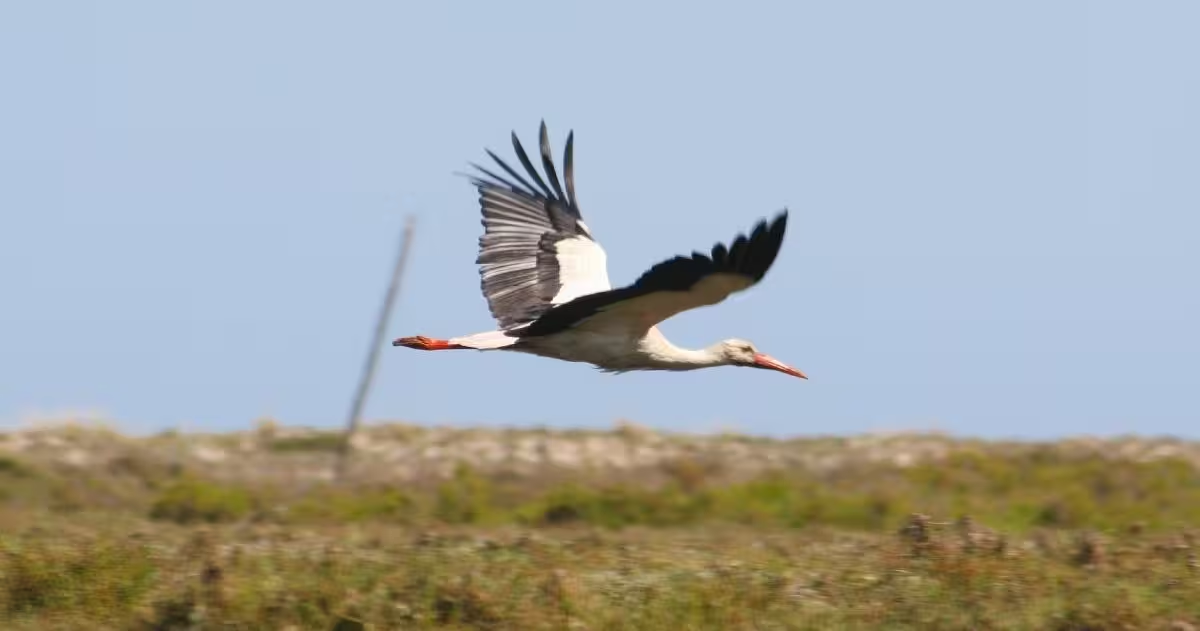
The Ria Formosa adds a different focus for anyone interested in birds and wetland scenery. It has natural park and Ramsar status, with five sandy barrier islands, salt pans and small sandy beaches. Around 30,000 birds can be seen there over the course of a year, and the wetland is internationally important for water birds. That makes time devoted to watching birds a worthwhile addition to a beach trip.
A visit need not be limited to a particular season: the Ria Formosa has a mild climate, with sunny days occurring throughout the year. The Tavira area has an annual average temperature of about 17 °C. These broad conditions support keeping a nature visit in your plans beyond a beach-focused holiday.
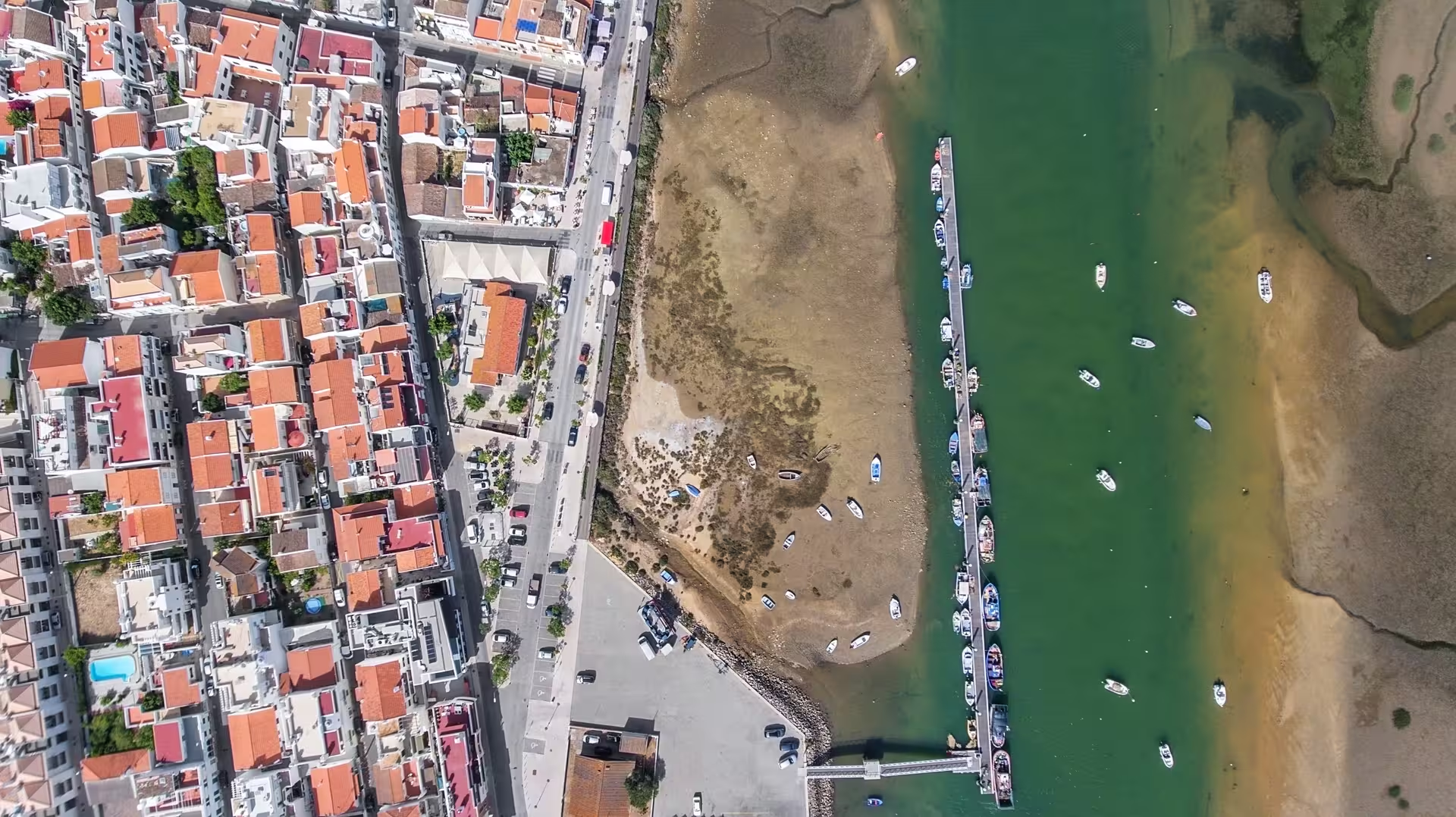
An Ilha de Tavira outing can be planned around a ferry, water taxi or floating bridge crossing. Ferries and water taxis reach the island from Quatro Águas, southeast of Tavira. A small floating bridge offers another way across in the Santa Luzia and Pedras d'El Rei area. Ilha de Tavira lies a few hundred metres offshore, south of Tavira.
Rail is an option for a wider trip through Tavira, which has a station on the line linking Vila Real de Santo António with Faro and Lagos. An island crossing and a rail journey therefore belong to different parts of your plans: the crossing reaches Ilha de Tavira, while the railway connects Tavira with other towns.
Two days would let you give a day to the beach at Cabanas de Tavira and another to Tavira's history. On the beach day, leave room for the dunes and clear water rather than filling the whole plan with historical stops. On the Tavira day, the castle, Santa Maria do Castelo and the bridge across the Gilão give the visit a historical and riverside focus. A longer stay could give the Ria Formosa or Ilha de Tavira a separate place in the itinerary.
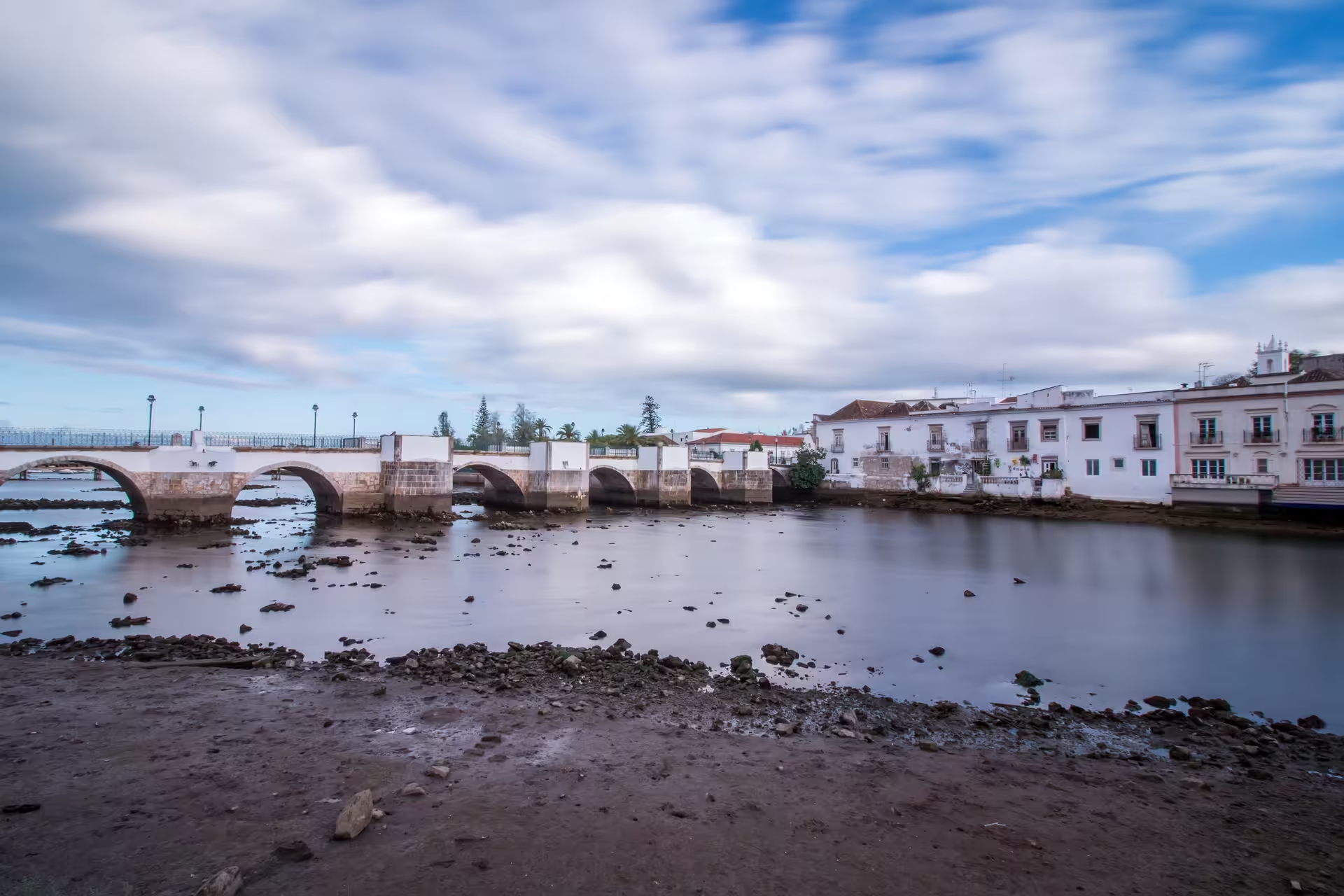
Tavira is a day-trip choice for history, while Ilha de Tavira suits an island outing. Tavira Castle has Moorish origins, and Santa Maria do Castelo was later built over the remains of a mosque. The town also has many buildings from the 18th century, and its bridge joins the parts of town on either side of the Gilão. For the island alternative, plan around the crossing described above.
The island extends for 11 kilometres, with a width ranging from 150 metres to 1 kilometre.
The park extends for 60 km between Ancão beach and Manta Rota beach.
Faro lies 28 kilometres to the west of Tavira.