



Gdansk

Maritime history, Hanseatic streets, and Baltic flavors meet world-class museums and easy day trips to Sopot, Gdynia, and Malbork. Plan a walkable city break with curated itineraries and practical tips.

logoBlack

Build your dream
experience

dreamimg

More to know about Gdansk

Discover Gdansk with a Local Style Travel Guide


Gdansk Travel Guide

Elegant merchant houses, riverside promenades, and Baltic light give this port city a distinctly northern rhythm. Its streets tell stories of Hanseatic wealth, shipyard solidarity, and modern creativity, all within an easy-to-navigate historic core. Use this guide to plan smarter, choose the best experiences, and connect your time here with the wider Tricity coast.


Snapshot

Gdansk blends maritime heritage with a beautifully restored Old Town, amber workshops, and a food scene that leans into Baltic flavors. Visit for the waterfront atmosphere, museum quality that rivals bigger capitals, and day trips that deliver beaches and castles without long travel days. It is especially rewarding now because the city is easy to explore on foot, while new exhibitions and modern neighborhoods keep it feeling current.


🗺️ Geography and Logistics

📍 Orientation:

This destination sits on Poland’s Baltic coast in the Pomeranian region, forming the historic heart of the Tricity area alongside Sopot and Gdynia. The main gateway is Gdańsk Lech Wałęsa Airport, with frequent connections via European hubs. Long-distance trains arrive at Gdańsk Główny, a central station that places you within quick reach of the Old Town and riverfront.

🕒 When to Go:

Late spring to early autumn brings the longest days, outdoor dining, and the most vivid waterfront energy, with higher demand for hotels and tours. Summer is peak season for coastal weather and festivals, while shoulder months are calmer and often better for museum-heavy itineraries. Winter is quieter and atmospheric, ideal for travelers prioritizing interiors, cafes, and a slower pace.

💰 Budget and Currency:

Poland uses the Polish złoty (PLN). Cards are widely accepted, but carrying some cash helps for small bakeries, markets, and tips. Costs are generally moderate compared with many Western European city breaks, especially if you book accommodation early for summer weekends.


⭐ Essential Things to Do

Walk the Royal Route (Długa and Długi Targ)
This is the city’s postcard corridor, lined with ornate facades that reflect centuries of merchant power and rebuilding. It is the best place to absorb the “Hanseatic meets Baltic” aesthetic in one continuous stroll. Practical tip: go early for cleaner photos, then return at dusk when lanterns and window light soften the street.

Climb St. Mary’s Church for skyline views
One of Europe’s largest brick churches anchors the historic center with a sense of scale you can feel from the square. The panorama helps you understand the city’s layout, waterways, and rooftops. Practical tip: choose a clear day and bring a light layer, coastal wind can be brisk even in warmer months.

Explore the Motława River waterfront and the medieval crane
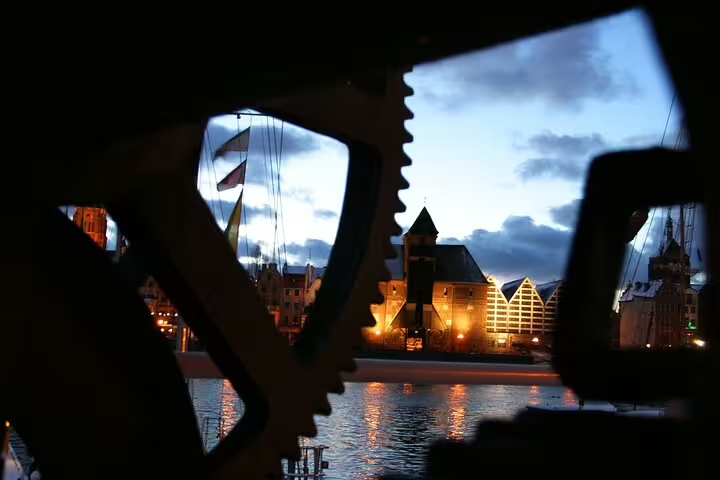
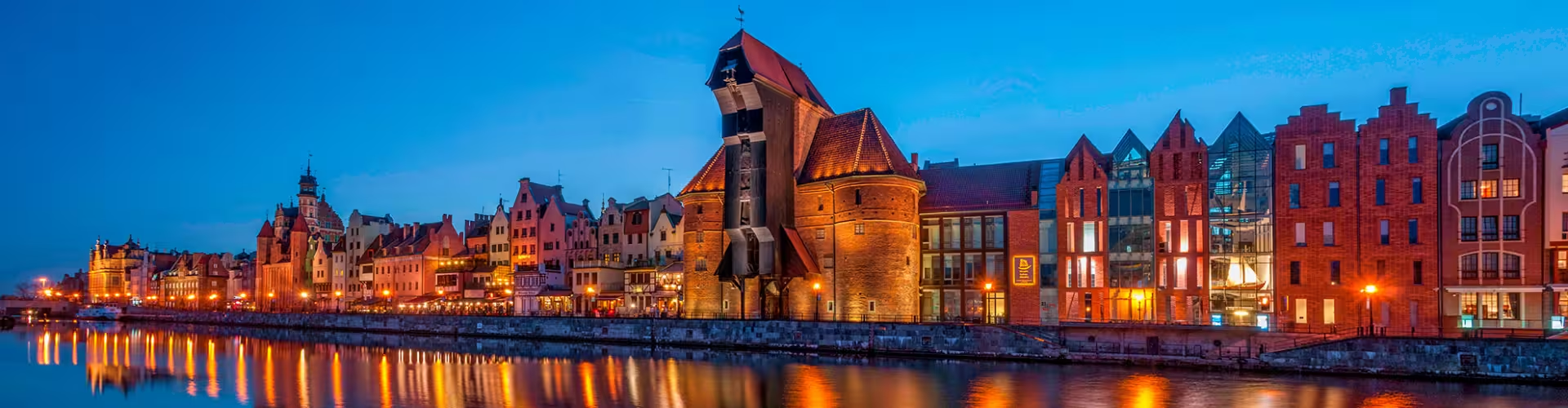
The riverfront is where the port-city character comes alive: promenades, boats, and the iconic old crane that hints at the working past. It is a prime spot for relaxed strolling between museums and cafés. Practical tip: aim for golden hour, then continue to a riverside restaurant before the dinner rush.

Visit the European Solidarity Centre
This landmark museum and cultural space connects you to the shipyard movement that reshaped modern Europe. Exhibitions are immersive and emotionally direct, even if you arrive with limited background knowledge. Practical tip: allow extra time for the surrounding shipyard area, it adds context that makes the visit land deeper.

See the WWII Museum for big-picture history
This is one of Poland’s most significant museums, designed to explain the war’s human impact through objects, testimony, and narrative rooms. It is powerful, detailed, and best approached when you are not rushing. Practical tip: schedule it earlier in the day when your energy is highest, and plan something lighter afterward.

Go amber hunting in workshops and galleries
The Baltic coast is famous for amber, and the city’s jewelers showcase everything from minimal modern pieces to classic designs. Browsing is a cultural experience as much as shopping, especially when you learn how amber is evaluated. Practical tip: ask about certification and origin, and compare a few shops before buying.

Take a Gdansk walking tour with a local guide
A guided stroll turns beautiful streets into a coherent story, linking architecture, trade, and the layers of 20th-century history. It is also a smart way to discover courtyards, viewpoints, and details you would otherwise pass by. Practical tip: choose a small-group option and book ahead for summer weekends.

Plan a Gdansk boat tour for a different perspective
From the water, the city reads like a living map: warehouses, quays, and modern additions sit side by side. It is a relaxing break between museum visits and a great choice for families. Practical tip: bring a windproof layer and sit on the outer edge for the best photos.


🚶 Curated Itineraries

⏰ The Highlights (1 Day):

Start with the Royal Route for architecture and atmosphere, then detour into side streets for coffee and a quick amber stop. Spend late morning at St. Mary’s Church and a viewpoint if conditions are clear. After lunch by the Motława, choose one major museum, either the WWII Museum for depth or the European Solidarity Centre for modern history. End with a waterfront walk and a relaxed dinner reservation.

⏰ Deep Dive (2 to 3 Days):

Day 1 focuses on the Old Town: Royal Route, St. Mary’s, riverfront, and a guided walk to stitch the story together. Day 2 goes deeper into 20th-century context with the European Solidarity Centre and time around the shipyard district, balancing it with cafés and design shops. Add Day 3 for a coast-and-culture mix: a beachy Tricity excursion, a castle day trip, or a slow museum morning followed by a sunset cruise.


🍽️ Flavors of Gdansk

Fresh Baltic fish (often fried, grilled, or smoked)
Expect clean flavors, simple seasoning, and sides that lean hearty. Ordering tip: ask what is local and in season that day, it is usually the best choice.

Pierogi
Poland’s iconic dumplings come with fillings ranging from potato and cheese to meat or mushrooms, usually served with buttered onions. Ordering tip: if you are hungry, order a mixed plate to sample sweet and savory variations.

Żurek (sour rye soup)
Tangy and comforting, often served with sausage and egg, it is a classic for cooler days. Ordering tip: look for versions served in bread for a more filling, traditional presentation.

Bigos (hunter’s stew)
A slow-cooked mix of sauerkraut, meat, and spices that tastes richer the longer it simmers. Ordering tip: pair it with bread and a local beer, and expect a hearty portion.

Kaszubskie flavors (Kashubian touches)
In the wider Pomeranian area, menus sometimes nod to Kashubian traditions with robust, countryside-style dishes. Ordering tip: ask servers which items are regional specialties, it is an easy way to eat beyond the standard classics.

Polish pastries and cakes
Bakeries offer everything from poppy seed rolls to cream cakes, ideal for a mid-afternoon break. Ordering tip: try one item you recognize and one you do not, and take it to-go for a riverside snack.


🚌 Navigation and Transport

The historic center is best explored on foot, with short distances between major churches, museums, and the river promenade. For longer hops across the Tricity area, use local trains, trams, and buses, which are efficient and practical for day trips toward the coast. Taxis and ride-hailing are useful late at night or in poor weather, but walking remains the most rewarding way to catch architectural details.

Accessibility varies: cobblestones and older stairways can make some routes challenging, so plan museum visits and viewpoints with breaks. In busy summer periods, allow extra time for boarding boats and for queues at major museums. As in any popular city break, keep an eye on belongings in crowded areas and around transport hubs.


🌄 Beyond the Center: Day Trips

Sopot
Travel time: about 20 to 30 minutes by local train. Go for beach energy, seaside promenades, and an easy coastal change of pace.

Gdynia
Travel time: about 25 to 35 minutes by local train. Visit for a more modern port-city feel, maritime culture, and waterfront walks.

Malbork Castle
Travel time: roughly 1 to 1.5 hours by train depending on connections. It is one of Europe’s most impressive brick fortresses, ideal for history lovers and photographers.

Westerplatte
Travel time: typically 20 to 40 minutes depending on route and season, often reached by boat or local transport. It is a key historic site for understanding the opening chapter of WWII in Poland.


✅ Insider Tips for Travellers

  • Book major museums in advance in peak season, especially if you have limited time on a 1-day itinerary.
  • Plan one “heavy” museum per day, then balance it with waterfront time or a café stop to avoid fatigue.
  • For the best photos on the Royal Route, go early morning, then revisit in the evening for warmer light.
  • Bring a light windproof layer year-round, Baltic weather can shift quickly near the river and coast.
  • Choose a guided experience if you want shipyard and Solidarity history explained clearly, context matters here.
  • When buying amber, compare multiple shops and ask about authenticity and sourcing.
  • Wear comfortable shoes, cobblestones and longer museum visits add up faster than expected.
  • If you are connecting to Sopot or Gdynia, local trains are usually the simplest option for timing and convenience.

❓ Frequently Asked Questions

How many days do you need for Gdansk?
One day covers the Old Town highlights and a waterfront stroll, but it will feel fast. Two to three days lets you add the major museums and a Tricity or castle day trip without rushing.

Is the city walkable for first-time visitors?
Yes, the historic core is compact and designed for walking between landmarks. Cobblestones are common, so comfortable shoes make a noticeable difference.

What is the best season for a coastal city break here?
Late spring through early autumn brings longer days and the liveliest outdoor atmosphere. Shoulder months are calmer and often better for museum-focused plans with fewer crowds.

Should I book museums and tours ahead of time?
In summer and on weekends, pre-booking is a smart move for the most popular museums and guided experiences. If you prefer flexibility, schedule key visits early in the day and keep afternoons open.

Can you do day trips easily from Gdansk?
Yes, the Tricity area is connected by frequent local trains, and Malbork Castle is a classic rail day trip. Boat routes can also be a scenic way to reach certain coastal sites in season.