

Pomeranian
Plan a Baltic escape with Tri-City highlights, beaches, Malbork Castle, dunes, local food, and transport tips for easy day trips across northern Poland.

Plan a Baltic escape with Tri-City highlights, beaches, Malbork Castle, dunes, local food, and transport tips for easy day trips across northern Poland.

Poland’s northern shoreline mixes Baltic beaches, port-city heritage, and forested lake districts, all stitched together by efficient rail links and a strong food culture. This guide focuses on the region’s most rewarding bases, signature experiences, and practical planning, so you can choose what fits your pace, budget, and interests. Use it to map out a first trip, or to go deeper into seaside neighborhoods, medieval old towns, and nature escapes.
Pomeranian is where Poland meets the Baltic, with a vibe that shifts from historic shipyards and amber-lined streets to wide dunes, pine forests, and resort promenades. Visit now for a sweet spot of improved transport connections, a thriving dining scene, and more shoulder-season options that feel calmer than peak summer. It is an easy region to combine, city breaks in the Tri-City with slow days on the coast.
This northern Polish region sits on the Baltic Sea, anchored by the Tri-City area of Gdańsk, Sopot, and Gdynia, and extending toward dune landscapes and lake country. The main gateway is Gdańsk Lech Wałęsa Airport, with frequent domestic and international connections. For rail, Gdańsk Główny is the key hub, and fast intercity trains also make it realistic to arrive from Warsaw and other major Polish cities.
If you are doing a multi-stop trip, the coast pairs naturally with nearby Warmian-Masurian lake areas to the east and the rest of northern Poland inland. Ferries and maritime links also shape the region’s identity, even if most visitors primarily use trains, trams, and regional buses.
Summer brings the classic Baltic beach atmosphere, the longest days, and the busiest waterfronts, especially in Sopot and the most popular seaside towns. Late spring and early autumn are ideal for travelers who want pleasant walking weather, fewer crowds, and easier restaurant reservations. Winter is quieter and can be atmospheric in historic centers, but expect shorter daylight and more limited beach-town energy.
For city breaks and museums, shoulder season is often the best value. For swimming and full-on resort life, aim for mid-summer and book accommodation early.
Poland uses the Polish złoty (PLN). Cards are widely accepted in cities and tourist areas, but it is still smart to carry some cash for small kiosks, markets, and local bakeries. Prices vary by location, with the Tri-City and peak-season seaside resorts typically costing more than smaller towns inland.
For better value, consider staying a few stops away by train or SKM commuter rail, then day-tripping into the waterfront highlights. Many attractions offer online ticketing, which can help you lock in time slots during busy periods.
Explore Gdańsk Old Town and the Motława waterfront
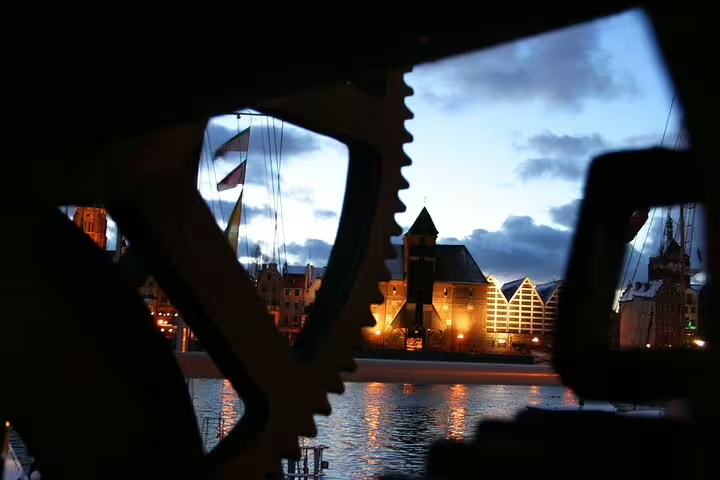
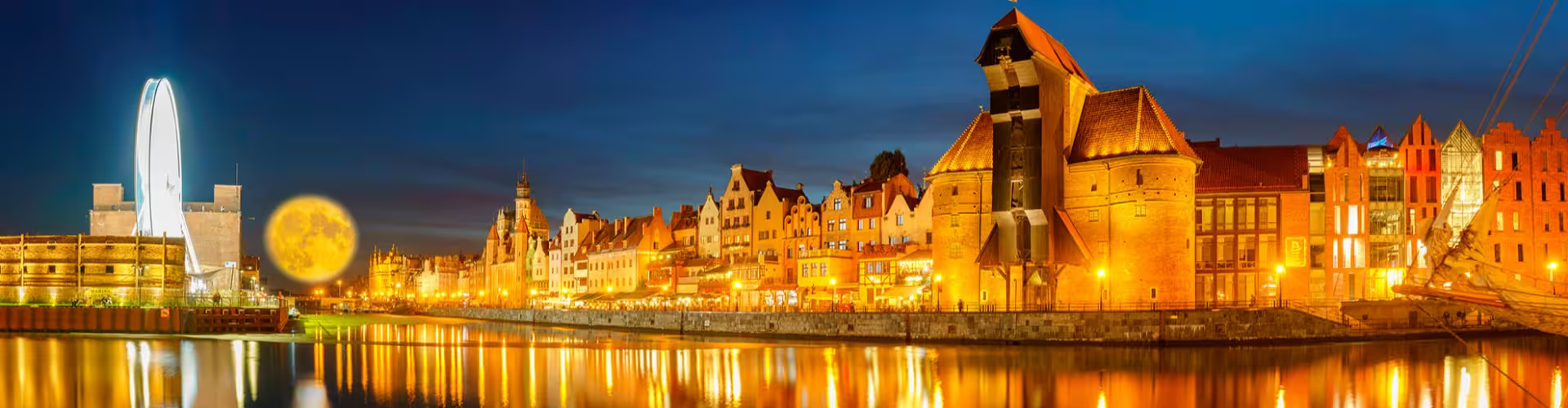
The historic center is a showcase of Hanseatic-era wealth, rebuilt with care after wartime destruction and now packed with façades, churches, and riverside views. It is one of the most rewarding places in northern Poland for photography and evening strolls. Practical tip: go early for quieter streets, then return at dusk when the riverfront lights up.
Walk the Sopot pier and beach promenade
Sopot is the classic resort stop, known for its long wooden pier, spa-town heritage, and lively summer scene. Even outside peak season, the beachfront walk is an easy mood-lifter with sea air and café culture. Practical tip: visit on a weekday to avoid the biggest crowds, especially in summer.
Discover Gdynia’s modern maritime identity
Gdynia feels younger and more modern than its neighbors, with a strong connection to shipping and the sea. The waterfront area is great for ship-spotting, museum visits, and a more local, less postcard-driven vibe. Practical tip: pair it with an easy SKM ride from Gdańsk or Sopot for a low-stress day.
Visit the WWII and Solidarity-era heritage sites
This region played a major role in 20th-century European history, from wartime tragedy to the labor movement that helped reshape the continent. Museums and memorials provide context that deepens the entire trip beyond beaches and old-town views. Practical tip: plan at least half a day and consider a guided tour if you want the clearest narrative.
Chase Baltic dunes and coastal nature
The shoreline includes stretches of sand, wind-sculpted dunes, and pine forests that feel far from the city, even when access is straightforward. Nature-focused days balance out urban sightseeing and are perfect for families and active travelers. Practical tip: pack a windproof layer, the coast can feel cooler than inland even on sunny days.
Go amber hunting and learn the craft tradition
The Baltic is famous for amber, and local shops and workshops highlight how this fossil resin shaped trade routes and design. Browsing is fun even if you do not buy, and it connects directly to the region’s maritime story. Practical tip: shop from reputable sellers and ask about provenance if you are buying jewelry.
Take a food-focused stroll through markets and milk bars
From produce stalls to casual canteens, the everyday food scene is a window into Polish comfort cooking. It is also one of the easiest ways to keep costs down without sacrificing flavor. Practical tip: go at lunchtime for the best selection, and do not be afraid to point and ask for recommendations.
Use the Tri-City as a base for easy rail day trips
One of the region’s biggest strengths is how simple it is to move between city sights and quieter coastal stops. You can build a flexible itinerary without a car, adjusting for weather and energy levels. Practical tip: stay near an SKM or mainline station to maximize spontaneity.
Start with a morning walk through Gdańsk’s historic core and along the Motława, focusing on the main streets and river viewpoints. After lunch, hop on the SKM to Sopot for the pier and promenade, then continue to Gdynia for a waterfront evening. End with dinner back in Gdańsk, choosing a spot that highlights seasonal Polish ingredients.
This route works best if you keep museum time short and prioritize walking, views, and atmosphere. If you want deeper history, swap one city stop for a dedicated museum visit.
Day 1: Give Gdańsk the time it deserves, with a slower old-town loop, a major museum focused on 20th-century history, and an evening riverside stroll. Add a neighborhood café stop to experience the city beyond the main tourist streets.
Day 2: Split the day between Sopot’s beach-town energy and Gdynia’s maritime side, using SKM to move efficiently. Build in downtime, this is the best day for a long lunch, coffee breaks, and sunset by the sea.
Day 3: Choose nature or castles depending on your interests. For nature, aim for dunes, forests, and coastal walks. For heritage, plan a focused excursion to a major landmark like Malbork, and return for a relaxed final evening meal.
Fresh Baltic fish
Expect simple, satisfying preparations that let the fish shine, often served with potatoes and salads. The flavor is clean and coastal, perfect after a day outdoors. Ordering tip: ask what is local and in season, and choose grilled or pan-fried for the clearest taste.
Śledź (herring) in classic marinades
Herring is a Polish staple, ranging from creamy to vinegar-bright versions with onions and herbs. It is bold, salty, and very traditional. Ordering tip: if you are new to it, start with a milder creamy style.
Pierogi
These filled dumplings can be savory or sweet, with popular options including potato and cheese or seasonal fruit. They are comforting and filling, ideal for budget-friendly meals. Ordering tip: try a mixed plate if available to sample different fillings.
Żurek (sour rye soup)
A tangy soup with a deep, savory base that often includes sausage and egg. It is especially satisfying in cooler months. Ordering tip: if it is served in bread, eat the crust slowly as it soaks up the broth.
Kaszanka
A hearty, rustic dish that reflects Poland’s nose-to-tail traditions. The taste is rich and best balanced with something acidic like pickles. Ordering tip: pair it with mustard and a side of fermented vegetables if offered.
Serownik and local pastries
Polish baking leans into comforting textures, from cheesecake-like desserts to poppy seed rolls and sweet buns. It is an easy way to fuel a day of walking. Ordering tip: visit a bakery in the morning for the freshest selection.
The Tri-City area is built for public transport, with SKM commuter rail linking Gdańsk, Sopot, and Gdynia quickly and frequently. Trams and buses fill in the gaps, and walking works well in historic centers and along promenades. Taxis and ride-hailing are useful late at night or when the weather turns.
If you plan to explore dunes, forests, or smaller coastal towns, regional trains and buses can still do the job, but schedules may be less frequent. For accessibility, check station elevators and tram platforms in advance, as older infrastructure can vary by stop.
Malbork Castle
Travel time: roughly 30 to 60 minutes from Gdańsk by train, depending on the service. Reason to go: one of Europe’s most impressive brick castles, a powerful window into medieval power and the Teutonic Order. It is a big site, so a guided visit can help prioritize what to see.
Hel Peninsula
Travel time: typically 1.5 to 2.5 hours depending on route and season. Reason to go: long sandy beaches and a narrow strip of land with classic seaside scenery. It is best on a clear day when you want maximum sea time.
Słowiński National Park area
Travel time: around 2 to 3 hours each way depending on connections. Reason to go: shifting dunes and a unique coastal landscape that feels almost otherworldly. Start early to make the most of daylight and reduce transit stress.
Kashubian Lake District
Travel time: often 1 to 2 hours to reach key towns by train or car. Reason to go: a slower, greener side of the region with lakes, forests, and local culture. It is a great contrast to the coast in summer.
How many days do you need for the Tri-City area?
Two to three days is a comfortable pace for Gdańsk, Sopot, and Gdynia, with time for museums and waterfront walks. If you add a castle or dune day trip, consider four days.
Is it easy to get around without a car?
Yes, the SKM and regional trains make city-to-city travel straightforward, and trams and buses cover most urban areas. A car is helpful mainly for remote nature spots or if you want maximum schedule freedom.
When is the best time to visit Pomeranian for beaches?
Mid-summer has the warmest water and the liveliest resort atmosphere, but it is also the busiest. Late June and early September can be a good compromise with fewer crowds.
What is a good day trip if you love history?
Malbork Castle is the standout, offering a dramatic medieval setting and a deep dive into regional power struggles. Plan for a long visit, the complex is extensive.
Are prices high in Pomeranian compared to the rest of Poland?
The most popular waterfront areas can be pricier, especially in peak season, but you can still travel well on a mid-range budget. Staying slightly inland and using public transport helps keep costs down.