







Walking Tours in Kraków
Krakow, Poland
7 experiences

Last updated:


Kraków rewards a trip divided between its historic centre, Wawel and Kazimierz, with a separate day for an excursion. Its historic centre joined UNESCO's World Heritage List in 1978.
Walking suits a visit focused on the Jewish Quarter, while a bike tour offers another way to explore the Old Town. The Jewish Quarter walking tour lasts 2 hours and includes a licensed city guide and commentary on synagogues, historic sites and local culture.
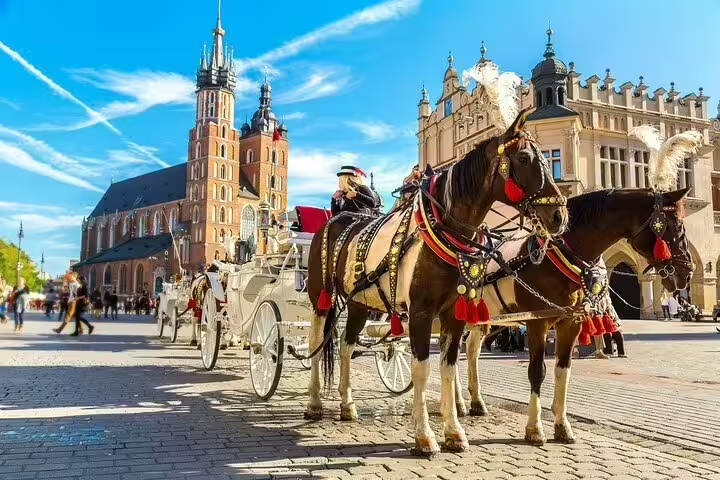
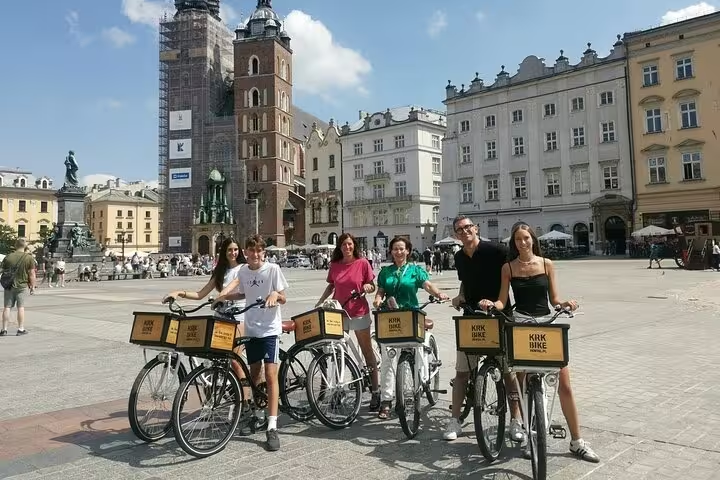
The guided bike tour through the historic Old Town takes 2 hours, including bike rental, safety equipment, riding instructions and live commentary from a local guide.
Group the Old Town with Planty, then give Wawel and Kazimierz their own attention. Planty surrounds the Old Town on the site of former defensive walls, so it provides a natural continuation of that visit. At St Mary's Church, look for the contrast between the towers, which reach 81 and 69 metres.
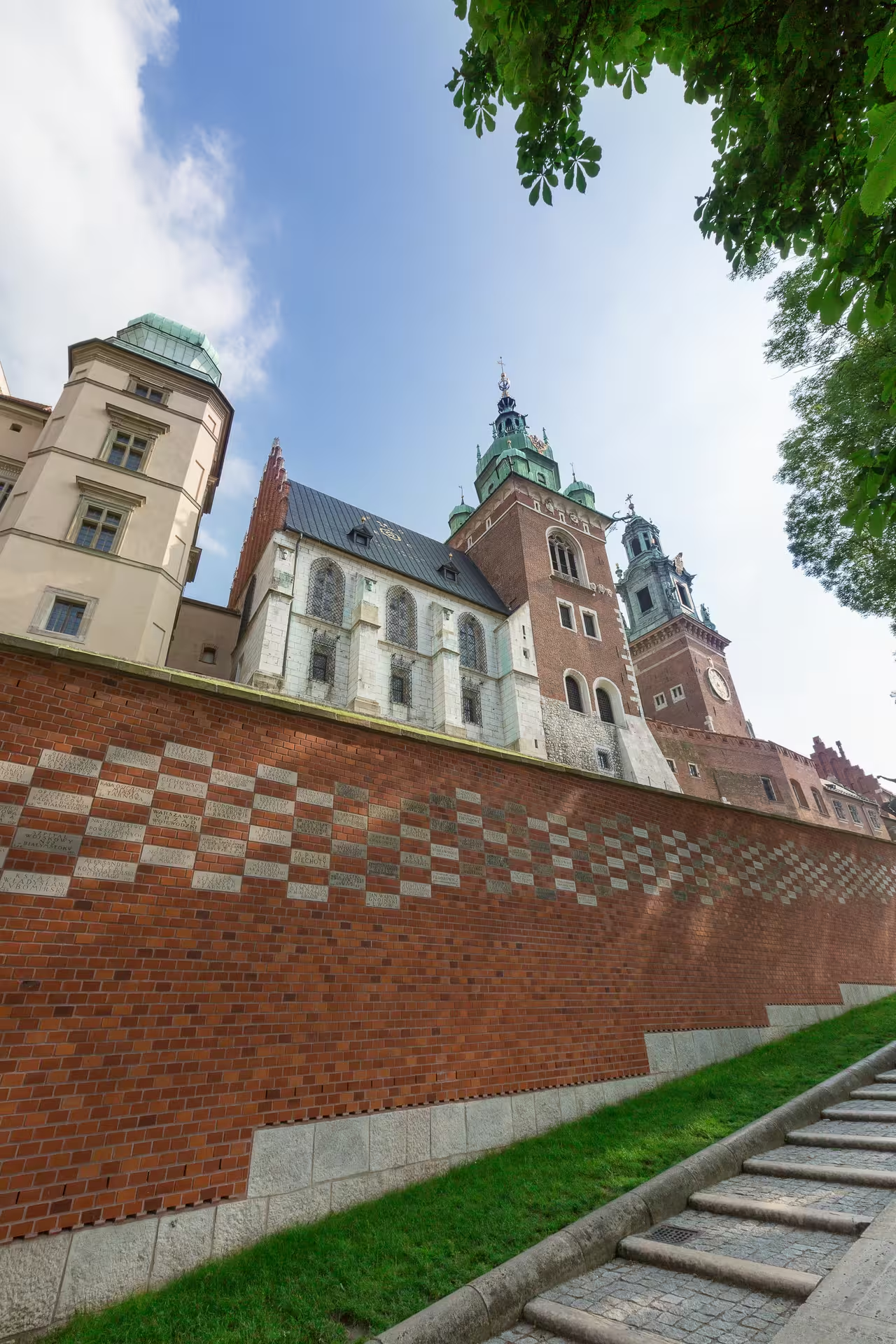
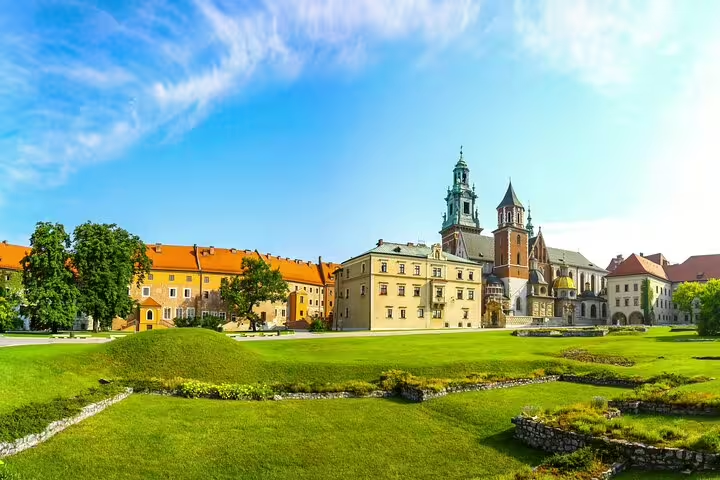
Wawel suits an art and architecture visit: the Royal Castle holds 136 surviving tapestries commissioned in Brussels for King Sigismund Augustus, while the cathedral combines different architectural styles and has about 18 chapels. Its Sigismund Chapel was finished in 1533.
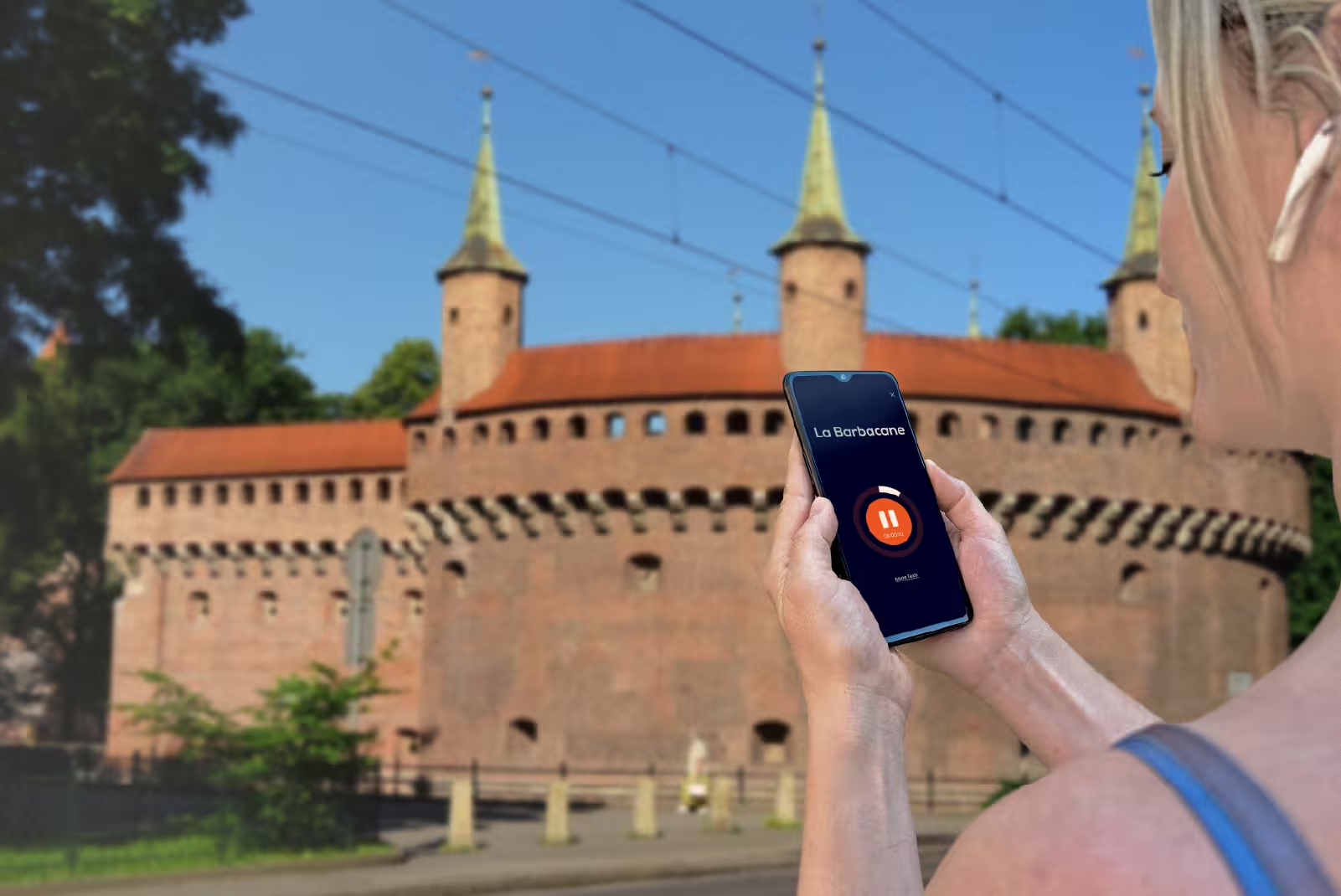
Kazimierz adds Jewish heritage to the plan, with seven synagogues in the district. The self-guided Jewish Quarter game and walking tour lasts 1 hour and 30 minutes and includes an app-based game, puzzles, challenges and stories unlocked along the way.
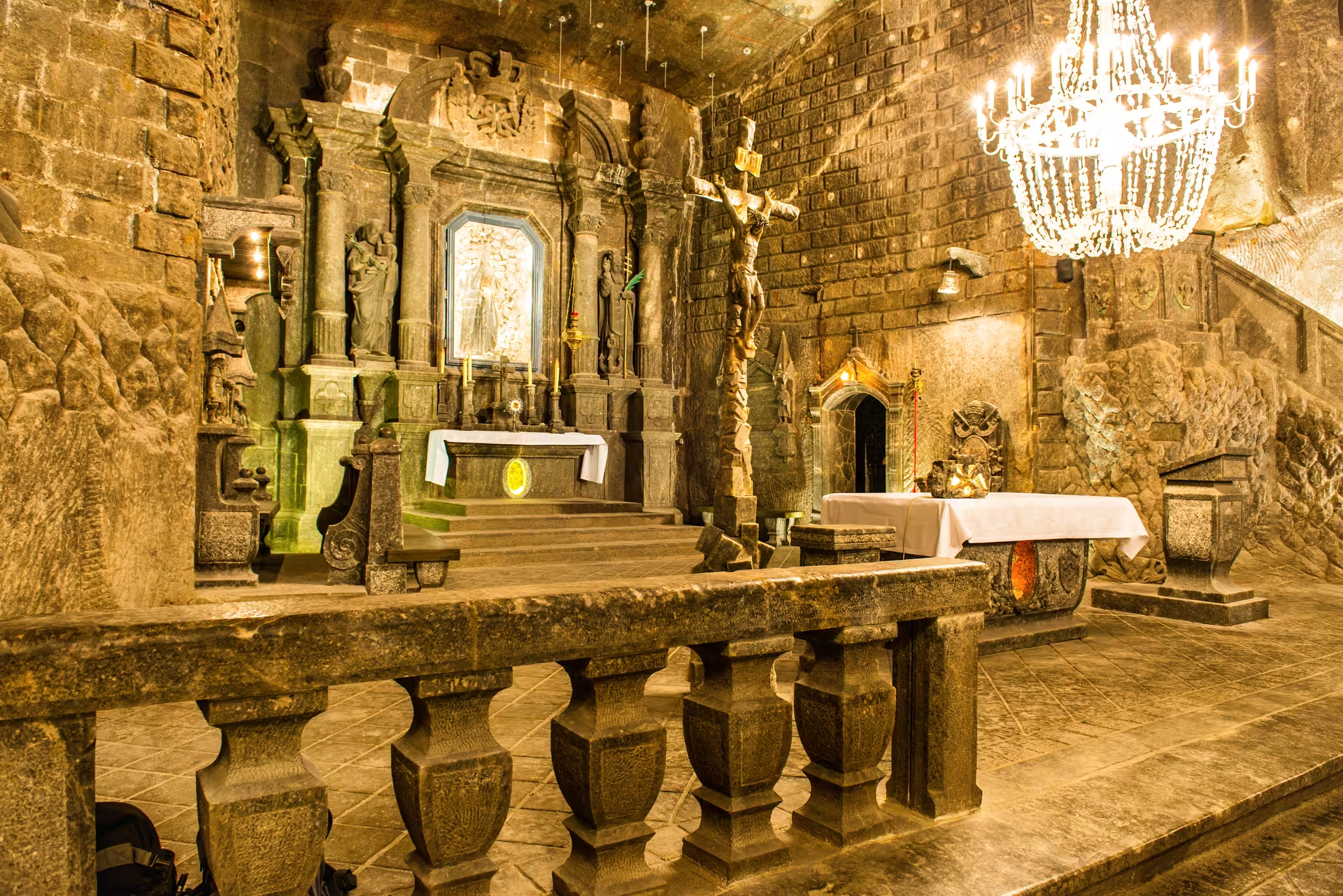
Wieliczka suits an interest in an underground setting; Auschwitz-Birkenau suits a visit focused on the history of the former camp. The salt mine extends across nine levels to a depth of 327 metres and the temperature underground is 17 to 18 °C. Those temperatures make an extra layer a sensible addition to your bag.
The Auschwitz-Birkenau State Museum was founded on the former camp grounds in 1947, and the site received UNESCO World Heritage status in 1979. Give this excursion its own day rather than combining it with the salt mine.
Three days is a useful plan: spend the first on the Old Town and Planty, the second on Wawel and Kazimierz, and the third at Wieliczka or Auschwitz-Birkenau. This is a suggested division by interest, leaving the city sights separate from the excursion.
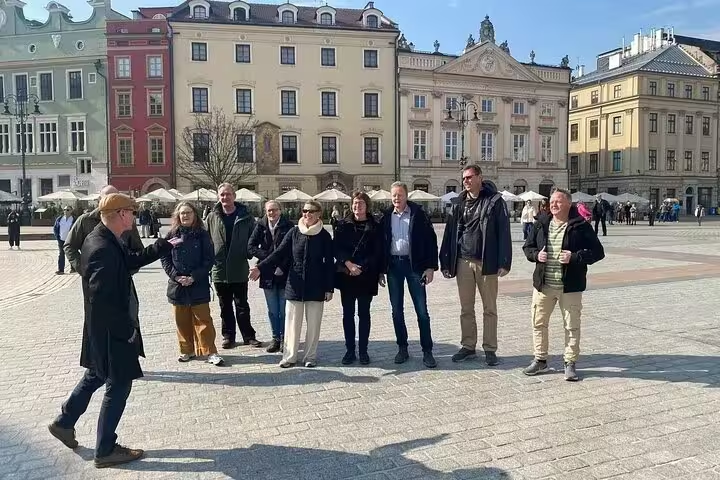
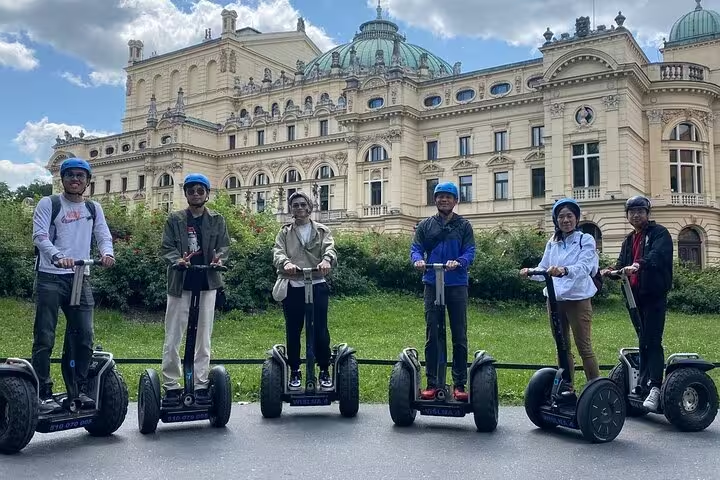
Walking, cycling and e-scooters are options for exploring the city. The guided Old Town and Jewish Quarter e-scooter tour lasts 2 hours and includes scooter rental, a licensed city guide, initial riding training and commentary at the stops. For independent exploring, e-scooter rental in Kraków lasts 2 hours and includes a charged scooter, helmet and city map.
A flexible walking plan is sensible: Kraków records about 675 millimetres of precipitation and roughly 1,455 hours of sunshine annually.
The Old Town suits a sightseeing focus around the historic centre and Planty; Kazimierz suits an interest in Jewish heritage. Let those interests guide your choice of area.
Planty covers 21 hectares.
Krakus Mound stands 16 metres tall and measures 60 metres across at its base.
The Hejnał melody has been heard across Kraków for over 600 years.