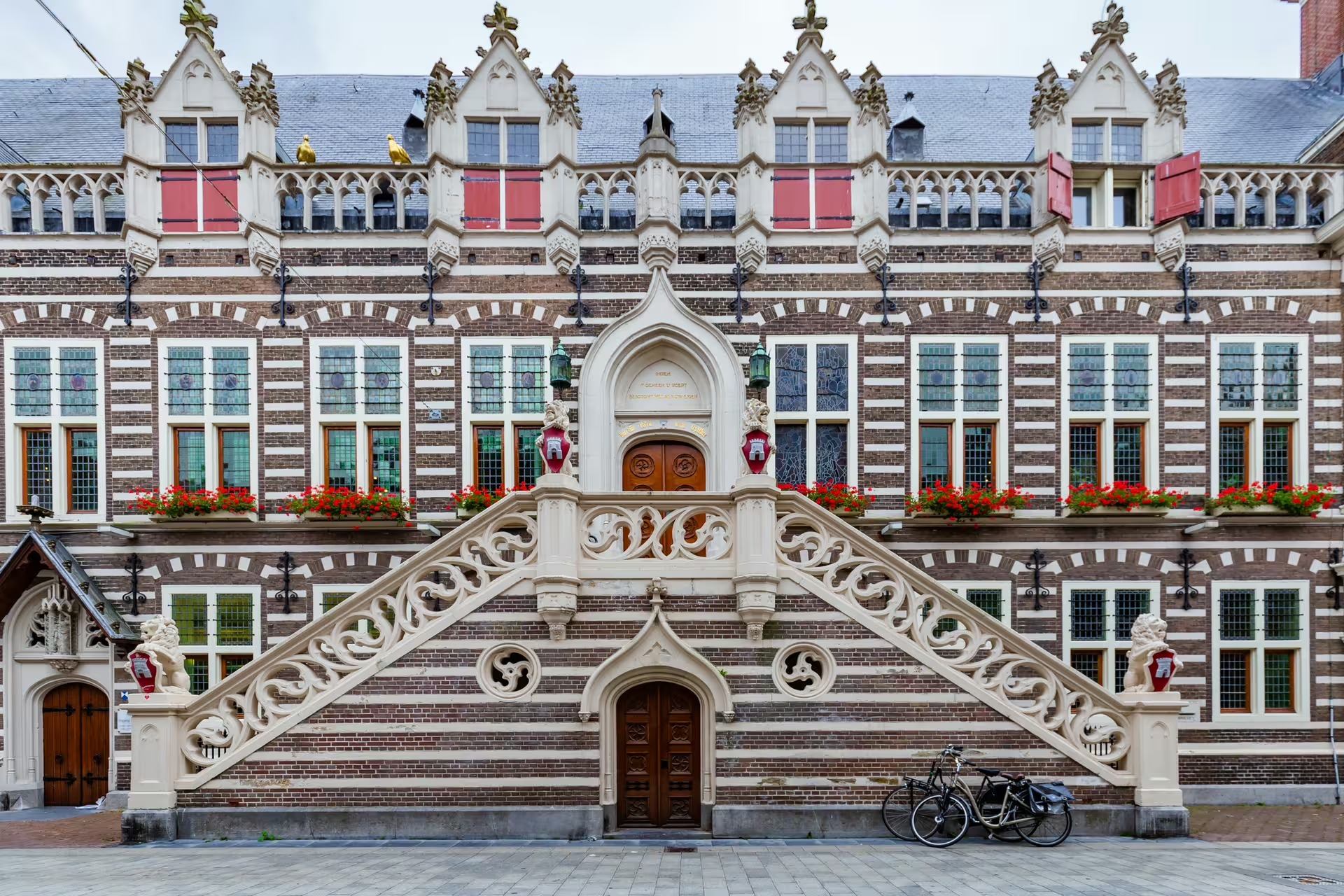
Alkmaar is a canal laced Dutch city in North Holland that balances small city ease with a story rich historic core. Think gabled facades, cobbled lanes, and waterside views that make slow wandering feel like the main attraction. It is an ideal base for travelers who want classic Netherlands scenery without the pressure of a big capital itinerary.
Alkmaar feels intimate and lived in, with a walkable center shaped by waterways, merchant era architecture, and a strong local rhythm. Come for the atmosphere of a traditional Dutch city, then stay for the way everything is close enough to explore at a relaxed pace. It is especially appealing when you want a culture focused break that still connects easily to beaches, dunes, and other North Holland towns.
Alkmaar sits in the province of North Holland in the Netherlands, within easy reach of the Randstad and the North Sea coast. The city works well as a hub because you can combine a historic center stay with trips to surrounding towns and coastal landscapes. For international arrivals, the most common gateway is Amsterdam Airport Schiphol, then you continue onward by train or car via regional connections.
North Holland has a maritime climate, so weather can change quickly and breezes are common, especially closer to the coast. Warmer months typically bring longer days and more outdoor energy along canals and terraces, but also higher visitor numbers. Cooler months offer a quieter, more local feel, and the compact center still rewards museum visits, cafes, and photogenic walks even when the sky turns grey.
The Netherlands uses the euro, and card payments are widely accepted in cities like Alkmaar. Keep a small amount of cash for small purchases and backup, but plan to pay by card most of the time. Budget wise, expect a Northern European price level, so saving comes from smart timing, walking instead of taxis, and choosing set lunches or bakeries for quick meals.
1) Wander the historic canal ring
Why it matters: The city center’s canals and bridges define the mood of Alkmaar, and the best way to understand it is on foot at street level. You will notice how the water shapes neighborhoods, sightlines, and the pace of daily life. Practical tip: Start early or go later in the day for calmer photos and softer light on facades.
2) Explore the old town streets and gabled houses
Why it matters: The architectural details, narrow lanes, and merchant era buildings give you a strong sense of Dutch urban history without needing a long commute between sights. It is a simple pleasure activity, but it is also how you find small shops and quiet corners. Practical tip: Use the canals as your navigation spine, then zigzag into side streets to avoid repeating the same loop.
3) Visit a local museum for context
Why it matters: Museums help connect the pretty scenery to the real story of trade, craft, and regional identity in North Holland. Even one well chosen visit can make the rest of your walk feel more meaningful because you recognize patterns in buildings and streets. Practical tip: If you are short on time, pick one museum and pair it with a long canal walk rather than trying to fit multiple indoor stops.
4) Take a canal side cafe break
Why it matters: Sitting by the water is part of the local experience, and it gives your day a natural rhythm between walking bursts. It is also where you can people watch and notice the city’s everyday flow. Practical tip: Choose a spot slightly off the busiest squares, then you often get a calmer view and easier service.
5) Cycle like a local in North Holland
Why it matters: Cycling is a defining Dutch habit, and Alkmaar is well placed for rides that connect town edges to open landscapes. It is a practical way to cover more ground while still feeling outdoorsy and relaxed. Practical tip: If you are not confident in city cycling, start with quieter routes outside the core and keep your pace steady and predictable.
6) Use Alkmaar as a base for the coast
Why it matters: One of the city’s strengths is how quickly you can shift from historic streets to dunes and beaches in the wider region. That variety makes it easier to build a trip that mixes culture with nature. Practical tip: Pack a light wind layer even on warm days, coastal breezes can feel cooler than you expect.
7) Shop for local food gifts
Why it matters: Food souvenirs are an easy way to bring home a sense of place, and Dutch staples travel well. Browsing also helps you understand what locals actually eat and stock at home. Practical tip: Buy close to the end of your trip so you are not carrying items all day, and ask for the best way to store anything delicate.
8) Photograph bridges, reflections, and evening light
Why it matters: Alkmaar rewards slow visual travel, with reflections on the canals and layered streetscapes that change with weather. You do not need a long list of landmarks to feel creatively satisfied. Practical tip: After rain, look for puddle reflections in cobbled lanes, then shoot low for extra depth.
Start with a morning walk through the historic center, using the canals to orient yourself and dipping into side streets for architectural details. Add a museum visit around midday to ground the scenery in local history, then take a long lunch or cafe break by the water. In the afternoon, continue on foot for a second loop that focuses on bridges and quieter lanes, then finish with early evening photos when the light softens and the center feels more atmospheric.
Day one follows the highlights route, but with more time for slow browsing, small shops, and longer canal side breaks. Day two is ideal for a cycling day, combining the edges of the city with open North Holland landscapes, then returning for a relaxed dinner and evening walk. If you have a third day, use Alkmaar as a base for a coastal or nearby town outing, then come back for a final night that feels calm and familiar because you already know your way around.
Stroopwafels
Taste profile: Thin waffle cookies with a warm caramel syrup center, sweet and buttery. Ordering tip: Ask for them fresh or warmed if available, they are most aromatic when the syrup is soft.
Bitterballen
Taste profile: Crispy fried bites with a rich, savory filling, often enjoyed with mustard. Ordering tip: Order as a snack with a drink, and let them cool briefly because the filling can be very hot.
Poffertjes
Taste profile: Small, fluffy pancakes served with butter and powdered sugar, sweet and comforting. Ordering tip: Eat them immediately, they are best when hot and airy.
Haring
Taste profile: Mild, briny Dutch herring, often served with onions and pickles. Ordering tip: If you are new to it, try it in pieces rather than the classic whole fish style.
Patat with mayonnaise
Taste profile: Thick cut fries with creamy mayo, salty and satisfying. Ordering tip: Ask for sauce on the side if you want to keep the fries crisp while you walk.
Dutch apple pie
Taste profile: Spiced apple filling with a substantial crust, often served with whipped cream. Ordering tip: Pair it with coffee during an afternoon break, it is a classic cafe choice.
The center of Alkmaar is well suited to walking, and most visitors can cover the core sights without needing transport. For longer distances, trains and regional buses connect the city to nearby towns and the wider Netherlands, making day trips straightforward. Cycling is a natural option in North Holland, but ride defensively, follow local bike lane rules, and keep an eye out for fast moving commuters, especially during peak hours.
Amsterdam
Travel time: Around an hour by train, depending on the connection. Why go: Major museums, canal belts, and big city energy make it an easy contrast to Alkmaar.
Haarlem
Travel time: Typically under an hour by train. Why go: A historic city feel with strong culture, shopping streets, and an easygoing cafe scene.
North Sea beaches and dunes
Travel time: Varies by exact beach and route. Why go: Wide skies, sea air, and dune landscapes that show the coastal side of North Holland.
Zaanse Schans area
Travel time: About an hour by train and local transit, depending on your route. Why go: Classic Dutch imagery and heritage landscapes, good for photos and a half day outing.
Yes, the central area is compact and easy to explore on foot, especially if you use the canals as a natural map. Wear comfortable shoes because cobbled streets can slow your pace.
Most travelers connect via Amsterdam and continue by train, or use a car depending on their itinerary. Check current schedules on the day you travel because connections can vary.
One day covers the historic center highlights at a comfortable pace. Two to three days is better if you want a cycling day and at least one nearby beach or town trip.
It can be, as long as you start on quieter routes and learn local bike lane etiquette. Ride predictably, signal your turns, and stay aware of faster commuters.
Bring layers, a light waterproof jacket, and something wind resistant for coastal breezes. Comfortable walking shoes help on cobbles and longer canal walks.