Maastricht is a compact, culture rich city in the southern Netherlands where medieval streets, river views, and café life create an easygoing yet sophisticated rhythm. This guide focuses on practical planning, what to do, how to get around, and how to build an itinerary that fits your pace. Expect a blend of history, design minded shopping, and food culture that feels distinctly Limburg, with a gentle international edge.
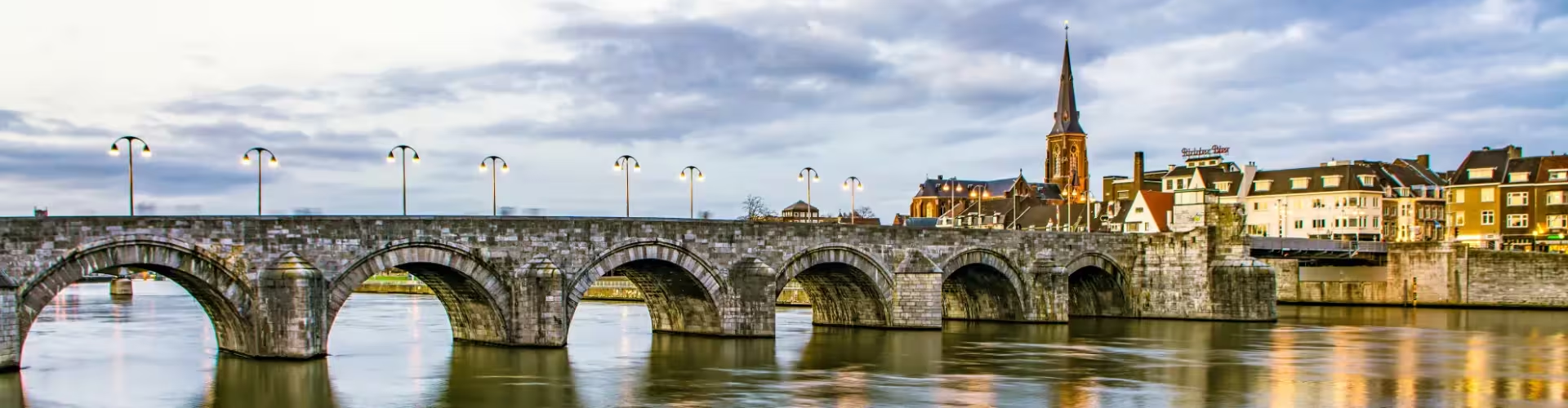
Maastricht feels polished but lived in, with a strong café culture, handsome architecture, and a walkable center stitched together by the Meuse River. It suits travelers who want art, churches, and atmospheric streets in between long lunches and scenic strolls. Go when you want a city break that is calmer than major capitals, while still delivering variety and a sense of place.
Maastricht sits in the province of Limburg at the southern tip of the Netherlands, close to the borders with Belgium and Germany. That borderland position shapes the city’s identity, you will notice it in the language mix you hear on terraces and the culinary influences on menus. For arrivals, plan around major rail hubs in the Netherlands and cross border connections, plus regional airports and nearby international airports in surrounding regions depending on your route.
Spring and early autumn often feel ideal for walking focused trips, with comfortable temperatures and a lively but not overwhelming atmosphere. Summer typically brings more visitors and longer days that suit riverside evenings, while winter can be quieter and moodier, which is great for museums, cafés, and slow exploration. Whenever you go, pack layers since conditions can shift through the day, especially near the river.
The Netherlands uses the euro, and Maastricht generally supports card payments widely, especially in central areas. Still, carrying a small amount of cash is useful for small purchases or places that prefer debit cards over credit cards. Budget wise, plan for a mid range European city break, with costs influenced by season, weekends, and any major events.
Note: The experiences below are curated for decision support and can be mixed into any itinerary. They align well with things to do in Maastricht and a classic Maastricht city break style trip.
Stroll the Historic Center
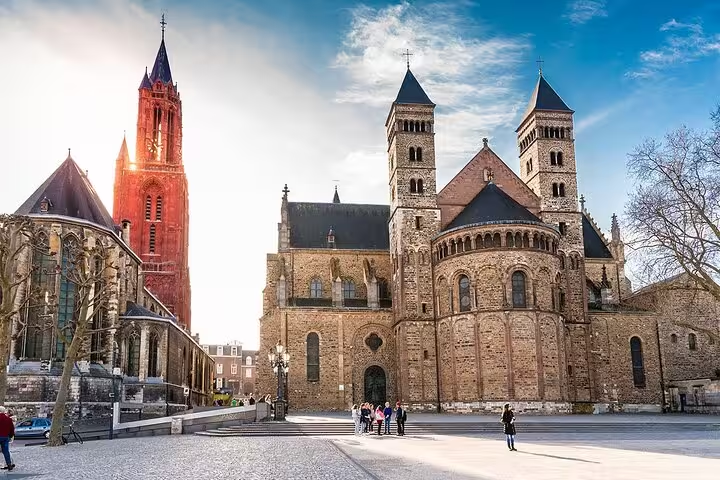
The heart of the city is made for slow discovery, with narrow streets, layered architecture, and frequent little squares that invite you to pause. It is the easiest way to understand the city’s character and how history still shapes daily life. Practical tip, go early in the day for calmer photos, then return in the evening when terraces fill up.
Walk Along the Meuse River
The riverfront provides a different perspective, open skies, reflections, and a sense of the city’s geography. It is ideal for resetting between sightseeing stops, especially if you are balancing museums with food and shopping. Practical tip, plan a golden hour walk for softer light and a more cinematic feel.
Explore Basilica and Church Interiors
Religious buildings in Maastricht are not just monuments, they are quiet spaces that reveal craftsmanship, symbolism, and the city’s long timeline. Even a short visit adds depth to your understanding of the region. Practical tip, keep your voice low and check local guidance at the entrance for any visiting etiquette.
Browse Boutique Shopping Streets
Shopping here leans toward curated and design minded rather than purely fast fashion, which makes browsing feel like part of the cultural experience. It is also a good way to pick up locally made items and gifts that feel connected to place. Practical tip, aim for weekday mornings if you prefer a more relaxed pace.
Settle into Café Culture
Cafés are a big part of the city’s social life, and they are perfect for people watching and planning your next stop. The vibe is unhurried, which makes it easy to turn a quick coffee into a longer break. Practical tip, if you want a prime terrace seat, arrive a bit before peak lunch hours.
Seek Out Viewpoints and Scenic Streets
Part of the pleasure of Maastricht is the visual rhythm, cobblestones, façades, and occasional vantage points that open up the skyline. These moments add texture to your trip without requiring formal attractions. Practical tip, build in time to wander without a strict route, that is when the best scenes appear.
Visit Museums and Cultural Spaces
Museums are a reliable option in any season and help you connect the city to wider Dutch and European stories. They also balance the trip if the weather turns wet or windy. Practical tip, consider going mid afternoon when streets are busier, you will enjoy a quieter indoor break.
Evening Food and Wine Style Dining
Dinner in Maastricht often feels like an event, with a focus on quality ingredients and a relaxed pace. The city’s border region identity shows up in menus and wine lists. Practical tip, reserve ahead for weekends if dining is a priority, especially for popular spots in the center.
Start with a morning walk through the historic center while streets are quieter, then add a riverside loop along the Meuse for open views and orientation. After lunch, focus on one cultural stop such as a museum or a major church interior, then spend late afternoon browsing boutique streets and small squares. Finish with a long dinner and a final evening stroll, the city’s lighting and terrace life are part of the experience.
On day one, follow the one day route but slow it down, allowing extra time for café breaks and unplanned detours. On day two, dedicate time to a deeper cultural track, combine museums with a more extensive river walk, and explore beyond the most central streets to see how locals live. If you have a third day, use it for a flexible mix of shopping, scenic photography, and a nearby excursion, then return for a final evening meal that leans into Limburg flavors.
Food is one of the easiest ways to understand the region’s identity. Use these ideas as a checklist for your Maastricht food guide planning, and ask staff what is seasonal or locally typical.
Limburgse vlaai
A classic regional tart that can range from fruity and bright to richer, custard like variations depending on the filling. It pairs naturally with coffee and suits a mid afternoon break. Ordering tip, ask what flavor is freshest today, then share a slice if you want to sample more than one.
Local Café Coffee and Pastry Break
A simple coffee stop becomes a cultural ritual here, especially when you take time to sit rather than grab and go. The payoff is atmosphere, people watching, and a gentle reset between sights. Ordering tip, if you want to linger, choose a terrace seat and order both a drink and something small to eat.
Seasonal Soup or Lunch Specials
Many places offer practical midday options that are comforting and efficient, ideal for travelers who want to keep moving. This is also a good budget lever compared with dinner dining. Ordering tip, ask if there is a lunch special, and check whether it includes bread or a side.
Cheese and Charcuterie Style Plates
Border region influences often show up in snack boards and shared plates, which suit casual evenings. They are excellent with local beer or a glass of wine. Ordering tip, if you are unsure what to pick, ask for a mixed selection and mention whether you prefer mild or stronger flavors.
Beer and Bitterballen Style Bar Snacks
A relaxed bar snack moment is a classic Dutch experience and works well after a day of walking. It is social, casual, and easy to fit into any itinerary. Ordering tip, order one snack to start, then add more if you are still hungry, portions can vary by venue.
Wine Leaning Dining
Compared with some Dutch cities, Maastricht often feels more wine oriented, reflecting a slightly more continental dining culture. It is a good match for a slower evening meal. Ordering tip, tell the server what you are eating and ask for a pairing suggestion within your budget.
Maastricht is well suited to walking, especially in the central areas where many highlights cluster close together. Wear comfortable shoes since cobblestones and long strolling days are common, and plan short breaks so you do not rush the best streets. For longer hops, use local public transport options and consider taxis or ride services when you are short on time, traveling with luggage, or returning late.
Safety is generally about standard city awareness, keep valuables secure in busy areas and stay alert around transport hubs. Accessibility can vary in older streets and historic buildings, so if step free access matters, it is smart to check entry conditions at individual venues and choose routes with smoother surfaces when possible.
Maastricht works well as a base because the border region geography opens up multiple nearby options. Travel times vary by route and transport choice, so confirm connections once you know your exact day and departure point.
Valkenburg
A popular nearby escape known for a change of scenery and a small town feel. It is an easy add on if you want a lighter day with a different rhythm than the city. Practical tip, go earlier to maximize daylight for walking.
Aachen (Germany)
A cross border option that adds a distinct cultural shift and a chance to compare architecture, food, and street life. It is a strong choice if you enjoy quick international hops. Practical tip, bring an ID and keep an eye on return timings so your evening stays relaxed.
Liège (Belgium)
Another cross border day that can feel more industrial and artsy depending on the areas you explore. It is a good contrast to the polished feel of Maastricht. Practical tip, plan a simple neighborhood focus rather than trying to see everything in one go.
Hills and Countryside of Limburg
The surrounding landscape offers a softer, greener counterpoint to the city, ideal for scenic drives or gentle outdoor time. It is especially appealing if you want to slow down after a museum heavy day. Practical tip, pack a light jacket and water since conditions can change quickly.
Q1: How many days do you need for a trip?
One day covers the core atmosphere and key walks, but 2 to 3 days lets you add museums, shopping, and a slower dining rhythm. Extra time also makes it easier to include a nearby excursion.
Q2: Is Maastricht a walkable destination?
Yes, the central areas are very walkable and many highlights sit close together. Wear comfortable shoes since older streets can be uneven and you will likely spend hours on foot.
Q3: What is the best season to visit Maastricht?
Spring and early autumn are often comfortable for long walks and café time, with a balanced crowd level. Summer brings longer days and a busier feel, while winter suits indoor culture and cozy breaks.
Q4: Do you need cash in Maastricht?
Card payments are widely used, but a small amount of cash can still be useful for small purchases. Keep a backup option in case a venue prefers debit over credit.
Q5: Can you do cross border day trips from Maastricht?
Yes, the border region location makes it easy to consider nearby destinations in Belgium and Germany. Confirm your transport connections and return timing so your day stays stress free.