Groningen

logoBlack

Build your dream
experience

dreamimg

More to know about Groningen


Groningen Travel Guide

Groningen is a youthful, design forward city in the north of the Netherlands where canals, bold architecture, and a strong student energy shape daily life. The compact center is easy to explore on foot or by bike, and the atmosphere feels creative rather than crowded. This guide helps you plan what to do, how to get around, what to eat, and how to build an itinerary that fits your pace.


Snapshot

Groningen blends historic streets and canal scenery with a contemporary cultural edge, driven by a large student population and a packed events calendar. It is ideal for travelers who like walkable cities, museums, café culture, and day trips into wide open northern landscapes. Go when you want a calmer alternative to the busiest Dutch hubs, with plenty of atmosphere and strong local identity.


๐Ÿ—บ๏ธ Geography and Logistics

๐Ÿ“ Orientation: Where is it within Netherlands and ? Name key gateway airports or hubs.

Groningen sits in the far north of the Netherlands, close to the Wadden Sea region and within reach of the German border. For most international travelers, the easiest gateways are the major Dutch airports and rail hubs, then onward by train to the city. Once you arrive, the center is compact and logically laid out around canals and main squares, so you can orient yourself quickly with a short walk.

๐Ÿ•’ When to Go: Seasonal breakdown. Weather patterns vs. crowd levels.

Expect a maritime climate with changeable skies, breezy days, and a real difference between long summer evenings and shorter winter daylight. Warmer months tend to feel livelier outdoors, with terraces and parks becoming part of the daily rhythm, while cooler months shift the focus toward museums, cafés, and indoor culture. If you prefer fewer crowds and a more local pace, shoulder seasons can be a comfortable compromise, with easier restaurant seating and a calmer feel in the center.

๐Ÿ’ฐ Budget & Currency: Practical money tips, local price levels, and card vs. cash advice.

The Netherlands uses the euro, and everyday spending in Groningen generally suits travelers who plan for mid range European city costs. Card payments are widely used, especially for cafés, museums, and transport, though it can be useful to carry a small amount of cash for small purchases. A practical approach is to set a daily budget that covers transit, a museum or two, and a mix of casual bites and one sit down meal, then adjust based on your travel style.


โญ Essential Things to Do List 6–10 curated experiences.

Climb the Martinitoren. The city’s iconic tower is a defining landmark and a great way to understand the layout of Groningen from above. It connects you to the city’s long history and the role of the main square as a social heart. Practical tip, go earlier in the day for clearer views and a calmer climb.

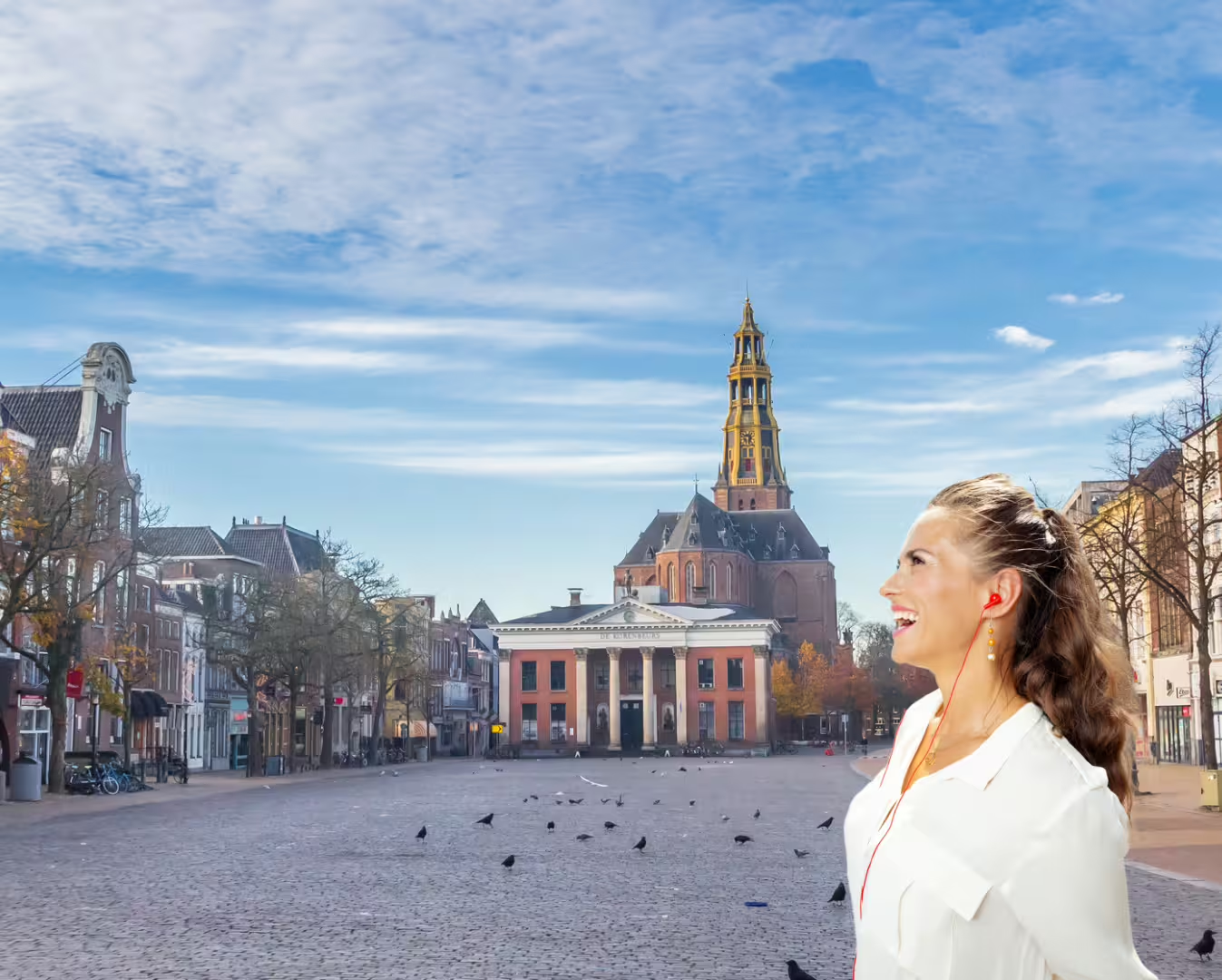
Explore the Grote Markt and surrounding streets. This is where historic façades, busy terraces, and everyday city life come together. It is a useful anchor point for navigation because many key routes radiate from here. Practical tip, use it as your reset point between museum visits and shopping streets.

Visit the Groninger Museum. Known for its striking design and contemporary approach, it is a strong choice even if you are not a dedicated museum traveler. It adds context to the city’s modern creative streak, which you will also notice in shops and public spaces. Practical tip, pair it with a canal walk afterward to balance indoor time with fresh air.

Canal side walk through the center. The canals give the city a calmer rhythm and are ideal for slow exploration. You will notice bridges, waterside houses, and pockets of green that make the city feel open despite its compact core. Practical tip, bring a light layer because breezes can pick up near the water.

Cycle like a local. Biking is part of the culture here, and it is one of the fastest ways to link neighborhoods without feeling rushed. It also helps you cover more ground if you are following a Groningen itinerary with limited time. Practical tip, stick to marked lanes, signal clearly, and lock your bike carefully.

Browse independent shops and design spots. The city has a strong independent streak, and shopping often feels curated rather than generic. This is a good way to pick up locally made gifts and get a feel for contemporary Dutch design outside the biggest cities. Practical tip, plan this for late morning or mid afternoon when you want a lower intensity activity.

Spend time in parks and green pockets. Green spaces provide a quiet contrast to the lively center and are ideal for a picnic break. They also reveal the city’s everyday routines, from students relaxing to locals walking dogs. Practical tip, pack a small snack and water so you can turn a short pause into a real reset.

Catch a performance or cultural evening. The student population supports a lively cultural scene, and evenings can feel energetic without being overwhelming. This is a good way to experience the city beyond daytime sightseeing. Practical tip, if you have a fixed schedule, book ahead for popular nights to secure better seating options.


๐Ÿšถ Curated Itineraries

โฐ The Highlights (1 Day): A fast-paced "Best Of" route.

Start at the Grote Markt to get your bearings, then head to the Martinitoren area to connect with the city’s historic core. Continue to the Groninger Museum for a concentrated dose of culture and design, then take a canal side walk to slow the pace and see how the city breathes. Finish the day with a relaxed dinner and an evening stroll through the center, keeping your route compact so you can enjoy the atmosphere rather than rushing between points.

โฐ Deep Dive (2-3 Days): Adding neighborhood exploration and local secrets.

On day one, follow the highlights route and add extra time for independent shops and café stops, especially if you enjoy people watching and local street life. On day two, focus on cycling to expand your radius, linking parks, quieter streets, and additional cultural venues, then plan a longer canal loop to see more residential corners. If you have a third day, use it for a slower morning, a long lunch, and a short day trip beyond the center so your things to do in Groningen list includes both city texture and northern landscapes.


๐Ÿฝ๏ธ Flavors of Groningen 5–7 local dishes or drinks.

Stroopwafel. A sweet, caramel filled waffle cookie that is crisp on the outside and chewy in the middle. It pairs well with coffee, especially when warmed slightly. Ordering tip, ask for a fresh one if you see them being made.

Poffertjes. Small, fluffy mini pancakes served warm, often with butter and powdered sugar. They are light but satisfying, making them a good afternoon treat. Ordering tip, share a portion if you want to save room for dinner.

Haring. Dutch herring is a classic street food experience, with a clean, briny flavor. It is often eaten simply, letting the fish speak for itself. Ordering tip, if you are unsure, start with a milder preparation or ask what toppings are available.

Patat with sauces. Dutch style fries are typically thick and served hot with a choice of sauces. It is casual, filling, and easy to eat between stops. Ordering tip, look for local favorites at the counter and choose one sauce you have not tried before.

Groningen style café culture. The city’s cafés are as much about atmosphere as they are about what is in the cup. Expect cozy interiors in cooler months and lively terraces when the weather is mild. Ordering tip, choose a seat with a view of a busy street or canal and slow down for at least one full drink and snack break.

Dutch beer and local bars. Evenings often revolve around relaxed bars rather than high intensity nightlife, which suits travelers who want a social feel without chaos. It is a good way to end a day of walking and museums. Ordering tip, ask what is on tap and start with a smaller pour if you want to sample.


๐ŸšŒ Navigation & Transport How to move between sites.

The center of Groningen is walkable, and walking is often the best way to appreciate canals, squares, and street level details. Cycling is the local default for slightly longer distances, and it can be a time saver if your itinerary includes parks or neighborhoods beyond the core. Public transport is useful for linking wider areas, while ride services can help if you are traveling late or carrying luggage, though short trips may still be faster on foot.

For safety, stay alert around bike lanes, because cyclists move quickly and have clear right of way in many areas. If you have accessibility needs, plan routes with fewer bridges and steps, and build in extra time so you can choose the smoothest paths rather than the shortest. A simple tactic is to cluster sights by area, then move between clusters using one main mode, either walking or cycling, to keep the day comfortable.


๐ŸŒ„ Beyond the Center: Day Trips 3–5 nearby destinations.

Wadden Sea coast. Head north for big skies, coastal air, and a landscape that feels distinctly different from the city. Travel time varies by route, so plan around daylight and weather. Primary reason to visit, experience the northern Dutch coast and its wide open scenery.

Smaller northern villages. The region around Groningen is dotted with quieter towns where daily life moves at a slower pace. This is ideal if you want a contrast to the city’s student energy. Primary reason to visit, atmosphere and local character in a compact setting.

German border area. A cross border outing can add variety and a different cultural feel without a major travel commitment. Plan your route in advance to keep the day smooth. Primary reason to visit, a simple international add on that broadens your trip.

Nature and cycling routes outside the city. The flat terrain makes casual cycling a realistic day trip option if you want movement and scenery. Pack layers and check conditions before you go. Primary reason to visit, fresh air and a deeper sense of the northern landscape.


โœ… Insider Tips for Travelers Bullet points of high-value "hacks": booking timed entries, avoiding "tourist traps," local etiquette, and what to pack.

  • Plan one anchor sight per half day, then fill the gaps with canals, cafés, and shopping streets so your schedule stays flexible.
  • If a museum or performance is central to your trip, book in advance when possible, especially on weekends and during school holidays.
  • Use the Grote Markt as your navigation hub, it is an easy meeting point and helps you avoid backtracking.
  • Respect bike lanes, do not step into them without looking, and keep to the side when checking maps.
  • Pack a light rain layer and a wind resistant outer layer, the weather can shift quickly near open water and canals.
  • Choose day trips based on conditions, coastal and cycling plans are best when visibility and wind are favorable.

โ“ Frequently Asked Questions, FAQ

Is Groningen easy to explore without a car?
Yes. The center is compact and walkable, and cycling is a practical way to cover more ground. Public transport and ride services can help for longer hops or late returns.

How many days do I need in Groningen?
One day covers the main landmarks and a museum, but two to three days lets you add neighborhoods and a relaxed day trip. A longer stay also gives you time for café breaks and slower canal walks.

What is the best way to get around Groningen like a local?
Cycling is the most local feeling option, especially for linking parks and areas just outside the center. If you prefer walking, cluster sights by area and use the main square as your reference point.

When is the best time of year to visit Groningen?
Warmer months bring longer evenings and more outdoor energy, while cooler months suit museums and cozy cafés. Shoulder seasons can balance comfort with fewer crowds.

Are day trips worth it from Groningen?
Yes, the northern region offers coastal scenery, small towns, and easy nature escapes that contrast with city life. Pick your day trip based on weather and how much time you want to spend in transit.