Gelderland is the Netherlands at its most varied, with river landscapes shaped by the Rhine, Waal, and IJssel, historic Hanseatic towns, and wide green spaces that feel surprisingly wild for such a compact country. It is a destination for travelers who want culture and nature in the same day, cycling between brick old towns, forest edges, and museum-quality attractions. Use this guide to plan a trip that balances iconic highlights with slower moments, like a terrace lunch in a medieval square or a sunset walk along the water.
In Gelderland, you can pair big-name museums and royal history with dunes, heathland, and river panoramas that reward unhurried exploring. The signature vibe is outdoorsy and grounded, with a strong sense of place that shifts from elegant Arnhem to storybook streets in towns along the IJssel. Go now if you want an easy-to-navigate region where day trips feel effortless, and where cycling and walking are not just activities, they are the local rhythm.
Gelderland sits in the eastern and central part of the Netherlands, bordering Germany and stretching across major river corridors. The region’s main urban anchors include Arnhem and Nijmegen, while a chain of smaller historic towns lines the IJssel. For international arrivals, most travelers route via major Dutch gateways and continue by train, bus, or car, then use local rail and cycling networks to reach towns and nature areas.
Spring and early summer are ideal for long daylight hours and comfortable conditions for cycling, walking, and terrace dining. Peak summer generally brings the biggest crowds to headline attractions and popular nature areas, so planning earlier starts helps you keep a relaxed pace. Autumn suits travelers who enjoy moody river views and forest colors, while winter is best for museum-focused days and cozy city breaks, with shorter daylight and a calmer feel.
The currency is the euro. In most towns and cities across Gelderland, card payments are widely used, so carrying only a small amount of cash is typically enough for small purchases. Budget planning is easiest when you group costs by transport, museum entry, and dining, and choose a base city that reduces daily transit time, since that often saves more than cutting back on meals.
Explore Arnhem
Arnhem blends a creative city feel with access to green spaces, making it a strong base for travelers who want museums and nature on the same itinerary. The city works well for strolling, shopping streets, and café breaks between sights. Practical tip, plan one morning for indoor culture and one afternoon for outdoor walks to keep the day balanced.
Spend time in Nijmegen
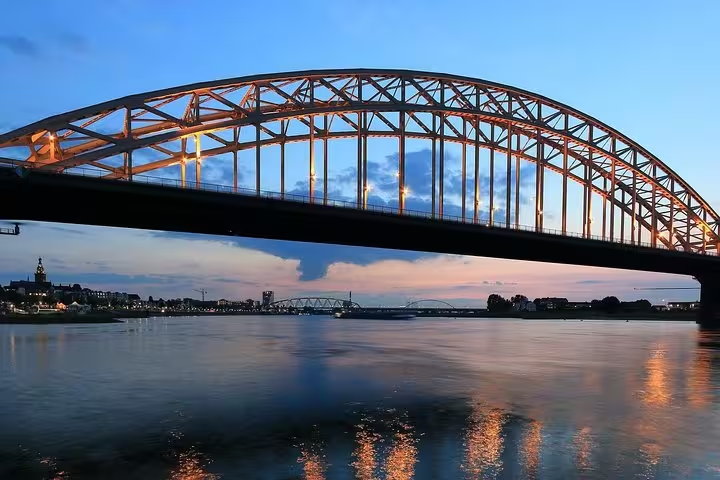
Nijmegen is one of the Netherlands’ oldest cities and has a lively atmosphere that suits travelers who like history with a modern edge. It is a good place to slow down, enjoy riverside views, and build in flexible time for local neighborhoods. Practical tip, start early if you want a quieter feel, then save the later hours for a more energetic dining scene.
Visit the Kröller-Müller Museum
The Kröller-Müller Museum is a standout for art lovers, known for combining serious collections with a setting that encourages lingering. It is the kind of place where you can alternate between galleries and fresh air, which makes it feel less rushed than a city museum day. Practical tip, prioritize a short list of must-sees, then leave time to wander so the visit feels personal rather than checklist-driven.
Discover Paleis Het Loo
Paleis Het Loo connects you to Dutch royal history and gives a sense of how power and taste shaped the country’s cultural landscape. The experience is especially rewarding if you like architecture, formal spaces, and the stories behind them. Practical tip, go with comfortable shoes, since palace visits often involve more walking than you expect.
Walk or cycle in Hoge Veluwe National Park
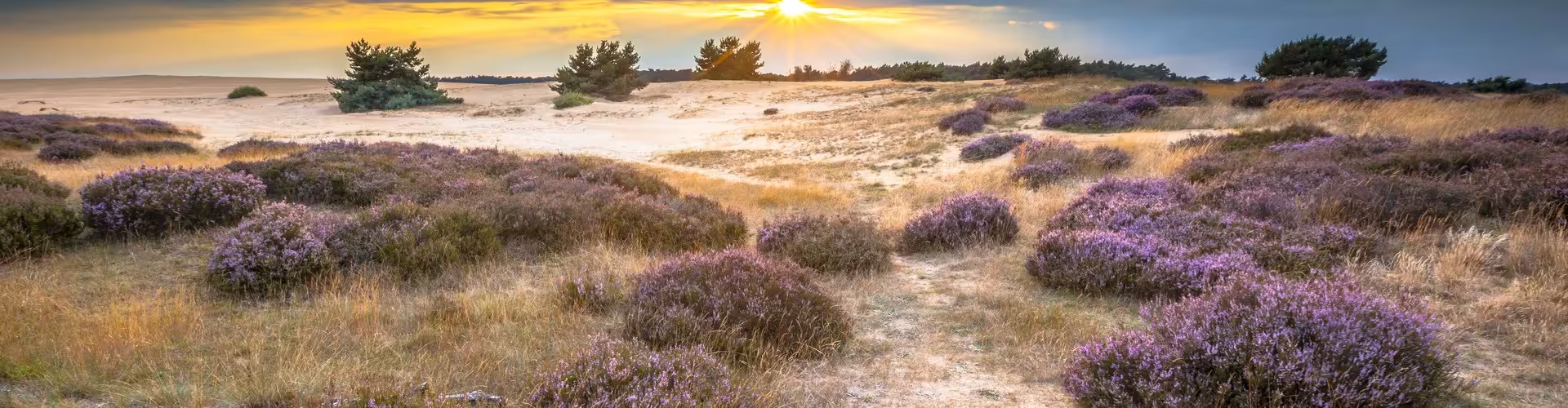
Hoge Veluwe National Park offers a classic Dutch nature experience, with open landscapes and forested stretches that feel far from city noise. It is ideal for travelers who want an active day that still feels easy and safe to navigate. Practical tip, start with a simple loop and build up, since the best day is the one that matches your energy level.
Explore the Veluwe
The Veluwe is a broad nature region that pairs well with cultural stops, so you can mix trails with museums and towns without long transfers. The area’s appeal is variety, from heathland moods to wooded calm, which makes it a strong choice for repeat visitors. Practical tip, choose one focal area per day, because spreading too wide can turn a relaxing nature break into a transit-heavy schedule.
Stroll historic Hanseatic towns along the IJssel
Towns along the IJssel carry the legacy of Hanseatic trade, with compact centers, old façades, and waterfront perspectives that feel cinematic. They are perfect for slow travel, photography, and café stops that do not require a strict plan. Practical tip, arrive mid morning and stay through late afternoon, so you catch both calm streets and golden-hour light near the river.
Follow river landscapes in the Betuwe
The Betuwe is known for its river scenery and rural character, giving you a softer, more pastoral side of Gelderland. It suits travelers who want cycling routes, dike walks, and small-town pauses rather than big-ticket sightseeing. Practical tip, pack a light layer even on mild days, since open river areas can feel cooler and breezier.
Base yourself in Arnhem or Nijmegen for a streamlined day. Start with a culture-first morning, choosing either a city museum stop or a focused visit to a major highlight like the Kröller-Müller Museum if you are already near the Veluwe. After lunch, shift to nature with a walk or cycle segment in Hoge Veluwe National Park, then finish back in town with a relaxed dinner and a short evening stroll to reset after a full day.
Day one, dedicate time to Arnhem’s city atmosphere and nearby green escapes, keeping the pace flexible. Day two, build a culture and history thread by pairing Nijmegen with a royal or heritage stop such as Paleis Het Loo, then end with a riverside sunset. Day three, slow down in the countryside or historic towns, choose the Betuwe for nature and cycling, or pick one IJssel town for a café-and-walk day that emphasizes local texture over major sights.
Seasonal Dutch soups
Expect comforting, savory flavors that suit cooler days and pair well with bread. Ordering tip, ask what the seasonal soup is, since kitchens often rotate options based on local produce.
Local bakery treats
Dutch bakeries are strong on buttery pastries and simple cakes that feel perfect with coffee. Ordering tip, choose one classic item and one staff recommendation, then share if you are sampling across the day.
Cheese boards and snack plates
A casual board is an easy way to try regional tastes without committing to a full heavy meal. Ordering tip, look for a mixed board, so you get variety and a better sense of local preferences.
Terrace lunch staples
Many cafés focus on straightforward, satisfying lunches that match a cycling day, often leaning on bread-based favorites and salads. Ordering tip, pick a lunch that fits your afternoon plan, lighter if you are walking, heartier if you are cycling longer distances.
Dutch fried snacks in a snackbar
Snackbars are part of everyday food culture, with crisp, salty bites that are quick and filling. Ordering tip, go earlier rather than very late, so you have more choice and a calmer atmosphere.
Local beer and café drinks
In cities and towns, a relaxed drink stop is a simple way to absorb the local pace. Ordering tip, ask for a local option if available, since menus often highlight nearby producers.
Getting around Gelderland is easiest when you combine trains and buses for longer connections with walking and cycling for local exploration. Cities like Arnhem and Nijmegen are comfortable for strolling, while nature areas and river routes reward a bike-friendly plan. If you are driving, use it strategically for rural areas, then switch back to walking once you are in compact historic centers, where short distances make a car more hassle than help. For safety and comfort, bring visible layers for cycling in changeable conditions, and plan extra time if you prefer step-free routes, since older town centers can include uneven surfaces.
Hoge Veluwe National Park
Travel time varies by starting point, but it is a classic day trip from Arnhem. Visit for open landscapes, fresh air, and an active reset between city days.
The Veluwe
As a broader region, the Veluwe offers multiple access points, so travel time depends on the specific area you choose. Visit for variety, especially if you want to mix short walks with scenic cycling.
IJssel Hanseatic towns
Many towns along the IJssel are well-suited to half-day or full-day outings, with travel time depending on your base. Visit for historic streetscapes, river views, and a slower, photo-friendly rhythm.
The Betuwe river area
From central bases in the province, the Betuwe can be reached as a relaxed countryside escape. Visit for dike paths, rural scenery, and a quieter side of Gelderland that pairs well with cycling.
Is Gelderland good for a first trip to the Netherlands?
Yes, it is easy to combine city culture with nature without long travel days. Basing yourself in Arnhem or Nijmegen keeps logistics simple and gives you multiple day trip options.
How many days do I need in Gelderland?
One day covers a highlights route, but two to three days lets you mix a museum day, a nature day, and a slower historic-town day. That pacing helps you avoid rushing between places.
Do I need a car to explore Hoge Veluwe National Park?
A car can be convenient for certain rural connections, but it is not the only way to plan a visit. Many travelers combine regional transport with walking and cycling once they arrive.
What is the best season to visit Gelderland for outdoor activities?
Spring through early autumn is typically the most comfortable window for cycling and walking, with longer daylight. Summer can be busier, so earlier starts help you keep a relaxed pace.
Can I combine Paleis Het Loo and a city like Nijmegen in one day?
Yes, it can work well if you plan a clear morning and afternoon split and keep meals simple. Build in buffer time so the day stays enjoyable rather than rushed.