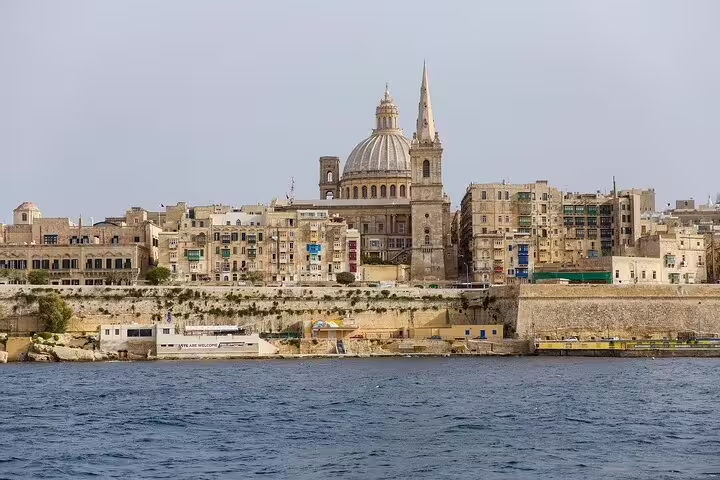
Birgu, also known as Vittoriosa, is one of Malta’s most atmospheric historic towns, defined by golden limestone lanes, fortified walls, and a waterfront that still feels connected to its maritime past. It is the kind of place where slow walks reward you with quiet corners, harbor views, and details carved into doorways and balconies. For travelers planning a culture forward day in the Port Region, Birgu delivers a high concentration of heritage in a compact, walkable setting.
Birgu has a dignified, lived in vibe, a fortified peninsula where history is present in the street plan, the stonework, and the harbor horizon. Go for layered storytelling, scenic promenades, and an easy pairing with the other Three Cities across the water. It is especially appealing when you want a destination that feels intimate and authentic, while still being close to Malta’s main transport and lodging hubs.
Birgu sits in Malta’s Port Region, facing the Grand Harbour and close to the other historic Three Cities, Senglea and Cospicua. The most common gateway is Malta International Airport, then onward to the harbor area using a mix of road transport and local connections. Many travelers also approach from the Valletta side of the Grand Harbour, treating the crossing and waterfront approach as part of the experience.
Timing in the Port Region is often about balancing light, heat, and crowd levels. Warmer months bring brighter sea views and longer evenings, but also stronger sun and busier promenades. Cooler periods can be more comfortable for walking the hilly lanes and lingering at viewpoints, with a calmer pace that suits photography and heritage focused visits.
Malta uses the euro, and in a compact destination like Birgu, you will likely spend most on meals, small attractions, and transport connections rather than long commutes. Cards are widely used in Malta, but carrying some cash is helpful for small purchases and quick stops. If you are planning a full day, set a flexible budget that covers a sit down meal, a few paid entries if you choose them, and a return trip across the harbor.
Note: Experiences below focus on what Birgu is known for, without listing specific ticket prices or opening hours.
1) Walk the historic streets of Birgu
The town’s appeal is in its texture, narrow lanes, honey colored stone, and a sense that the street layout was built for defense and community rather than cars. A slow walk helps you notice details like old thresholds, carved plaques, and shifting harbor views.
Practical tip: Start earlier in the day for softer light in the lanes, then return toward the waterfront later for golden hour photos.
2) Explore the Grand Harbour waterfront
The waterfront is where Birgu opens up, with wide views across the harbor and a strong maritime character. It is ideal for a relaxed stroll, people watching, and understanding why this area mattered strategically for Malta.
Practical tip: If you are visiting multiple harbor towns, plan your route so the waterfront becomes your natural connector between stops.
3) Discover the Three Cities perspective
Seeing Birgu as part of the Three Cities adds context, these neighboring towns share a fortified identity and a working harbor rhythm. This is a great way to avoid a one note visit and instead build a fuller Port Region day.
Practical tip: Keep a flexible schedule, short distances can still take time when you stop frequently for photos and viewpoints.
4) Seek out viewpoints and photo angles
Because the town sits on a peninsula, you are rarely far from a shift in perspective, a corner that frames the harbor, a staircase that opens to skyline views, or a quiet lane with dramatic shadows. Photographers will enjoy how limestone reflects light and how the harbor adds depth to compositions.
Practical tip: Pack a lens cloth and water, the combination of sea air and sun can affect comfort and gear.
5) Focus on heritage and fortifications
The Port Region is defined by defense architecture, and Birgu is a prime place to appreciate how fortifications shaped daily life. Even without going deep into military history, you can feel the logic of protected edges, controlled entrances, and lookout points.
Practical tip: Wear shoes with grip, stone steps and sloped lanes can be smooth underfoot.
6) Take a slow café or waterfront break
Part of the appeal here is pacing, a short rest lets you absorb the atmosphere and watch the harbor movement. It also helps you reset before another round of walking through lanes and stairways.
Practical tip: If you are sensitive to sun, choose a shaded seat and plan your longest walk for later in the day.
7) Pair the visit with a harbor crossing
Approaching or leaving by water from the Valletta side is one of the most memorable ways to connect the Port Region. It reinforces the idea that the harbor is the main “street” linking communities.
Practical tip: Check conditions and timing locally, then build in a buffer so you are not rushed at the end of your day.
8) Shop for small local finds
Small purchases can be a meaningful way to support local businesses and bring home something tied to place rather than a generic souvenir. In historic towns, you often find items inspired by maritime life, stonework motifs, or Maltese craft traditions.
Practical tip: Keep purchases light if you plan to walk onward to other Three Cities areas.
Start with a morning walk through the older lanes to enjoy cooler temperatures and quieter streets. Midday, shift to the Grand Harbour waterfront for wide views and a relaxed lunch break. In the afternoon, connect your route to nearby Three Cities areas for extra viewpoints, then return to Birgu for a final harbor promenade as the light warms and the atmosphere becomes more local and unhurried.
Day one, focus on orientation, walk the core streets, identify your favorite viewpoints, and get a feel for how the peninsula is shaped by fortifications. Day two, build a Three Cities day that treats Birgu as the anchor, then add longer waterfront time and slower meal breaks to absorb the harbor rhythm. If you have a third day, use it for photography and details, returning to the same streets at different times to see how shadows, light, and sea air change the mood.
Food in the Port Region is often about Maltese comfort flavors, Mediterranean influences, and simple ingredients done well. Use these ideas as a tasting checklist when you sit down for a meal or scan a menu.
Birgu is best explored on foot, especially the older lanes where the experience depends on slow walking and frequent stops. For moving between the Port Region hubs and the Three Cities, combine walking with local public transport or short rides as needed, depending on your schedule and mobility. If you are crossing the harbor, water connections can be a scenic alternative to road routes.
Accessibility can vary, expect steps, uneven stone, and sloped streets in historic areas. For comfort and safety, wear supportive footwear, carry water in warmer weather, and plan short breaks so you can enjoy the town without rushing.
Is Birgu worth visiting on a short Malta trip?
Yes, it works well as a half day to full day destination because it is compact and walkable. It also pairs naturally with the other Three Cities for a fuller Port Region experience.
How much time should I plan in Birgu?
A few hours is enough for a highlights walk and waterfront time. If you enjoy photography, history, and slow meals, a full day gives you a more relaxed pace.
What is the best way to get around once I arrive?
Walking is the main way to experience the lanes and viewpoints. For connections beyond the immediate area, use local public transport, short rides, or a harbor crossing depending on your route.
When is the best time of day for photos?
Early morning is ideal for quieter streets and softer shadows in narrow lanes. Late afternoon and early evening often give the waterfront warmer light and more dramatic harbor views.
Is the area suitable for travelers with limited mobility?
Some parts can be challenging due to steps, slopes, and uneven stone. A slower plan with more breaks, and focusing on the waterfront promenades, can make the visit more comfortable.