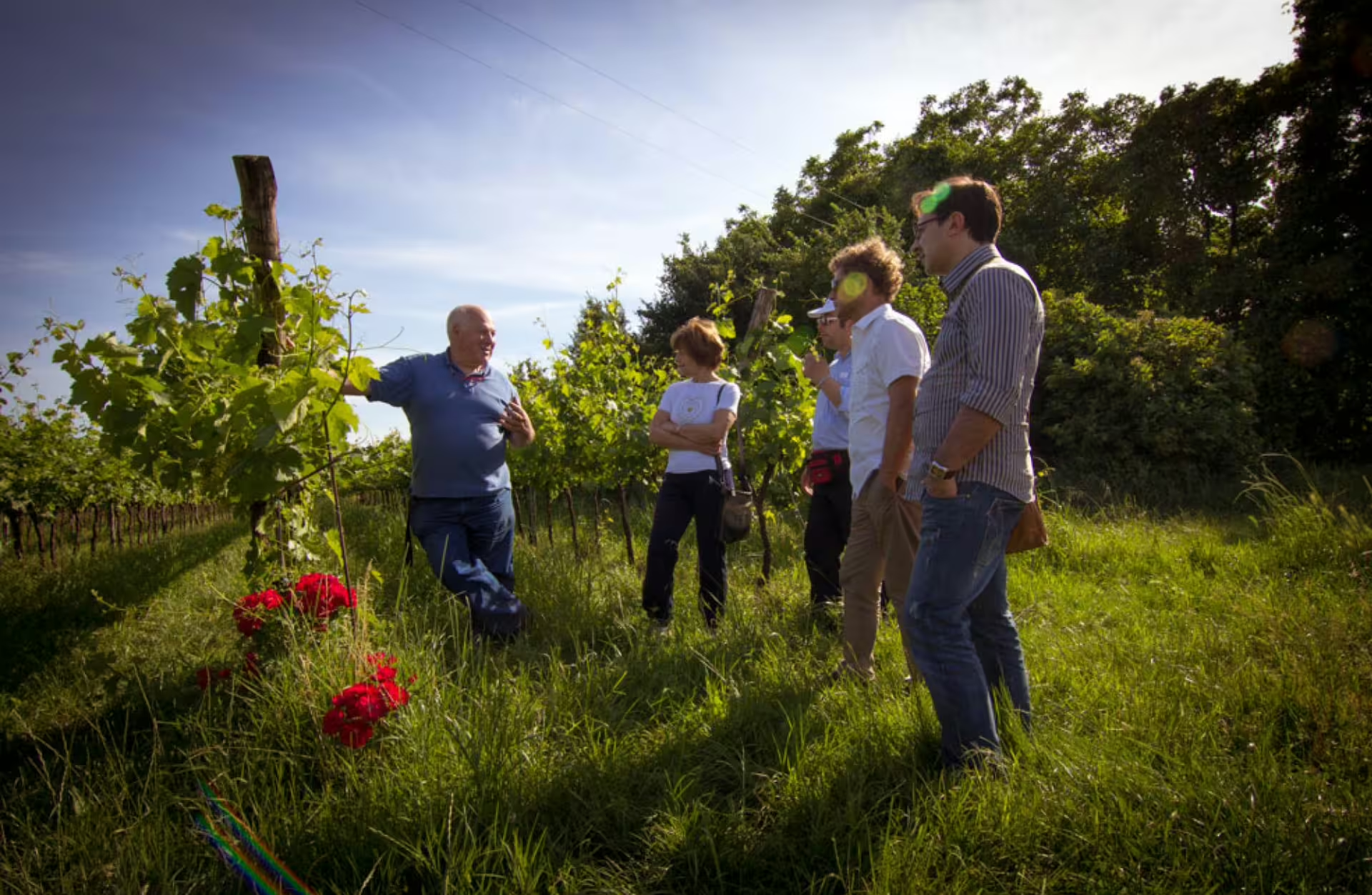





Due Carrare

logoBlack

Build your dream
experience

dreamimg

More to know about Due Carrare


Due Carrare Travel Guide

Due Carrare is a calm, lived-in corner of the Veneto countryside where everyday Italian rhythms feel close to the surface, from small-town streets to wide agricultural landscapes. It works especially well for travelers who want a base near Padua while keeping the pace slower and the atmosphere more local. Use this guide to plan practical logistics, choose what to prioritize, and connect the town to the wider Euganean Hills area.


Snapshot

Due Carrare suits travelers who like quiet mornings, short drives to bigger sights, and evenings that feel unhurried. The signature vibe is rural Veneto with easy access to Padua’s culture and the Euganean Hills’ nature. Go now if you want to balance day trips with downtime, and prefer a less crowded base than major city centers.


🗺️ Geography and Logistics

📍 Orientation: Where is it within Padua and Italy?

Due Carrare sits in the Province of Padua in the Veneto region of northern Italy, positioned between the city of Padua and the Euganean Hills area. This geography makes it a practical hub for travelers who want quick access to Padua’s museums and piazzas, plus countryside scenery and smaller villages. For gateways, the most convenient approach is typically via regional transport hubs around Padua and the wider Veneto rail network, then continuing by local connections or car depending on your itinerary style.

🕒 When to Go: Seasonal breakdown

Travel timing here is mainly about balancing weather comfort with crowd levels in nearby headline destinations. Warmer months tend to support longer outdoor days for countryside walks and day trips, while cooler months can feel more relaxed for city-focused plans in Padua. Shoulder seasons often offer a strong compromise, with comfortable temperatures for exploring and fewer peak-day pressures on transport and parking in popular areas.

💰 Budget & Currency: Practical money tips

Italy uses the euro, and in a smaller town like Due Carrare, it is smart to carry some cash for small purchases even if you mainly pay by card. Budget expectations depend on whether you rely on a rental car, how many day trips you stack into a short stay, and whether you prioritize sit-down meals or quick bites. A simple way to control costs is to cluster sights by area each day, reduce backtracking, and keep a small cash reserve for low-value transactions.


⭐ Essential Things to Do

1) Slow-town walking loop
The best way to understand Due Carrare is on foot, at a pace that lets you notice the everyday details that define small-town Veneto. This is where you pick up on local routines, the quiet between destinations, and the sense of space that city breaks rarely offer. Practical tip, plan your walk for early morning or late afternoon when the light is softer and the streets feel most atmospheric.

2) Use it as a base for Padua
Staying in Due Carrare can make Padua feel more approachable, especially if you prefer returning to a calmer setting after a busy day of art, architecture, and cafés. Padua’s historic center rewards unstructured time, so it helps to keep your schedule flexible rather than overbooking every hour. Practical tip, start earlier on day-trip days to minimize transit friction and to keep your afternoon open for spontaneous stops.

3) Countryside photography and open landscapes
The surrounding landscape is part of the appeal, with wide views that shift through the day and across seasons. Even short detours can deliver a strong sense of place, especially for travelers who enjoy photographing rural Italy beyond postcard cities. Practical tip, aim for golden hour for warmer tones and stronger depth in your shots.

4) Euganean Hills style day in nature
The Euganean Hills area nearby brings a different texture to a Veneto itinerary, with a more natural profile and a slower, outdoors-oriented rhythm. Pairing a nature day with a Padua day creates a satisfying contrast, culture one day and landscape the next. Practical tip, bring layered clothing and comfortable shoes so you can adapt if temperatures change.

5) Local café routine
In smaller towns, the café is not only about caffeine, it is a social rhythm and a small window into everyday life. Taking time for a simple coffee break can reset your day and help you travel with more intention. Practical tip, keep your order simple, watch how locals do it, and adjust your timing to match the flow of the room.

6) Market-style shopping mindset
Even without pinning your trip to specific market days, you can travel with a market mindset, looking for seasonal produce, local pantry staples, and small edible souvenirs typical of the Veneto. This approach is also a budget win because it supports picnic lunches and easy dinners. Practical tip, pack a reusable tote and plan a light meal around what looks best that day.

7) Build a “two-speed” itinerary
Due Carrare works best when you alternate higher-energy sightseeing days with slower recovery days. That rhythm keeps you from burning out and makes the trip feel more like a holiday than a checklist. Practical tip, after a Padua day, reserve the next morning for a relaxed start and a short local walk.

8) Evening unwind in a quieter base
The conversion value of a smaller base is the evening experience, fewer crowds, less noise, and a stronger sense of being in Italy rather than in a visitor corridor. Even if your days are packed, your nights can feel restorative. Practical tip, keep one evening unscheduled so you can follow local cues on where to eat and when to head out.


🚶 Curated Itineraries

⏰ The Highlights (1 Day)

Start with a calm morning in Due Carrare and a short local walk to set the tone, then plan a focused day trip into Padua for your main cultural sights. Keep lunch flexible so you can adapt to what you discover, then return to your base for a slower evening. This one-day structure works well when your priority is efficiency without sacrificing the relaxed pace that makes a smaller town worthwhile.

⏰ Deep Dive (2-3 Days)

Day 1, use Due Carrare as your decompression day, settle in, walk locally, and map out your transport plan for the next two days. Day 2, dedicate the day to Padua, then return for a quieter dinner and early night if you want to maximize the next morning. Day 3, shift toward the Euganean Hills area for a nature-forward day, balancing viewpoints, short walks, and unhurried meal breaks.


🍽️ Flavors of Due Carrare

Risotto
Expect a creamy texture and a comforting, slow-cooked feel that reflects northern Italian cooking. Ordering tip, ask what the seasonal version is, it is often the best indicator of what is freshest.

Polenta
Polenta is a classic in northern Italy, with a mellow corn flavor that pairs well with richer sauces and hearty dishes. Ordering tip, if you see it paired with a local specialty, choose that combination for a more regional experience.

Bigoli-style pasta
Thicker strands and a satisfying bite make this style feel substantial, especially when served with savory sauces. Ordering tip, choose house specialties rather than customizing, kitchens often do their best work on their signature combinations.

Seasonal vegetables and simple contorni
In the Veneto, side dishes can be a highlight, especially when vegetables are prepared simply and served at peak season. Ordering tip, add one or two contorni to share, it is an easy way to widen your meal without overspending.

Local cheese and salumi boards
A board is a low-effort, high-reward way to taste the region and build a meal around conversation. Ordering tip, ask for a mixed selection and treat it as a slow course rather than a quick snack.

Espresso and café culture
Coffee is part of the day’s structure, not just a drink, and the simplest orders often feel most authentic. Ordering tip, if you want a quick stop, order at the bar and keep it brief like locals do.


🚌 Navigation & Transport

Getting around Due Carrare and its surroundings is easiest when you decide upfront whether your trip is car-based or hub-based. Walking works well for local pacing and short loops, but day trips to Padua and the Euganean Hills area may be simpler with a car depending on your exact route and schedule. If you use public transport, build in buffer time for connections and keep your day plan geographically tight to reduce transit complexity.

For safety and comfort, stick to well-lit routes at night and plan returns before very late hours if you are unfamiliar with the area. Accessibility can vary by route and surface, so choose flatter walking loops and confirm transport options if you have mobility needs. A practical approach is to set one “anchor” activity per day, then fill the rest with nearby stops so you are not constantly on the move.


🌄 Beyond the Center: Day Trips

Padua
Travel time varies by your transport choice. The reason to go is simple, a dense concentration of culture, historic streets, and a classic Veneto city atmosphere that complements a quieter base.

Euganean Hills area
Travel time varies by your route. Visit for a nature-forward day that contrasts with city sightseeing, with landscapes that encourage slower travel and scenic pauses.

Veneto countryside villages
Travel time varies by which village you choose. The main draw is the chance to experience smaller communities, local food rhythms, and quieter streets away from major visitor corridors.

Wider Veneto rail and city network
Travel time varies by destination. This is your flexible option for adding another city or landmark without changing bases, especially if you plan around a single strong highlight rather than trying to do too much.


✅ Insider Tips for Travelers

  • Plan your trip as a mix of one major day trip and one slower local day, it keeps the pace sustainable.
  • Carry some cash for small purchases, and keep cards for larger payments.
  • Start day-trip mornings earlier to reduce crowd pressure and to keep afternoons flexible.
  • Pack layers, countryside temperatures can feel different from city streets, especially across seasons.
  • Cluster stops by geography each day, it reduces backtracking and makes transport simpler.
  • Keep one evening unscheduled, it is often when the most memorable local moments happen.

❓ Frequently Asked Questions, FAQ

Is Due Carrare a good base for visiting Padua?

Yes, it can be a practical base if you want a quieter place to return to after busy sightseeing. Plan your day trips with extra buffer time so you are not rushed.

How many days do you need in Due Carrare?

One day works for a calm stopover and a local walk, while 2 to 3 days lets you combine Padua with a countryside or Euganean Hills day. The ideal length depends on how many day trips you want.

Do you need a car in Due Carrare?

A car can make countryside exploration and flexible day trips easier, especially if you want to move between rural areas efficiently. If you prefer public transport, keep your plan tight and allow extra time for connections.

What is the best time of year to visit Due Carrare?

Due Carrare can work year-round, but many travelers prefer shoulder seasons for comfortable weather and fewer peak pressures. Warmer months are better for longer outdoor days and countryside scenery.

What kind of trip is Due Carrare best for?

Due Carrare is best for travelers who want a slower pace, rural atmosphere, and easy access to Padua and the wider Veneto area. It suits short breaks, relaxed bases, and itineraries built around day trips.