Perugia is a lively hilltop capital in Umbria with layered Etruscan, medieval, and Renaissance character, plus a modern student energy that keeps the streets animated year round. For practical planning, Best things to do in Perugia usually means pairing a compact historic center with a few signature viewpoints, underground passages, and food focused stops you can fit into a short stay.
Perugia sits in central Italy, in the region of Umbria, between Tuscany and the Apennines. It works well as a base for central Italy rail routes and road trips, with onward connections to cities such as Florence and Rome depending on your route.
Spring and early autumn are popular for comfortable walking weather and clear views from the hilltop. Summer brings a busier calendar and warmer afternoons, while winter is quieter and can be better for museums and long meals.
Expect mid range pricing for meals and attractions compared with larger Italian cities, with better value outside peak weekends and major events. Cards are widely used, but carrying some cash helps for small cafés, markets, and quick purchases.
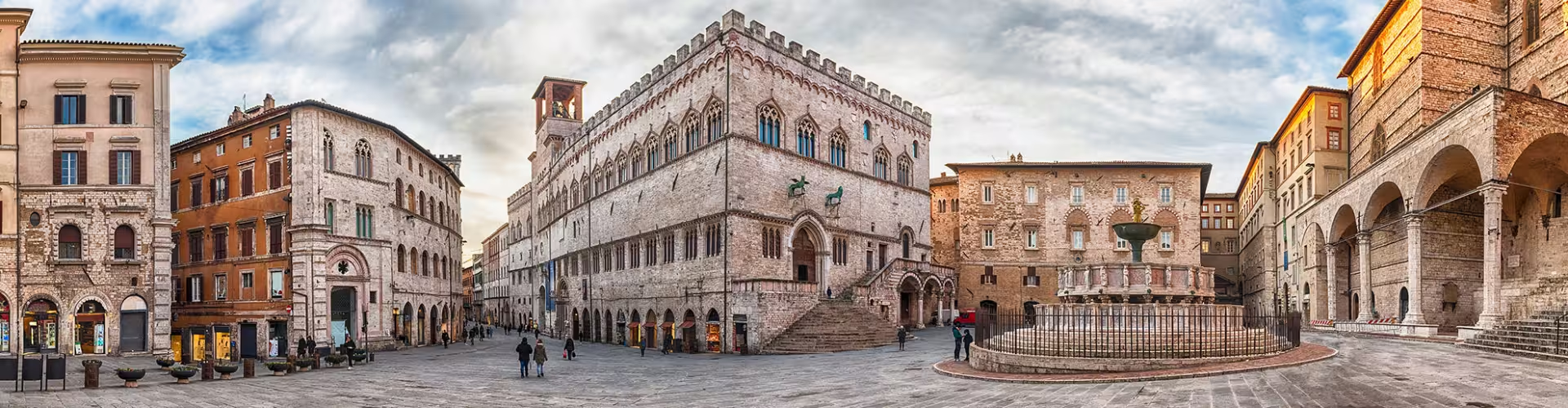
Start in Piazza IV Novembre, then circle Fontana Maggiore, the Cathedral, and Palazzo dei Priori in the morning. After lunch, follow Corso Vannucci and detour to the Arco Etrusco, then finish with the Rocca Paolina underground walk and a sunset viewpoint.
Use day one for the classic historic center circuit, then slow down on day two with a longer café break and time for side streets beyond the main axis. Add extra stops that match your interests, such as more time on panoramic terraces, chocolate focused shopping, or a longer museum visit if you prefer indoor culture.
Keep the first two days city focused, then reserve the third for a nearby excursion into the Umbrian countryside or another hill town. This balance is often the most comfortable way to cover Best things to do in Perugia without rushing steep streets and stairways.
Perugia’s historic center is best explored on foot, but expect steep gradients, steps, and occasional cobblestones. Escalators and covered passages, including the Rocca Paolina route, can help you move between lower and upper levels efficiently, especially in bad weather.
For areas outside the core, local buses and taxis can reduce uphill walking, and they are useful if you are arriving with luggage. If mobility is a concern, plan fewer elevation changes per day and prioritize the easiest routes between major sights.
This Perugia destination page focuses on key planning details for visiting the Umbrian capital, from core landmarks to pacing and day trip options. It was written by Toursxplorer.com to help travelers navigate Perugia with clear priorities and realistic timing.
Q1. How many days do you need to see Perugia at a comfortable pace?
One full day covers the main historic center highlights, while two days lets you slow down and add museums, viewpoints, and longer meals. If you also want a nearby excursion, three days fits Best things to do in Perugia without rushing.
Q2. Are the main sights in Perugia close together?
Many top landmarks cluster around Piazza IV Novembre and along Corso Vannucci, so distances are short. The main challenge is elevation change, so plan breaks and use covered routes like Rocca Paolina when helpful.
Q3. What is the easiest area to use as a meeting point in the historic center?
Piazza IV Novembre is the most straightforward reference point because several major landmarks sit right there. It also makes it easy to branch out to the Cathedral, Palazzo dei Priori, and nearby lanes.
Q4. How should you plan for weather when visiting Perugia?
In warmer months, schedule outdoor walking for mornings and late afternoons, and keep midday for indoor stops or shaded passages. In wet weather, prioritize covered routes and museums, and keep your route compact to reduce slippery climbs.
Q5. Is Perugia manageable for travelers with limited mobility, and what languages are useful?
The historic center includes steep streets and steps, so it can be challenging, but escalators and covered connections can reduce some climbs. Italian is the main language, and in central tourist areas you may find English, but it varies, so having key Italian phrases helps; planning Best things to do in Perugia with fewer elevation changes can make the visit smoother.