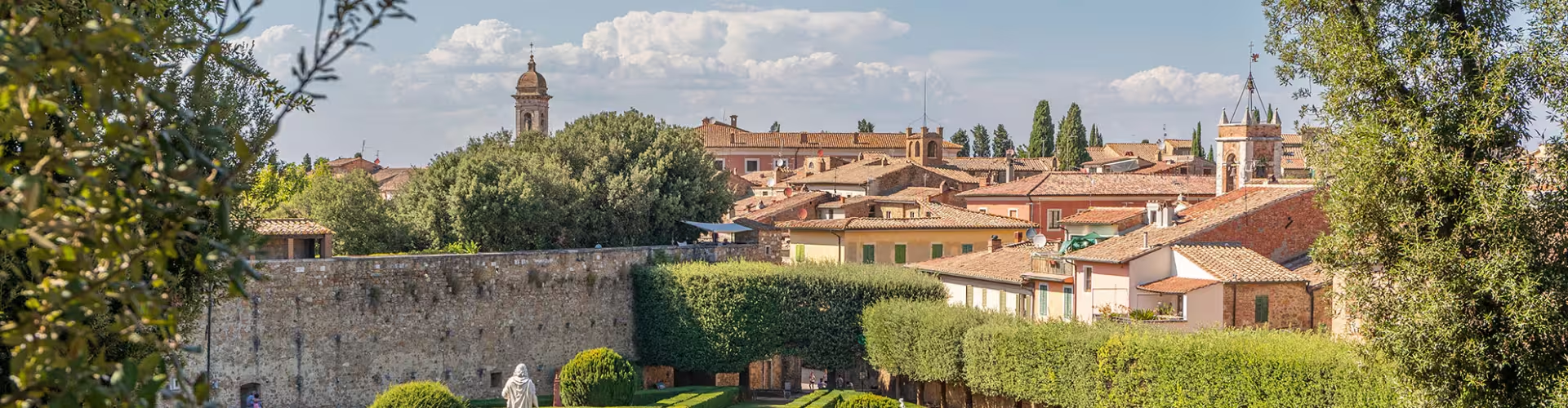
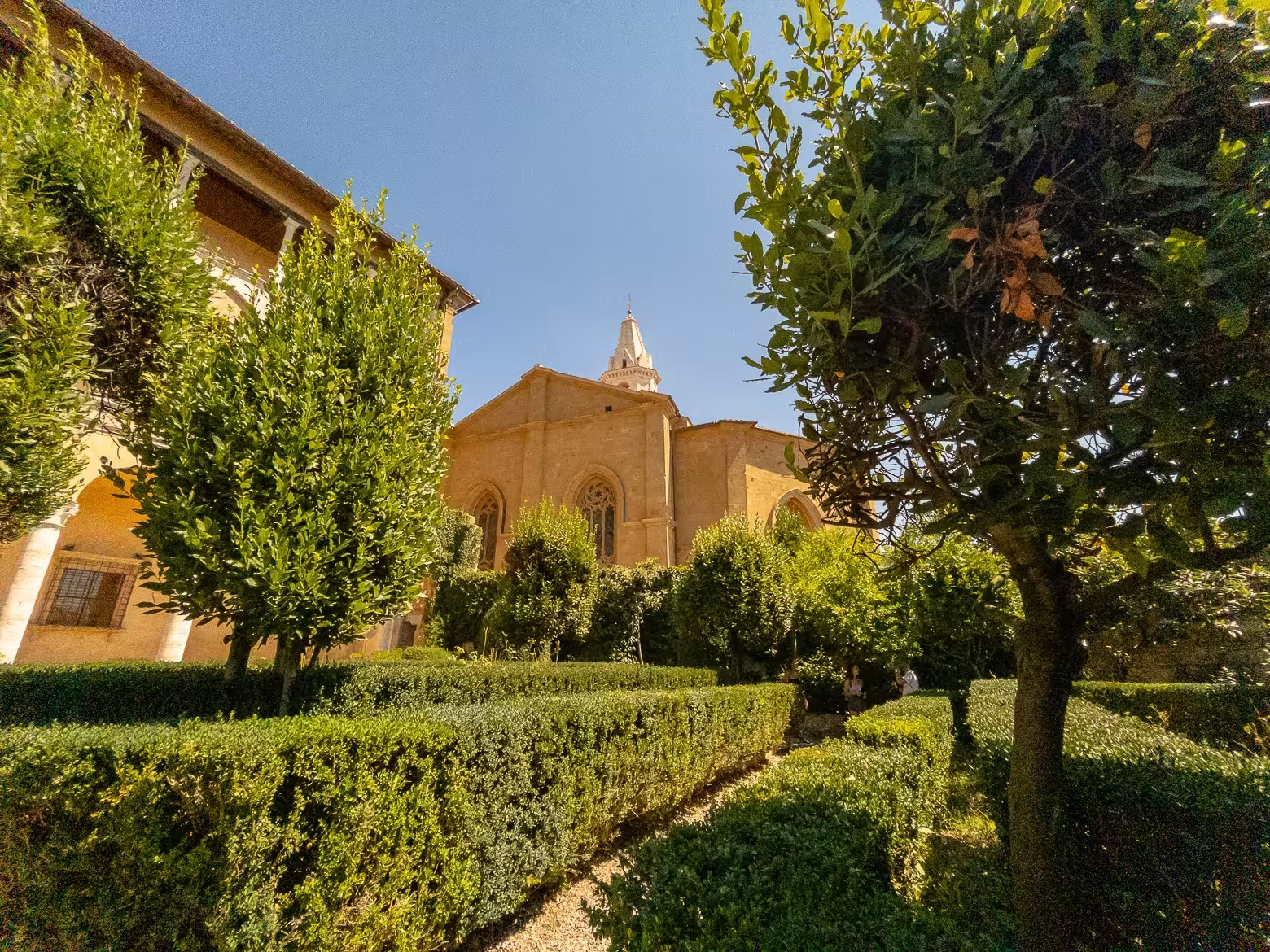
San Quirico d'Orcia is a small Tuscan destination with a calm, cultivated rhythm, where stone streets, cypress-lined views, and village life feel intentionally unhurried. Come for the classic Val d'Orcia scenery and stay for the sense of place that rewards slow walks, long meals, and golden-hour photography. This guide helps you plan a practical, high-impact trip to San Quirico d'Orcia with clear logistics, curated experiences, and easy day trips.
San Quirico d'Orcia feels like Tuscany in its most refined form, quiet lanes, historic textures, and countryside panoramas that change with the light. It is ideal when you want a base that is scenic and manageable, with quick access to Val d'Orcia highlights. Go when you want a slower itinerary, better photos, and a more local pace than the biggest Tuscan cities.
San Quirico d'Orcia sits in Tuscany within the Province of Siena, in the Val d'Orcia area known for rolling hills and iconic cypress roads. For international arrivals, the most common flight gateways for this part of Tuscany are Florence and Pisa, with Rome also used by travelers who plan a longer road trip. From major hubs, the simplest approach is to continue by car, because rural towns and viewpoints are spread out and the best photo stops are often outside village centers.
Expect the broad Tuscan pattern, warmer months bring longer days and higher visitor numbers, while cooler months can feel quieter and more atmospheric. Shoulder seasons are often chosen for a balance of comfortable walking temperatures and fewer crowds, which matters if you want peaceful viewpoints and easier parking. In peak summer, plan your walking and photo sessions early in the day and later in the afternoon, then reserve midday for a long meal or a shaded break.
Italy uses the euro, and small-town travel is easiest when you carry a mix of card and cash. Cards are widely used, but cash can be helpful for small purchases and quick payments. Budget planning in this area often depends on whether you have a car, because fuel, parking, and the flexibility to reach viewpoints can shape your daily costs.
Walk the historic center slowly. The main reward in San Quirico d'Orcia is how the village reveals itself on foot, stone textures, quiet corners, and framed countryside views. A slow walk helps you notice details that fast itineraries miss, like how light changes across façades and lanes. Practical tip, go early or near sunset for softer light and fewer people in your photos.
Chase Val d'Orcia viewpoints. The surrounding landscape is a primary reason travelers choose this area, with rolling hills and cypress silhouettes that feel instantly recognizable. Viewpoints are best treated as a short list you visit deliberately, rather than random stops. Practical tip, keep your camera ready and plan a flexible route so you can pause when the light is right.
Golden hour photography circuit. San Quirico d'Orcia works beautifully for a photo-first itinerary because you can combine village scenes with countryside panoramas in the same session. Golden hour brings depth to the hills and warmer tones to stone streets. Practical tip, build in extra time for parking and short walks, because the best angles are not always roadside.
Set a slow pace with a long meal. This part of Tuscany is designed for lingering, and a long lunch or dinner is a core experience, not a break from sightseeing. It also helps you avoid the most crowded hours outdoors in peak season. Practical tip, if you have a must-try place, reserve ahead, especially on weekends.
Use the village as a base for Val d'Orcia drives. The practical advantage of staying in San Quirico d'Orcia is the ability to reach multiple nearby towns without changing hotels. A base strategy reduces packing time and lets you return for a calmer evening. Practical tip, start day trips early, then return before dinner to enjoy the village when it quiets down.
Plan a scenic walk outside the center. Even short walks beyond the village can deliver big landscape payoffs, especially when the weather is mild. Walking also gives you a different sense of scale than driving, you feel the rise and fall of the hills. Practical tip, wear stable shoes and carry water, because rural paths can be uneven.
Look for local crafts and food products. Small Tuscan towns often shine through regional products and simple shopping, rather than big retail streets. Picking up edible souvenirs also supports local producers and makes for easy gifts. Practical tip, choose items that travel well and ask for secure packaging if you are flying.
Build a relaxed evening routine. The evening atmosphere is part of the appeal, with softer light, cooler air, and a more local tempo. A simple plan, a walk, a drink, then dinner, often feels more satisfying than trying to add another town. Practical tip, keep your schedule light at night so you can be flexible with sunset timing.
Start with a morning walk through the historic center while streets are quiet and the light is clean for photos. Late morning, take a short drive to a viewpoint loop in the Val d'Orcia area, then return for a long lunch to reset your pace. In the afternoon, do a second photo stop when shadows lengthen, then finish with an evening stroll and dinner in San Quirico d'Orcia.
Day one, focus on San Quirico d'Orcia itself, walk slowly, photograph details, and lock in your favorite viewpoints near town at golden hour. Day two, dedicate your daylight to a loop of nearby Val d'Orcia towns and scenic roads, with generous time buffers for spontaneous stops. If you have a third day, keep it intentionally light, revisit the best viewpoint in improved light, add an easy countryside walk, and plan a long meal that becomes the highlight rather than an afterthought.
Pici. Thick hand-rolled pasta with a satisfying bite, often paired with rich, simple sauces that suit Tuscan cooking. Ordering tip, ask what sauce pairs best that day and choose based on what is in season.
Ribollita. A hearty soup with a rustic texture that feels especially comforting in cooler weather. Ordering tip, this is a great value choice when you want something filling without a heavy second course.
Bistecca alla fiorentina. A bold, shareable steak experience that fits the region’s straightforward approach to quality ingredients. Ordering tip, consider sharing and ask for guidance on portion size if you are unsure.
Pecorino. Sheep’s milk cheese with a savory, sometimes nutty profile that pairs well with local accompaniments. Ordering tip, try a tasting style plate if available so you can compare styles.
Crostini toscani. Toasted bread with rich toppings, ideal as a starter when you want a local classic. Ordering tip, start with crostini if you are hungry but still deciding on a main course.
Bruschetta with local olive oil. Simple, aromatic, and best when ingredients are fresh and the oil is the star. Ordering tip, ask if the olive oil is local, then keep it simple and let the flavor carry.
Tuscan red wine. Full-bodied, food-friendly, and well suited to long meals. Ordering tip, if you want to explore without overcommitting, ask for a glass recommendation that matches your dish.
San Quirico d'Orcia is best enjoyed on foot once you are in the center, because the experience is about wandering and discovering small details. For anything beyond the village, especially viewpoints and nearby towns, a car is typically the most practical option in rural Tuscany. If you are driving, plan conservatively, allow extra time for narrow roads and photo stops, and keep your day flexible so you are not rushing between places.
For accessibility, expect uneven surfaces in historic areas and variable terrain on countryside paths. If mobility is a concern, prioritize the most scenic drives and choose short, flat walks where possible. As a general safety habit, keep valuables secured and avoid leaving items visible in parked cars at viewpoints.
Pienza. A classic nearby stop for architecture, views, and food culture. Travel time varies by route and traffic, but it is typically a short drive within the Val d'Orcia area. Primary reason to visit, a compact town experience with strong scenic payoff.
Montepulciano. Known for its hilltop setting and a deeper town exploration feel. It is an easy addition if you want a fuller day of walking and viewpoints. Primary reason to visit, a more expansive hill town atmosphere.
Montalcino. A destination that suits travelers who want a scenic drive and a classic Tuscan hill town plan. Primary reason to visit, countryside views and a strong sense of local identity.
Siena. A bigger cultural contrast to the small-town rhythm of San Quirico d'Orcia. This works well if you want a city day with more major sights and a livelier pace. Primary reason to visit, a deeper dive into the Province of Siena’s flagship city experience.
Bagno Vignoni. A quick, memorable stop that feels distinct from other towns in the area. Primary reason to visit, a unique village atmosphere that pairs well with a Val d'Orcia loop.
Plan your photo schedule first, then build meals and drives around it, because light is the main event in Val d'Orcia.
Start early, then return to San Quirico d'Orcia for a calmer evening routine rather than stacking too many towns in one day.
Carry some cash for small purchases and quick payments, even if you mostly use cards.
Pack comfortable walking shoes, historic streets and countryside paths can be uneven.
Keep your itinerary flexible, spontaneous viewpoint stops often become the best memories.
If you are driving, do not leave valuables visible in the car at viewpoints or parking areas.
Yes, it works well as a base because you can return to a quieter village atmosphere after day trips. It also helps you plan sunrise or sunset viewpoints without long transfers.
A car is the most practical way to reach rural viewpoints and nearby towns because distances are spread out. Walking is best for the village center, but driving adds flexibility for scenic stops.
One day covers the highlights at a brisk pace, especially if you focus on the center and a small viewpoint loop. Two to three days is better if you want slower meals, more photography time, and day trips.
Early morning and late afternoon are ideal because light is softer and streets are quieter. Golden hour also adds depth to rolling hills and stone textures.
Yes, the center is walkable and designed for wandering. Expect uneven surfaces, so stable shoes help, especially if you plan to continue onto countryside paths.