Volterra

logoBlack

Build your dream
experience

dreamimg

More to know about Volterra


Volterra Travel Guide

Volterra is a hilltop Tuscan town where Etruscan roots, medieval stonework, and artisan traditions shape a quietly dramatic atmosphere. It appeals to travelers who want cultural depth without the pace of larger cities, with viewpoints, museums, and craft shops that reward unhurried wandering. Use this guide to plan logistics, choose the best experiences, and build a day-by-day route that fits your travel style.


Snapshot

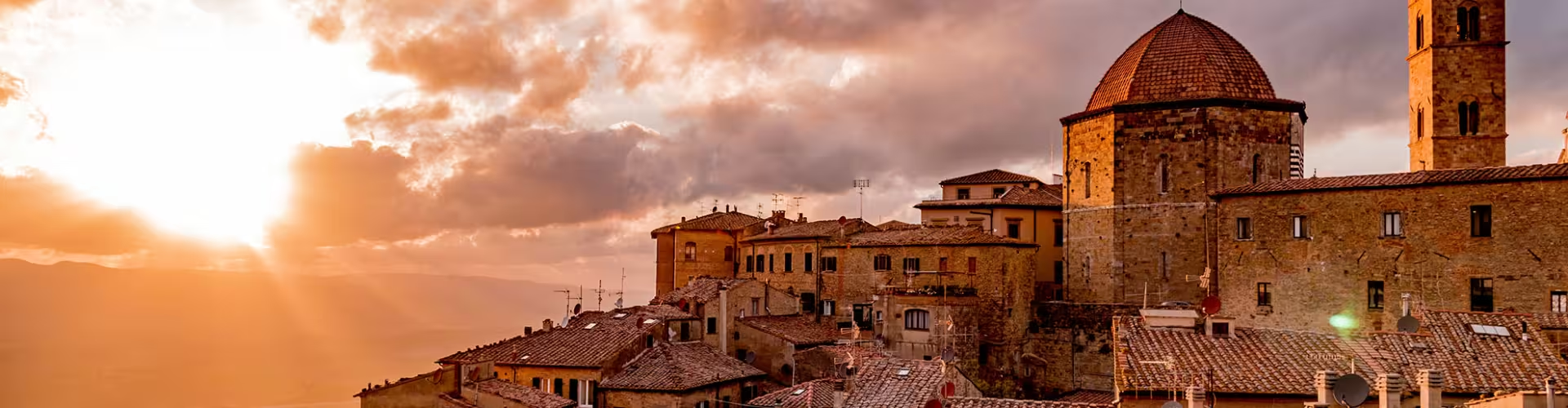
Volterra feels cinematic and elemental, with weathered walls, narrow lanes, and big skies that make even a short walk feel like a scene change. Go for the layered history, the craft culture, and the slower rhythm that suits long lunches and golden hour viewpoints. It is especially satisfying if you want Tuscany with fewer crowds and more conversation with locals.


🗺️ Geography and Logistics

📍 Orientation: Where is it within Province of Pisa and ?

Volterra sits in Tuscany, within the Province of Pisa, on a hilltop position that gives it sweeping countryside views and a naturally compact historic center. The closest major hub is Pisa, which is often used as a gateway for reaching inland Tuscan towns. Because the town is elevated and historic streets can be steep, plan for walking and allow extra time for short distances that take longer uphill.

🕒 When to Go: Seasonal breakdown

Spring and early autumn tend to balance comfortable conditions with a lively atmosphere, making them ideal for walking-focused days and photography. Summer can bring higher temperatures and busier streets, so it helps to plan sightseeing for mornings and late afternoons, with a slower midday pace. Winter is quieter and can feel more local, which is appealing if you prioritize museums, long meals, and a calmer town mood.

💰 Budget & Currency

Italy uses the euro, and in a town like Volterra it is smart to carry a small amount of cash for small purchases, quick snacks, or smaller shops. Cards are widely used, but you will appreciate having cash when you want to keep things simple. Budget-wise, plan for a mid-range Italian destination where you can spend more on a standout meal or a craft purchase, then balance it with casual cafes and self-guided walking.


⭐ Essential Things to Do

Explore the historic center on foot
The biggest payoff in Volterra comes from walking slowly through its stone lanes, where you can feel the transition from Etruscan foundations to medieval facades. The town’s compact layout makes it easy to connect major sights with spontaneous detours into quieter corners. Practical tip, wear grippy shoes because the surfaces can be uneven and the slopes add up over a full day.

Seek out Etruscan heritage
Volterra is strongly associated with Etruscan history, and that identity shows up in the town’s storytelling, collections, and atmosphere. Even if you are not a specialist, the experience adds context to why this hilltop mattered long before modern Tuscany. Practical tip, read a short primer on the Etruscans before you arrive so museum labels and site fragments feel more connected.

Walk the city walls and viewpoints
Hilltop towns are built for views, and Volterra rewards you with open panoramas that make the countryside feel vast and quiet. Viewpoints are also a great way to understand the town’s defensive logic and why elevation shaped daily life. Practical tip, aim for late afternoon light for softer photos and a calmer, end-of-day mood.

Browse artisan workshops and local craft
Volterra is known for craft traditions, and browsing workshops adds a human layer to the destination beyond monuments. Watching artisans at work helps you understand what locals value, including patience, technique, and materials. Practical tip, if you want a specific handmade item, ask about shipping and care instructions before you buy.

Plan a museum focused half day
Museums in Volterra are most enjoyable when you do not rush, since collections often connect across eras and themes. A museum block also balances your itinerary if the weather turns or you want a cooler indoor reset. Practical tip, group indoor visits around midday, then return outside for a late walk and viewpoints.

Photograph the stone architecture at golden hour
The town’s textures come alive when light skims across stone, arches, and narrow streets, creating depth and contrast. Golden hour also reduces harsh shadows, which helps with street scenes and architectural details. Practical tip, choose one neighborhood zone to revisit at dusk, rather than trying to cover the whole town twice.

Take a slow lunch and embrace the pace
Part of the appeal of Volterra is how well it fits an unhurried day, where meals become anchors rather than interruptions. A long lunch also helps you avoid peak walking heat in warmer months and keeps your schedule realistic. Practical tip, ask for local specialties and keep your afternoon plan lighter after a substantial meal.

Build a countryside moment into your day
Even a short step outside the densest streets can shift the experience from urban history to rural Tuscany. The contrast between fortified town and open landscape is central to the town’s identity. Practical tip, carry water and a light layer since hilltop conditions can change quickly between sun and wind.


🚶 Curated Itineraries

⏰ The Highlights (1 Day)

Start with a focused morning walk through the historic center, using the early hours for the steepest lanes and your must-see landmarks. Transition into an Etruscan themed block, pairing a museum visit with nearby historic streets so the context stays vivid. After a long lunch, spend the late afternoon on viewpoints and wall walks, then finish with an artisan browsing loop that lets you shop without rushing.

⏰ Deep Dive (2-3 Days)

On day one, prioritize orientation, a core museum visit, and a golden hour circuit so you understand the town’s layout and light. On day two, slow down, revisit your favorite area for deeper photography, add a second museum or heritage focused stop, and spend more time in artisan spaces to see techniques and materials. If you have a third day, use it for a relaxed morning in town, then a countryside focused afternoon or a nearby day trip, keeping your evening open for a long meal and a final viewpoint stroll.


🍽️ Flavors of Volterra

Ribollita, a hearty Tuscan soup with a deep, savory profile that feels especially comforting on cooler days. Ordering tip, ask if it is made in the traditional style and served hot, since it is often best when fully developed in flavor.

Pappa al pomodoro, a tomato and bread based dish with a rich, rustic texture and bright acidity. Ordering tip, pair it with a simple local second course if you want a balanced meal without overordering.

Crostini toscani, small toasts with bold, savory toppings that are ideal as a starter to share. Ordering tip, choose a mixed plate when available so you can sample different flavors without committing to one.

Wild boar preparations, often deeply flavored and aromatic, reflecting inland Tuscan cooking traditions. Ordering tip, if you are unsure, ask whether it is served as a stew or with pasta so you can match it to your appetite.

Pici pasta, thick hand-rolled pasta that holds sauce well and feels satisfyingly chewy. Ordering tip, ask which sauce is most typical that day, then follow the recommendation for the most local experience.

Pecorino, sheep’s milk cheese that ranges from mild to intensely aged and nutty. Ordering tip, order a small tasting with honey or jam if offered, since the contrast highlights the cheese’s character.


🚌 Navigation & Transport

The historic core of Volterra is best experienced on foot, since the most atmospheric lanes are narrow and built for walking. For getting into town and for day trips, plan around regional transport options and allow extra time for hilltop approaches and parking logistics if you drive. If mobility is a concern, build your day around shorter loops, prioritize viewpoints that are easier to reach, and schedule breaks at cafes so the elevation changes feel manageable.


🌄 Beyond the Center: Day Trips

Pisa, a practical gateway and an easy add-on for iconic architecture and a different city energy. Travel time varies by route and transport choice, so plan it as a full or half day depending on your pace.

San Gimignano, known for its skyline and medieval character, making it a strong pairing with Volterra for travelers who love hill towns. Travel time varies, and it is best visited early to enjoy a calmer feel.

Siena, a deeper dive into Tuscan history and urban scale, with a distinct atmosphere from smaller towns. Travel time varies, so it works best as a dedicated day trip.

Florence, ideal if you want major museums and Renaissance context as a contrast to Volterra’s older layers. Travel time varies, so consider an early start and a planned return time.

Tuscan countryside stops, small villages and scenic drives that emphasize landscapes, farm rhythms, and photo breaks. Travel time is flexible, and the main reason to go is to slow down and enjoy the setting between destinations.


✅ Insider Tips for Travelers

  • Wear supportive shoes, the historic streets can be steep and uneven, and comfort changes your whole day.
  • Plan viewpoints for late afternoon, the light is softer and the town feels more atmospheric.
  • Use museums as a midday anchor in warmer seasons, then return outdoors when it cools down.
  • Carry some cash for small purchases, it keeps transactions simple in smaller shops.
  • Shop artisan pieces earlier in your trip, so you have time to decide and ask about care or shipping.
  • Keep your itinerary compact, a few meaningful stops plus wandering feels more rewarding than rushing.

❓ Frequently Asked Questions, FAQ

Is Volterra a good destination for a day trip?

Yes, it works well as a day trip if you focus on a walk through the historic center, one museum block, and a viewpoint circuit. If you want a slower pace and time for artisan browsing, staying longer feels more rewarding.

How much walking should I expect in Volterra?

Expect a walking forward day with slopes and uneven stone streets. Comfortable shoes and planned cafe breaks make the elevation changes much easier.

When is the best time of year to visit?

Spring and early autumn tend to offer a comfortable balance for walking and sightseeing. Summer can be busier and warmer, so mornings and late afternoons are the most pleasant.

Do I need cash, or can I pay by card?

Cards are widely used, but carrying some cash is helpful for small purchases and quick snacks. It also simplifies transactions in smaller artisan shops.

What should I prioritize if I only have one day in Volterra?

Prioritize a focused historic center walk, an Etruscan heritage themed stop, and a late afternoon viewpoint loop. That combination gives you a strong sense of Volterra’s history, atmosphere, and landscape setting.