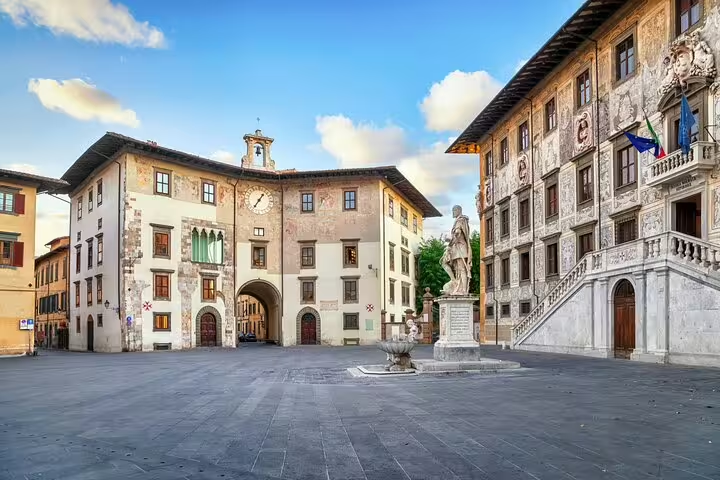
Pisa is a compact Tuscan city where world famous architecture, riverfront strolls, and lively student energy fit easily into a short stay. Its historic core is walkable, and the Arno River helps you orient quickly between the monumental Campo dei Miracoli and local neighborhoods. Use this Travel guide to Pisa to plan a smooth first visit, choose the right pace, and prioritize what matters most.
Pisa sits in Tuscany in western Italy, close to the Ligurian Sea and well placed for quick connections across the region. The city is served by Pisa International Airport, and frequent trains make it easy to pair Pisa with Florence, Lucca, and the Tuscan coast.
Late spring and early autumn usually balance comfortable temperatures with manageable crowds, especially around the Leaning Tower area. Summer brings longer days and heavier visitor numbers, while winter is quieter and can suit museum focused plans and unrushed walks.
Expect higher prices near the main monuments and better value a few streets back in residential areas. Cards are widely accepted, but carrying some cash helps for small purchases; if you plan multiple monuments, look for bundled options when available.
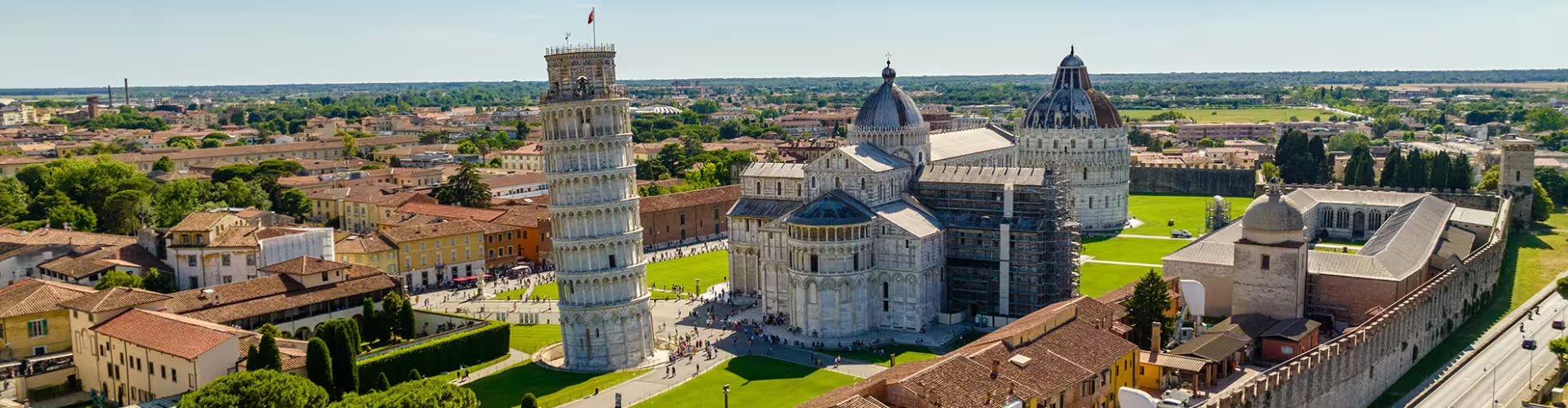
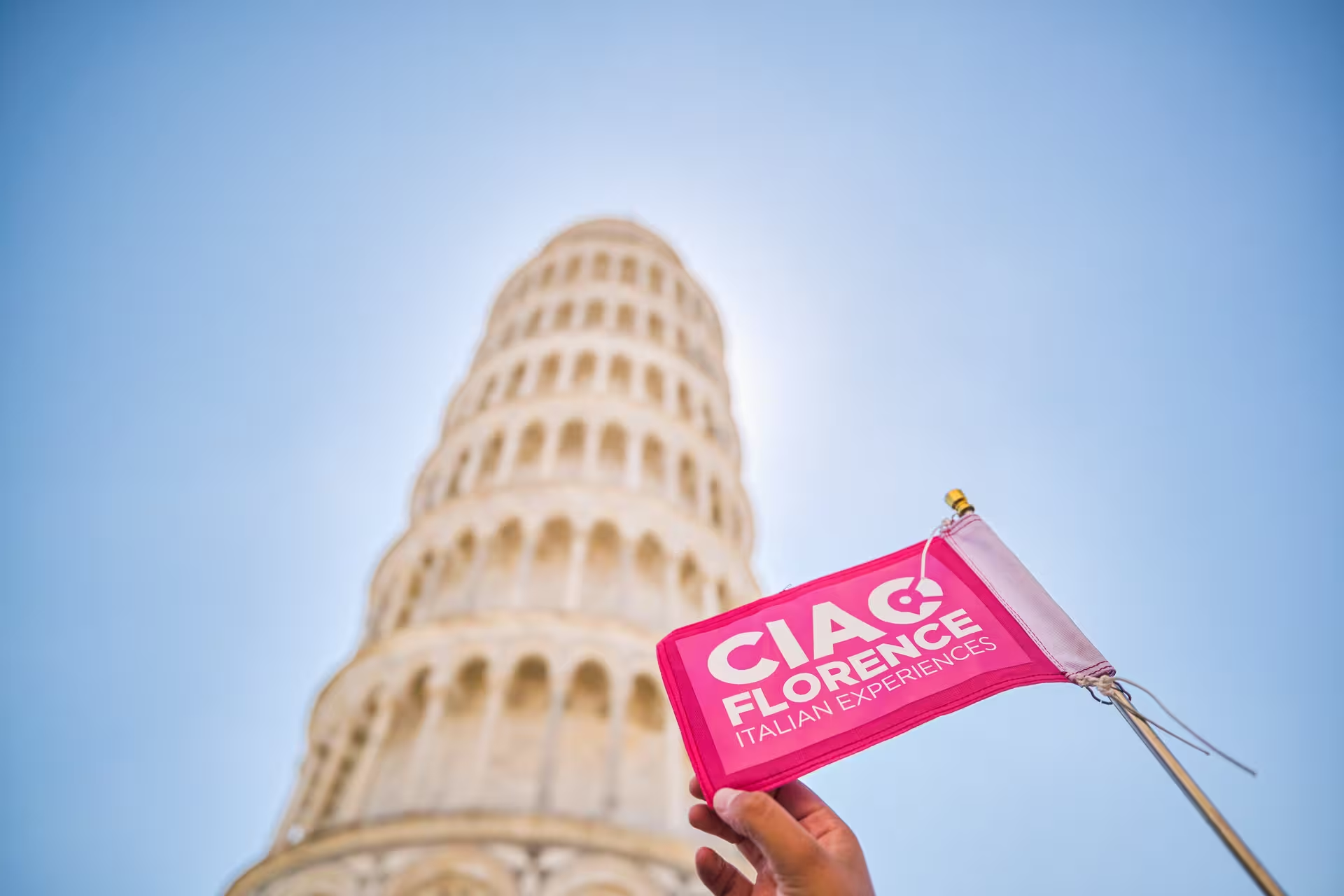
Leaning Tower of Pisa tickets, allow time for security and your timed slot, are a key detail for planning because tower access is controlled. If you want the classic photo, arrive early for clearer views and shorter lines, and keep your schedule flexible for your entry time.
Piazza dei Miracoli highlights are best appreciated slowly, because the open space lets you take in the Tower, Cathedral, and surrounding historic buildings in one sweep. Plan for at least one to two hours if you want photos, a calm walk, and time to read on site information.
Pisa Cathedral and Baptistery visit adds depth beyond the Tower, with striking interiors and acoustics that many visitors overlook when rushing. Aim for a quieter time of day, and dress respectfully since it is an active religious site.
Camposanto Monumentale is a strong choice when you want a calmer, more reflective stop near the main complex. Give yourself time to move slowly through the cloistered space and focus on details rather than rushing through.
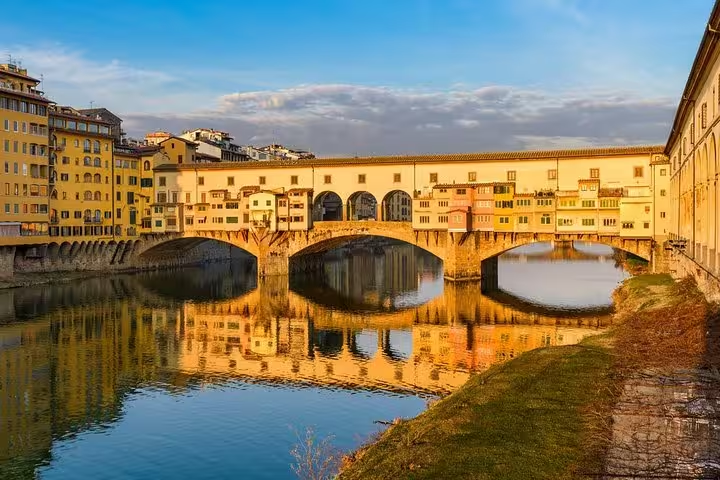
Arno River walk Pisa is ideal for resetting your pace after the busiest sights, especially near golden hour when the light softens along the water. It is also a practical way to connect neighborhoods on foot without doubling back.
Borgo Stretto shopping street offers a more local rhythm with arcades, cafés, and small shops, and it is a useful corridor between central Pisa and the river. Stop for a coffee here when you want a break that still keeps you close to major sights.
Pisa evening stroll works well in the center and along the Arno, when day trippers thin out and the city feels more lived in. Keep dinner plans a little later to enjoy the atmosphere once the busiest hours fade.
Things to do in Pisa in one day often work best when you split your time between the Campo dei Miracoli and a second area such as the riverfront or Borgo Stretto. The city rewards a simple plan, one monument cluster, one neighborhood walk, and one relaxed meal.
Best things to do in Pisa can also include smaller moments, such as stepping into quieter churches, browsing local bakeries, or finding viewpoints along the river. If you are building a short list, combine one headline monument with two slower experiences to avoid an overly crowded schedule.
Start in the morning at the Campo dei Miracoli for the Tower area and the main monuments, then take a mid day break in Borgo Stretto for coffee and a light lunch. In the afternoon, cross toward the Arno for a slower walk and photos, then finish with a Pisa evening stroll and dinner in the center.
Use day one for the core monuments and a gentle riverfront circuit, keeping your schedule compatible with timed entry if you have Leaning Tower of Pisa tickets. On day two, focus on neighborhoods, smaller museums or churches you notice on foot, and a longer Arno River walk Pisa to see the city beyond the busiest square.
Spend the first two days as above, then use the third day for a nearby excursion by train. This pace gives you time to revisit the Campo dei Miracoli at a different hour, and still keep space for Tuscan day trips without feeling rushed.
Look for simple Tuscan cooking and seasonal ingredients, and do not be afraid to eat a few streets away from the main monuments for better value. Try cecina, a chickpea flatbread that is crisp at the edges, and pairs well with a quick lunch stop. Order ribollita when it is available for a hearty, vegetable forward soup, and consider pappa al pomodoro for a comforting tomato and bread dish. For pasta, ask about pici with a rich sauce, and for mains, look for bistecca or local roast options when you want a classic Tuscan plate. Finish with cantucci with a sweet wine, or choose gelato during an afternoon walk along Borgo Stretto.
Pisa is easy to navigate on foot, especially between the historic center, the Arno, and the Campo dei Miracoli. Local buses help when you want to save steps or connect from the station to key areas, and taxis are useful for short hops if you are tight on time. If you are arriving by train for Things to do in Pisa in one day, plan a walkable loop so you are not backtracking, and keep an eye on uneven paving near older streets if you have mobility concerns.
Lucca day trip from Pisa, about 25 to 30 minutes by train, is a rewarding pairing for its walkable historic center and relaxed pace. It is an easy contrast to Pisa’s monument focused visit.
Florence to Pisa train routes also work in reverse, with frequent connections that make Florence a practical day trip if you want major museums and Renaissance landmarks. Start early to keep your day comfortable and avoid returning too late.
Cinque Terre from Pisa is possible by train with a longer travel time, and suits travelers who want coastal scenery and village walks. Build in extra margin for connections and focus on a smaller number of stops rather than trying to see everything.
Tuscan coast near Pisa offers a change of pace with sea air and more open space, depending on which beach town you choose. It is a good option in warmer months when you want a lighter sightseeing day.
How much time should I plan for Pisa if I want a relaxed visit?
Many travelers can cover the main monuments and a neighborhood walk in one day, but two days gives you more breathing room. This Travel guide to Pisa is designed for short stays, so you can choose a pace that fits your arrival and departure times.
Do I need to book tickets in advance for the Leaning Tower area?
Tower entry is typically managed with timed access, so planning ahead can protect your schedule. If you already have Leaning Tower of Pisa tickets, build the rest of your day around that slot.
Which areas are best to combine on foot in a single day?
The Campo dei Miracoli, the historic center, and the Arno riverfront connect well for a walkable loop. Adding Borgo Stretto shopping street keeps you in a lively corridor without needing extra transport.
What is a good seasonal plan if I want fewer crowds?
Shoulder months such as spring and autumn often feel more comfortable for walking and sightseeing. In summer, aim for earlier starts and consider a longer break mid day.
Is Pisa manageable for visitors with limited mobility?
Key sights are close together, but older streets can have uneven surfaces that may slow the pace. For planning priorities and pacing, Best things to do in Pisa can be organized around shorter walking segments and rest stops.