Last updated:


The Province of Pisa rewards a stay that leaves room for Volterra and Vicopisano as well as Pisa itself. Alabaster craftsmanship, medieval tower houses and art collections offer different directions for your days, while San Rossore provides a protected natural setting near Pisa.
Three days would let you devote a day to Pisa, another to Volterra and another to Vicopisano. This is a suggested division by interest: art in Pisa, alabaster in Volterra and medieval buildings in Vicopisano.
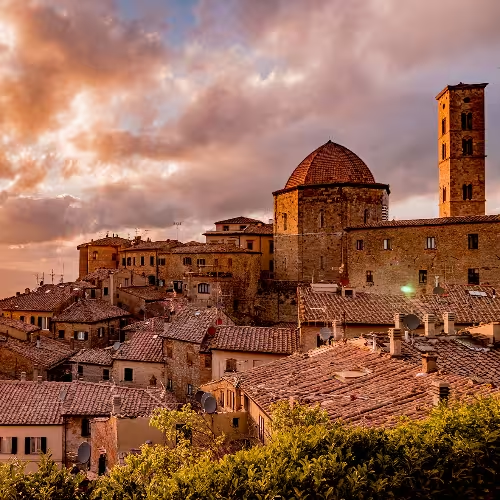
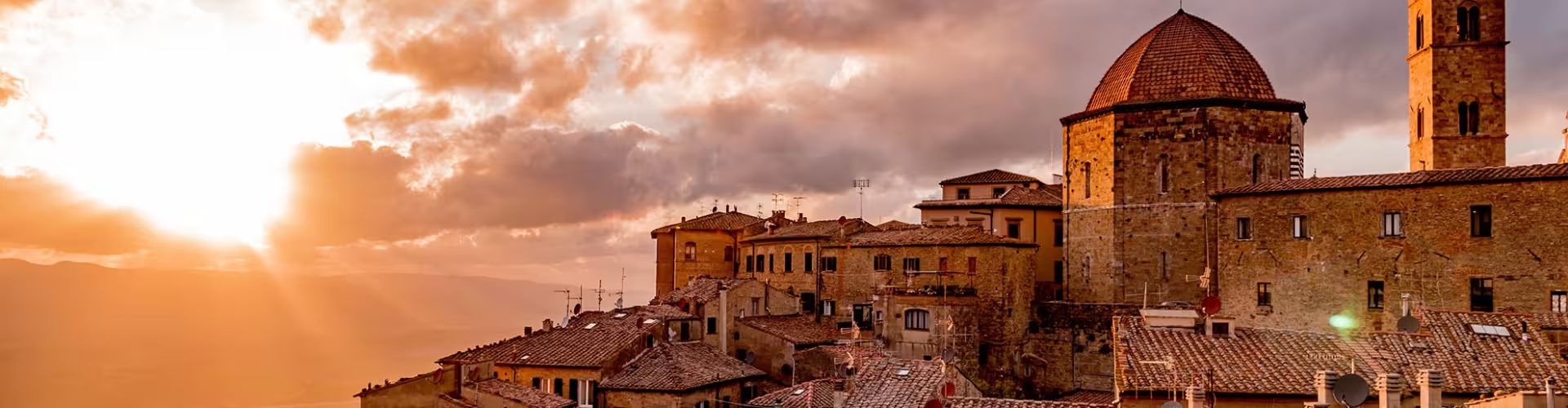
Volterra deserves the second day if you want to follow the story of a material rather than move between unrelated sights. The town is associated with alabaster worked from stone quarried at Castellina Marittima, and the Museo Etrusco Guarnacci holds some 600 Etruscan funerary urns. Putting the craft and the museum together makes this a day about what people made from that stone.
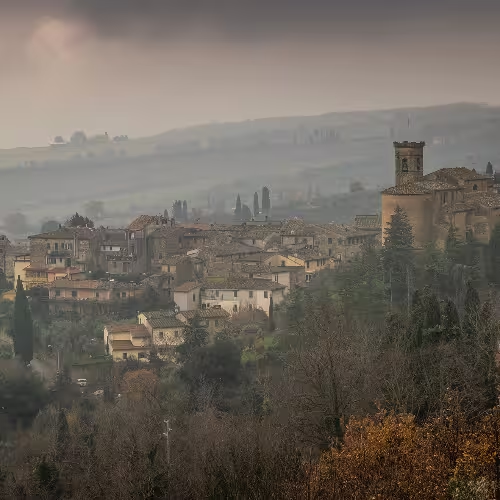
Vicopisano is the third-day choice for an interest in defensive architecture. Its medieval tower houses stand alongside the Rocca di Brunelleschi and Palazzo Pretorio, while the fortress was designed by Filippo Brunelleschi after Florence took the town. These buildings give that day a clear focus without repeating the museum emphasis of Volterra.
San Rossore can replace a town day if you would prefer nature to another set of buildings. The estate is a protected natural area near Pisa, so it offers a different emphasis without making your whole visit about monuments.
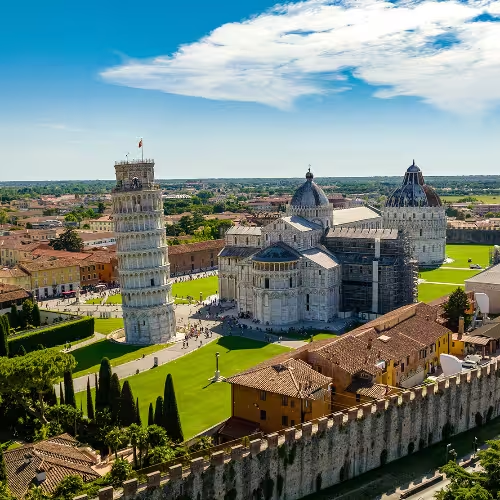
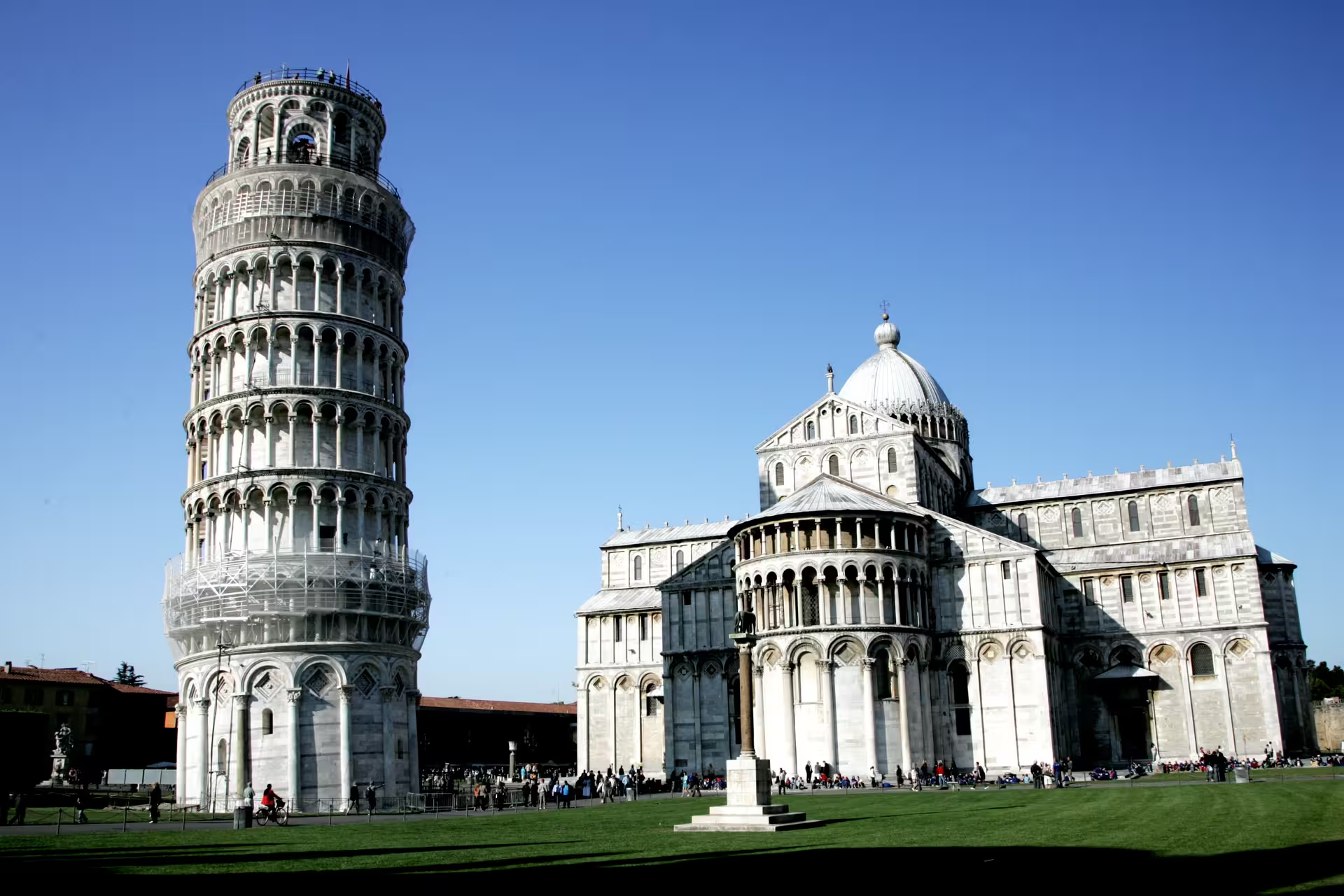
Pisa is worth a day for art and architecture beyond a look at the Leaning Tower. The tower is the cathedral's bell tower, and Piazza del Duomo has UNESCO World Heritage status; treating the visit as more than a tower stop leaves room for the surrounding artistic interests.
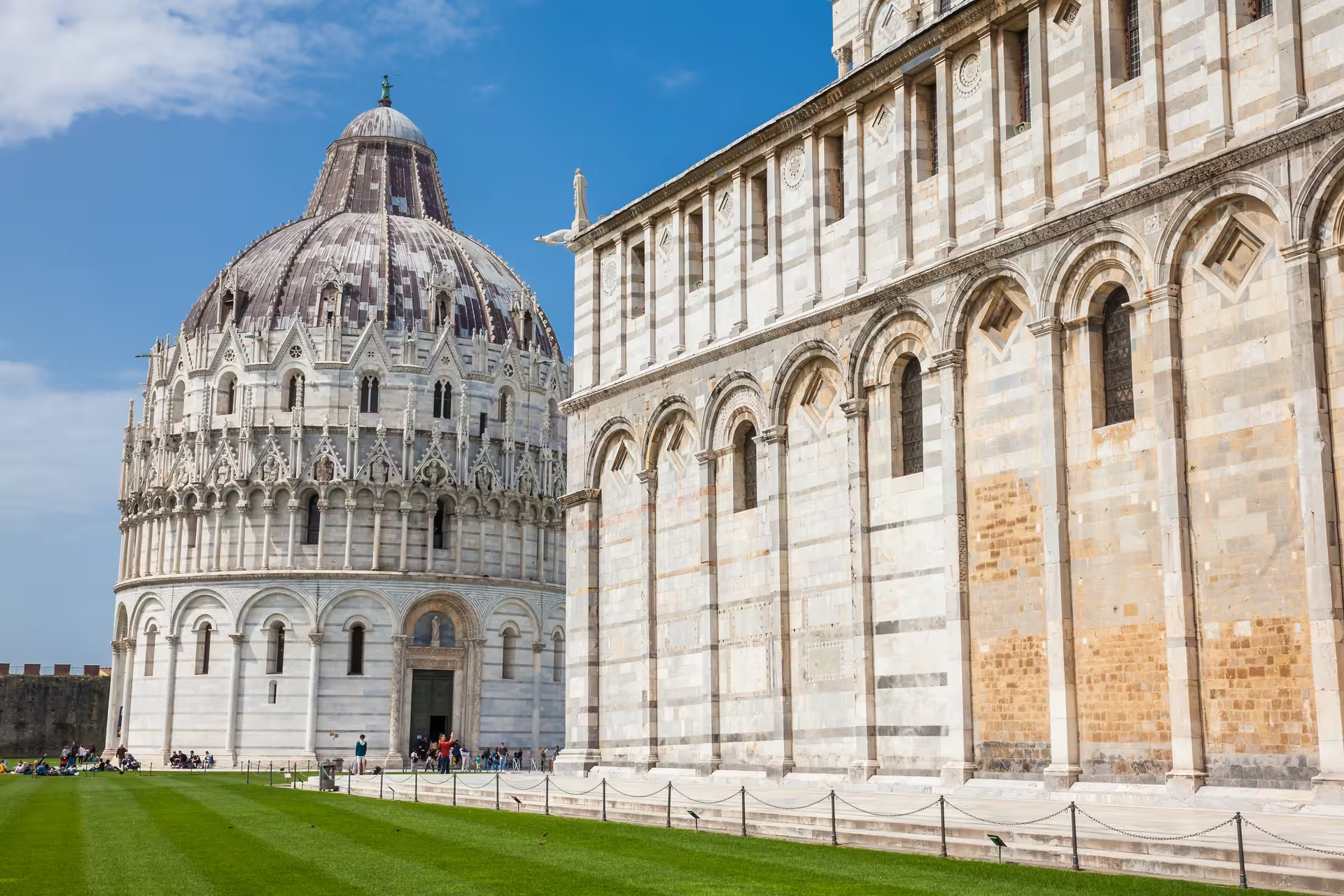
The Baptistery of San Giovanni offers a reason to pay attention to sound as well as architecture: its double dome creates its distinctive acoustics. Inside Pisa Cathedral, Giovanni Pisano's pulpit is the detail to look for if sculpture interests you. Those are different ways to approach the visit, rather than simply collecting building names.
The Museo delle Sinopie is a worthwhile continuation for anyone curious about how frescoes were prepared. Its red-ochre drawings were found beneath the Camposanto frescoes, letting you focus on the preparatory work rather than only the finished image.
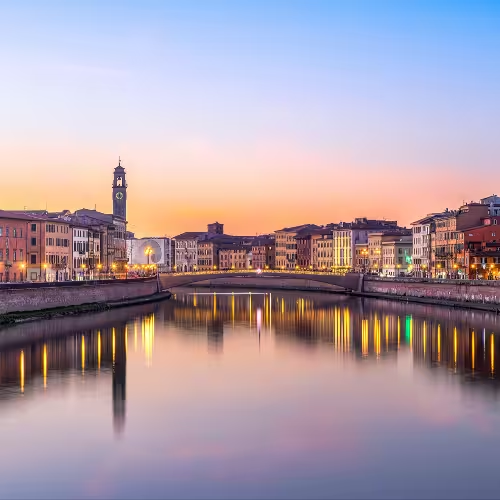
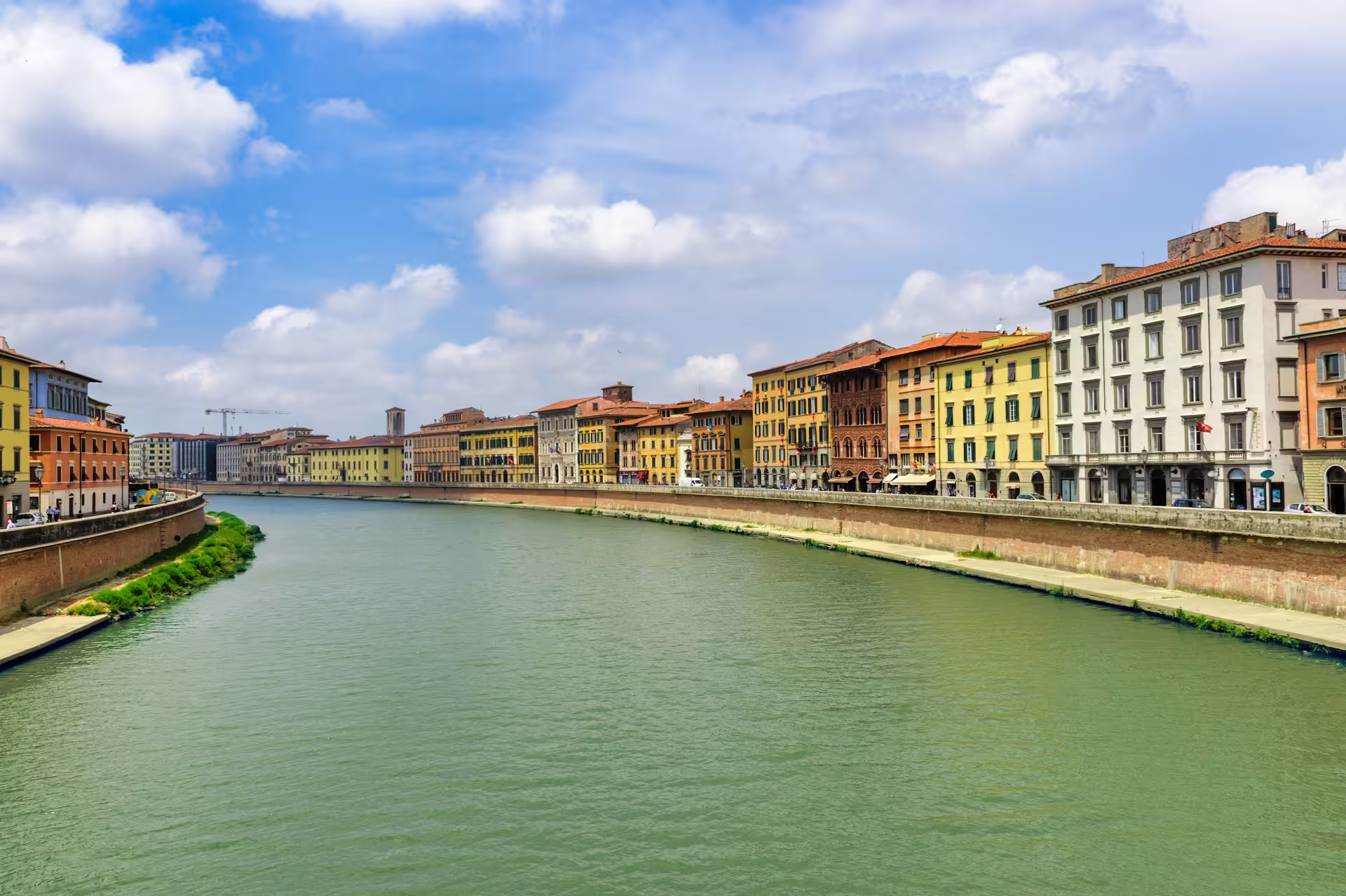
The Arno runs through Pisa and separates the city into two parts. For arrival by air, the PisaMover connects Galileo Galilei Airport to Pisa Centrale railway station, with San Giusto/Aurelia as the intermediate stop.
A winery visit near Pisa or a full-day trip linking several towns offers two different ways to extend your plans. The choice depends on whether you want wine to be the focus or prefer to combine Pisa with other destinations.
If you want to concentrate on wine near Pisa, a guided winery tour in Tuscany with wine tasting includes a guided walk through the vineyard.
If you would rather bring several destinations into a single day, the Pisa, Siena and San Gimignano trip with wine takes a full day, with coach transport between the destinations.
Yes, Tuttomondo offers another kind of art: its 30 connected figures express a message of peace and harmony around the world.
Yes, birdwatching is an option at Lake Santa Luce, where more than 180 bird species have been recorded; the lake has Natura 2000 Special Area of Conservation status.
Yes, the San Miniato White Truffle Fair occupies November's final three weekends, while Lari celebrates its cherry harvest from late May into early June. In Pisa, the Luminara di San Ranieri falls on the evening of 16 June.
Sources: Comune di Pisa (CC BY 4.0): Murale-di-Keith-Haring, Luminara-di-S.-Ranieri.