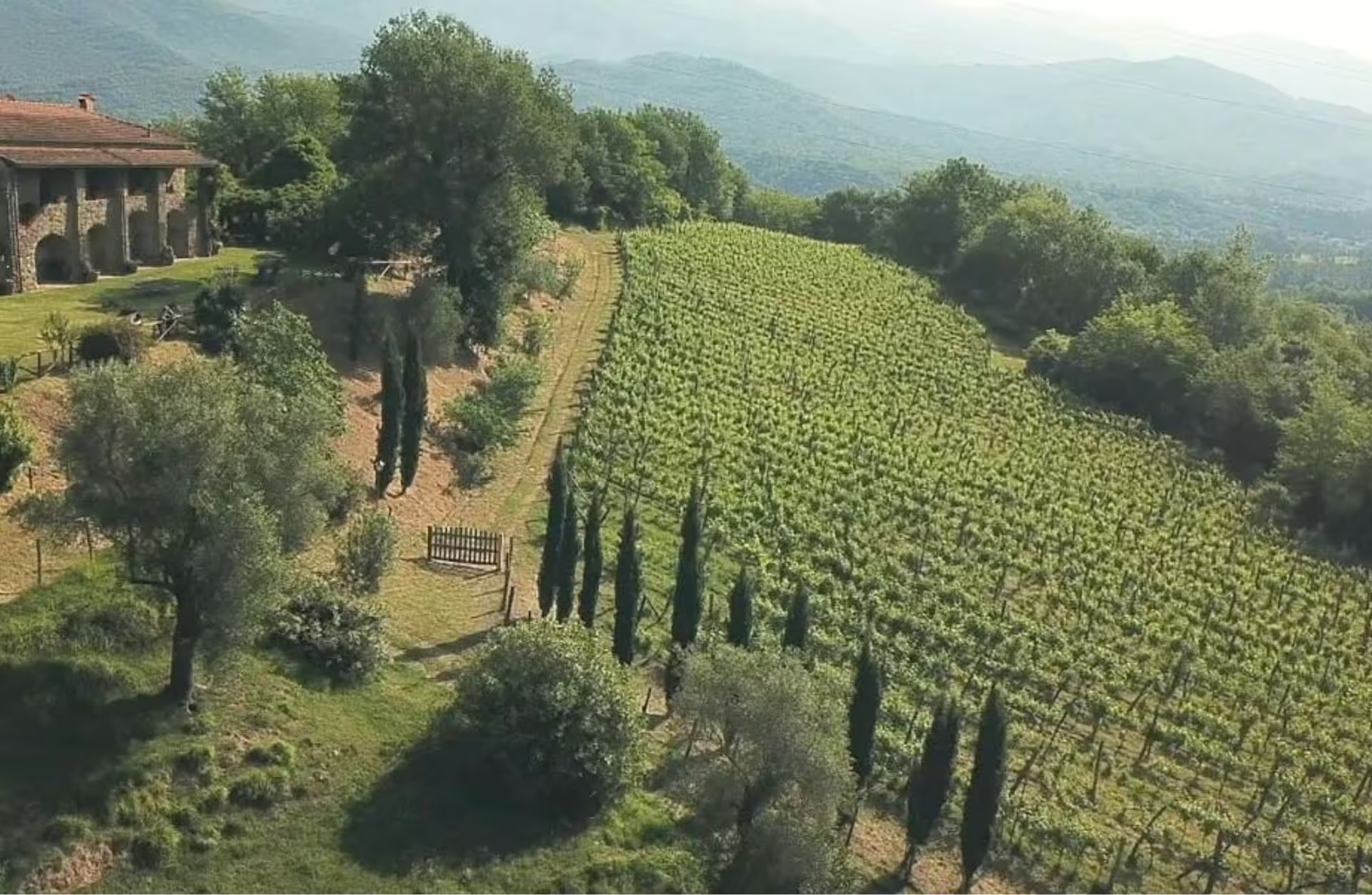







Province of Massa-Carrara sits on Tuscany’s northern edge where the Apuan Alps drop toward the Ligurian Sea, blending mountain drama with coastal ease. This is a destination defined by marble landscapes, compact art cities, and food that feels proudly local rather than performative. Use this guide to plan a trip that balances viewpoints and villages, beach time and stone carved history, without rushing the details that make the area memorable.
Province of Massa-Carrara feels like two trips in one, a rugged alpine backdrop and a laid-back shoreline, stitched together by marble culture and small-city rhythms. Go when you want Tuscany with a wilder profile, fewer pinch points, and quick access to both peaks and promenades. It is especially rewarding for travelers who like scenic drives, short hikes, and destinations that still feel lived-in after day-trippers leave.
Province of Massa-Carrara is in northwestern Tuscany, bordering Liguria and close to the Apuan Alps and the Tyrrhenian coast. The main urban anchors are Massa and Carrara, with coastal access through towns like Marina di Massa and nearby resort areas along the Versilia shoreline. For gateways, plan around the closest major transport hubs in Tuscany and Liguria, then connect by regional rail or road to reach the coast and the mountain valleys efficiently.
Warm months suit beach time and longer daylight for viewpoints, but they can also bring the highest crowd levels on the coast. Shoulder seasons are ideal for combining city walks in Massa and Carrara with outdoor time in the Apuan Alps, with a calmer pace and comfortable temperatures for exploring. Winter is quieter and can be atmospheric in the historic centers, though mountain weather can shift quickly and some outdoor plans may need flexibility.
Italy uses the euro, and you will find a mix of card-friendly businesses and places where cash is still handy, especially for small purchases. Budget expectations vary by location, with coastal areas and peak season typically feeling pricier than inland towns. A practical approach is to use cards for lodging and larger restaurant bills, then keep a small cash buffer for cafés, markets, and quick snacks while exploring Province of Massa-Carrara.
1) Marble heritage in Carrara
Carrara’s identity is inseparable from marble, and the city’s atmosphere reflects centuries of quarrying and craftsmanship. Even without deep technical knowledge, you can feel how stone shaped local wealth, labor, and architecture. Practical tip, pace your visit with a mix of outdoor viewpoints and indoor stops so you can appreciate both the scale and the artistry.
2) Historic center stroll in Massa
Massa offers an easy, walkable historic core where everyday life and heritage sit side by side. It is a good counterbalance to the high drama of the mountains and quarries, and it rewards slow wandering, people-watching, and café breaks. Practical tip, start earlier in the day for a calmer feel, then return in the evening for a more social, local rhythm.
3) Apuan Alps viewpoints and short hikes
The Apuan Alps bring a rugged, vertical landscape that feels distinct from the softer hills many travelers associate with Tuscany. Viewpoints here deliver the signature contrast of bright stone, deep green slopes, and wide coastal horizons. Practical tip, pack layers and check conditions before you go, because mountain weather can change quickly even when the coast feels mild.
4) Coastal downtime at Marina di Massa
Marina di Massa is where the trip becomes breezier, with beach culture, promenades, and a slower tempo that pairs well with evening dining. It is a simple pleasure destination, ideal for travelers who want to alternate active mornings with relaxed afternoons. Practical tip, aim for early or late beach hours for a more spacious feel and softer light for photos.
5) Scenic drive between coast and mountains
One of the most satisfying experiences in Province of Massa-Carrara is the quick shift from sea-level views to mountain roads and stone landscapes. The changing scenery tells the story of how geography shaped livelihoods, from fishing and tourism to quarrying and craft. Practical tip, allow extra time for pull-offs and viewpoints, and drive conservatively on narrower stretches.
6) Local workshops and artisan culture
The area’s craft traditions are closely tied to marble and stonework, and you can often sense that legacy in shops and studios. Even a brief visit adds depth, turning the destination from a postcard into a place with skills passed down through generations. Practical tip, look for small, locally run spaces and ask simple questions about materials and techniques, it often leads to more meaningful conversations.
7) Evening passeggiata in town squares
Italian towns shine in the evening, when locals gather for a stroll and the day’s pace softens. In Massa or Carrara, this is an easy way to absorb the social fabric without needing a fixed plan. Practical tip, choose a central square, then let the evening guide you toward a gelato stop or a relaxed aperitivo.
8) Photo stops that capture the signature contrast
What makes Province of Massa-Carrara visually unique is the juxtaposition of bright marble, dark mountain contours, and sea-level openness. Building in intentional photo time helps you experience the landscape rather than simply passing through it. Practical tip, prioritize golden-hour light for softer contrast, and keep your schedule flexible to follow the best weather window.
Start with a morning in Carrara to connect with the marble story through the city’s atmosphere and architectural details. Shift midday toward Massa for a historic center walk and an unhurried lunch, then head to the coast for late afternoon downtime at Marina di Massa. Finish with an evening passeggiata and a simple dinner plan, keeping it flexible so you can follow the liveliest streets.
Day one, focus on Carrara and its marble identity, alternating between city exploration and scenic viewpoints where you can read the landscape. Day two, give Massa more time, pairing the historic core with a slower café rhythm, then spend the late day on the coast for a classic seaside evening. If you have a third day, dedicate it to the Apuan Alps for viewpoints and short hikes, then return to town for a relaxed night that feels local rather than scheduled.
Lardo di Colonnata is a famous local specialty with a rich, silky texture and a savory, aromatic profile. Ordering tip, ask for it simply served with bread so you can taste the seasoning clearly.
Tordelli are stuffed pasta often associated with the broader area, typically comforting and hearty. Ordering tip, ask what the house filling and sauce are, then choose the version the kitchen feels most proud of.
Testaroli is a traditional pasta style with a soft, tender bite that pairs well with simple sauces. Ordering tip, look for classic pairings like pesto when available for a bright, herbal balance.
Focaccia and local bakery snacks fit the coast-to-mountain day perfectly, easy to carry and satisfying between stops. Ordering tip, buy small portions from a busy bakery, it is a quick signal of freshness.
Seafood along the coast leans toward clean flavors that let the catch speak, especially when simply grilled or dressed with olive oil and citrus. Ordering tip, ask what is local and in season, then choose a straightforward preparation.
Espresso and aperitivo culture are part of daily rhythm, from quick bar stops to early evening drinks with small bites. Ordering tip, stand at the bar for a faster, more local-feeling coffee routine.
Getting around Province of Massa-Carrara works best with a mix of walking in historic centers and a practical plan for connecting the coast to the mountains. Town centers are generally suited to on-foot exploration, while reaching viewpoints and alpine areas is often easier by car or organized transport. If you drive, build in extra time for winding roads and weather shifts, and keep your plans flexible so you can prioritize safety and visibility in the mountains.
Lucca is a rewarding day trip for travelers who want an elegant historic center and a distinct Tuscan city atmosphere. Travel time varies by route and transport choice. Primary reason to visit, a change of pace into a refined, walkable city experience.
Pisa makes sense when you want iconic landmarks and an easy add-on to a Tuscany itinerary. Travel time varies depending on where you start in the province. Primary reason to visit, major heritage sights and a classic city day.
Cinque Terre is within reach for a dramatic coastal day, especially if you crave cliffside villages and sea views. Travel time varies, and planning helps due to popularity. Primary reason to visit, high-impact scenery and coastal walking.
Versilia coast is ideal for extending beach time beyond Marina di Massa, with a broader resort strip and lively summer energy. Travel time is short along the coast. Primary reason to visit, classic seaside culture and promenade evenings.
Is Province of Massa-Carrara better for mountains or beaches?
It is strong for both, which is part of its appeal. You can combine Apuan Alps viewpoints with coastal downtime in the same trip, often within a short drive.
How many days do I need in Province of Massa-Carrara?
One day covers the highlights across Carrara, Massa, and the coast at a fast pace. Two to three days lets you add a mountain-focused day and enjoy evenings without rushing.
Do I need a car to get around?
You can walk easily in town centers, but reaching mountain viewpoints and moving efficiently between coast and alpine areas is often easier with a car. If you do not drive, plan a tighter itinerary focused on the most accessible areas.
When is the best time to visit Province of Massa-Carrara?
Shoulder seasons are often ideal for balancing comfortable temperatures with a calmer feel on the coast. Summer suits beach time, but it can bring higher crowd levels, especially in popular seaside areas.
What should I pack for a trip that includes the Apuan Alps?
Bring comfortable walking shoes and layers, even if you plan beach time, because mountain conditions can change quickly. A light rain layer and sun protection help you stay comfortable across varied terrain.