Roccalbegna is a small hill town in southern Tuscany where stone lanes, dramatic rock formations, and a quiet local rhythm shape the experience. It suits travelers who want scenery, history, and slow meals more than big-ticket attractions. This guide focuses on practical decision support so you can plan a smooth visit, set realistic expectations, and enjoy the area at its best pace.
Roccalbegna feels like Tuscany turned down to a calmer volume, with medieval character, countryside views, and a village scale that rewards unhurried wandering. Go when you want a more local atmosphere and a landscape-first itinerary, especially if you are balancing classic Tuscany with lesser-known corners. The signature vibe is simple and scenic, ideal for walkers, photographers, and travelers who prefer authentic small-town Italy over crowded hotspots.
Roccalbegna sits in Tuscany within the Province of Grosseto, a part of the region known for wide valleys, hill towns, and a slower travel tempo than the Florence and Siena corridor. Think of it as a countryside base rather than a city break, with short distances that can still take time because of winding rural roads. For gateways and onward connections, plan around major hubs in Tuscany and nearby central Italy, then switch to regional travel for the final stretch.
Seasonality in this part of Tuscany typically follows a clear pattern: warmer months bring more visitors and longer daylight for views, while cooler months feel quieter and more local. Shoulder periods are often the sweet spot for comfortable walking and a less rushed atmosphere. If your priority is photography and relaxed meals, aim for days with stable weather and enough daylight to explore on foot without hurrying.
Italy uses the euro, and small-town travel often works best with a mix of card and cash. Carry small denominations for quick purchases and situations where card acceptance may be limited. Budget expectations depend on your style, but you can generally plan for a value-oriented trip if you focus on simple meals, local products, and walking-based sightseeing.
1) Old Town Walk and Viewpoints
The best way to understand Roccalbegna is to walk it slowly, letting the lanes, stone buildings, and changing viewpoints set the pace. Small towns in Tuscany often reveal their charm in details like doorways, stairways, and the way the landscape frames the skyline. Practical tip: wear shoes with grip since historic streets can be uneven, and time your walk for softer light for photos.
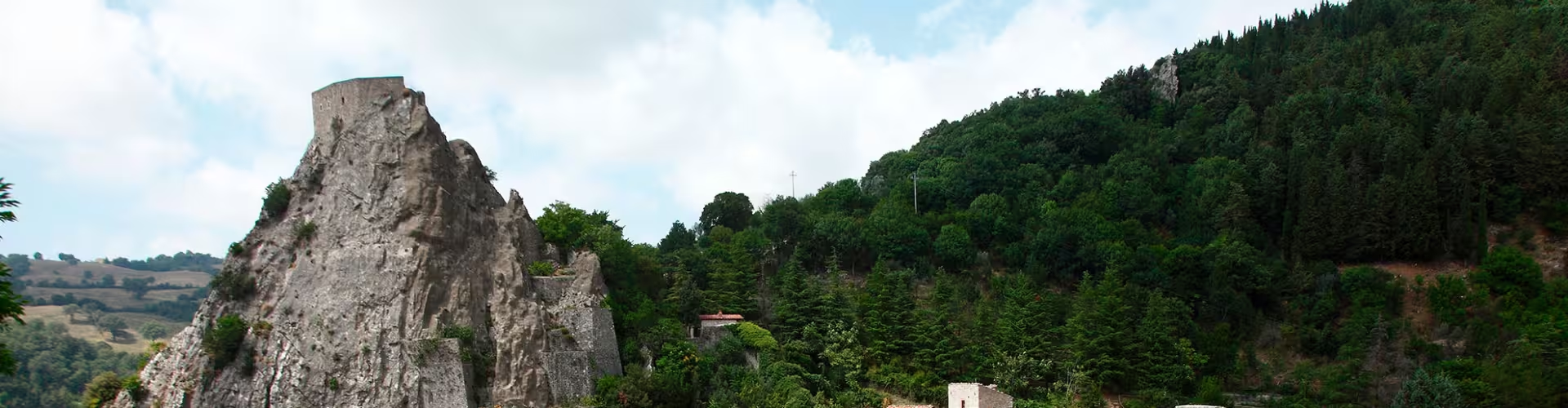
2) Photograph the Rock Formations and Town Silhouette
The dramatic setting is part of what makes Roccalbegna memorable, especially if you enjoy landscape and architectural photography. The contrast between natural rock and built stone gives the town a distinctive profile. Practical tip: scout a couple of angles first, then return when the light improves, sunrise and late afternoon often flatter stone textures.
3) Slow Lunch, Tuscan Style
A long meal is not filler here, it is a core experience. In rural Tuscany, food culture is tied to seasonality and local produce, and a slower pace is part of the value. Practical tip: plan your day around lunch rather than squeezing it between stops, and keep your afternoon itinerary flexible.
4) Countryside Drives Through the Province of Grosseto
The surrounding area is a big reason to visit, with rural scenery and a sense of space that is harder to find in busier parts of Tuscany. A drive lets you connect small settlements, viewpoints, and farm landscapes into one coherent day. Practical tip: allow extra time for narrow roads and photo stops, and avoid overpacking your schedule.
5) Short Nature Walks for Fresh Air and Quiet
Even brief walks outside the center can feel restorative, especially if you are coming from a city-heavy itinerary. The appeal is not just exercise, it is the transition from village textures to open countryside. Practical tip: carry water, sun protection in warmer weather, and a light layer for breezier conditions.
6) Local Craft and Food Shopping
Small towns often shine when you treat shopping as a cultural moment rather than a checklist. Look for locally produced staples associated with Tuscany and the wider Province of Grosseto, and prioritize items that travel well. Practical tip: buy early in your stay so you can revisit a favorite find, and bring a reusable bag for convenience.
7) Unhurried Evening Stroll
As the day cools, the town’s atmosphere becomes even more relaxed, and the light often turns more flattering for photos. This is when Roccalbegna feels most like a lived-in community rather than a stop on a route. Practical tip: take a slower loop than you did in the morning, and pause at viewpoints to watch the landscape shift.
8) Use Roccalbegna as a Base for a Rural Tuscany Itinerary
If your goal is to explore beyond headline destinations, a small base can simplify logistics and help you avoid constant packing and unpacking. The value is in building a rhythm, one scenic drive, one long meal, one walk each day. Practical tip: keep one day intentionally light so you can adapt to weather and local discoveries.
Start with a morning walk through the old town, focusing on viewpoints and the town silhouette for photos. Take a slow lunch and leave space for a relaxed post-meal stroll, since the pace is part of the experience. In the afternoon, do a short countryside loop by car for scenery, then return for an early evening walk when the light softens.
Day 1 is for orientation, explore the historic center on foot, identify your favorite viewpoints, and settle into a long meal rhythm. Day 2 expands outward with a scenic drive through the Province of Grosseto, adding short nature walks and flexible stops that match the weather. Day 3 stays intentionally open, revisit the best photo angles, shop for local products, and build in downtime so the trip feels restorative rather than rushed.
Food in this part of Tuscany tends to be straightforward and ingredient-driven, with a focus on comfort and seasonal balance.
Roccalbegna is best enjoyed on foot once you are in the center, since the appeal is in short walks, viewpoints, and small details. For reaching the area and exploring the wider countryside, a car-friendly plan typically offers the most flexibility, especially if you want to combine multiple rural stops in one day. If you are not driving, build a simpler itinerary focused on the town and a small number of pre-planned connections, and keep buffer time for rural travel.
For comfort and safety, wear stable shoes for uneven surfaces and pack layers to handle temperature changes across the day. Accessibility can be challenging in historic hill towns due to slopes and stairs, so plan routes with rest breaks and choose viewpoints that match your mobility needs.
Is Roccalbegna worth visiting if I only have one day?
Yes, one day is enough to walk the historic center, enjoy viewpoints, and fit in a long lunch. Keep the itinerary simple and focus on quality time rather than many stops.
How do I get around once I arrive?
The center is best explored on foot, since the experience is built around short walks and scenic pauses. For exploring the surrounding countryside, plan a transport option that allows flexibility and extra travel time.
What is the best time of year for a quieter trip?
Quieter periods generally align with cooler months and non-holiday weeks, when fewer travelers are on the road. Shoulder periods can offer a good balance of comfortable walking weather and a calmer atmosphere.
Do I need cash in Roccalbegna?
Carrying some cash is helpful for small purchases and situations where card use may be limited. A mix of card and cash keeps your day smooth and reduces friction.
What should I pack for walking around the town?
Bring comfortable shoes with good grip for uneven stone and gentle slopes. Add water and a light layer so you can adapt to changing conditions through the day.