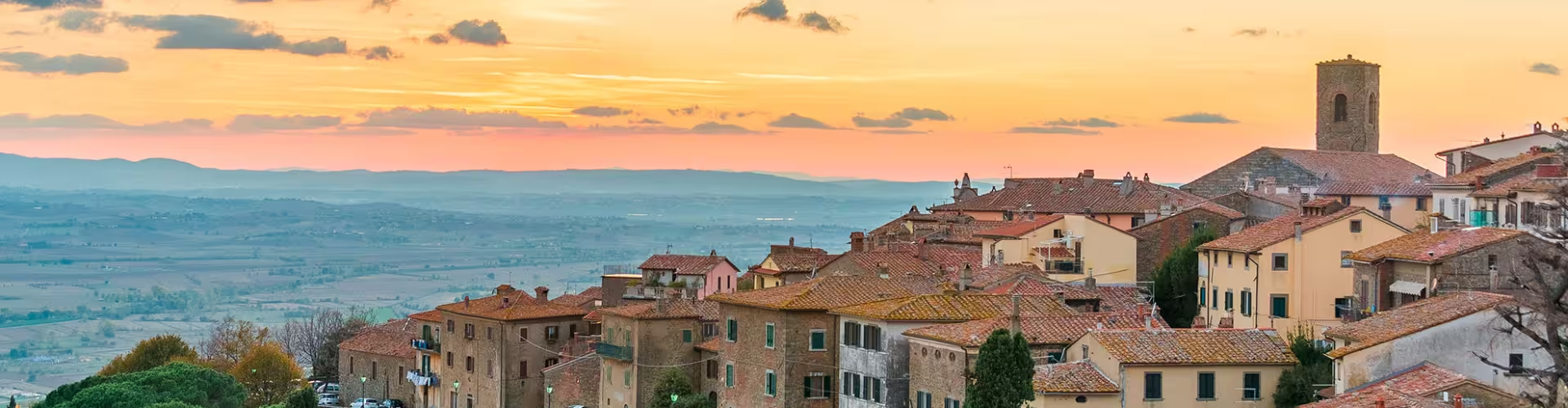

Cortona is a hilltop Tuscan town where stone lanes, panoramic viewpoints, and slow, food-focused days set the rhythm. It suits travelers who want a cinematic atmosphere without building an itinerary around big-ticket attractions, because the pleasure is in the walk, the views, and the table. Use this guide to plan a practical, high-impact stay that balances scenery, culture, and day trips across the Province of Arezzo and wider Tuscany.
Cortona feels intimate and elevated, both literally and emotionally, thanks to its hillside setting and layered history. The signature vibe is unhurried, with long lunches, golden-hour viewpoints, and a town center made for wandering on foot. Go when you want classic Tuscany with a more personal scale, and plan around daylight for the best views and photos.
Cortona sits in Tuscany within the Province of Arezzo, positioned for easy exploration of nearby towns and countryside. As a hill town, the historic center is the main focus, with steep streets and viewpoints that open toward the surrounding landscape. For arrival planning, the most practical approach is to route through major regional hubs and then continue by train or car to the area, because the town itself is best experienced on foot once you are inside the center.
Plan your timing around two factors, weather comfort and crowd levels. Warmer months bring longer days that suit viewpoints, outdoor dining, and late strolls, but they also tend to attract more visitors. Cooler periods can feel calmer and more local, and they are often better for walking the steep lanes comfortably, especially if you prefer a quieter pace and easier restaurant reservations.
Italy uses the euro, and you will find a mix of card acceptance and cash-friendly habits in smaller businesses. Carry some cash for small purchases and quick snacks, then use cards for larger restaurant bills and accommodations when accepted. Budget-wise, plan for typical Tuscan pricing, with your biggest variables being lodging style, how often you sit down for multi-course meals, and whether you add day trips by car or guided experiences.
1) Walk the historic center’s stone lanes
The heart of Cortona is its walkability, with narrow streets that reveal small squares, quiet corners, and changing views as you climb. This is where the town’s character is most tangible, because you feel the medieval layout and the everyday rhythm at the same time. Practical tip: wear shoes with good grip, because the streets can be steep and uneven, and pace your climbs with short stops at viewpoints.
2) Chase panoramic viewpoints at golden hour
Hill towns are made for perspective, and Cortona rewards you with wide-open scenery that shifts with the light. Golden hour adds warmth to stone walls and softens the landscape, which is ideal for photos and a slower, more romantic mood. Practical tip: plan your walk so you arrive at a viewpoint 30 to 45 minutes before sunset, then linger as the light changes.
3) Set aside time for a long Tuscan meal
Food is not a side activity here, it is part of the point. A longer meal helps you tune into the local pace, and it is often where you will feel the most “in Tuscany” through flavors, local wine, and seasonal ingredients. Practical tip: eat your biggest meal earlier if you want to keep walking afterward, because the steep streets feel steeper on a full stomach.
4) Browse small shops for local products
Shopping in Cortona is less about big brands and more about small, curated finds that reflect Tuscan craft and pantry culture. This can be a satisfying way to bring home something useful, like food gifts, or something personal, like artisan items. Practical tip: buy fragile items early in your trip only if you have secure packing space, otherwise save them for your final day.
5) Build a “slow morning” routine in a piazza
One of the most memorable experiences in a compact town is doing very little in a beautiful place. A coffee, a simple pastry, and people-watching can reset your trip and make the day feel less scheduled. Practical tip: choose a spot with both sun and shade options, then adjust as the temperature changes.
6) Plan a self-guided photo walk
The town’s textures, stone stairways, arches, and layered rooftops are naturally photogenic, and a photo walk gives structure without turning the day into a checklist. It also helps you discover quieter side streets away from the main flow. Practical tip: start earlier in the day for emptier streets, then return later for warmer light and a different mood.
7) Use Val di Chiana as your landscape lens
Even if you do not label it on a map while traveling, the surrounding countryside influences the feel of Cortona, with agricultural patterns and open horizons that make the town feel perched above a lived-in landscape. Seeing the terrain helps you understand why hill towns developed as they did, and why viewpoints matter so much. Practical tip: pick one viewpoint and revisit it on two different days, because the atmosphere changes with weather and light.
8) Treat the town as a base for day trips from Cortona
A key strength of Cortona is how well it pairs with nearby destinations, so you can mix hilltop charm with lakeside calm or larger city energy. This keeps a longer stay varied without requiring frequent hotel changes. Practical tip: cluster day trips by direction to reduce backtracking, and keep one flexible day for weather-dependent plans.
Start with a morning walk through the historic center while the streets feel quieter, and use the cooler hours for the steepest climbs. Take a mid-morning break in a piazza, then continue with a viewpoint-focused loop that lets you see the town from multiple angles. Reserve the afternoon for a long meal and unstructured wandering, then finish with golden-hour panoramas and a relaxed evening drink.
On day one, focus on orientation, a full center walk, and one sunset viewpoint so you understand the town’s layout. On day two, slow down, repeat your favorite streets at a different time of day, shop for local products, and commit to a longer lunch that turns into an afternoon stroll. If you have a third day, dedicate it to day trips from Cortona, so your trip balances the intimate scale of the town with the variety of the surrounding region.
Bruschetta
Crisp bread topped with olive oil and seasonal ingredients, often bright, savory, and satisfying. Ordering tip: ask for a selection if available, because it is a simple way to sample local flavors without over-ordering.
Ribollita
A hearty Tuscan soup with a deep, comforting profile that suits cooler days and slower lunches. Ordering tip: consider it as a main course if you plan to keep walking afterward, because it is filling.
Pappardelle al ragù
Wide pasta that carries rich sauce well, with a robust, slow-cooked feel typical of the region. Ordering tip: pair it with a simple side rather than multiple heavy courses, especially at lunch.
Bistecca-style grilled beef
A classic Tuscan approach to beef that highlights char and simplicity rather than heavy sauces. Ordering tip: ask how it is served and portioned, then decide whether to share if you want to try multiple dishes.
Truffle-forward dishes
Earthy, aromatic, and often best in simple preparations that let the ingredient stand out. Ordering tip: if truffle is offered as an add-on, confirm the style, then keep the rest of the order straightforward.
Cantucci with Vin Santo
Crunchy almond biscuits dipped into a sweet dessert wine, creating a nutty, mellow finish to a meal. Ordering tip: order it when you want a slow end to dinner, because it invites lingering.
Cortona is best explored on foot once you are in the historic center, because the streets are compact but steep. Expect stairways, inclines, and uneven stone underfoot, which can affect travelers with mobility concerns, so plan rest breaks and choose routes that avoid repeated climbs when possible. For getting in and out, use regional connections by train or car depending on your itinerary, then treat the town itself as a walking destination rather than a driving one.
Lake Trasimeno
A natural counterpoint to hilltop walking, offering lakeside scenery and a calmer pace. Travel time: short regional trip depending on your route. Primary reason: a change of landscape and a relaxing day outdoors.
Arezzo
A nearby city within the Province of Arezzo that adds urban energy, broader shopping, and a different architectural scale. Travel time: manageable regional connection. Primary reason: variety, especially if you want a city day without going far.
Siena
A classic Tuscan city that complements Cortona with a larger historic center and a more monumental feel. Travel time: regional day trip. Primary reason: big-city heritage atmosphere and a deeper dive into Tuscany’s medieval identity.
Florence
An easy choice if you want world-class art and a full day of museums, neighborhoods, and iconic viewpoints. Travel time: longer day trip. Primary reason: a high-impact cultural day that contrasts with small-town calm.
Montepulciano or Pienza
Hill towns that pair well with a countryside drive and food-focused stops. Travel time: regional day trip. Primary reason: scenic routes, local products, and a different take on Tuscan town life.
Is Cortona easy to explore without a car?
Yes, the historic center is compact and designed for walking. The main challenge is elevation, so plan a slower pace and wear supportive shoes.
How many days should I spend in Cortona?
One day covers the highlights, but 2 to 3 days lets you settle into the local rhythm. Extra time also makes it easier to add day trips without rushing.
What is the best time of day for viewpoints in Cortona?
Late afternoon into sunset usually delivers the most flattering light and the best atmosphere. Arrive a bit early so you can enjoy the changing colors without hurrying.
Should I carry cash while visiting?
Carrying some cash is useful for small purchases and quick snacks. Cards are commonly used for larger payments when accepted, so a mix is practical.
Are day trips from Cortona worth it?
Yes, they add variety and help you experience more of Tuscany and the surrounding area. Choose 1 to 2 key trips and keep one flexible day in case you want to stay local.