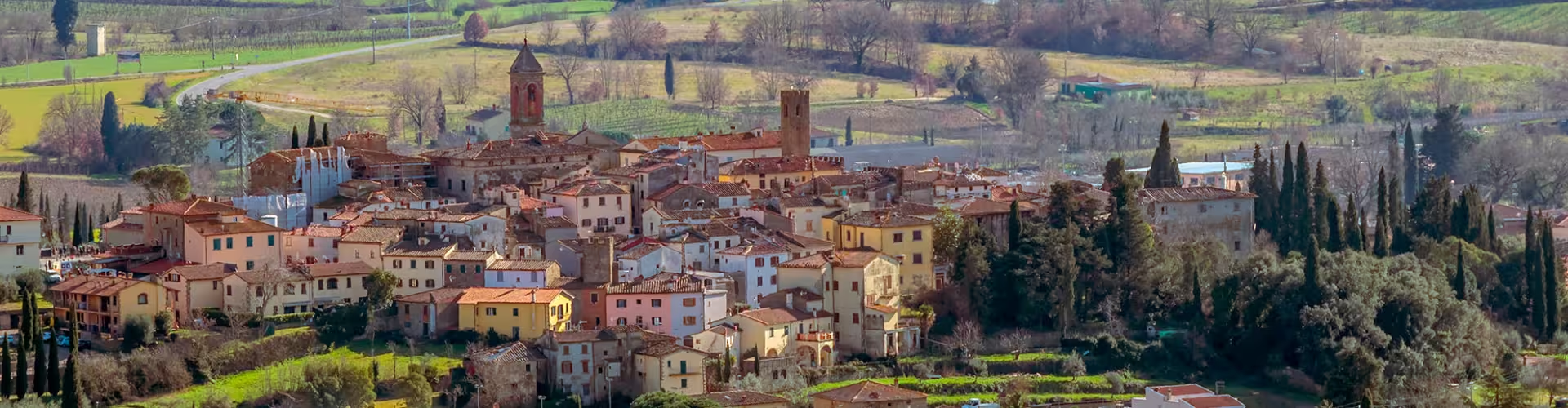
Castiglion Fibocchi is a small Tuscan hill town with a quiet, lived in rhythm, scenic countryside views, and an easygoing pace that suits travelers who prefer authenticity over crowds. Come for the stone streets, local flavors, and a base that keeps you close to the cultural gravity of Arezzo and the wider Valdarno area. If you are planning a slower Italy itinerary, Castiglion Fibocchi works well as a reset stop between bigger art cities and vineyard landscapes.
Castiglion Fibocchi sits in Tuscany, within the Province of Arezzo, not far from the city of Arezzo. The broader setting is the rolling terrain associated with the Arno Valley and Tuscan hill towns, which makes it naturally suited to scenic drives and short hops to nearby centers. For gateway planning, most travelers route through major Tuscany and central Italy transport hubs, then continue by regional connections toward Arezzo and the surrounding area.
Seasonality in Tuscany typically follows a clear pattern, warmer months bring longer days that favor countryside viewpoints and evening strolls, while cooler months tilt toward quieter streets and a more local feel. Shoulder seasons are often the most comfortable for walking and photography because the light is softer and the pace is calmer. If you want the most relaxed experience, aim for periods when day trippers are fewer and plan your sightseeing earlier in the day for the most peaceful atmosphere.
Italy uses the euro, and you will generally find that small towns reward travelers who carry a bit of cash for smaller purchases, while cards are useful for larger payments. Budgeting here is less about headline attractions and more about daily comforts like meals, local products, and transport between towns. A practical approach is to keep a small cash reserve, use a fee aware card, and confirm payment methods before ordering or checking out.
Use this list as a flexible set of experiences rather than a checklist. The appeal of Castiglion Fibocchi is often in the in between moments, the views from a corner, the quiet streets, and the sense of being in a real community.
1) Old Town Walk and Viewpoints
Why it matters: A compact hill town is best understood on foot, where you can take in stone architecture, narrow lanes, and shifting countryside views. The atmosphere changes through the day, from calm mornings to a more social early evening feel. Practical tip: Wear comfortable shoes and plan a slow loop that includes pauses for photos, especially when the light is lower later in the day.
2) Slow Travel Base for the Arezzo Area
Why it matters: Staying in a smaller place can make nearby cultural centers feel more approachable and less rushed. You can structure days around short transfers, then return to a quieter setting in the evening. Practical tip: Keep your daily plan simple, one main outing plus a relaxed meal, so the town remains part of the experience and not only a place to sleep.
3) Countryside Drives and Scenic Stops
Why it matters: The landscapes around the Province of Arezzo are a big part of the destination value, with gentle hills and rural roads that naturally invite short photo stops. This is where Tuscany feels most cinematic, even without a strict agenda. Practical tip: Build extra time into your route for spontaneous viewpoints, and avoid over scheduling so you can follow the best light.
4) Local Food Focus, Simple and Seasonal
Why it matters: In smaller Tuscan towns, food culture often leans toward straightforward cooking that highlights ingredients rather than showy presentation. This is an easy way to connect with local habits and regional identity. Practical tip: Ask what is typical today, then order based on what the kitchen is already doing well instead of searching for familiar international options.
5) Photography Walk, Textures and Details
Why it matters: Towns like Castiglion Fibocchi reward detail oriented photography, stonework, doorways, stairways, and changing shadows. You do not need major monuments to come away with a strong set of images. Practical tip: Try the same streets at two different times of day, you will get a completely different mood.
6) Evening Passeggiata Style Stroll
Why it matters: Early evening is when many Italian towns feel most social, even if the vibe is understated. A short walk helps you align with the local rhythm and can be the best time to choose where to eat. Practical tip: Keep your first evening unplanned, stroll first, then decide on dinner based on what feels lively.
7) A Relaxed Day of Reading, Views, and Rest
Why it matters: A travel plan that includes a rest day often ends up feeling more luxurious than a packed itinerary. Small towns are ideal for this because the scenery is built in, and you do not need constant attractions to feel satisfied. Practical tip: Stock up on snacks earlier in the day so you are not dependent on fixed meal times.
8) Use the Town as a Launch Point for Tuscan Hill Town Hopping
Why it matters: Tuscany is at its best when you combine one calm base with a few targeted outings. This approach reduces packing stress and keeps you closer to local life. Practical tip: Choose day trips by theme, one cultural day, one countryside day, one food focused day, rather than trying to see everything at once.
Start with a morning walk through the historic core to get oriented and to enjoy the quiet, then pause at a viewpoint for wide landscape photos. Midday, plan a long lunch and keep the pace intentionally slow, this is where the town shines. In the afternoon, take a short countryside drive with a few scenic stops, then return for an early evening stroll and dinner.
Day 1 focuses on the town itself, slow exploration, photography details, and a relaxed meal. Day 2 is ideal for a nearby cultural outing toward Arezzo, then back to Castiglion Fibocchi for a quieter evening. Day 3, if you have it, is for countryside time, a flexible route through the surrounding landscapes, and unstructured hours that let you enjoy Tuscany without chasing a checklist.
Food in this part of Tuscany tends to be ingredient led and satisfying, with a strong connection to regional traditions. Use these as a guide for what to look for on menus in town and around the Arezzo area.
Castiglion Fibocchi is best experienced on foot once you are in the center, because the charm is in the streets and viewpoints. For connections to the wider Province of Arezzo and other Tuscan towns, plan on a mix of regional transport and driving depending on your itinerary style and where you are staying. If you are walking, prioritize comfortable footwear and take your time on slopes and uneven surfaces. For accessibility needs, build in extra time and consider staying close to the areas you plan to explore most.
Use Castiglion Fibocchi as a base for short, high impact outings. Travel times vary by route and transport choice, so treat these as flexible options rather than fixed commitments.
Yes, it can work well if you want a quieter place to return to after day trips. Keep your daily plan focused on one main outing to avoid spending too much time in transit.
One day is enough for a highlights walk and a relaxed meal, but 2 to 3 days suits travelers who want countryside time and a slower rhythm. Staying longer also makes day trips feel less hurried.
Once you are in the center, walking is the most rewarding way to experience Castiglion Fibocchi. For nearby outings in Tuscany, plan on a mix of regional connections and driving depending on your route.
Late afternoon into early evening usually gives softer light that flatters stone streets and countryside views. If you want quieter streets, go earlier in the morning as well.
Yes, Castiglion Fibocchi fits well into a slow travel plan because the experience is built around atmosphere and simple pleasures. Keep space in your schedule for long meals and unplanned walks.