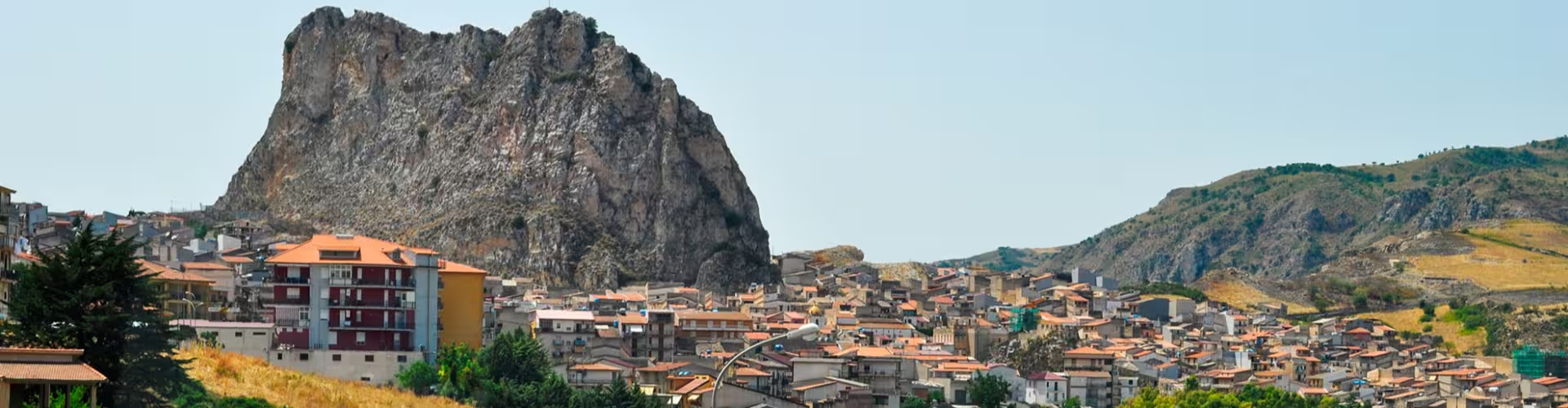
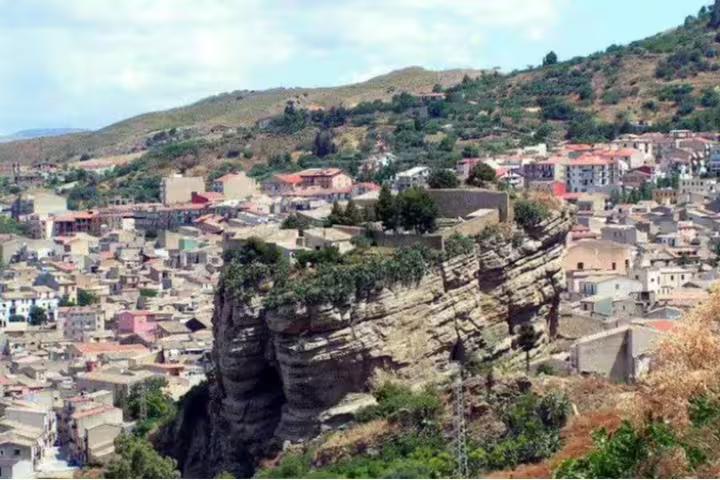
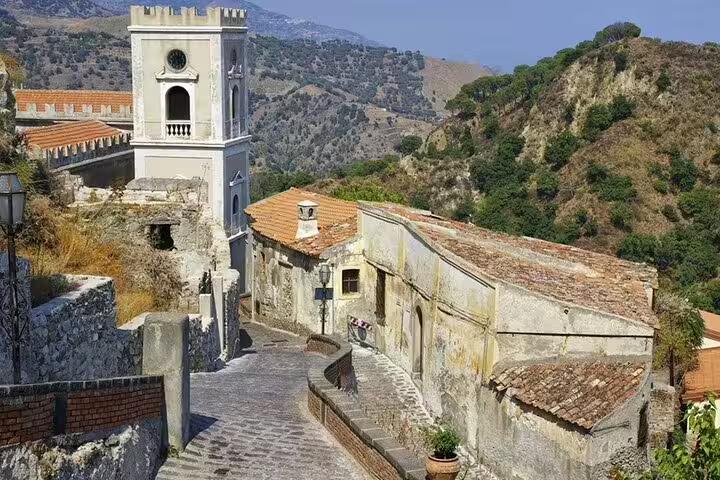
Corleone is one of inland Sicily’s most talked about towns, known for its rugged landscapes, layered history, and a name that sparks instant recognition. This guide focuses on practical planning, what to do, what to eat, and how to build a smooth itinerary that fits your pace. Expect a destination that feels quieter than Palermo’s coastline, with a countryside rhythm and a strong sense of place.
Corleone pairs dramatic hill country scenery with a small town atmosphere where daily life still sets the tempo. It suits travelers who want a break from the coast and prefer museums, viewpoints, and local food over nightlife. Go now if you are building a Sicily route that balances Palermo’s energy with an inland stop that feels more grounded and reflective.
Corleone sits inland within the wider Palermo area of Sicily, making it a natural add on for travelers already based in Palermo city. Think of it as a countryside counterpoint to the capital’s markets, churches, and seafront. For gateways, Palermo is the key hub for most itineraries, and many travelers also route through other major Sicilian transport nodes depending on their broader island plan.
Inland Sicily tends to feel warmer in summer and cooler in winter evenings than the coast, so your comfort can change quickly across the day. Shoulder seasons often provide the most balanced experience, with easier pacing for walks and sightseeing, plus fewer pinch points at popular stops. In peak summer, plan around the hottest hours, and in cooler months, pack layers for morning and night.
Italy uses the euro, and Corleone generally fits an affordable to mid range Sicily budget depending on how you travel. In small towns, it is smart to carry some cash for quick purchases, while keeping a card for larger bills and bookings. Build a buffer for transport, since inland routing can be the biggest variable in day to day costs.
Note: Experiences below are curated for planning value. Confirm current entry rules, times, and any reservation requirements locally.
1) Walk the historic center
The best way to understand the town is on foot, moving between small streets, local squares, and everyday storefronts. The pace is slower than coastal hubs, which makes details easier to notice, from stonework to viewpoints.
Practical tip: Start earlier in the day for softer light and a calmer feel, then pause for a long lunch when the streets quiet down.
2) Choose a viewpoint for landscape photos
Inland Sicily is about contours, hills, and changing light, and Corleone rewards travelers who prioritize a few scenic stops. A viewpoint visit adds instant context to the town’s geography and why it developed where it did.
Practical tip: Aim for late afternoon light for warmer tones, and bring a layer since breezes can pick up outside the center.
3) Add a museum visit for historical context
Museums and cultural spaces help connect the town’s reputation to real history and local identity. This is where you can move beyond surface level associations and understand the civic story through documents, exhibits, and storytelling.
Practical tip: Pair a museum stop with a short café break afterward, it helps you absorb what you saw and keeps your route relaxed.
4) Plan a countryside nature break
The area around Corleone is part of what makes the visit worthwhile, with a rural atmosphere that contrasts strongly with Palermo’s dense streets. Even a short nature focused detour can reset your energy and add variety to a Sicily itinerary.
Practical tip: Wear closed toe shoes and carry water, especially outside the cooler months.
5) Take a themed culture stop with a critical lens
Some travelers come with strong pop culture expectations tied to the town’s name. A better experience is to treat any themed visit as a starting point, then seek out local context that reflects real community life.
Practical tip: Balance themed stops with everyday experiences like markets and bakeries to keep your visit grounded.
6) Build a food focused afternoon
A town visit in Sicily is incomplete without slowing down for local flavors, and Corleone is no exception. A food focused block of time gives you a sense of local rhythm and hospitality, not just sights.
Practical tip: Ask what is seasonal and typical today, you will often get better value and a more local plate.
7) Do a slow evening stroll
As the day cools, the town feel can shift, with more locals out for a walk and a calmer atmosphere. This is a simple experience, but it is often what people remember most about small town Sicily.
Practical tip: Keep your route flexible, follow the liveliest streets, then finish with a dessert stop.
8) Use Corleone as a base for inland exploration
If you want to see more than Palermo and the coast, an inland base can make your trip feel more complete. It lets you explore at a slower cadence and reduces the pressure of constant switching between hotels.
Practical tip: Cluster sights by direction and avoid zigzagging, inland travel time can add up quickly.
Start with a morning walk through the historic center to get oriented, then choose one museum or cultural stop for context. Break for a long lunch, then spend the afternoon on a viewpoint and a short countryside detour for scenery. End with an early evening stroll and a simple local dinner.
Day 1 mirrors the highlights route, but with more time for slow streets and a longer meal. Day 2 can focus on the surrounding landscapes and rural atmosphere, adding a nature break and a second cultural stop for deeper context. If you have a third day, use it for a day trip loop that connects inland towns, then return to Corleone for a relaxed final evening.
Sicilian food is shaped by Mediterranean ingredients, seasonal produce, and a strong tradition of street snacks and pastries. What you find can vary by season and by venue, so use these as smart targets rather than fixed promises.
Corleone is best experienced on foot once you are in the center, since short distances and small streets make walking the simplest option. For getting in and out, plan your route in advance because inland connections can be less frequent than coastal corridors, and travel time can shape your day more than you expect. If you are driving, focus on calm, defensive driving and allow extra time for rural roads.
For accessibility, expect uneven surfaces in older areas, so supportive footwear helps and step free routes may be limited. As with any destination, keep valuables secure, especially when moving between transport points and busy areas.
Travel times vary by route and transport type, so confirm your plan locally and avoid overpacking a single day.
Yes, it can work as a day trip if you plan transport and keep your schedule focused. Start early so you have time for the historic center, one cultural stop, and a relaxed meal.
One day covers the essentials, while two to three days gives you time for countryside scenery and a slower pace. Longer stays make sense if you want inland day trips without constant hotel changes.
Shoulder seasons are often the most comfortable for walking and sightseeing, with fewer pressure points. Summer can be hot inland, so plan around midday heat and prioritize mornings and evenings.
Carrying some cash is a good idea for small purchases and quick stops. Cards are useful for larger bills, but acceptance can vary by venue.
Once you are in town, walking is straightforward for the center. For reaching nearby areas, transport planning matters, so check connections in advance and avoid tight turnaround schedules.