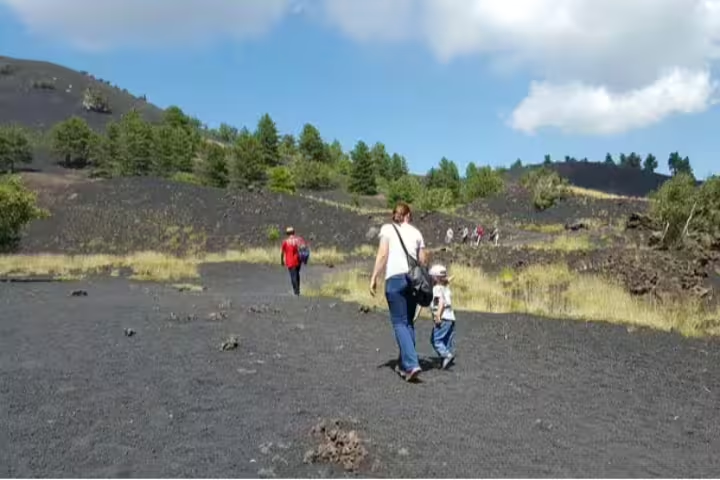
Mount Etna

logoBlack

Build your dream
experience

dreamimg

More to know about Mount Etna


Mount Etna Travel Guide

Mount Etna is Europe’s most active volcano, a dramatic landscape of black lava fields, smoking craters, and fertile vineyards that feels both raw and surprisingly alive. The experience blends geology, Sicilian culture, and big-sky viewpoints over the Ionian coast, with Catania as the natural gateway. Use this guide to plan smarter, choose the right altitude and activity level, and build an itinerary that matches your time, budget, and comfort with volcanic terrain.


Snapshot

Mount Etna delivers a signature vibe that is equal parts elemental and elegant, where lunar-like lava slopes sit above villages, wineries, and pistachio groves. Go for crater panoramas, volcanic hiking, and the chance to see how Sicily’s most powerful natural force shapes local life and food. It is especially rewarding when you time your visit for clear visibility and pick experiences that match weather and wind conditions at higher elevations.


🗺️ Geography and Logistics

📍 Orientation: Where is it within Catania and ?

Mount Etna rises above eastern Sicily, with Catania as the main base for day trips and multi-day stays. For most travelers, the key hub is Catania, which connects to the volcano’s access points via organized excursions, private transfers, and regional road routes. Plan your day around the specific slope or access area you want to explore, since viewpoints, trail conditions, and experiences can vary widely around the volcano.

🕒 When to Go: Seasonal breakdown

Conditions on Mount Etna change quickly with altitude, and weather at the coast can differ from the summit zone. Warmer months generally support longer days for hiking and broader access to outdoor activities, while cooler months can bring colder temperatures and more challenging conditions higher up. Crowd levels tend to follow typical Sicily travel patterns, so consider shoulder periods if you want a calmer feel and more flexibility with tours.

💰 Budget & Currency: Practical money tips

Italy uses the euro, and you will find a mix of card-friendly businesses and cash-preferred vendors depending on where you are on the volcano’s slopes. Bring a small amount of cash for quick purchases, tips, and small local stops, especially outside city centers. If you are booking guided experiences, compare what is included, such as transport, gear, and guiding, since inclusions can affect overall value more than the headline price.


⭐ Essential Things to Do

Note: Experiences on Mount Etna can be impacted by weather, wind, and volcanic activity. Always follow local guidance and choose reputable operators for higher-altitude excursions.

1) Summit and crater viewpoints
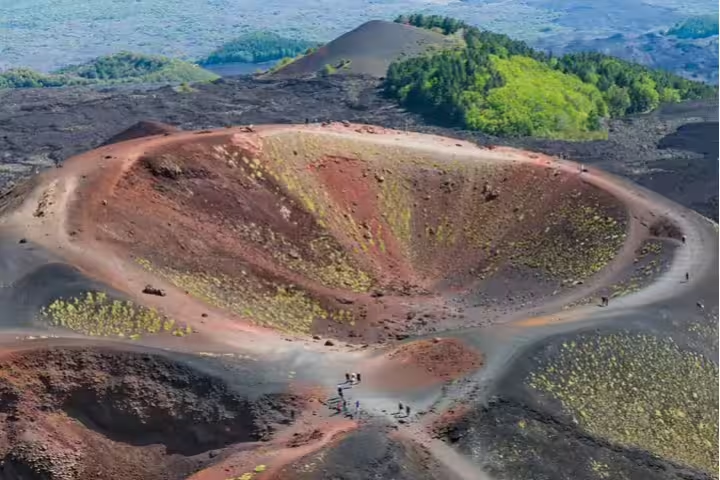
Why it matters: The higher you go, the more you feel the scale of Mount Etna, from layered lava flows to wide views toward the Ionian coastline. Even without going to the highest points, crater landscapes deliver the “other-planet” atmosphere many travelers come for. Practical tip: Prioritize clear visibility days, and bring a wind layer, higher elevations can feel much colder than Catania.

2) Guided volcanic hike
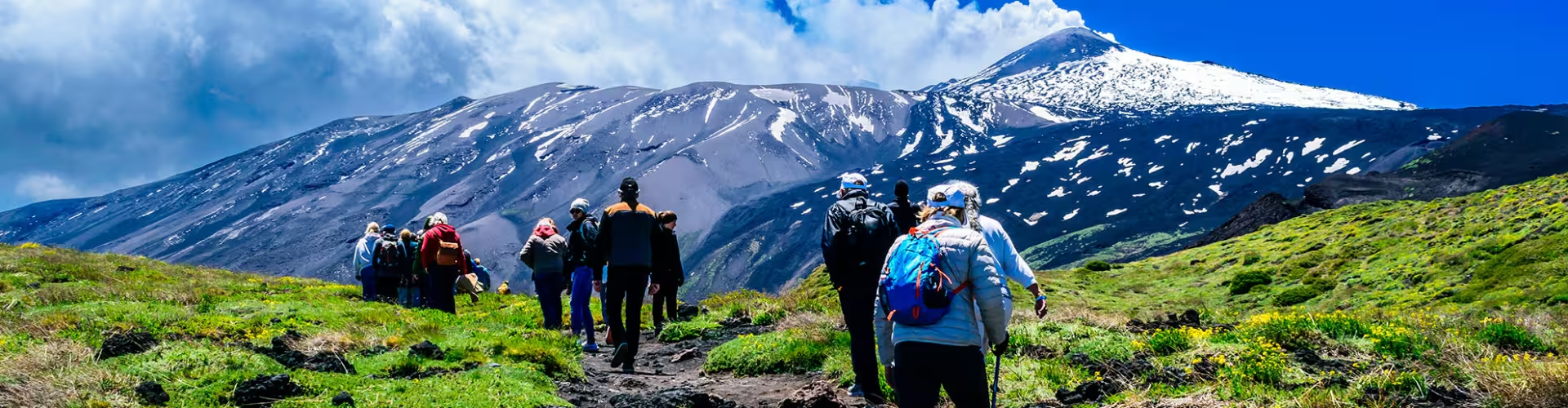
Why it matters: A guide helps you read the landscape, identify lava textures, and understand how the volcano has shaped settlement and agriculture. It also adds a safety buffer in terrain that can be loose, steep, and disorienting in fog. Practical tip: Choose a hike that matches your fitness and comfort level, and ask in advance about footwear recommendations and route difficulty.

3) Lava fields and geological formations
Why it matters: Walking across hardened lava flows makes the volcano’s power tangible, and you can often see how different eruptions created different shapes and surfaces. These areas are photogenic, especially when sunlight highlights the contrast between black rock and green vegetation. Practical tip: Wear sturdy shoes with grip, and avoid stepping on unstable edges or crumbly sections.

4) Etna wine country tastings
Why it matters: Volcanic soils and altitude create distinct wines with mineral character, and tastings connect the landscape to local craftsmanship. Vineyards on Mount Etna also offer some of the most memorable scenic lunches in eastern Sicily. Practical tip: If you are driving, plan a designated driver or book transport, and confirm whether a tasting includes a full meal or small bites.

5) Scenic viewpoints over Catania and the Ionian Sea
Why it matters: The volcano’s slopes provide natural balconies, with views that link city, coastline, and mountain in one frame. It is an ideal way to appreciate how close Catania sits to a living volcano. Practical tip: Aim for late afternoon light for softer photos, and keep an eye on cloud build-up that can roll in quickly.

6) Local villages on the slopes
Why it matters: Towns around the volcano show the human side of Mount Etna, daily life, food traditions, and architecture shaped by both prosperity and rebuilding. They are also great places to slow down after a rugged hike. Practical tip: Pair a village stop with a bakery or café break, and keep your schedule flexible for traffic and parking.

7) Photography and stargazing style evenings
Why it matters: The dark volcanic terrain and open horizons can create striking silhouettes and night-sky moments when conditions cooperate. Even without specialized gear, you can capture dramatic contrasts between lava rock, sky, and distant city lights. Practical tip: Bring a small flashlight and an extra layer, and avoid isolated areas alone if you are unfamiliar with the terrain.

8) Family-friendly nature stops at lower elevations
Why it matters: Not every visit needs high-altitude exposure, lower areas can still deliver lava landscapes, forested sections, and manageable walks. This is a practical option if weather is unstable or if you are traveling with kids or mobility concerns. Practical tip: Choose shorter, well-defined paths, and pack snacks and water since services can be spread out.


🚶 Curated Itineraries

⏰ The Highlights (1 Day)

Start from Catania early to maximize visibility and beat peak crowding. Focus on one main access area, pair a guided walk or viewpoint session with time on lava terrain, then finish with a relaxed meal on the slopes. If you want a classic arc, do landscapes first, food and wine later, and return to the city before evening traffic builds.

⏰ Deep Dive (2 to 3 Days)

Day 1: Choose a guided hiking experience that matches your fitness, then spend the afternoon in a nearby village for a slower cultural rhythm. Day 2: Dedicate time to Etna wine country, tasting volcanic wines and learning how altitude and soil shape flavor, then add a sunset viewpoint if skies are clear. Day 3, if you have it: Explore a different side of the volcano for contrasting scenery, and keep a buffer for weather changes that can shift plans at higher elevations.


🍽️ Flavors of Mount Etna

Mount Etna is not just a landscape, it is a pantry. Volcanic soils support vines, orchards, and nuts that show up across eastern Sicily’s tables.

  • Etna DOC wines: Often mineral, structured, and shaped by altitude. Ordering tip: Ask for a wine from a specific contrada if available, it can highlight micro-terroir differences.
  • Pistachio specialties: Nutty, rich, and often used in sweets or savory dishes. Ordering tip: Look for pistachio-based pastries or spreads made locally rather than generic versions.
  • Seasonal mushrooms: Earthy flavors that pair naturally with the volcano’s forests. Ordering tip: Ask what is in season, and choose simple preparations that let the ingredient stand out.
  • Local cheeses: Ranging from mild to more assertive, often served with bread and olive oil. Ordering tip: Request a small mixed board to sample more than one style without over-ordering.
  • Grilled meats and rustic pasta: Comforting, hearty dishes that suit cooler mountain air. Ordering tip: Ask for the house specialty, these places often do one or two things exceptionally well.
  • Granita and brioche: A classic Sicilian pairing, refreshing after a dusty hike. Ordering tip: If you want a lighter stop, share one portion and add coffee.

🚌 Navigation & Transport

Most travelers base themselves in Catania and reach Mount Etna via guided tours, private transfers, or rental car routes to the volcano’s access areas. Driving gives flexibility, but weather, visibility, and parking can influence timing, especially during popular periods. If you are not driving, organized excursions simplify logistics and can bundle transport with guiding, which is useful when conditions change at altitude.

On the volcano itself, walking is essential for viewpoints and lava terrain, so plan for uneven ground and bring stable footwear. For accessibility needs, focus on lower-elevation stops and viewpoints that minimize steep or loose surfaces. Safety matters here, stay on marked paths, respect barriers, and follow local advice if wind or volcanic activity limits access.


🌄 Beyond the Center: Day Trips

  • Catania: The natural gateway city for the volcano, ideal for markets, architecture, and evening dining after a day outdoors.
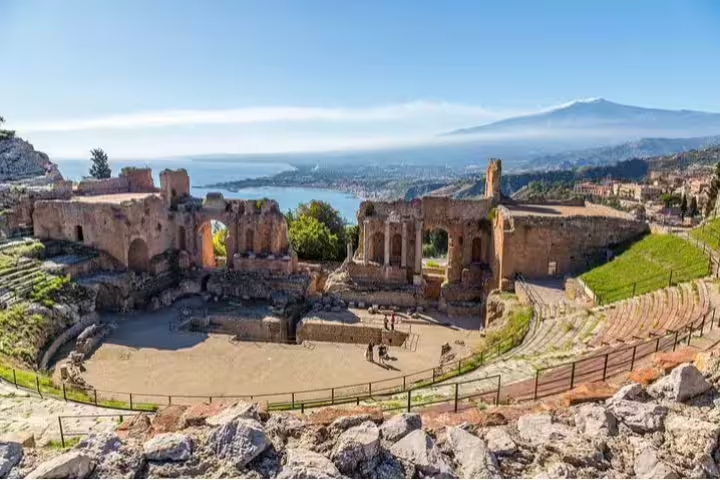
  • Taormina: A classic scenic town with coastal views, a strong choice when you want a more polished, romantic atmosphere.
  • Syracuse: Known for layers of history and a slower coastal pace, a good counterbalance to the rugged volcano landscapes.
  • The Ionian coast: Beach time and sea views, useful as a recovery day if you have done a more demanding hike.

✅ Insider Tips for Travelers

  • Dress in layers, conditions can shift quickly with altitude and wind.
  • Choose sturdy shoes with grip, lava rock can be sharp and unstable underfoot.
  • Build a weather buffer into your schedule, flexibility is part of planning Mount Etna well.
  • For higher-altitude activities, book reputable guided experiences and follow on-the-day safety guidance.
  • Start early for clearer visibility and a calmer feel at popular viewpoints.
  • Carry water and snacks, services can be spread out on the slopes.
  • Do not take rocks or natural materials, treat volcanic landscapes as protected environments.

❓ Frequently Asked Questions, FAQ

What is the best base for visiting Mount Etna?

Catania is the most practical base because it is close to the volcano and works well for day trips. It also gives you plenty of dining and accommodation options for before and after your excursion.

How much time should I plan for a Mount Etna visit?

Many travelers visit in one full day, especially if they are focusing on viewpoints and one guided walk. If you want hiking plus wineries and villages, two to three days offers a more relaxed pace.

Do I need a guide to hike on Mount Etna?

A guide is strongly recommended for more demanding routes or higher elevations because terrain and weather can change quickly. For easier lower-elevation walks, you can often choose simpler paths, but you should still follow local guidance and stay on marked routes.

What should I wear and pack for Mount Etna?

Bring layered clothing, a wind layer, and sturdy shoes with good grip. Pack water, sun protection, and a small flashlight if you plan to stay out near dusk.

Can I combine Mount Etna with wine tasting in the same day?

Yes, it is a popular combination because the vineyards sit on the slopes and connect naturally to the volcanic landscape. Plan landscapes first, then tastings later, and arrange transport if you will be drinking.