Last updated:


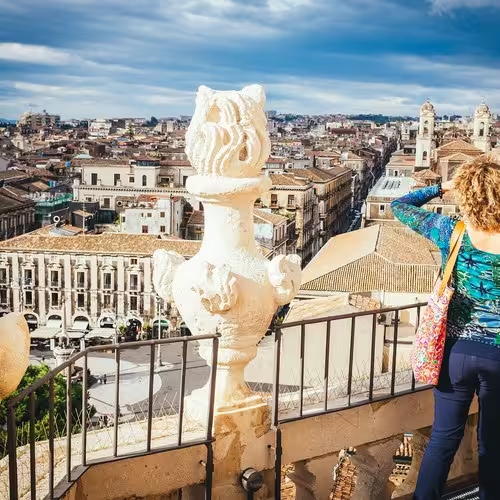
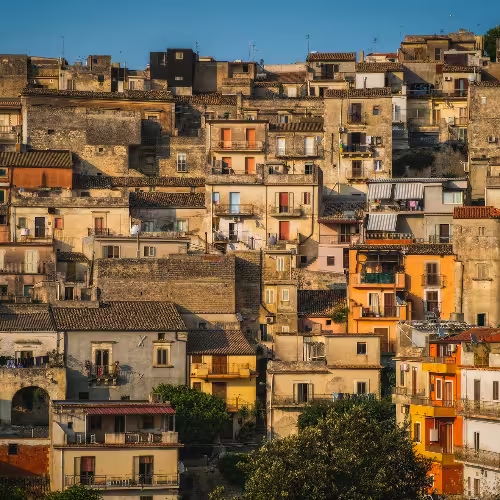
Catania suits a trip that pairs historic buildings with time devoted to Etna. The city was rebuilt in the 18th century after Etna caused severe damage in 1669 and an earthquake destroyed it in 1693. Catania also belongs to the Val di Noto group of eight towns awarded UNESCO World Heritage recognition in 2002.
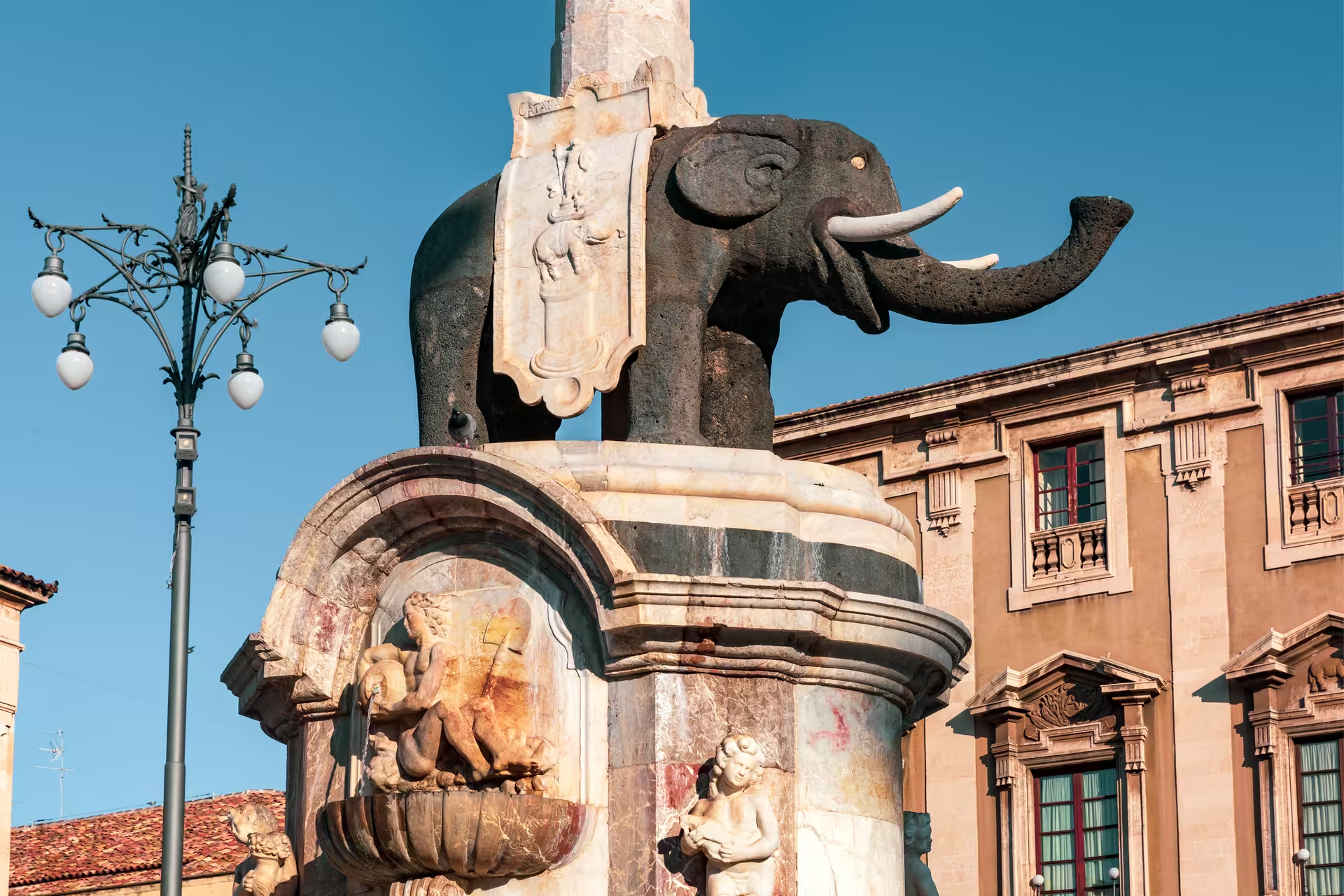
Piazza Duomo, Castello Ursino and the Greek-Roman theatre make a useful framework for a sightseeing day. At the Elephant Fountain in Piazza Duomo, look for the black basalt elephant and the sculptures representing the Simeto and Amenano rivers. Giovanni Battista Vaccarini created the fountain between 1735 and 1737. The Amenano itself runs beneath Catania and appears above ground in only a few places.
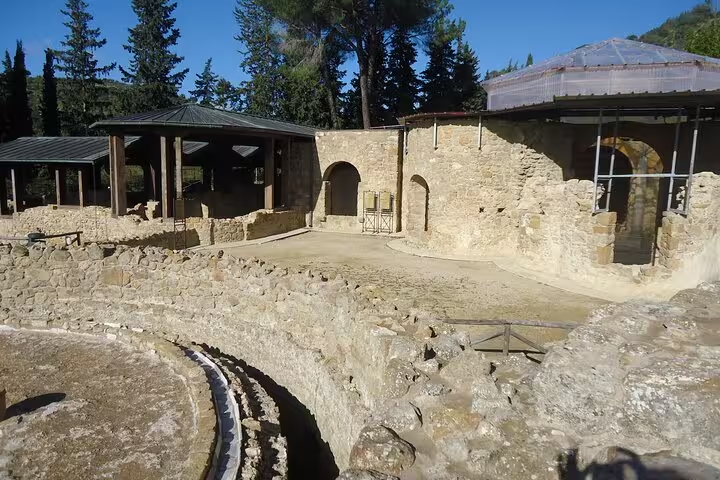
For a change from the fountain, make Castello Ursino your next visit: it dates to 1239 and formed part of Frederick II of Swabia's defensive works. The Museo Civico was founded there in 1934. At the Greek-Roman theatre, the seating is divided into nine sections by eight stairways, so there is a different architectural story to follow. Its Roman development began in the Augustan period, with the final arrangement dating to the 2nd century AD.
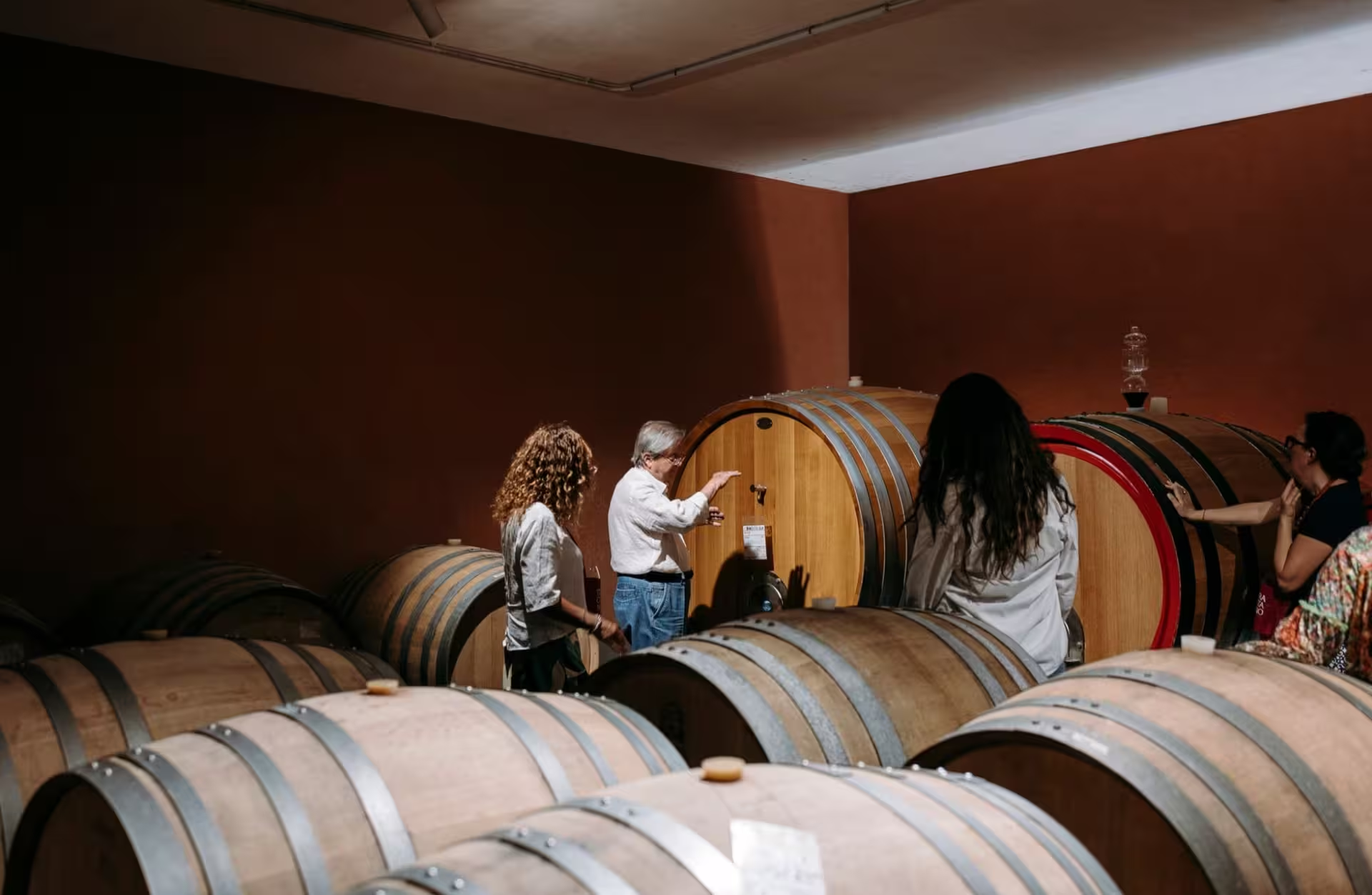
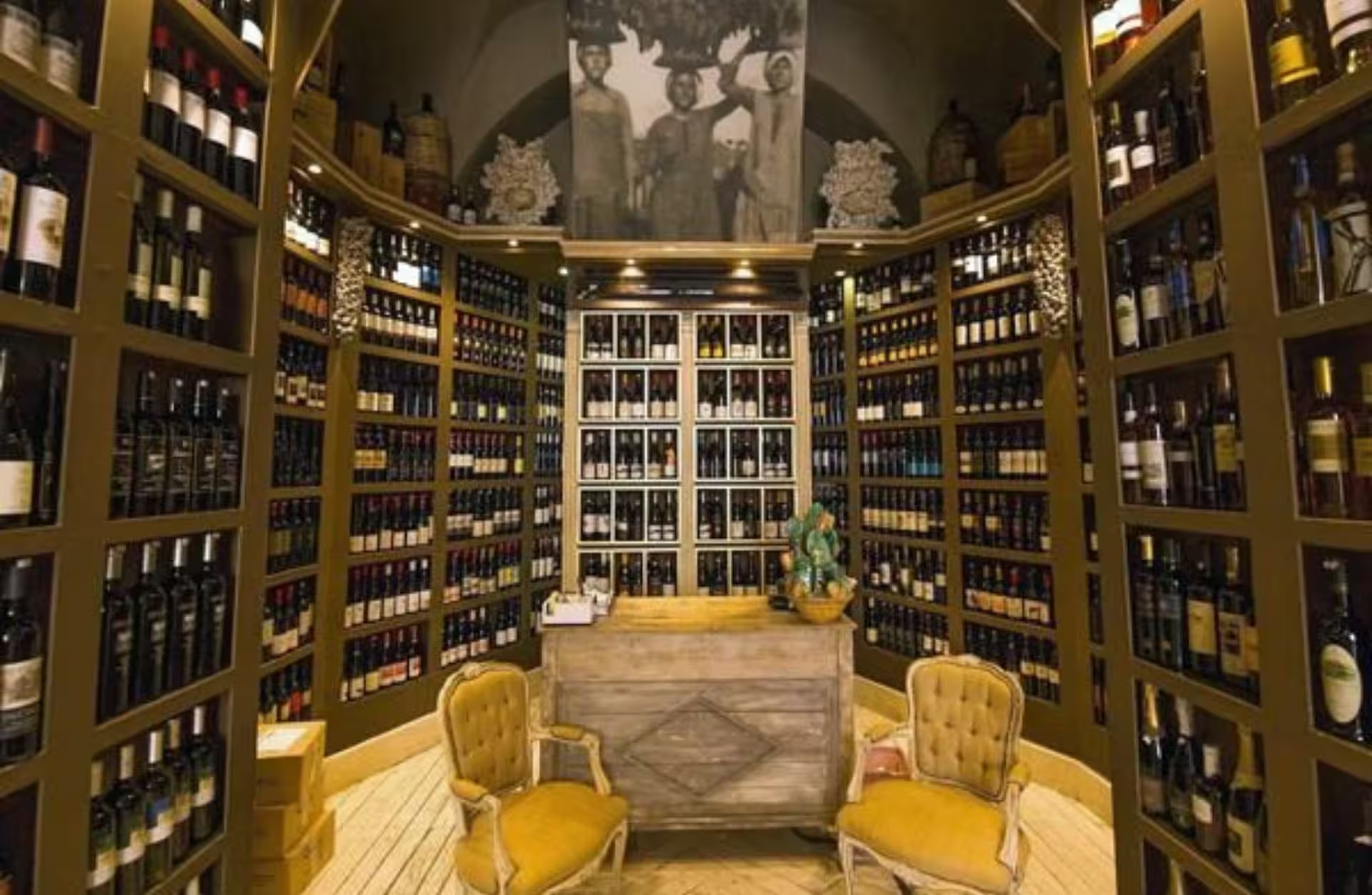
For wine rather than another building visit, the Etna wine tasting and food pairing guided tour in Catania lasts 1 hour and includes four glasses of Sicilian wine, a traditional Sicilian buffet with DOP and Slow Food-certified products, and a guided introduction with tasting notes. Entry to the baroque enoteca and ceramic showcase is included, while underage guests receive a non-alcoholic drink and buffet access.
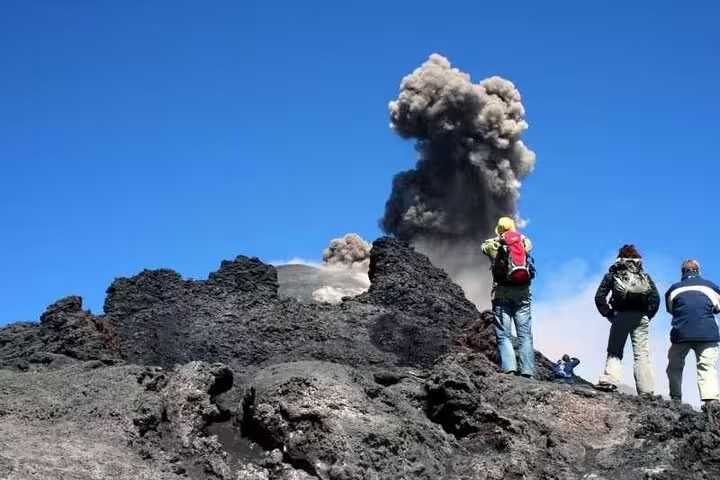
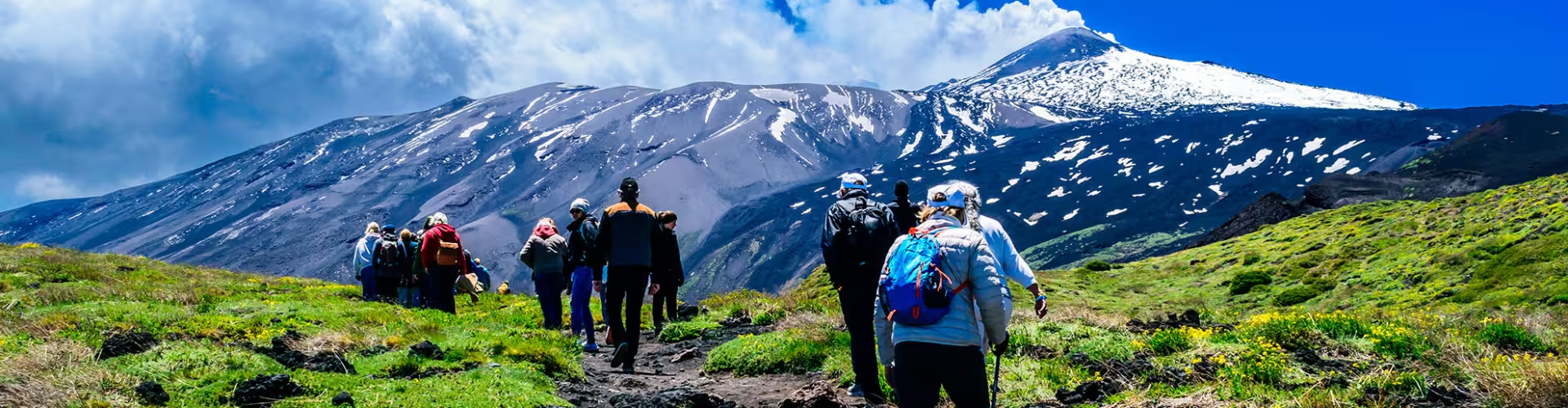
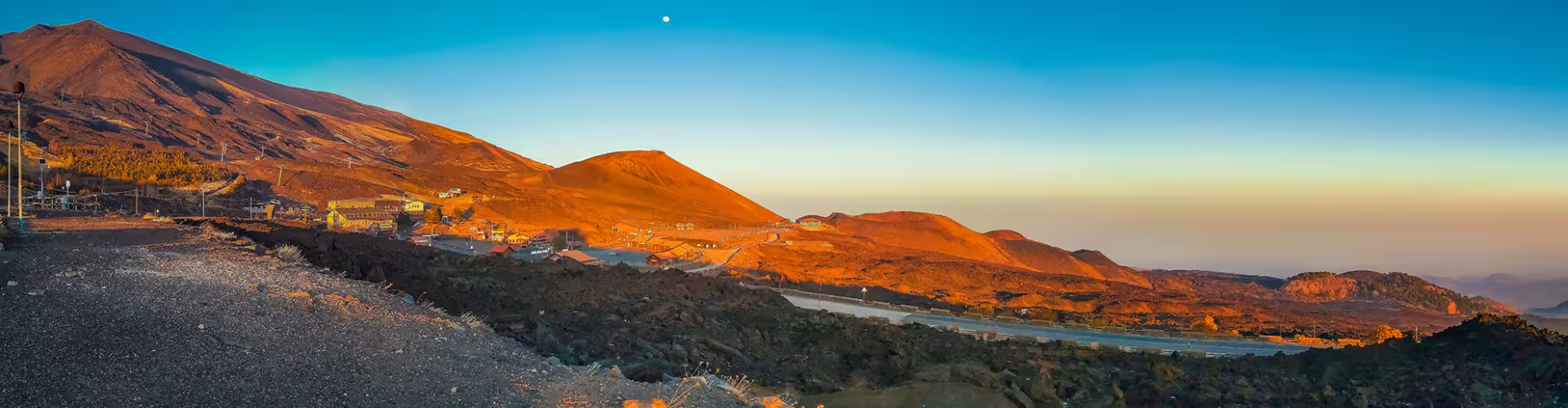
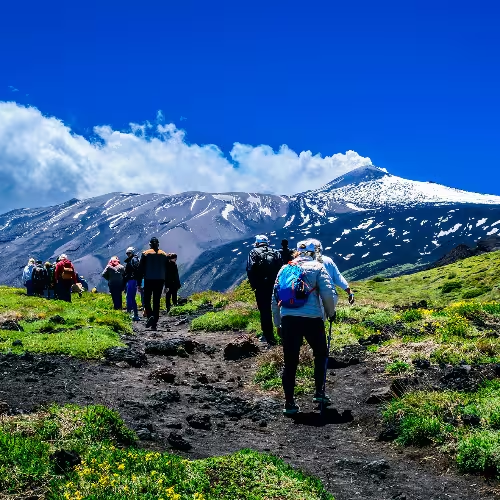
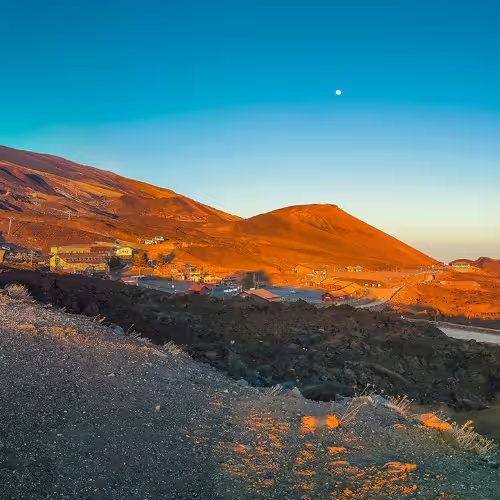
Two days are a useful plan for Catania's sights and a separate Etna outing. Keep the first day for Piazza Duomo, Castello Ursino and the Greek-Roman theatre, then devote the second to Etna rather than trying to fit the volcano between city visits. Etna received UNESCO World Heritage status in 2013, and its activity has been recorded for at least 2,700 years.
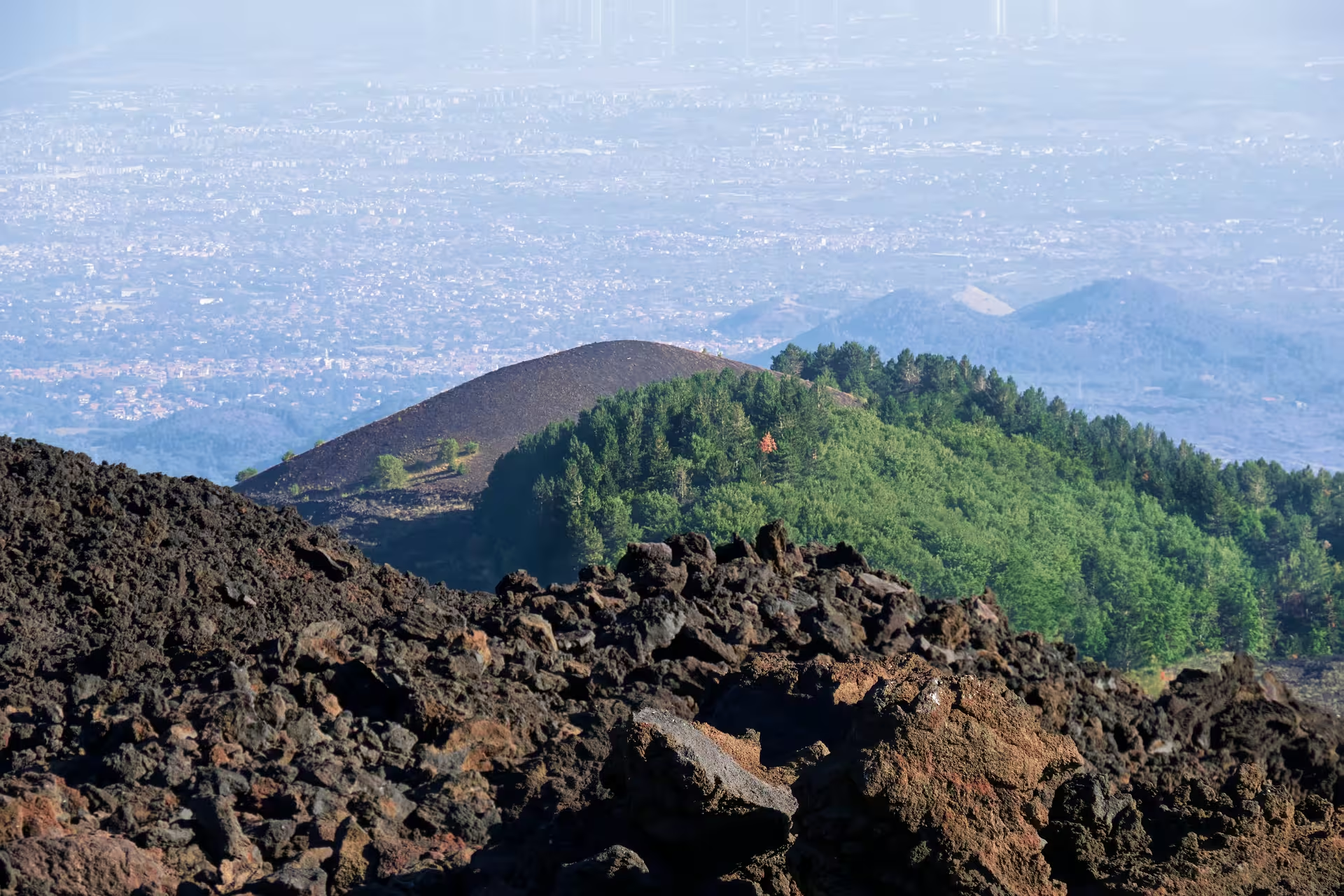
For an organised volcano day departing from Taormina, the Mount Etna full-day 4x4 Jeep tour with lunch lasts 8 hours and includes an air-conditioned Land Rover or similar vehicle and a professional driver-guide. The included three-course country restaurant lunch comes with local wine and mineral water.
For a visit centred on the Feast of Saint Agatha, plan for 3 to 5 February: the wax-offering rite opens the feast on 3 February, and the main processions follow on 4 and 5 February. The candelore carried during the feast represent historic arts and crafts guilds, giving the celebration a connection to the city's working traditions.
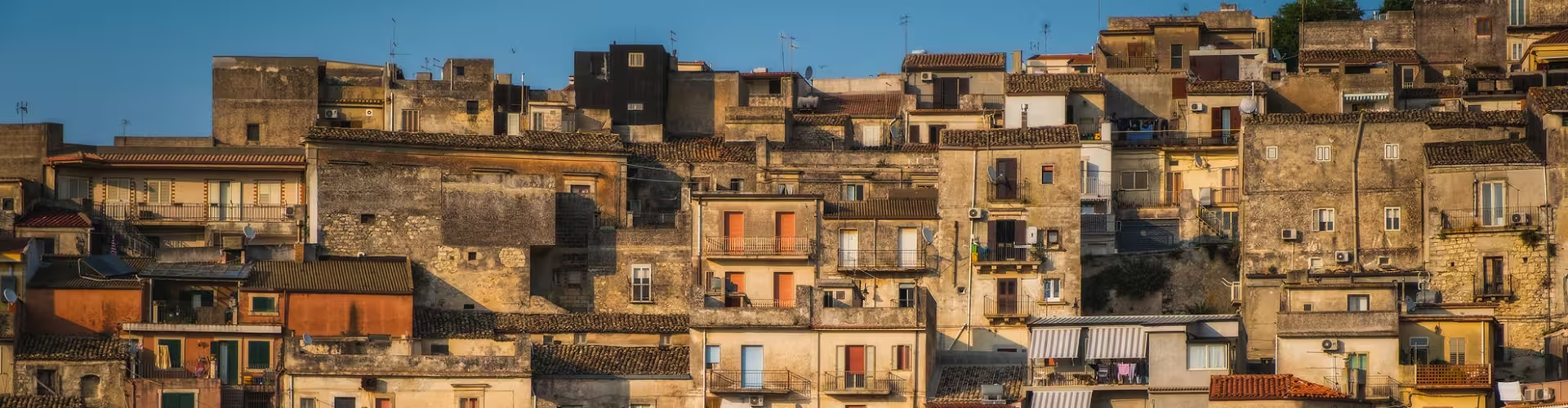
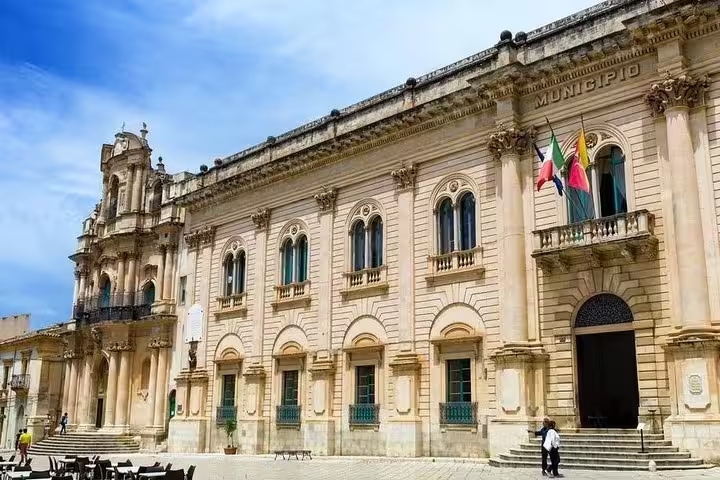
Ragusa and Scicli are options for extending the Val di Noto theme beyond Catania. Both belong to the same UNESCO group, whose towns were rebuilt in the late Baroque style during the 18th century after the 1693 earthquake. The Inspector Montalbano guided tour of Ragusa, Scicli and Sicily lasts 7 hours and includes guided visits to Ragusa Ibla's historic centre and Scicli's historic centre and town hall, with commentary on Andrea Camilleri's novels and the television production.
Etna rises to more than 3,300 metres, with a base roughly 40 kilometres across.
Monitoring continues around the clock, 24 hours a day, throughout the year.
The granite column above the elephant measures 3.66 metres in height.