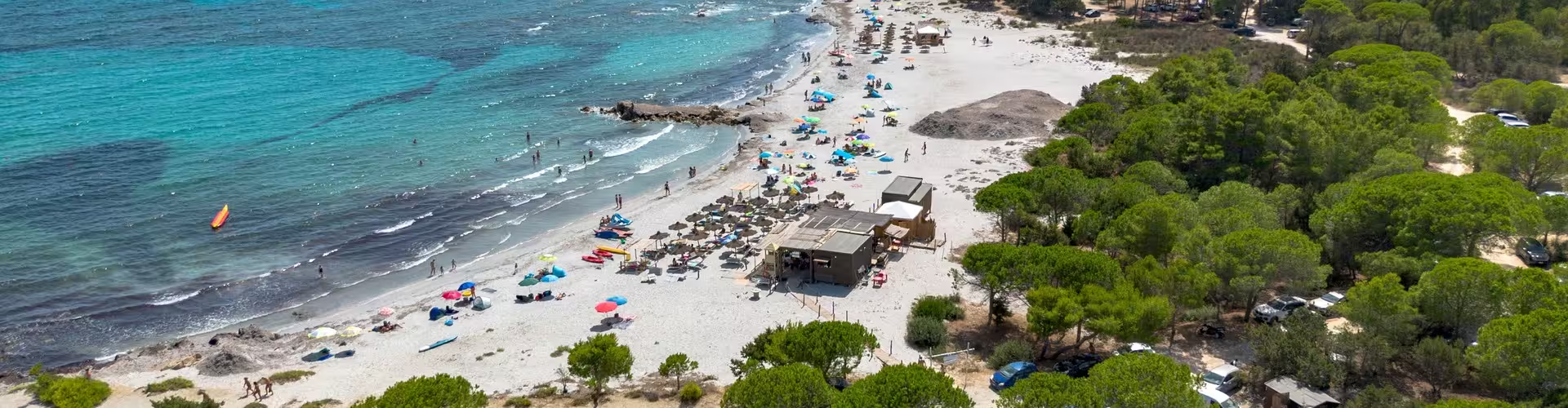
Cala Liberotto is a beach focused base on Sardinia’s east coast in the Province of Nuoro, known for clear water, pine backed coves, and an easygoing rhythm that suits both families and independent travelers. The appeal is simple and strong, swim friendly bays, photogenic coastal walks, and quick access to other Gulf of Orosei highlights without needing to change hotels every night. Use this guide to plan logistics, choose the right season, and build a practical itinerary that matches your pace.
Cala Liberotto feels like a coastal reset, calm mornings, long swims, and evenings shaped by sea air and slow dinners. It is a smart choice when you want Sardinia’s famous water and scenery with less pressure to rush from one headline sight to another. Go now if you value flexible days, because this stretch of coast rewards travelers who leave space for weather, light, and spontaneous stops.
Cala Liberotto sits on Sardinia’s eastern side within the Province of Nuoro, a coastal area that connects naturally to the Gulf of Orosei landscape of coves, rocky headlands, and Mediterranean vegetation. For most travelers, the most practical gateways are Sardinia’s main airports and regional transport hubs, then onward by road to the coast. Once you arrive, the area is set up for beach days and short coastal drives, with nearby villages and viewpoints shaping the day to day flow.
Timing changes the experience more than almost anything else. Warmer months generally bring the most reliable beach weather and the liveliest atmosphere, with higher demand for accommodations and parking near popular coves. Shoulder season is often about balance, comfortable days for walking and exploring, fewer crowds, and a calmer feel on the sand. In cooler periods, the coast can feel wonderfully quiet, better for scenic drives and nature focused time, with swimming depending on conditions and your comfort level.
Italy uses the euro, and a mix of card and cash is still practical for coastal travel. Keep some cash for small purchases and situations where connectivity can be inconsistent, especially when you are moving between beaches or stopping at smaller businesses. Budget expectations depend on season and how close you stay to the water, so planning early gives you more choice rather than forcing last minute upgrades. A simple money rule works well here, reserve big items ahead, then keep daily spending flexible for food, beach extras, and short drives.
Swim and unwind at the beaches of Cala Liberotto. The signature experience is the water itself, clear, inviting, and ideal for long, unhurried swims. The pine backed setting adds shade and that classic Mediterranean scent that makes the coast feel restorative. Practical tip, arrive earlier in the day to secure easier access and enjoy the softest light for photos.
Walk the coastal edges for viewpoints. Even short walks change your perspective, turning a beach day into a scenic story of coves, headlands, and shifting color in the sea. These moments are what make Cala Liberotto feel more than a single beach stop. Practical tip, bring water and sun protection, and time your walk for late afternoon when the heat eases.
Plan a beach hopping loop along the Gulf of Orosei coast. This area rewards a flexible loop, a swim here, a viewpoint there, then a longer pause where the conditions look best. It is also a smart way to manage wind or cloud, because a nearby cove can feel completely different. Practical tip, keep your day lightly structured and choose stops based on sea conditions rather than a rigid checklist.
Snorkel in calm, clear water. When the sea is settled, visibility can be excellent, and snorkeling becomes an easy, low effort way to add discovery to a relaxed day. It turns a familiar beach into something more immersive, especially around rocky edges where marine life tends to gather. Practical tip, go earlier for calmer water and better clarity, and use water shoes if you expect rocky entry points.
Sunset watching with a simple picnic. Evenings are part of the destination’s charm, with softer light, cooler air, and a slower pace that suits couples and families alike. A small picnic keeps it uncomplicated and lets you stay longer without chasing reservations. Practical tip, bring a light layer for the breeze and leave no trace, especially around dunes and vegetation.
Photograph the color shifts of the sea. The east coast light can make the water look layered, from pale turquoise to deeper blue, and the contrast with sand and greenery is striking. Photography here is less about landmarks and more about atmosphere and texture. Practical tip, shoot in the morning for clean color, then return later for warmer tones and silhouettes.
Slow travel day with a book and long lunch. Part of what makes Cala Liberotto valuable is how well it supports downtime, the kind of day that resets your energy mid trip. This is also when you notice the details, local routines, sea sounds, and the pace of coastal life. Practical tip, plan one intentionally unplanned day so you do not feel pressured to move constantly.
Use Cala Liberotto as a base for nearby coves and villages. Staying put can be the most efficient strategy in this part of Sardinia, because you can explore outward without repacking. It also helps you learn the best times for your favorite beach and repeat it when conditions are perfect. Practical tip, map your short drives in advance and keep a backup plan in case parking is limited at peak times.
Start with an early beach session in Cala Liberotto to enjoy calmer water and a quieter shoreline. Midday, shift into shade for a slower lunch and rest, then take a short coastal walk for viewpoints and photos. Finish with a sunset pause near the water, keeping dinner plans simple so you can follow the best light and the most comfortable conditions.
Day 1 focuses on settling in, beach time, a coastal walk, and learning the practical rhythm of access and parking. Day 2 becomes your exploration day, use a beach hopping loop along the surrounding Gulf of Orosei coast, adding snorkeling when the sea is calm and choosing coves based on wind and clarity. Day 3 is for slow travel, repeat your favorite spot in Cala Liberotto, then add a short drive to a nearby village or viewpoint so the trip ends with variety rather than exhaustion.
Seafood focused pasta. Expect clean, briny flavors that pair well with a simple coastal appetite after swimming. Ordering tip, ask for the day’s seafood pasta option if you want what is freshest.
Grilled fish. This is often about simplicity, good fish, olive oil, and careful cooking rather than heavy sauces. Ordering tip, choose grilled when you want a lighter meal that still feels distinctly coastal.
Sardinian bread and local olive oil. A common table staple that highlights regional ingredients and sets the tone for an unhurried meal. Ordering tip, start with bread and olive oil to keep things simple while you decide on mains.
Cheese and cured meats. Inland Sardinia is known for pastoral traditions, and even on the coast you will often see boards that reflect that heritage. Ordering tip, share a mixed board as a starter if your group has different tastes.
Seasonal vegetables. Sardinian cooking often leans on what is in season, prepared with restraint so the ingredients stay recognizable. Ordering tip, add a vegetable side to balance seafood and richer dishes.
Italian coffee. A small coffee can mark the transition from beach day to evening, especially if you keep dinner later. Ordering tip, order coffee simply and enjoy it standing if that is the local rhythm where you are.
Getting around is typically easiest by road, since beaches and viewpoints are spread along the coast and you may want the freedom to change plans based on conditions. Walking works best for short distances, especially for reaching viewpoints or moving between nearby sections of beach, but longer hops are more practical with a car. If you are driving, build in extra time for finding parking during busy periods and keep your day flexible so you can swap to a less crowded cove. For safety and comfort, carry water, sun protection, and footwear that can handle sand and occasional rocky paths, and consider accessibility needs when choosing which beach access points to use.
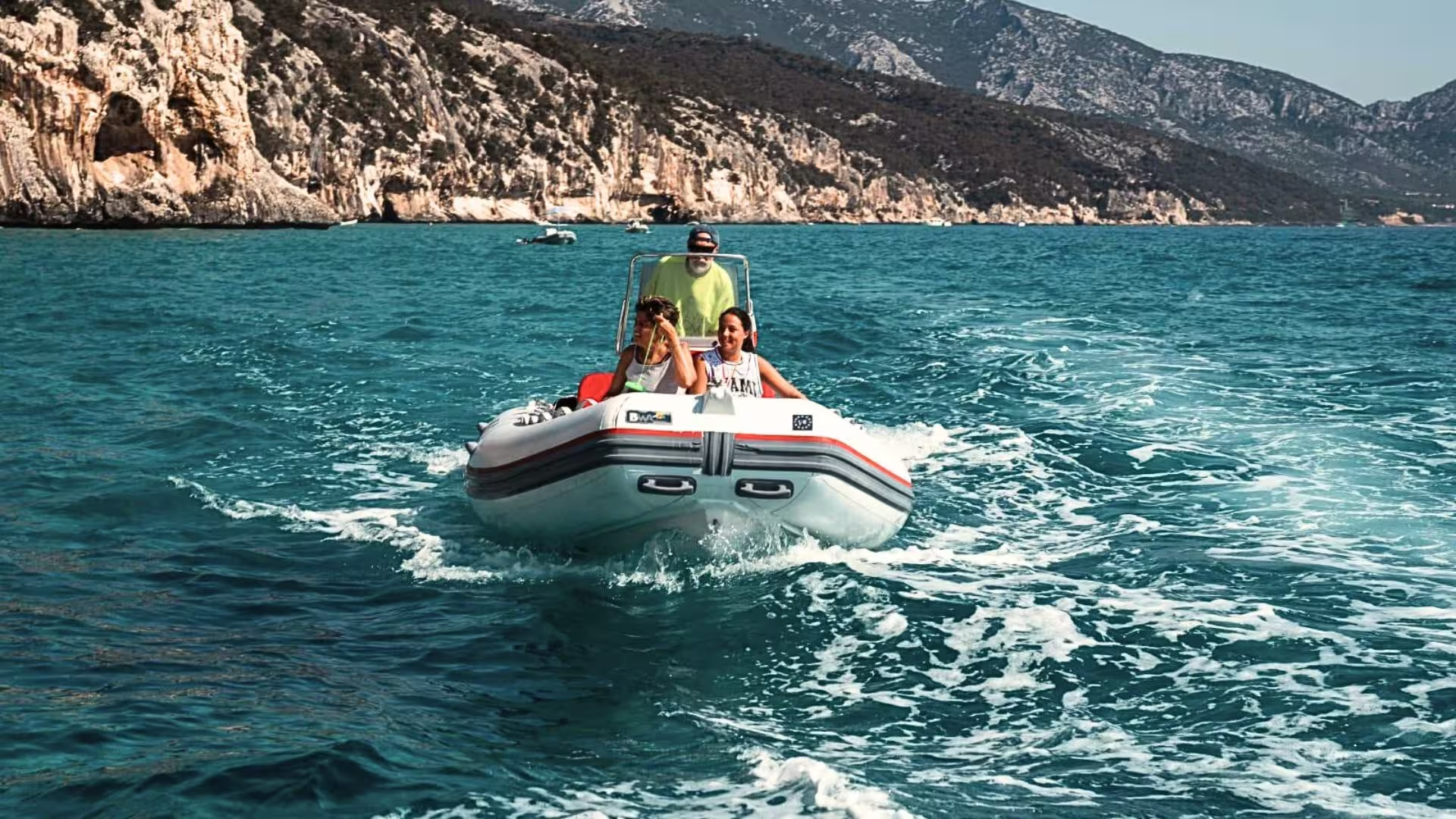
Gulf of Orosei coastal coves. A short drive from Cala Liberotto can lead you to new swimming spots and different angles on the coastline. Reason to visit, variety in scenery and water conditions without changing your base.
Nearby villages in the Province of Nuoro. Inland and coastal villages add cultural texture, slower streets, local food, and a different pace from the beach. Reason to visit, a break from sun focused hours and a chance to see everyday Sardinian life.
Scenic viewpoints along the east coast. Viewpoints turn the coastline into a panorama and help you understand the geography that shapes the coves. Reason to visit, the best photo moments often come from above rather than on the sand.
Nature focused drives through Mediterranean landscapes. The vegetation, scents, and open skies are part of the experience, not just the water. Reason to visit, a relaxed half day that still feels distinctly Sardinian.
It works especially well as a base because you can repeat the beach when conditions are best and still take short drives to nearby coves and viewpoints. A day trip can feel rushed if you want both swimming and a coastal walk.
A car is typically the easiest way to connect beaches, viewpoints, and nearby villages, especially if you want flexibility. Walking is best for short distances once you are near the shore.
Earlier in the day often brings calmer water and clearer visibility, which helps for snorkeling. Later in the day can be beautiful for atmosphere, but conditions depend on wind and sea state.
Two to three days gives you time for a relaxed beach day, one exploration loop, and one slower repeat day. Cala Liberotto rewards this pace because you can adapt to weather and crowds.
Bring sun protection, water, and footwear that can handle sand and occasional rocky access points. For Cala Liberotto, a light layer for evenings is useful when coastal breezes pick up.