Arbus is a destination in Sardinia where wild coastline, mining heritage, and wide-open landscapes come together in a way that feels rugged and authentic. This guide focuses on how to plan a smooth trip, what to prioritize, and how to experience the area with confidence. Expect practical logistics, curated things to do, and itinerary ideas designed for travelers who want nature, culture, and breathing room.
Arbus delivers a raw, outdoors-first vibe, shaped by wind, sea, and a deep connection to the island’s working past. It suits travelers who prefer scenic drives, big horizons, and places that feel untamed rather than polished. Go when you want space, softer light for photography, and a slower rhythm that makes it easier to absorb Sardinia beyond the headline hotspots.
Arbus sits in southwestern Sardinia, within the Province of Medio Campidano, an area known for dramatic coastal stretches and inland scenery. For most travelers, the practical approach is to reach Sardinia via its main air gateways and then continue by road, since many natural sights around Arbus are spread out and best accessed with flexible transport. Plan for a destination that is more about landscapes and distances than a compact, walk-everywhere city center.
Seasonality in this part of Sardinia is mainly about the balance between weather and crowd levels. Warmer periods favor beach time and long daylight hours, while cooler periods can be better for scenic drives, hiking-style exploration, and calmer viewpoints. If you want a quieter feel and easier pacing, aim for shoulder season conditions when the atmosphere is relaxed and the roads feel less pressured.
Italy uses the euro, and travelers should expect typical Italian payment norms where cards are common but cash can still be useful for small purchases and rural stops. Arbus is best approached with a practical budget mindset, since transport and day-to-day logistics can shape costs more than ticketed attractions. Keep a small cash reserve, and plan your route to reduce backtracking and fuel spend.
Below are curated experiences designed to help you understand the character of Arbus while keeping your days realistic and rewarding.
1) Explore the Costa Verde coastline
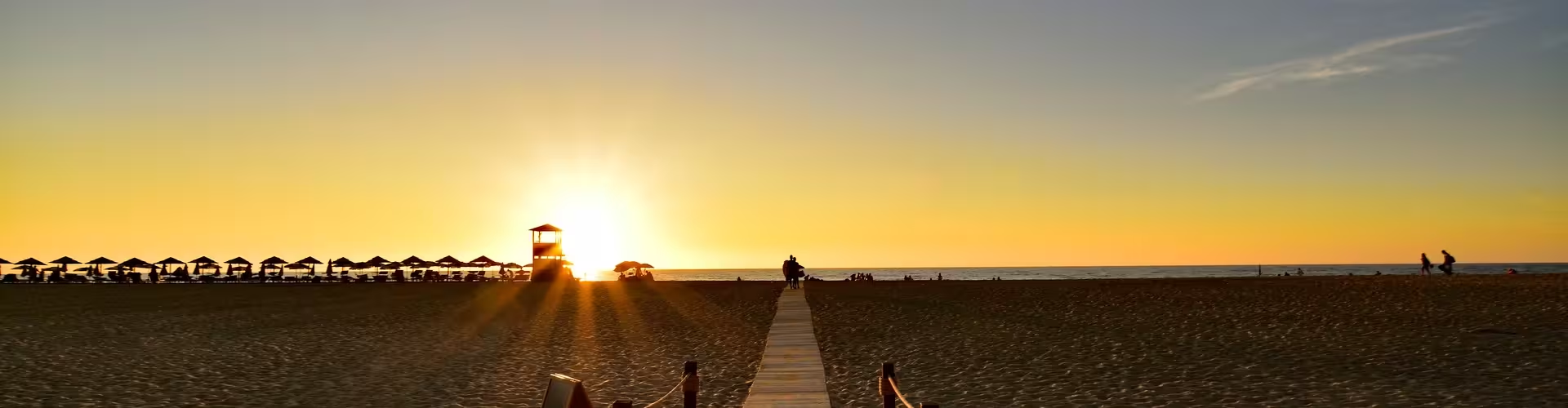
Why it matters: The “Green Coast” is one of the defining identities of this area, where dunes, cliffs, and open sea create a powerful sense of scale. It is the kind of place that rewards patience, because the best moments often happen between stops, when the light shifts and the wind changes the mood. Practical tip: Build in time for short pull-offs and viewpoint pauses, and keep layers handy because coastal wind can make temperatures feel cooler.
2) Discover the mining heritage landscape
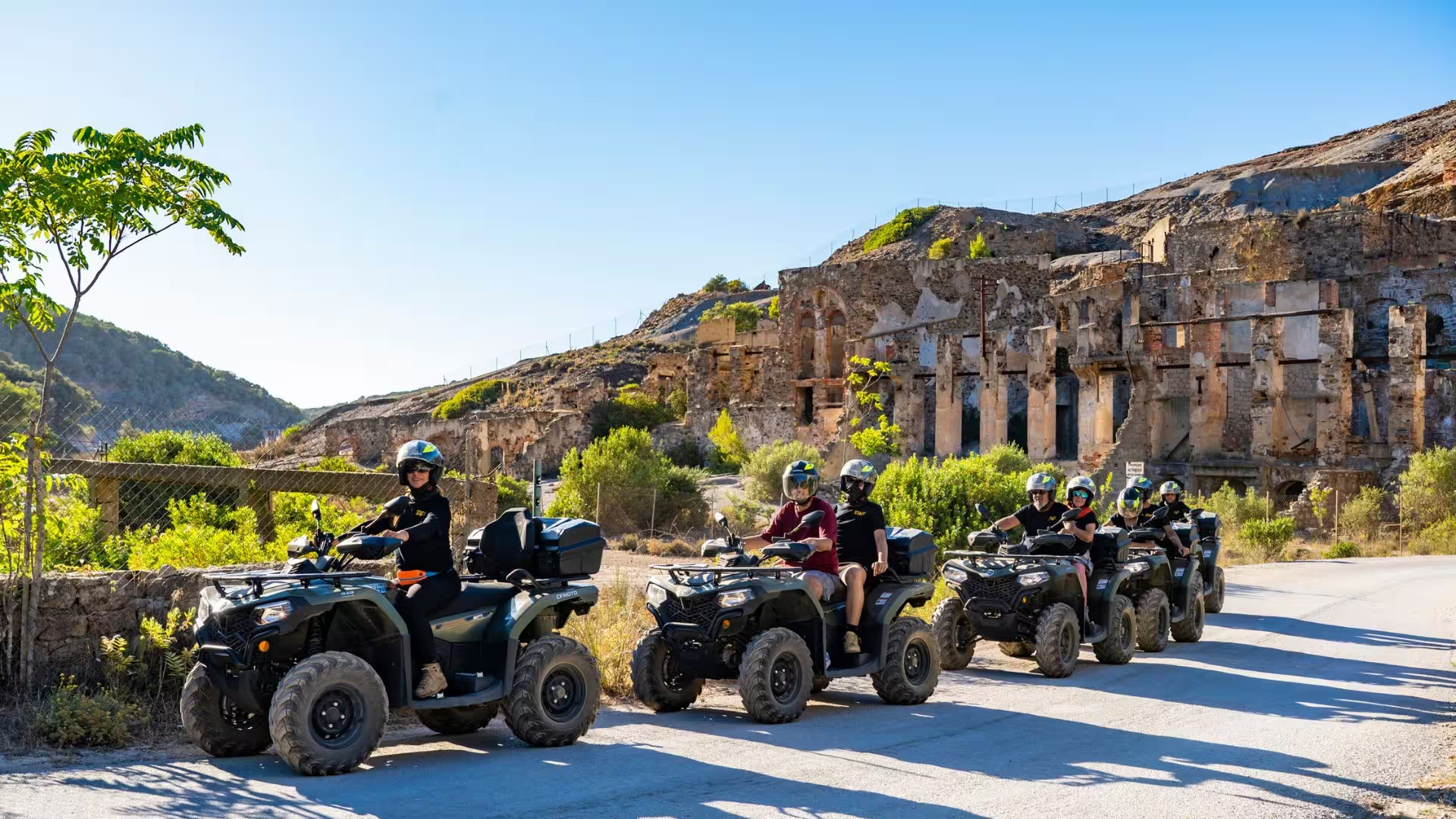
Why it matters: Southwestern Sardinia carries a strong mining story, and the terrain around Arbus reflects that working history in a way that feels tangible. Even without focusing on specific sites, you can read the past in the built traces, the road alignments, and the way settlements relate to the land. Practical tip: Treat this like a theme for your day, pair it with scenic driving, and use it to frame what you are seeing rather than rushing for checklists.
3) Plan a beach day with a remote feel
Why it matters: The beaches in this area are often about space and atmosphere, not just a quick swim. Wide sands and open horizons can feel restorative, especially if you are coming from busier parts of Sardinia. Practical tip: Pack water, snacks, and sun protection, because services can be limited in quieter stretches.
4) Take a scenic drive for panoramic viewpoints
Why it matters: Arbus shines when you approach it as a road trip destination, where the journey becomes part of the experience. The landscape transitions, from inland textures to coastal drama, can be as memorable as any single stop. Practical tip: Start earlier in the day for softer light and less glare, and keep your schedule loose so you can stop when the views are at their best.
5) Photograph the “big sky” moments
Why it matters: This corner of Sardinia often feels cinematic, with long sightlines and strong natural contrast between land and sea. Photography here is less about crowded landmarks and more about timing, weather, and composition. Practical tip: If you can, plan at least one sunrise or late-afternoon session, and bring a cloth to protect lenses from windblown sand.
6) Enjoy a slow, local-pace evening
Why it matters: Part of the appeal of Arbus is the ability to downshift. Evenings can be about simple meals, conversation, and a sense that you are living on island time. Practical tip: Keep dinner plans flexible, and aim for an earlier meal if you want a calmer atmosphere and easier parking.
7) Build a nature-first day around walking
Why it matters: The terrain invites short walks that connect viewpoints, beaches, and natural textures. You do not need a major trek to feel the landscape, you just need time and attention. Practical tip: Wear stable shoes, carry water, and avoid overcommitting if wind or heat picks up.
8) Use Province of Medio Campidano as your broader exploration base
Why it matters: Seeing Arbus in context makes the trip richer, because nearby areas can add variety and help you understand the region’s rhythm. A flexible base lets you mix coast, inland scenery, and cultural stops without feeling rushed. Practical tip: Map your route by clusters, and group stops by direction to keep days efficient.
Start with a scenic drive that sets the tone, then commit to a coast-focused block of time so you are not constantly moving. Spend midday on a beach stretch with a remote feel, then shift to viewpoint stops for late-afternoon light and photos. End with a relaxed evening meal and a short stroll to reset before the next day of exploring.
Day 1: Dedicate the day to the Costa Verde experience, alternating between beaches and panoramic pull-offs, with plenty of buffer time. Day 2: Explore the mining heritage theme through the landscape, pair it with inland scenery, and add short walks that help you feel the terrain. Day 3, if you have it: Use Arbus as a base for nearby day trips, then return for a final sunset viewpoint session and a slower evening.
Sardinian food culture emphasizes straightforward ingredients and strong regional identity. Here are classic flavors to look for, with practical ordering tips that work well across the island.
Arbus works best with a transport plan that matches its spread-out nature. Driving is often the most practical way to connect beaches, viewpoints, and inland scenery without losing hours to transfers. Walking is ideal for short local strolls and viewpoint access, but many signature landscapes are not concentrated in a single pedestrian zone.
For safety and comfort, keep water in the car, monitor wind and heat, and avoid leaving valuables visible during beach stops. If you have accessibility needs, plan carefully, since natural terrain can include sand, uneven paths, and exposed viewpoints that are not always barrier-free.
Use Arbus as a base to widen your view of southwestern Sardinia. Travel times vary by route and road conditions, so treat these as planning ideas rather than fixed commitments.
One day works for a highlights loop focused on coastline and viewpoints. Two to three days is better if you want a slower pace and time for scenic drives and short walks.
A car is the most practical option because many natural sights are spread out. It also helps you adjust plans around wind, light, and how long you want to stay at each stop.
Bring sun protection, water, and something wind-resistant. Stable shoes are helpful if you plan to walk on sandy or uneven terrain.
Late afternoon often gives softer light and a more dramatic feel along the coast. Sunrise can also be rewarding if you want quieter moments and cooler conditions.
Cards are common in Italy, but cash is still useful for small purchases and rural stops. Carry a small amount so you are not caught out in quieter areas.