Last updated:


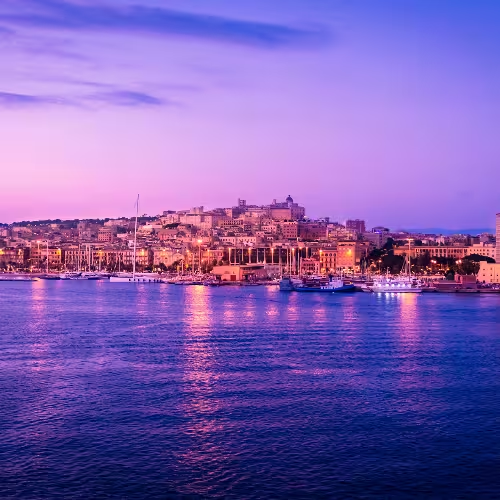
A visit to Cagliari can balance the history of Castello with time at Poetto beach or Sella del Diavolo. The useful decision is how much time to give each: towers and Roman remains for a history-focused visit, or walking and kayaking for time outdoors.
A workshop or wine tasting fits into a shorter gap than the walking and kayaking options, based on their durations. The Cagliari ceramics workshop with clay and herbal tea lasts 2 hours and includes guided ceramics tuition, clay and tools, herbal tea and wild herb infusions, Sardinian sweets and participation in a bowl-exchange tradition.
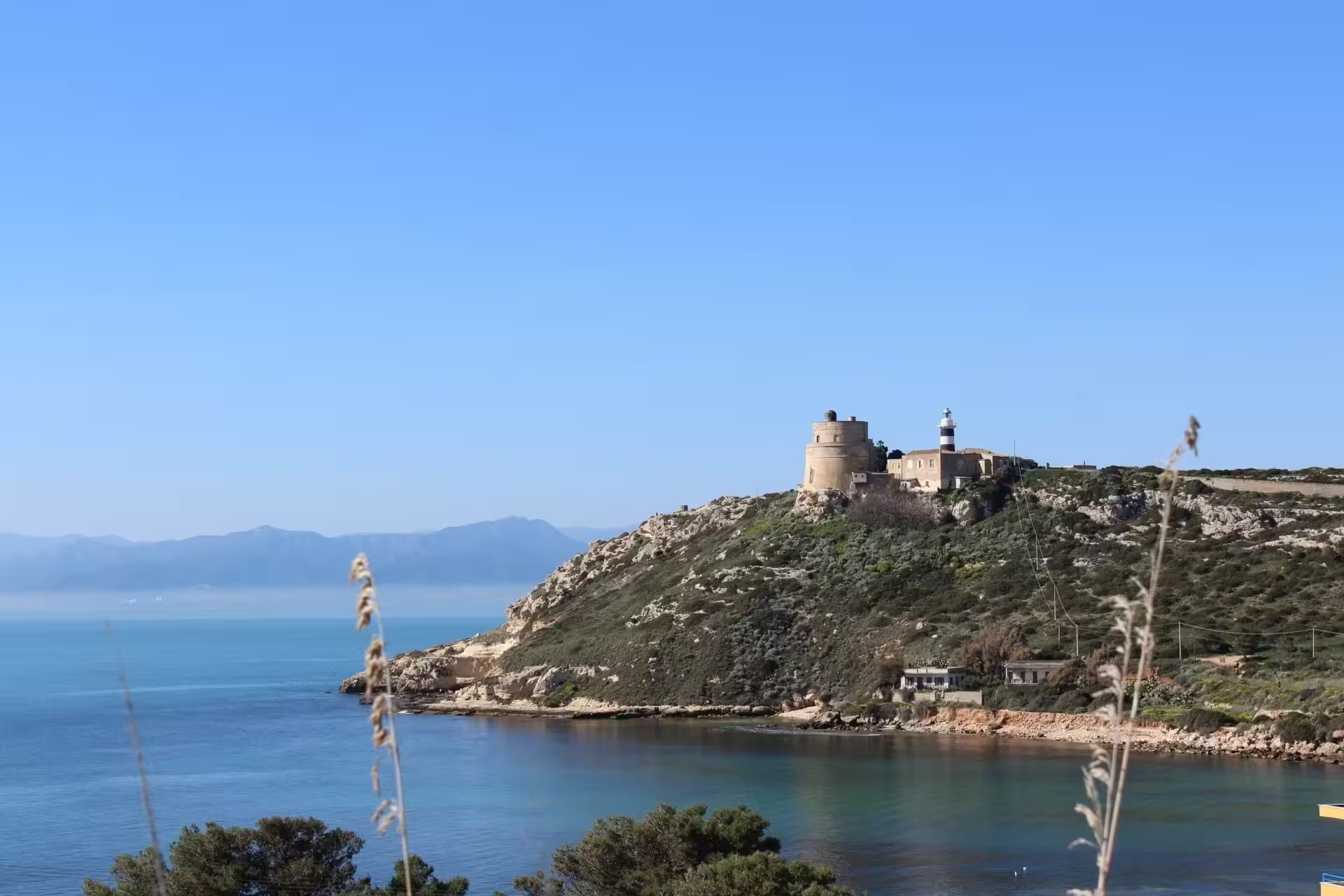
For wine rather than making something, the guided wine tasting and winery tour in the Cagliari hills lasts 1 hour and 30 minutes.
Two days is a reasonable plan for combining Castello with Poetto or Sella del Diavolo. Give the first day to Castello, then reserve the second for the beach or a walk rather than trying to fit everything together. This is a suggested division of the visit, rather than a fixed itinerary.
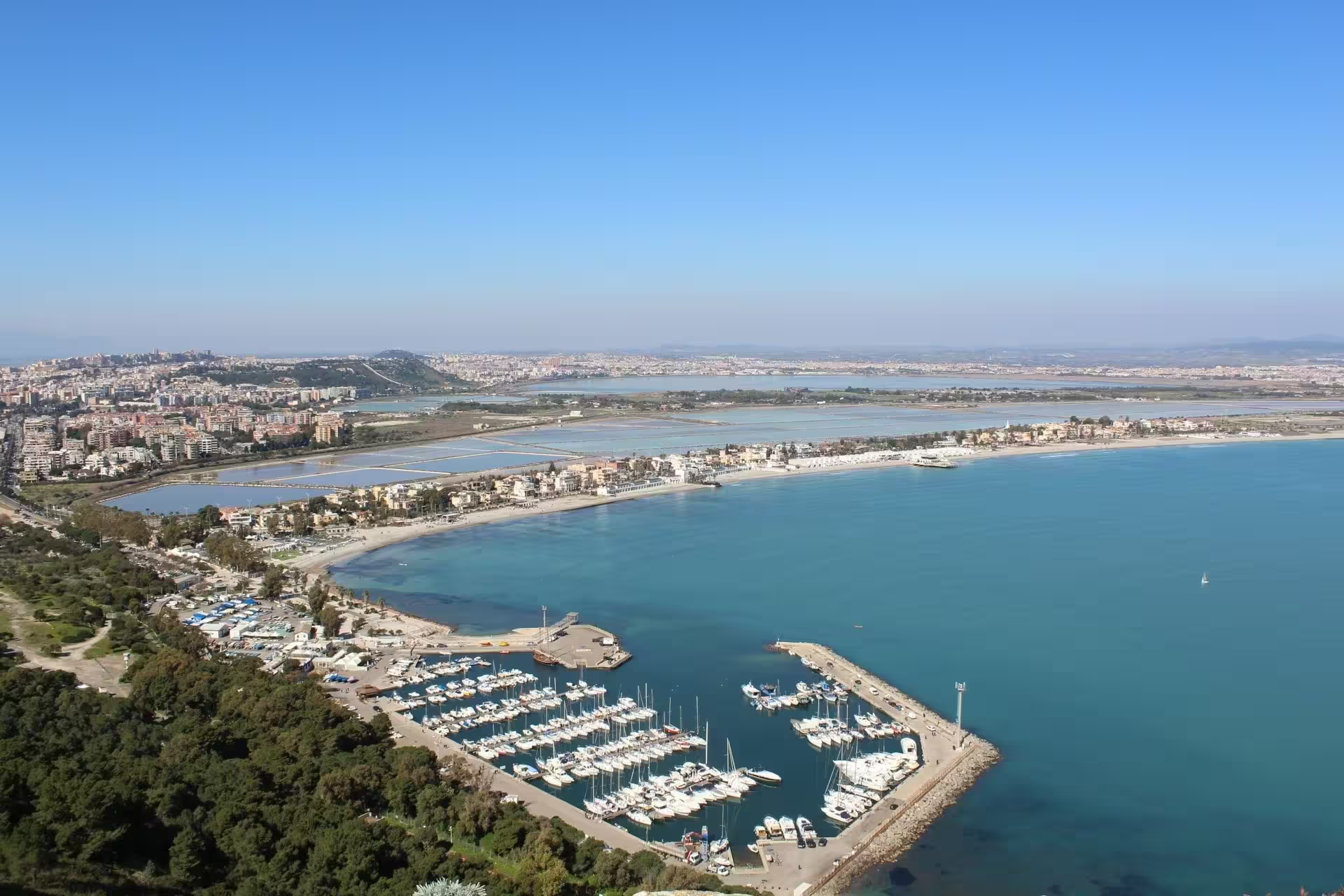
Castello gives the history day a clear focus: the Pisans established it in the thirteenth century on a limestone hill about 100 metres above sea level. Its San Pancrazio and Elephant towers were the work of local architect Giovanni Capula, completed in 1305 and 1307 respectively. The Elephant Tower later became a prison, serving that purpose from the sixteenth century.
The Saint Remy Bastion adds a later chapter to a history-focused visit: Giuseppe Costa and Fulgenzio Setti designed it, it was built at the turn of the twentieth century, and it was inaugurated in 1902.
Tuvixeddu and Tigellio's Villa are worth adding if Roman history interests you more than another outdoor activity. At Tuvixeddu, the Viper's Cave is the Roman tomb that Lucio Cassio Filippo commissioned for his wife, Atilia Pomptilla; its name refers to a pair of carved snakes. The area first opened to visitors in 1997 and has been open permanently as a park since 2014, following excavations that began in the 1960s.
Tigellio's Villa offers a different subject, Roman domestic life: the residential complex originated in the first century BC and comprises three domus. Finds there span the Republican period through to the sixth or seventh century AD.
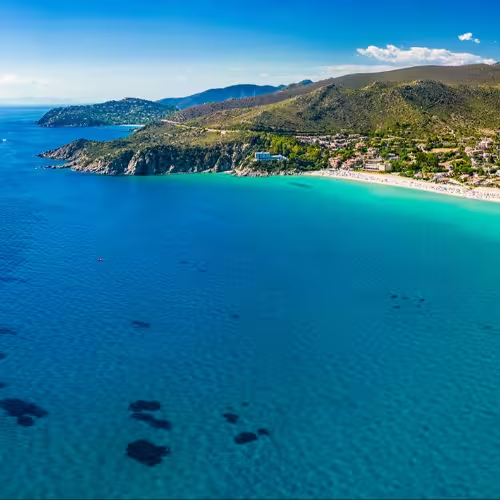
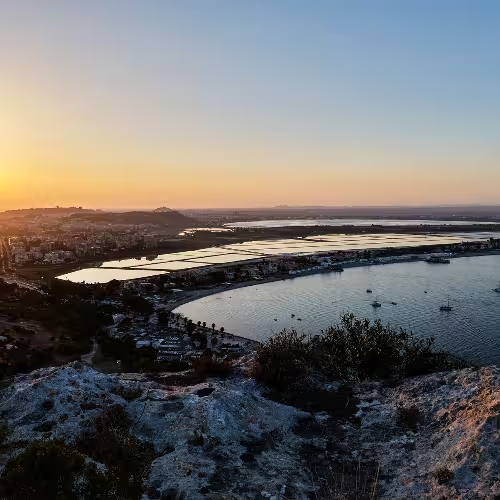
Poetto suits a beach-focused plan; Sella del Diavolo suits a walking-focused one. The beach extends about 8 kilometres between Marina Piccola in Cagliari and Margine Rosso in Quartu Sant'Elena. Sella del Diavolo is a promontory of Miocene sedimentary rock, reaching 135 metres above sea level.
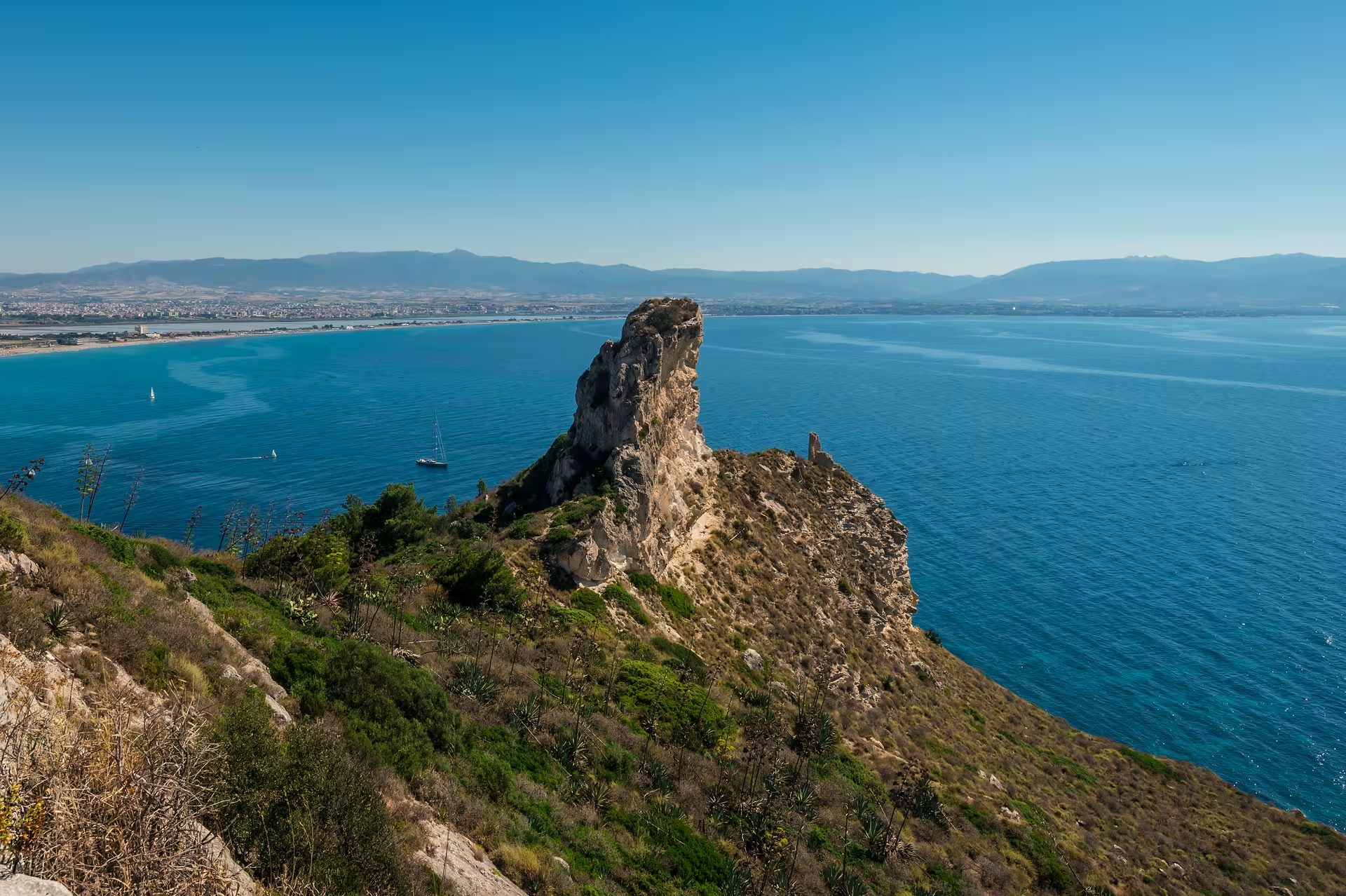
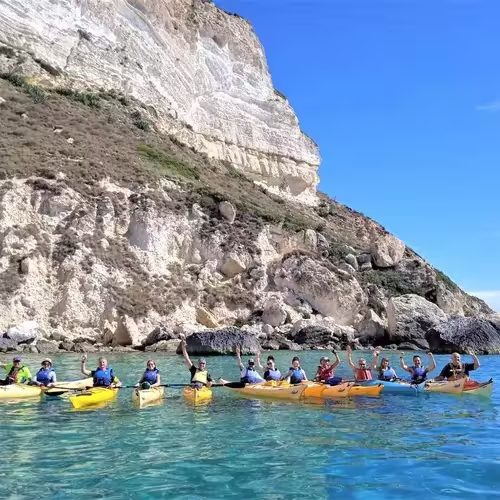
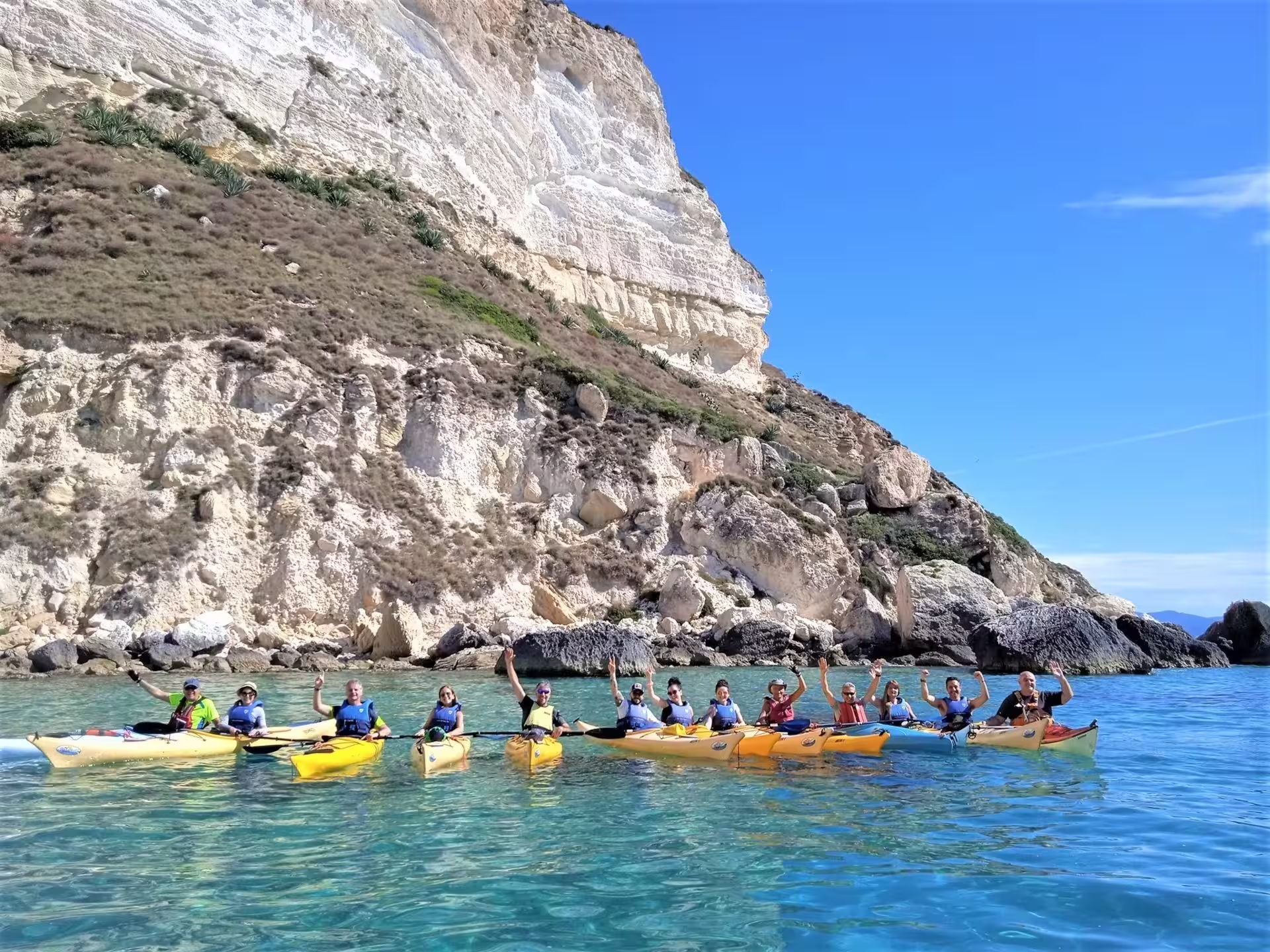
The Sella del Diavolo walking tour with gulf views lasts 3 hours, with a professional local guide and historical and naturalist commentary in the selected language. For kayaking instead, the Cagliari Gulf kayak tour with snorkelling, caves and sea cliffs lasts 3 hours and 30 minutes. It includes a professional local guide, kayak and paddle, life jacket and safety gear, an introductory paddling lesson, and a snorkelling mask and fins.
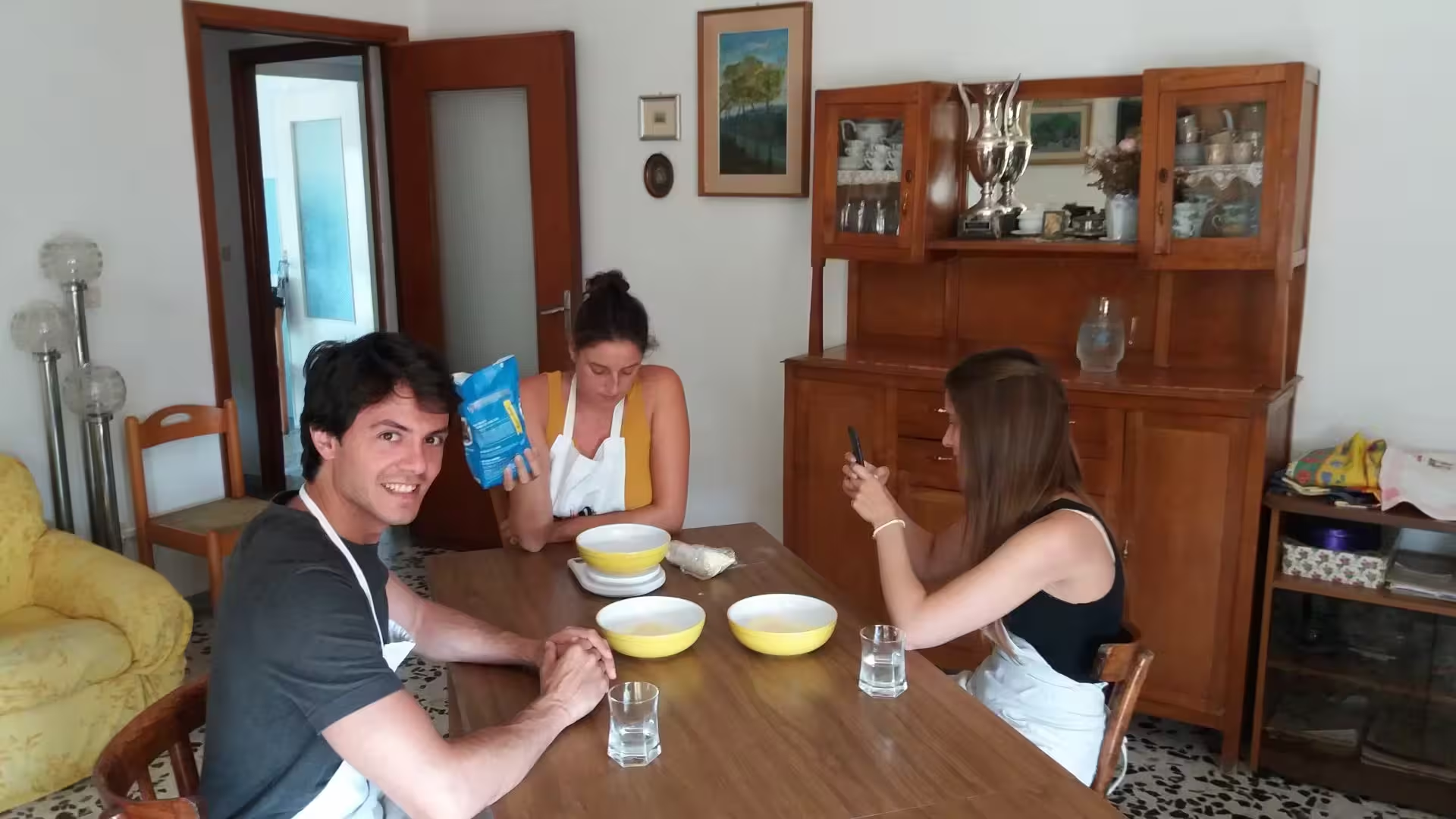
A cooking class gives Sardinian food its own place in the visit. The culurgiones cooking workshop in Cagliari lasts 3 hours and includes local chef instruction, ingredients and cooking tools, a tasting of the prepared culurgiones, a glass of local Sardinian wine and a recipe to take home.
Cagliari receives a little over 400 millimetres of rain annually.
Salt extraction ended in 1985. Industrial production had started in 1830.
In 2026, the festival featured more than 2,500 participants wearing traditional dress, alongside around thirty groups of riders with over 200 horses.
Castello has seven churches, including four dating from the sixteenth century.