





Moncalieri is a historic town just outside Turin that rewards travelers who want a calmer pace without giving up culture, views, and everyday Piedmont life. Think riverside walks, local markets, and an easy rhythm that pairs well with day trips into the city. This guide focuses on practical planning and curated experiences so you can decide what to prioritize and how to move efficiently.
Moncalieri feels like a lived-in extension of the Turin area, where grand history and local routines share the same streets. Go now if you want a base that is close to major museums and events in Turin, but quieter in the evenings. The signature vibe is residential, authentic, and scenic, with a strong connection to Piedmont’s food culture and the wider Po River landscape.
Moncalieri sits in the metropolitan orbit of Turin in Piedmont, making it a practical choice for travelers who want quick access to the city while staying in a less central setting. For arrivals, Turin is the key transport hub for the area, with onward connections by regional rail and local transit. Plan your base around the routes you will use most, especially if your trip includes frequent returns to Turin for museums, dining, or events.
Timing depends on what you want from the trip. Warmer months suit walking-focused days and outdoor time along riverside paths and parks, while cooler months favor slower itineraries, café stops, and indoor culture in nearby Turin. Shoulder seasons can be a sweet spot for lighter crowds and comfortable sightseeing, especially if you are combining town time with city highlights.
Italy uses the euro, and typical payment habits are similar to other destinations in northern Italy. Cards are widely used, but it is still smart to carry some cash for small purchases, market stalls, and quick snacks. Budget planning is easiest if you treat Moncalieri as a value-friendly base, then allocate extra for specific splurges in Turin, such as special dining, ticketed attractions, or guided experiences.
Note: This section highlights high-impact experiences you can adapt to your pace, whether you are visiting for a few hours or using the town as a base.
1) Historic center stroll
Why it matters: A walk through the old streets gives you the quickest sense of local life, architecture, and daily rhythm. It is also the best way to notice small details, from shopfronts to viewpoints and quiet corners. Practical tip: Start early for better light and fewer interruptions, then return later for an evening pass when the pace slows.
2) Riverside and green-space walk
Why it matters: The wider Turin area is shaped by river landscapes and long promenades, and Moncalieri is well placed for a low-effort nature reset. This is ideal after a museum-heavy day in Turin or before a long meal. Practical tip: Wear comfortable shoes and bring a light layer, weather can shift quickly near water.
3) Market-style food browsing
Why it matters: Markets and small food shops are where Piedmont’s culinary identity feels most immediate, seasonal produce, cheeses, cured meats, and bakery staples. Even if you are not cooking, browsing helps you understand what locals actually eat. Practical tip: Go with a short shopping list and add one local specialty item as a souvenir snack.
4) Coffee and pastry pause, Italian-style
Why it matters: Café culture is a daily ritual in this part of Italy, and it is a simple way to slow down and observe. It also breaks up a walking day without losing momentum. Practical tip: If you want a quick stop, order at the counter and keep it simple, coffee plus a pastry.
5) Use Moncalieri as a Turin access point
Why it matters: Staying outside the center can mean quieter nights and easier decompression, while still keeping major sights within reach. This approach works well for travelers who want to see Turin’s museums and historic cafés without paying central-area premiums. Practical tip: Build your days around transit timing so you are not rushing back late, especially if you prefer early mornings.
6) Photo walk focused on everyday scenes
Why it matters: Not every destination needs a checklist of monuments to be rewarding. The charm here is often in street textures, local signage, and the contrast between residential calm and nearby city energy. Practical tip: Pick one theme, doors, balconies, markets, or river views, and shoot consistently for a cohesive set.
7) Slow evening aperitivo
Why it matters: Aperitivo is both a meal strategy and a cultural rhythm, a way to transition from daytime exploring to dinner. It is also a low-pressure way to try local drinks and small bites. Practical tip: Aim for an earlier start if you want seating and a calmer atmosphere.
8) Day-trip planning hub
Why it matters: A base near Turin helps you branch out to other Piedmont destinations without changing hotels constantly. It is a decision-support advantage, you can keep your luggage put and still see more. Practical tip: Group day trips by direction to reduce backtracking and maximize time on the ground.
Start with a morning walk through the historic center to get oriented, then plan a relaxed coffee stop to set the pace. Spend late morning and early afternoon on a riverside or park walk, then return for a food-focused browsing session at shops or market-style stops. In the evening, do an aperitivo-style pause followed by dinner, keeping the night flexible so you can either stay local or head into Turin if you want a livelier scene.
Day 1 follows the one-day highlights but adds time for slower exploration and photography, focusing on everyday details and neighborhood feel. Day 2 is ideal for a full Turin day, museums, historic cafés, and key landmarks, then return to Moncalieri for a quieter evening reset. Day 3 is for a Piedmont day trip, prioritize one nearby destination and build the day around transit efficiency, then finish with a final food stop to collect edible souvenirs.
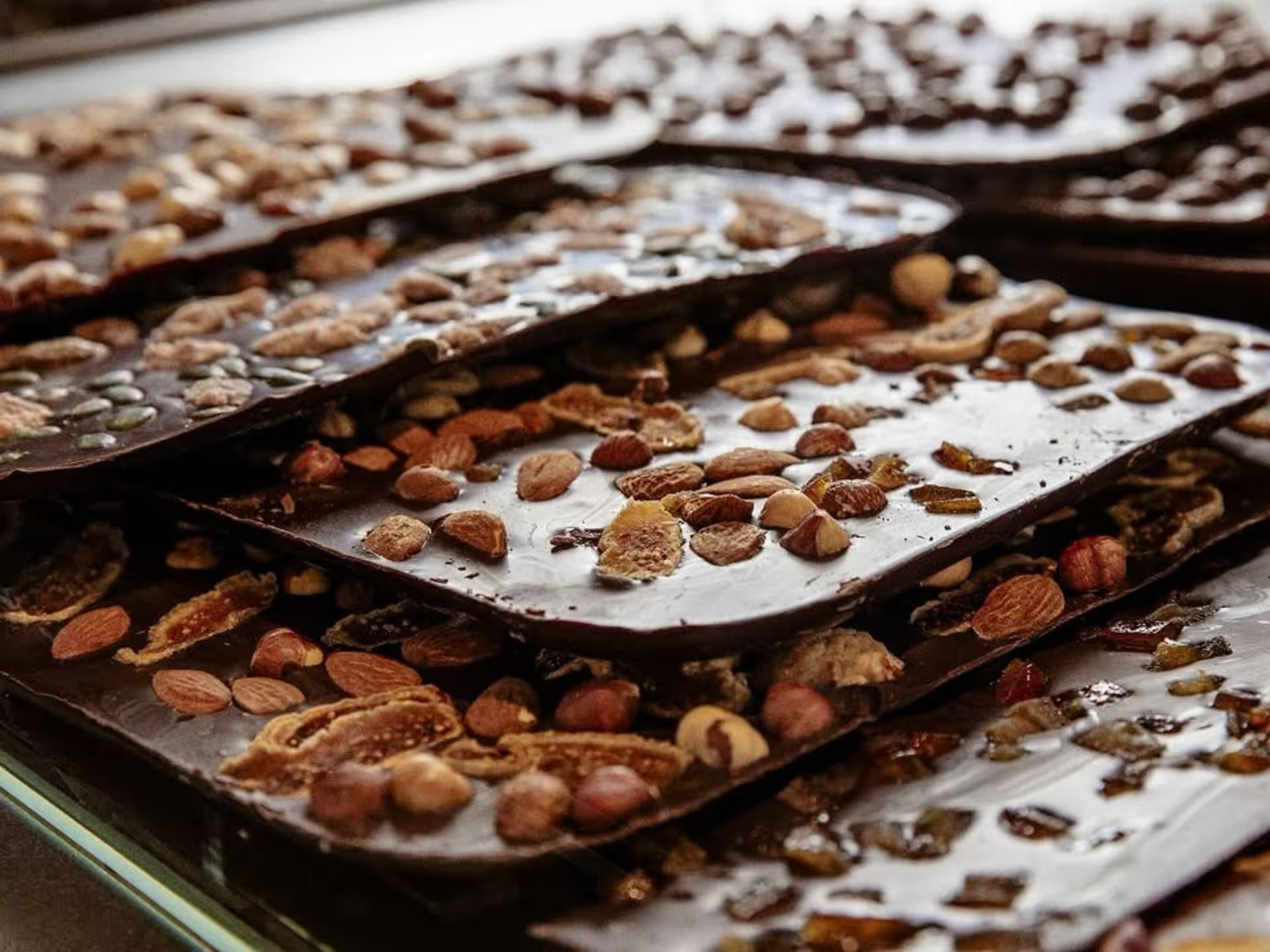
Piedmont is one of Italy’s most food-driven regions, and a visit here pairs naturally with local flavors you will also see across the Turin area.
Getting around is straightforward if you plan by zones. Walking works best for the historic center and short scenic routes, while public transport and regional rail are the practical link to Turin and the broader area. Ride-sharing or taxis can help when you are tight on time, carrying bags, or returning later in the evening.
Safety is similar to other urban areas in northern Italy, stay aware in transit hubs and keep valuables secure. For accessibility, prioritize routes that minimize steep gradients and choose transport options when you want to avoid longer walks. A simple rule is to walk for local texture, then use transit for efficiency between major stops.
Yes, it can work well if you want to stay close to Turin while enjoying a calmer pace in the evenings. Plan your days around public transport or regional rail so you can return comfortably after sightseeing.
One day is enough for a highlights walk, food stops, and a relaxed evening. Two to three days is better if you want to add a full Turin day and a nearby Piedmont day trip.
You can cover local areas on foot and connect to Turin using public transport and regional rail. A car is most useful if you want flexible day trips into wine country or mountain areas.
Choose warmer months for longer outdoor walks and cooler months for a slower, café-focused rhythm. Shoulder seasons can balance comfortable weather with lighter crowds.
Yes, food culture is part of everyday life in the Turin area and Piedmont more broadly. Focus on markets, bakeries, and aperitivo stops for the most natural, low-effort tastings.