
Build your dream
experience
More to know about Langhe
Langhe Travel Guide
Snapshot
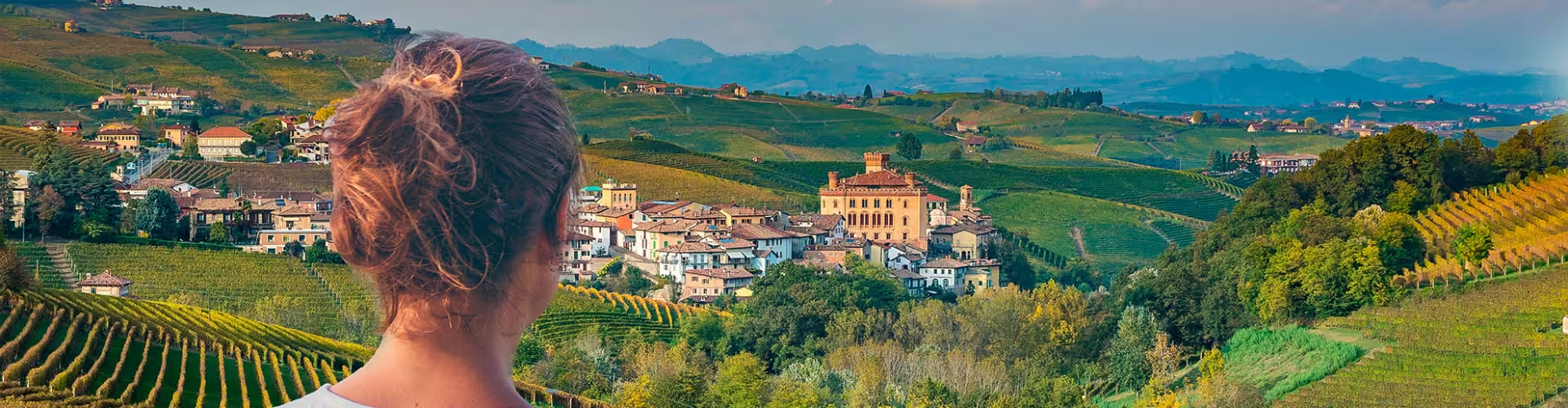
Langhe is a landscape of vineyard-covered hills, small stone villages, and slow meals that turn into long conversations. The signature vibe is refined but rural, where world-class wine culture meets quiet lanes, panoramic viewpoints, and family-run producers. Go now for a trip that balances iconic names with a calm, countryside rhythm, especially if you plan around harvest season energy or springtime freshness.
🗺️ Geography and Logistics
📍 Orientation: Where is it within Province of Cuneo and ?
Langhe sits in Piedmont, within the Province of Cuneo, in northwestern Italy. It is part of a broader wine and hill-country zone that also connects naturally with nearby areas like Roero and Monferrato, making it ideal for travelers who want a multi-stop itinerary without long distances. The easiest approach is to use a major regional hub, then continue by car or private transfer into the hills, since many viewpoints, wineries, and villages are spread out.
🕒 When to Go: Seasonal breakdown
Seasonality shapes the feel of Langhe more than in many city destinations. Spring typically brings greener hills and comfortable days for scenic drives, village strolls, and winery visits without peak-season pressure. Summer can mean bigger crowds and warmer afternoons, while autumn is closely associated with harvest activity and a more festive food and wine focus, so booking and planning ahead becomes more important.
💰 Budget & Currency: Practical money tips
Italy uses the euro, and costs in Langhe often reflect its reputation for premium wine and gastronomy, especially in well-known villages and top dining rooms. Cards are widely used, but it is smart to keep some cash for small purchases, rural stops, and quick snacks where minimum card limits may apply. Plan your budget with flexibility, since tastings, bottles to take home, and special meals can add up quickly if you do not set priorities.
⭐ Essential Things to Do
1) Vineyard Panorama Drive
The hills are the headline here, and a slow drive between villages is one of the clearest ways to understand the geography of Langhe. You will see how vineyards cling to slopes, how ridgelines open into wide views, and how each small settlement feels distinct. Practical tip: build in extra time for photo stops, and avoid trying to pack too many villages into one day.
2) Wine Tasting Focused on Nebbiolo Styles
This area is closely linked to structured, age-worthy reds, and tasting helps you connect the landscape to what ends up in the glass. Even without being an expert, you can learn to notice how elevation, exposure, and winemaking choices shift aromas and texture. Practical tip: book tastings in advance in peak periods, and plan a designated driver if you are visiting multiple producers.
3) Village-to-Village Strolls
Part of the pleasure of Langhe is the contrast between big-name wines and everyday village life. A simple walk through a historic center, past small churches, stone houses, and viewpoints, can be as memorable as a formal tour. Practical tip: wear shoes with good grip, since older lanes can be steep and uneven.
4) Scenic Viewpoints at Golden Hour
The rolling hills were made for golden light, and late afternoon often delivers the most dramatic shadows and color shifts. This is also when the region feels most cinematic, with vineyard rows turning into patterns across the slopes. Practical tip: aim to arrive early enough to park easily, then linger a little after sunset when crowds thin out.
5) Food-First Day Built Around Local Ingredients
The cuisine here is not an accessory to the wine, it is part of the identity of Langhe. Seasonal menus often highlight simple ingredients treated with precision, and meals can be unhurried by design. Practical tip: choose one main meal per day as your anchor, then keep the rest light so you can fully enjoy it.
6) Market Stops and Artisan Shops
Small shops and markets are where you can find edible souvenirs that actually reflect the region, from pantry staples to locally made sweets. These stops also help you travel at a slower pace, breaking up drives with something tangible and delicious. Practical tip: pack a foldable tote, and ask about travel-friendly packaging if you are flying.
7) A Winery Lunch or Long Tasting Experience
A longer experience gives you time to understand producer philosophy, vineyard choices, and aging approaches, rather than rushing through pours. It also turns a tasting into a day-defining memory, especially if the setting includes vineyard views. Practical tip: schedule this earlier in your trip so you can revisit a favorite bottle later.
8) A Quiet Morning in the Hills
Early hours are underrated in Langhe, when roads are calmer and the landscape feels more intimate. Morning light is softer, and you can enjoy viewpoints without competing for space. Practical tip: start with coffee and a short walk, then do tastings later when appointments typically begin.
🚶 Curated Itineraries
⏰ The Highlights (1 Day)
Start with a morning scenic drive to get oriented, then choose one village as your base for a slow stroll and a viewpoint stop. Plan a single, well-timed winery tasting around midday or early afternoon, followed by a food-focused meal that highlights regional cooking. Finish with golden-hour photos from a panoramic spot, then keep the evening simple so the day feels rich rather than rushed.
⏰ Deep Dive (2-3 Days)
On day one, focus on landscape and villages, with one tasting to set the tone and a relaxed dinner. On day two, go deeper with a longer winery experience, a second producer that contrasts in style, and time for artisan shopping for bottles and pantry items. If you have a third day, slow everything down, add a short countryside walk, repeat a favorite viewpoint at a different time of day, and plan a meal that serves as your trip finale.
🍽️ Flavors of Langhe
Wine-focused tasting flight
Expect structured reds with fragrance and tannin, alongside whites and sparkling options depending on the producer. Ordering tip: ask for a progression from lighter to fuller-bodied so your palate stays fresh.
Truffle-forward dishes (seasonal)
When in season, truffle can appear shaved over simple preparations that let aroma lead. Ordering tip: ask what is in season and how it is served, then choose one truffle dish rather than stacking multiple.
Handmade pasta with rich sauces
Local pasta often pairs with slow-cooked meat sauces that match the region’s red wines. Ordering tip: if you plan a tasting the same day, choose a half portion or share so you do not feel rushed.
Risotto-style comfort plates
Creamy textures and savory depth make this a natural partner for cooler evenings. Ordering tip: ask if it is prepared to order, then plan extra time, since good risotto is not fast food.
Roasted or braised meats
Hearty mains suit the countryside climate and the wine culture. Ordering tip: if you want to compare wines, pick a dish that is not heavily spiced so the pairing stays clear.
Hazelnut-based sweets
Piedmont is known for hazelnuts, and desserts often lean into toasted, nutty flavors. Ordering tip: look for house-made options, and consider taking packaged sweets for the road.
🚌 Navigation & Transport
Langhe is best experienced with flexible transport, since villages, viewpoints, and wineries are spread across hilly roads. Walking works well within each village center, but moving between places is typically easiest by car, private driver, or organized tour, especially if wine tasting is part of your plan. For safety, keep drives short after tastings, plan appointments with buffer time, and be mindful that rural roads can be narrow and winding, which may be challenging for nervous drivers or travelers prone to motion sickness.
🌄 Beyond the Center: Day Trips
1) Alba
Often treated as a natural gateway town for the area, it is a strong choice for markets, food shopping, and an easy historic-center stroll. Travel time: short drive depending on where you are staying in Langhe. Primary reason to visit: a food-focused atmosphere and a convenient base for exploring the hills.
2) Barolo-area villages
These stops are closely linked to the region’s most famous wine identity and offer classic vineyard views. Travel time: typically a short drive within the hill zone. Primary reason to visit: iconic landscapes and a deeper sense of place for wine culture.
3) Barbaresco-area villages
A complementary wine area with its own character and viewpoints, ideal for travelers who like comparisons. Travel time: generally a short drive. Primary reason to visit: tasting variety and a different angle on the same broader terroir story.
4) Asti (wider Piedmont)
A good add-on if you want a broader Piedmont perspective beyond the immediate hills. Travel time: varies by base, plan it as a full or half-day. Primary reason to visit: a change of pace and expanded regional context.
✅ Insider Tips for Travelers
- Book key tastings ahead in high season, especially if you want a specific producer or a longer experience.
- Choose one or two villages per day, then add viewpoints and stops around them to avoid spending the whole trip in the car.
- Plan tastings earlier, then do viewpoints later, since golden hour is best for photos and for slowing down.
- Carry a small amount of cash for rural purchases, quick snacks, and small artisan shops.
- Pack layers, hill weather can shift quickly, especially between morning and evening.
- If you are tasting wine, prioritize safety, use a driver, limit tastings, and keep water and snacks on hand.
- Ask restaurants what is seasonal, you will often get the most memorable dish by following local rhythm.
❓ Frequently Asked Questions, FAQ
What is the best way to get around once I arrive?
Walking is ideal inside village centers, but most travelers rely on a car, private driver, or tour to connect wineries and viewpoints. Distances are not huge, but roads are winding and appointments work best with buffer time.
How many days do I need for Langhe?
One day is enough for a scenic overview with one tasting and one village. Two to three days lets you slow down, compare producers, and build in meals and viewpoints without rushing.
When should I book winery tastings?
If you are traveling in busier periods, booking ahead is the safest approach, especially for well-known producers. Reservations also help you plan driving time and keep the day balanced.
Is Langhe suitable for travelers who do not drink wine?
Yes, Langhe still delivers through landscapes, village walks, artisan shopping, and food culture. You can focus on viewpoints, markets, and long lunches built around local ingredients.
What should I pack for a trip in the hills?
Bring comfortable shoes for steep lanes and layers for changing temperatures. If you plan tastings, consider a small tote for purchases and water to stay comfortable between stops.
This guide supports trip planning for Langhe in Piedmont, within the Province of Cuneo, focusing on logistics, experiences, itineraries, and practical travel tips. It is written by Toursxplorer.com to help travelers make confident decisions based on the destination’s landscape, wine culture, and village-to-village travel style.
Langhe, Province of Cuneo, Piedmont, Italy, destination guide, wine region, vineyard landscapes, hill villages, itineraries, food and wine travel