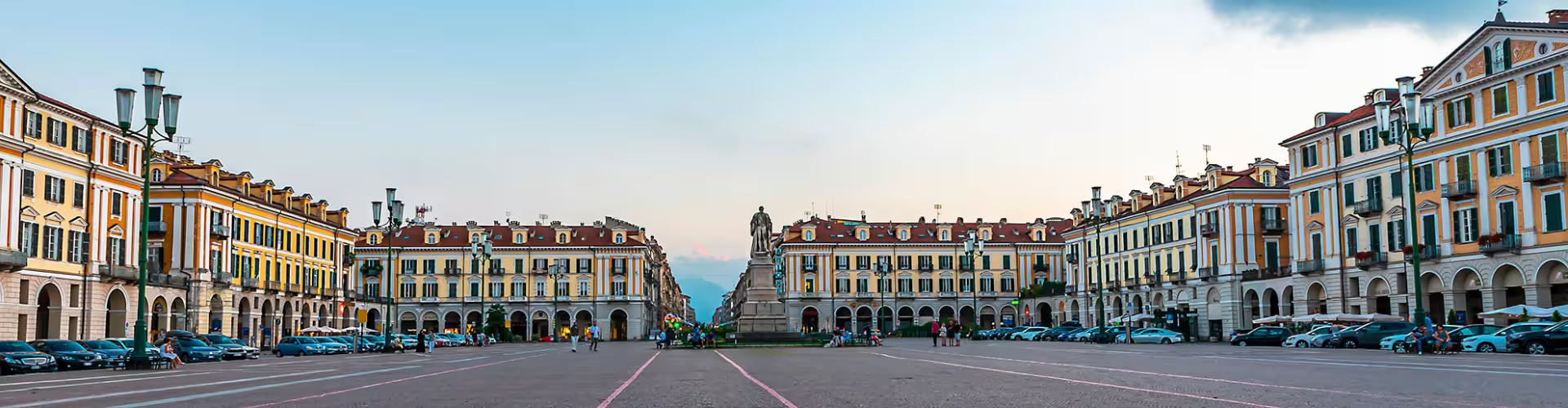
Cuneo is a Piedmont city with a calm, elegant rhythm, framed by Alpine horizons and shaped by a long tradition of markets, café culture, and gateway travel into the Province of Cuneo. It suits travelers who like walkable streets, local food, and a base that makes day trips into mountains, vineyards, and historic towns feel simple. Come for the understated Italian atmosphere, stay for the easy logistics and the sense that everyday life is the main attraction.
Cuneo feels polished and practical, a place where you can slow down without running out of things to do. The signature vibe is local and lived in, with a strong connection to the surrounding valleys and the wider Province of Cuneo. It is a smart choice when you want Piedmont flavor with fewer crowds, plus quick access to nature and nearby heritage towns.
Cuneo sits in Italy’s Piedmont region, within the Province of Cuneo, and works well as a hub between the plains and the Alpine approaches. Think of it as a practical base for exploring nearby valleys and smaller towns while still having city services and a clear layout for walking. For gateways, plan around major regional transport hubs and then connect onward by rail or road into the Province of Cuneo.
Timing in Cuneo depends on what you want from Piedmont. Warmer months favor long walks, outdoor dining, and day trips that mix towns with scenic viewpoints. Cooler periods lean into museums, cafés, and a cozier pace, and they can feel quieter for travelers who prefer fewer people in public spaces. If you are planning mountain excursions, align your dates with stable weather and daylight, and keep a flexible plan for sudden changes in Alpine conditions.
Italy uses the euro, and Cuneo generally suits travelers who like good value without cutting corners. Carry a small amount of cash for small purchases and quick transactions, and use cards for most dining and accommodation where accepted. To manage costs, anchor your day around one “must do” experience, then fill the rest with low cost pleasures like scenic walks, markets, and café stops.
Note: This list focuses on high value experiences that match the city’s character and its role as a base in Piedmont, using practical tips you can apply on the ground.
1) City Stroll for Architecture and Atmosphere
The best first step in Cuneo is a slow walk to understand its layout and daily rhythm. You will notice how the city balances elegant streets with a practical, lived in feel. This matters because it helps you choose where to linger, where to shop, and how to plan day trips efficiently. Practical tip, start in the morning for calmer streets, then repeat a shorter loop at golden hour for better photos.
2) Café Culture, People Watching, and a Sweet Break
Piedmont is known for food traditions and a strong café scene, and Cuneo fits that pattern with a relaxed pace. Sitting down for an espresso or something sweet turns a sightseeing day into something more local. It matters because this is where you pick up the city’s tone and get informal recommendations. Practical tip, choose a seat with a view of foot traffic, then keep your order simple and observe how locals do it.
3) Market Browsing for Local Products
Markets are an easy way to connect with the Province of Cuneo’s agricultural identity. Even without buying much, you get a sense of seasonality and what people actually cook at home. This matters for travelers who want authentic food experiences without booking a formal tour. Practical tip, go earlier for the fullest selection, and bring a reusable bag for small purchases.
4) Use Cuneo as a Base for Piedmont Day Trips
Cuneo shines as a hub because it keeps you close to multiple landscapes, from gentle countryside to mountain routes. This matters if you want variety without changing hotels every night. Practical tip, plan one direction per day, and avoid stacking too many stops, since travel time adds up quickly outside major corridors.
5) Scenic Viewpoints Toward the Alps
The Alpine presence is part of Cuneo’s identity, even when you stay in town. Seeking out open viewpoints helps you understand why the city feels connected to valleys and mountain roads. This matters because it adds a strong sense of place without requiring a full day hike. Practical tip, check visibility and cloud cover, and prioritize viewpoints on clearer days.
6) Slow Travel Day, Shops, and Local Errands
A “do less” day can be one of the most rewarding parts of Cuneo. Browsing local shops, picking up picnic items, and taking breaks builds a trip that feels personal. This matters because it prevents burnout and leaves room for spontaneous discoveries. Practical tip, set a loose plan with two anchor stops, then let the rest unfold.
7) Evening Passeggiata and Dinner
An evening walk before dinner is a classic Italian habit, and Cuneo rewards it with a calm, social atmosphere. It matters because you experience the city at its most communal, when locals reclaim the streets. Practical tip, walk first, then choose your restaurant, because seeing what feels lively can guide your decision.
8) Regional Food Focus, Piedmont Classics
Piedmont is a heavyweight region for Italian cuisine, and Cuneo is a good place to explore that without feeling rushed. It matters because food becomes a structured way to learn about the region’s identity. Practical tip, ask for a house specialty and keep your order seasonal, since menus often reflect what is best right now.
Start with a morning orientation walk to get comfortable with the city’s layout, then pause for a café stop and a simple breakfast. Spend late morning browsing local shops and any market activity you find, focusing on regional products and small gifts. After lunch, plan a gentle afternoon loop that includes a scenic viewpoint toward the Alps, then return for an early evening passeggiata and dinner.
Day 1, keep it city focused, combine a long walk, café culture, market browsing, and an unhurried dinner. Day 2, use Cuneo as a base for one day trip into the Province of Cuneo, then return for a relaxed evening in town. Day 3, keep flexible, revisit your favorite streets, prioritize a food focused day, and leave time for spontaneous discoveries like a shop you missed or a second viewpoint when the weather improves.
Food in Cuneo connects you to Piedmont traditions, with a focus on quality ingredients and seasonal cooking. Use these ideas as a tasting checklist, and let menus guide the final choices.
Cuneo is best approached as a walkable city where you can cover a lot on foot, especially if your plan focuses on atmosphere, food, and viewpoints. For longer distances, use public transport and regional connections to reach nearby towns, and consider taxis or ride services when timing matters or when you return late. If you are planning day trips, confirm return options in advance and keep a buffer, because regional schedules can be less frequent outside peak commuter times. For accessibility, prioritize flatter walking routes, plan more breaks, and choose a central base so you can reset during the day.
Is Cuneo a good base for exploring the Province of Cuneo?
Yes, it works well as a hub because you can enjoy a walkable city while planning day trips in different directions. Keep your schedule realistic and focus on one main outing per day.
How many days do I need in Cuneo?
One day covers the highlights and the general atmosphere. Two to three days gives you time for a day trip and a slower food focused rhythm.
What is the best way to get around once I arrive?
Walk for most central sightseeing and use regional transport for nearby towns. If timing is tight, plan a taxi or ride service as a backup.
When is the best time of year to visit?
Warmer months suit outdoor walks and longer day trips, while cooler months feel calmer and more café focused. If you want mountain scenery, watch for stable weather patterns.
Is Cuneo expensive compared to bigger Italian cities?
Cuneo can feel good value if you balance paid experiences with simple pleasures like markets and scenic walks. Use one or two priority meals, then keep the rest casual.