Castagnito is a small Piedmont hill town in the Province of Cuneo with a calm, vineyard-focused rhythm and big landscape views. It appeals to travelers who want a quieter base near the Langhe wine country, with easy access to nearby towns and countryside drives. This guide helps you plan what to do, how to get around, what to eat, and how to structure your time so your trip to Castagnito feels simple and rewarding.
Castagnito feels like an unhurried balcony over rolling hills, where the main attraction is the scenery, the food culture of Piedmont, and the sense of being close to celebrated wine landscapes without the rush. Go when you want slower days, golden-hour viewpoints, and a base that makes day trips easy. It is especially appealing if you like planning by mood, scenic drives, and meals that stretch into the evening.
Castagnito sits in Italy’s Piedmont region, within the Province of Cuneo, an area associated with the Langhe and Roero landscapes. The setting is hilly and rural, which shapes how you plan your days, viewpoints come naturally, and short distances can still take time on winding roads. For gateways, plan around the nearest major hubs in northern Italy, then continue by train and local connections, or by car for the most flexibility in the countryside.
Expect a classic northern Italian seasonal pattern, with warmer months favoring long outdoor lunches, viewpoints, and countryside drives, and cooler months leaning into cozy meals and a more local pace. Shoulder seasons are often ideal for balanced days, comfortable temperatures, and fewer people on the roads. Whenever you go, build your schedule around daylight, because the landscape is part of the experience and the best moments often happen early or late in the day.
Italy uses the euro, and you will generally find that small-town travel rewards a bit of cash for everyday purchases while cards remain useful for larger expenses. Budgeting is easiest if you plan for a car or local transfers, plus meals that can become the highlight of the day. Keep a small reserve for spontaneous stops, such as a café break, a local product shop, or a scenic detour that turns into an extra hour of exploring.
Use this list as a flexible menu rather than a checklist. The best experiences in Castagnito often come from combining viewpoints, food, and short drives through the hills.
1) Hilltop viewpoint walk
Why it matters: The Piedmont hills are a defining feature of the area, and a simple walk to a good vantage point helps you understand the landscape at a glance. It is also a low-effort way to set the tone for your trip, slow, scenic, and grounded in place. Practical tip: Go early in the morning or near sunset for softer light and clearer photos.
2) Scenic drive through the Langhe and Roero landscapes
Why it matters: This is a region where the journey is part of the destination, with vineyard rows, small hamlets, and changing views around each bend. A drive lets you connect multiple small stops in one day without forcing long hikes. Practical tip: Keep your plan loose, choose a few anchor stops, then allow time for pull-offs and short walks.
3) Local food focused meal
Why it matters: Piedmont’s culinary identity is strong, and a sit-down meal is often the most immersive cultural experience you can book without booking anything. You will also get a sense of local pacing, meals are not rushed, and that is part of the appeal. Practical tip: Aim for lunch if you want a relaxed experience with daylight views, or dinner if you want a more atmospheric evening.
4) Wine country tasting style afternoon
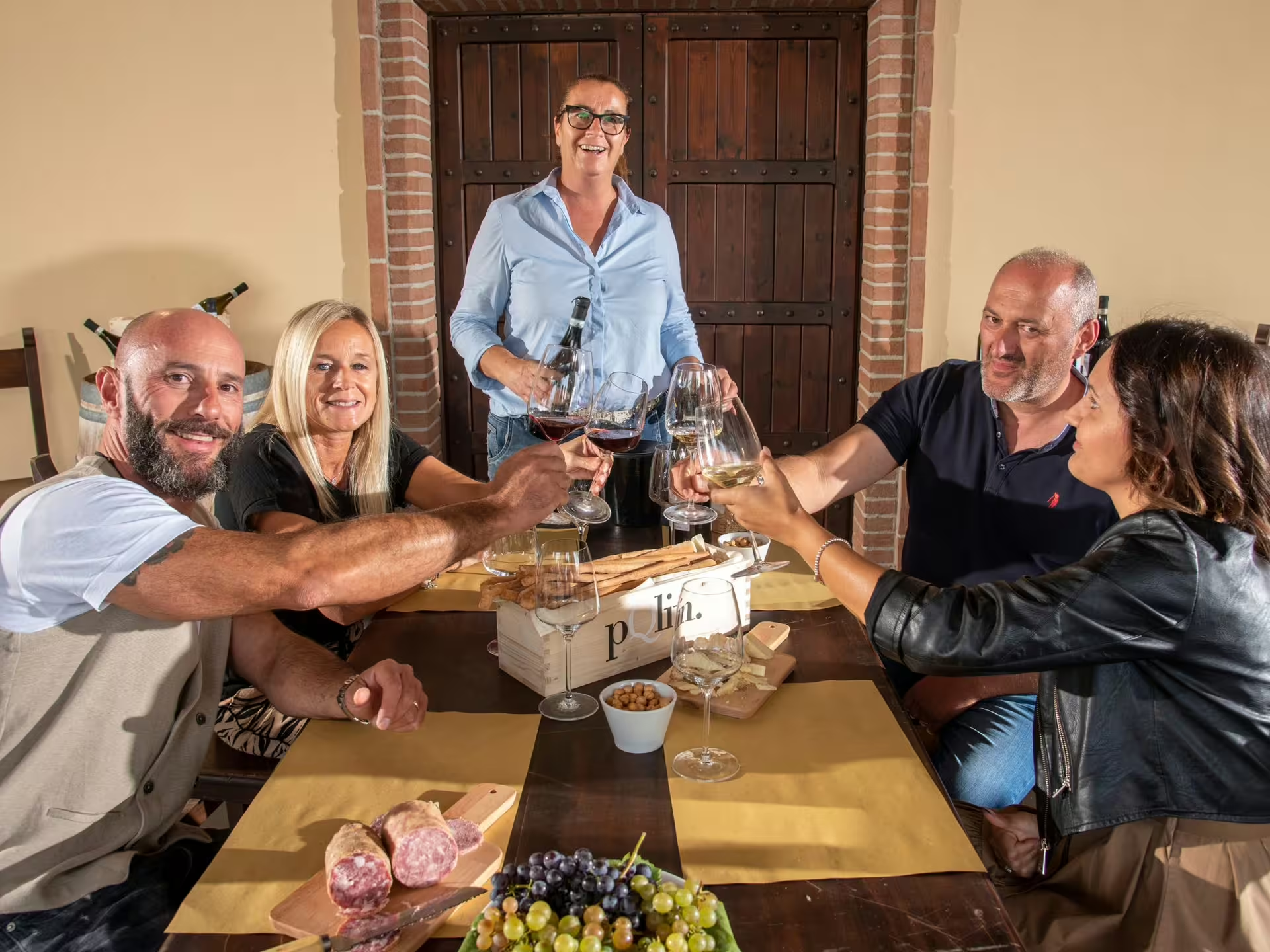
Why it matters: The surrounding area is globally known for wine culture, and even a single tasting-oriented afternoon can add depth to your understanding of the landscape. It turns the hills from “pretty” into “purposeful,” because you start to see how agriculture shapes the region. Practical tip: If you are driving, plan a designated driver or keep tastings modest and focus on learning rather than volume.
5) Photo loop of vineyards and village streets
Why it matters: Small towns reward slow observation, textures, doors, stonework, and quiet corners that never make it into headline itineraries. This kind of loop also gives you a break from driving and creates a personal memory set of the trip. Practical tip: Bring a light layer, hill towns can feel cooler in the shade even on warmer days.
6) Market style shopping for local products
Why it matters: Food souvenirs are often the most practical, and they connect you to regional identity without needing a formal tour. You can build an easy picnic, choose gifts, and learn what locals actually buy. Practical tip: Pack a foldable tote bag and keep fragile items wrapped for travel days.
7) Slow morning café routine
Why it matters: A consistent morning ritual makes a short trip feel longer and more grounded. In small towns, cafés can be social hubs, and you will pick up the local rhythm just by being there. Practical tip: Stand at the counter if you want a quicker stop, or sit down when you want to linger and plan your day.
8) Evening viewpoint pause
Why it matters: Even if you spend the day on day trips, returning to Castagnito for an evening pause helps the destination feel like a base, not just a place to sleep. The hills can look completely different as the light changes, and it is a simple way to end the day well. Practical tip: Keep it easy, bring water, and prioritize safety on narrow roads after dark.
Start with a calm morning in Castagnito, then take a short walk to a viewpoint to orient yourself to the hills. Follow with a scenic drive loop through nearby countryside roads, stopping for photos and a brief village stroll. Anchor the day with a food-focused lunch, then spend the afternoon on a tasting-style experience or local product shopping. Return for an evening viewpoint pause, then finish with a relaxed dinner that leans into Piedmont flavors.
Day 1 stays close, begin with viewpoints and a slow photo loop, then a long meal and a gentle evening. Day 2 expands outward with a dedicated countryside drive, pairing one or two nearby towns with time for food shopping and a tasting-oriented stop. Day 3 is for flexibility, choose what you enjoyed most, then repeat it with more depth, a longer walk, a second viewpoint, or a longer lunch that turns into an afternoon.
Use these as a practical ordering compass for Piedmont, especially when menus feel long or unfamiliar.
Castagnito works best with a plan that respects rural logistics. Walking is ideal for short loops and viewpoints within town, while a car makes day trips and countryside stops far easier, especially if you want to move at your own pace. Public transport can connect larger hubs, but the last stretches in hill country often require extra coordination, so build buffer time into your schedule. For safety, drive carefully on narrow roads, watch for cyclists, and avoid rushing after dark, especially if you are unfamiliar with the curves.
Use Castagnito as a calm base, then explore nearby highlights in the Province of Cuneo and the wider Piedmont area. Travel times vary depending on route and traffic, so treat these as short, flexible excursions.
One day is enough for viewpoints, a scenic drive, and a memorable meal. Two to three days gives you time for day trips and a slower pace that suits the hills.
Yes, a car makes it much easier to explore the surrounding countryside and nearby towns. Walking works for short loops, but rural connections can be limited for spontaneous stops.
Castagnito is at its most photogenic in early morning and near sunset when the light is softer. Plan a viewpoint pause at the start or end of your day for the best effect.
Focus on Piedmont classics like stuffed pasta, rich braises, and hazelnut-based desserts. If you are unsure, choose a regional specialty and ask what the house recommends.
Castagnito works well as a calm base because it keeps you close to hill scenery while staying within reach of larger towns. Keep your day trips simple, then return for an evening viewpoint and dinner.