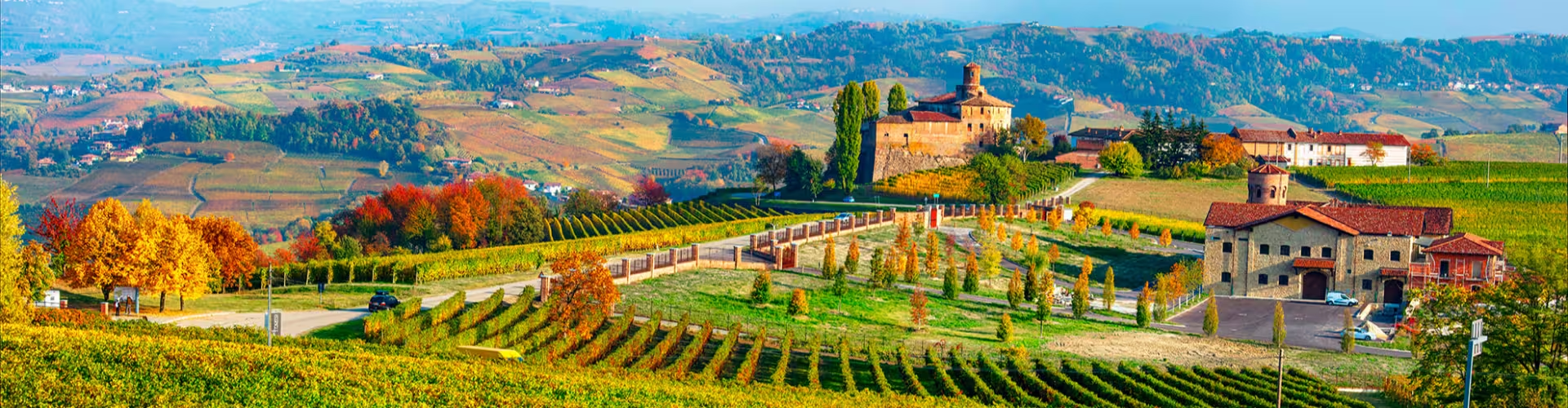

Barolo is a small hilltop village in Piedmont that carries outsized influence thanks to its legendary red wine and the vineyard geometry that wraps the surrounding slopes. Come for cellar doors, panoramic ridge roads, and slow meals that feel calibrated to the seasons. Stay for the quiet confidence of a place where tradition is not staged, it is simply how life moves from harvest to glass.
Barolo feels intimate and deliberate, a destination where the main event is the landscape itself, shaped into vineyards and punctuated by stone villages. The signature vibe is wine country with a historic backbone, think tasting rooms, long lunches, and viewpoints that reward unhurried wandering. Go now if you want a high-impact, low-distance trip where each day can blend culture, scenery, and food without constant transit.
Barolo sits in the Langhe area of Piedmont, within the Province of Cuneo, surrounded by a patchwork of vineyards and small wine towns. The most practical gateways are the regional hubs that connect into Piedmont, then onward by car or local transport into the hills. Plan for the final approach to be slower and scenic, with winding roads that trade speed for views.
Expect a classic four-season rhythm in the hills, with the most comfortable conditions typically in spring and early autumn. Summer tends to bring warmer days and higher visitor numbers, especially for travelers pairing tastings with long outdoor meals. Late autumn is closely associated with the wine and food calendar, so it can feel especially atmospheric, but also busier around peak weekends.
Italy uses the euro, and most traveler-facing businesses in and around Barolo commonly accept cards, though it is wise to carry some cash for small purchases and rural stops. Budget expectations vary depending on how tasting-forward your trip is, since guided tastings and bottle purchases can add up quickly. A practical approach is to set a daily tasting budget, then treat winery visits like experiences rather than impulse stops.
1) Vineyard Viewpoint Walks
Why it matters: The vineyard slopes around Barolo are not just pretty, they explain the region’s identity, from farming patterns to the way villages perch for visibility and defense. A short walk can reveal how aspect and elevation shape the scenery and the mood. Practical tip: Go early or late for softer light and clearer photos, and wear shoes that handle gravel lanes.
2) Winery Tastings and Cellar Visits
Why it matters: This is the most direct way to understand why Barolo is spoken about with such reverence, because you connect flavor to place and process. Tastings can also teach you how producers interpret the same landscape differently. Practical tip: Book ahead when possible, and pace your day with water and a meal between visits.
3) Village Stroll and Historic Core
Why it matters: The village scale makes it easy to slow down and notice details, stonework, small chapels, and the everyday rhythm of a working wine town. This is also where you can get a feel for the destination without an itinerary. Practical tip: Aim for a mid-morning wander, then anchor your afternoon around a tasting or a long lunch.
4) Scenic Drives Through the Langhe Hills
Why it matters: The road network is part of the experience, linking ridgelines, vineyards, and neighboring villages in a way that feels cinematic. Even short drives deliver constant changes in perspective, from tight lanes to broad overlooks. Practical tip: Build in extra time, the best stops are often unplanned pull-offs, and driving is slower on rural curves.
5) Food and Wine Pairing Lunch
Why it matters: In this part of Piedmont, wine is designed to live with food, and a pairing-style lunch turns a meal into a lesson in local taste. It also helps you calibrate your palate, especially if you are tasting multiple wines. Practical tip: Keep the rest of the day light on driving if you plan a long lunch with wine.
6) Photo Stops on Ridge Roads
Why it matters: The visual signature of Barolo is the layered hillscape, vineyards, and villages set against shifting skies. A few well-chosen stops can capture the story of the region better than hours of shooting. Practical tip: If the forecast is mixed, go anyway, broken clouds often create the most dramatic light.
7) Shop for Local Bottles and Pantry Goods
Why it matters: Bringing something home extends the trip, and local shops often reflect what residents actually buy, not only what visitors expect. It is also a chance to explore labels and styles with advice from people who know the area. Practical tip: Ask about shipping options, and keep receipts if you are building a small collection.
8) Slow Evening in a Wine Bar
Why it matters: Evenings in Barolo tend to be calm and conversation-led, which makes a wine bar the perfect setting to compare pours and reflect on the day. It is also a low-effort way to try a range of producers. Practical tip: Start with a smaller pour or a flight, then commit to a glass once you know what you like.
Begin with a morning village stroll to get oriented, then head into the surrounding vineyard lanes for a short viewpoint walk. Schedule one focused winery tasting before lunch, then take a long, local meal that emphasizes pairing and seasonal cooking. In the afternoon, add a scenic drive through the Langhe hills with photo stops, then finish with a relaxed wine bar evening to compare styles and recap what you learned.
Day one is about orientation, a village walk, one tasting, and a slow meal to set your baseline. Day two expands outward with a scenic drive linking nearby hill towns, a second tasting with a different producer style, and time for shopping for bottles and pantry goods. On day three, keep it flexible, revisit a favorite viewpoint at a different time of day, add a final tasting if you can book it, and reserve your last meal for whatever you most enjoyed, whether that is a simple trattoria-style lunch or a more structured pairing dinner.
Barolo wine: Structured and expressive, often built for slow sipping and food pairing. Ordering tip: If you are tasting multiple wines, ask for guidance on pacing and suggested pairings.
Local red wine flights: A practical way to compare producers and styles without committing to full glasses. Ordering tip: Request smaller pours if available, especially if you have more tastings planned.
Seasonal Piedmont-style antipasti: Often focused on balance and restraint, designed to open the appetite rather than overwhelm it. Ordering tip: Choose an assortment to sample the house specialties and share if you are traveling with others.
Handmade pasta with rich sauces: The region is known for comforting textures and sauces that stand up to red wine. Ordering tip: Ask what pasta is made in-house that day, it is often the best indicator of the kitchen’s focus.
Slow-cooked meat dishes: Ideal for long lunches, with flavors that deepen over time and pair naturally with local reds. Ordering tip: If you want a lighter meal, split a main and add a side or salad.
Local cheeses: A natural bridge between wine and dessert, with options that range from mild to more assertive. Ordering tip: Ask for a small mixed board, it is an easy way to taste the area.
Barolo is best experienced at a walking pace in the village itself, where distances are short and the atmosphere rewards lingering. To reach viewpoints, wineries, and neighboring towns, a car is often the most practical option because the landscape is rural and spread across hills. If you are tasting, plan a safety-first approach, book a driver when possible, limit tastings, or split responsibilities within your group, and always prioritize hydration and food between stops.
Alba: A natural nearby hub for food culture and shopping, often used as a base to explore the Langhe. Travel time depends on your route through the hills. Primary reason to visit: broader dining and market-style browsing.
La Morra: Known for elevated viewpoints and a classic hilltown feel. Travel time is short by car. Primary reason to visit: panoramic terraces and a different angle on the vineyard landscape.
Monforte d’Alba: A characterful village with a strong sense of place and hilltop streets. Travel time is short by car. Primary reason to visit: atmosphere, architecture, and another tasting-friendly stop.
Serralunga d’Alba: A small destination with a dramatic profile in the landscape. Travel time is short by car. Primary reason to visit: striking hilltop scenery and a change of pace.
Walking works well for the village center, since distances are short and the streets reward a slow pace. For wineries and nearby hill towns, a car is usually the most practical option in this rural landscape.
Yes, booking ahead is a smart move, especially on weekends and in busier seasons. It also helps you pace the day so you can include meals and viewpoint stops without rushing.
Barolo can be enjoyed as a high-impact day trip, but 2 to 3 days lets you add scenic drives, multiple tastings, and slower meals. The extra time also gives you flexibility if weather changes.
It is possible to enjoy the village itself without a car, focusing on walks, wine bars, and a relaxed meal. Reaching wineries and neighboring towns is harder without private transport, so consider hiring a driver if tastings are a priority.
Prioritize one well-planned tasting, a long pairing-friendly lunch, and at least one vineyard viewpoint walk. Barolo is as much about the landscape and pacing as it is about any single stop.