
Build your dream
experience

More to know about Alba
Alba Travel Guide
Alba is a compact, walkable base in the Province of Cuneo that pairs small-city ease with big regional significance. It is closely tied to the rolling hills of the Langhe, a landscape shaped by viticulture, seasonal harvests, and a slow-food mindset. Use this guide to decide what to prioritize, how to move around, and how to build an itinerary that feels unrushed.
Snapshot
Alba delivers a refined, food-forward vibe that feels local rather than staged, with a center that rewards wandering and a countryside that starts almost immediately beyond town. Go when you want a balance of cultural strolls and countryside views, especially if you enjoy planning days around meals and scenic drives. The signature appeal is its role as a gateway to the Langhe, pairing town comforts with easy access to vineyard villages.
🗺️ Geography and Logistics
📍 Orientation: Where is it within Province of Cuneo and ?
Alba is in Italy’s Piedmont region, within the Province of Cuneo, positioned between Turin and the vineyard hills of the Langhe. It works well as a hub because you can enjoy an urban-style evening in town, then be in rural landscapes shortly after leaving the center. For gateways, plan around major regional hubs such as Turin, and connect onward by road or rail depending on your route through Piedmont.
🕒 When to Go: Seasonal breakdown
Timing in Alba is less about a single “best” month and more about what you want from Piedmont. Warmer periods tend to favor long walks, outdoor dining, and scenic drives through the hills, while cooler periods can feel cozier and more focused on sit-down meals and wine tastings. Crowd levels typically rise when the Langhe is at its most photogenic and when seasonal food culture draws visitors, so book key experiences earlier if you are traveling in peak periods.
💰 Budget & Currency: Practical money tips
Italy uses the euro, and Alba generally supports card payments in many everyday situations, while small purchases and local market-style stops can be easier with some cash on hand. Budget planning is simplest if you separate costs into three buckets: lodging in town, meals, and countryside experiences like tastings or guided visits. If you are traveling beyond the center into smaller villages, keep a backup payment option ready because rural businesses can vary in what they accept.
⭐ Essential Things to Do
1) Historic Center Walk
The center of Alba is made for slow exploration, with a rhythm that shifts from daytime shopping and café pauses to evening strolls. Wandering helps you understand how the town functions as a living place, not just a sightseeing stop. Practical tip: start earlier in the day for quieter streets, then repeat a short loop at dusk to see the atmosphere change.
2) Food-First Day in Town
This is a destination where meals are part of the itinerary, not an afterthought, which connects directly to Piedmont’s broader culinary identity. Building your day around a long lunch or a carefully chosen dinner helps you experience the local pace. Practical tip: choose one main meal to linger over, then keep the other lighter so you can sample more across the day.
3) Langhe Scenic Drive
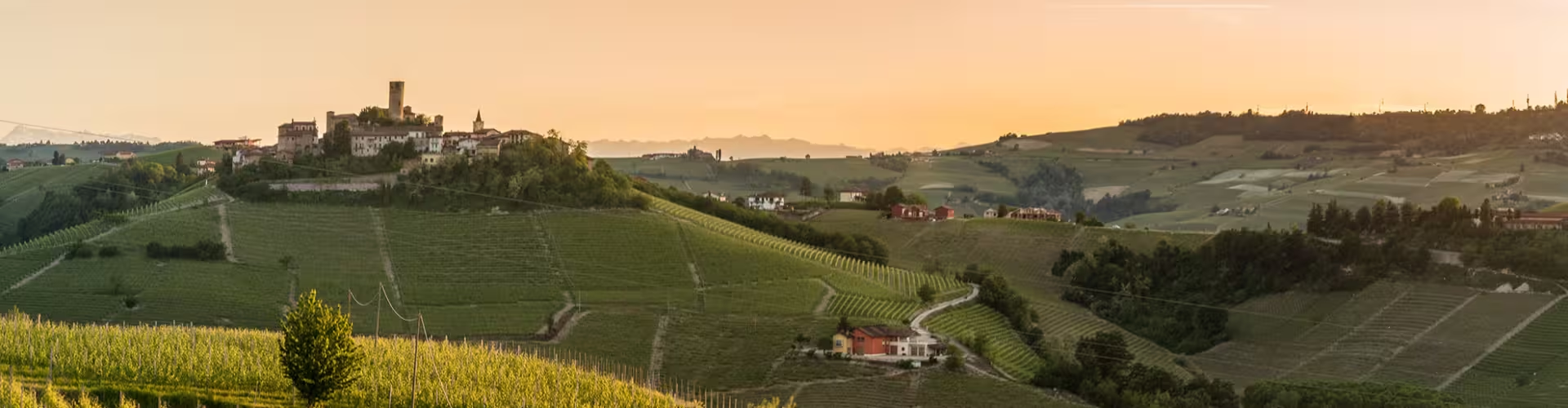
The hills around Alba define the region’s visual signature, with vineyard geometry, small villages, and viewpoints that make even short drives feel cinematic. It matters because the landscape is the context for the food and wine culture you encounter in town. Practical tip: plan a flexible route with time for spontaneous stops, and avoid overbooking so you can follow good weather and good views.
4) Barolo Wine Area Excursion
Barolo wine tours from Alba are a classic choice because they connect you to one of Piedmont’s most iconic wine zones. Even if you are not a wine expert, seeing how villages and vineyards shape local identity adds depth to your trip. Practical tip: if you plan tastings, keep driving responsibilities in mind and consider a guided option if you want to fully focus on the experience.
5) Barbaresco Village and Vineyards
Barbaresco day trip routes are popular for a reason, the area delivers a strong sense of place in a compact footprint. It matters because it offers a slightly different expression of the Langhe’s wine culture and village life. Practical tip: pair a village stop with a viewpoint and one pre-planned tasting, then leave room for a relaxed café break.
6) Truffle Culture Focus
Alba truffle season is central to the town’s culinary reputation and shapes how many travelers time their visit. The appeal is not only the ingredient itself, but the way it influences menus, conversation, and local pride. Practical tip: if you see truffle-focused dishes, ask how they are prepared and served, then choose one dish to try rather than ordering it everywhere.
7) Market and Local Shopping
Local shopping in Alba can be a practical way to bring the region home, from pantry items to small gifts that reflect Piedmont’s food culture. It matters because it connects you to everyday life, not just restaurants. Practical tip: shop earlier in the day for the best selection, and pack a reusable bag if you plan to browse multiple stops.
8) Slow Evening Aperitivo
An aperitivo-style pause fits the town’s social rhythm and helps you transition from daytime exploring to an unhurried evening. It matters because it is one of the easiest ways to feel the local pace without needing a formal plan. Practical tip: aim for a central spot where you can people-watch, then walk to dinner rather than moving your car again.
🚶 Curated Itineraries
⏰ The Highlights (1 Day): A fast-paced “Best Of” route
Start with a focused walk through the historic center of Alba, keeping your morning flexible for browsing and a coffee stop. Plan a food-forward lunch, then spend the afternoon on a short Langhe drive for vineyard views and one village stop. Return to town for aperitivo and a relaxed dinner, keeping the evening walk as your final highlight.
⏰ Deep Dive (2-3 Days): Adding neighborhood exploration and local secrets
Day one, stay in town and go deeper on the center, with long breaks that let you absorb the rhythm of Alba rather than rushing between points. Day two, dedicate your main outing to the Langhe, pairing one structured experience such as a tasting with open-ended scenic time. If you have a third day, split it between a focused Barbaresco day trip style loop and a final evening in town for a meal that spotlights seasonal ingredients.
🍽️ Flavors of Alba
Truffle-focused dishes
Earthy and aromatic, truffle dishes are often designed to be simple so the aroma leads. Ordering tip: ask how the truffle is used in the dish, then choose a preparation that keeps flavors clean and not overly sauced.
Tajarin-style egg pasta
Rich and silky, this type of pasta is often paired with butter-forward or delicate sauces that highlight the pasta itself. Ordering tip: if you want a classic experience, choose a version that emphasizes simplicity over heavy toppings.
Vitello tonnato
A Piedmont staple that balances tender veal with a savory, creamy tuna-based sauce. Ordering tip: it is a strong choice when you want something traditional that still feels light enough for a longer meal day.
Bagna càuda
A warm, garlicky anchovy-based dip typically enjoyed with vegetables, built for sharing and lingering. Ordering tip: consider it for an evening when you are ready for bold flavors, and pair it with a slower pace afterward.
Hazelnut desserts
Nutty, toasted, and comforting, hazelnut sweets reflect the region’s agricultural identity. Ordering tip: if you see multiple hazelnut options, pick one and savor it with coffee rather than over-ordering.
Local red wines from the Langhe
Structured, aromatic reds are a hallmark of the surrounding hills. Ordering tip: if you are unsure, ask for a glass that matches what you are eating, and note the village name to remember what you liked.
🚌 Navigation & Transport
Alba is well suited to walking in the central area, which is often the most rewarding way to experience its atmosphere and make spontaneous stops. For the Langhe and nearby villages, a car is typically the most practical option because it gives you control over viewpoints, short detours, and timing. If you plan tastings, prioritize safety and logistics, set a clear plan for who is driving, and consider guided transport when your day is centered on wine.
🌄 Beyond the Center: Day Trips
Langhe hill towns
A short drive from Alba, these villages deliver vineyard scenery and a strong sense of local character. Primary reason to visit: viewpoints, small-town atmosphere, and a deeper feel for the landscape that shapes the region.
Barolo area
Often approached via Barolo wine tours from Alba, this zone is a cornerstone of Piedmont’s wine identity. Primary reason to visit: tasting culture and the chance to connect place names with real landscapes.
Barbaresco area
Ideal for a Barbaresco day trip, with village stops that pair well with scenic drives. Primary reason to visit: a compact, high-impact day that blends wine country ambiance with relaxed pacing.
Province of Cuneo countryside
Exploring within the Province of Cuneo adds variety beyond the most famous wine routes. Primary reason to visit: quieter rural scenery and a broader understanding of Piedmont’s everyday life.
✅ Insider Tips for Travelers
- Keep your countryside days intentionally light, one main booking plus open time usually feels better than stacking stops.
- If you are visiting during Alba truffle season, prioritize one standout truffle meal and build the rest of your food plan around balance.
- Walk the center twice, once in the morning and once in the evening, the shift in mood is part of the experience.
- When planning tastings, think about transport first, then choose experiences that fit your route rather than zig-zagging.
- Pack comfortable walking shoes for town streets, and a light layer for hill viewpoints where conditions can feel different than in town.
- For the best photos in the Langhe, aim for softer light and leave room to stop safely at viewpoints rather than rushing.
❓ Frequently Asked Questions, FAQ
Is Alba a good base for exploring the Langhe?
Yes, it is a practical hub because you can enjoy a walkable town center and reach vineyard villages with short drives. It also makes it easier to balance structured tastings with relaxed evenings.
Do I need a car in Alba?
In the center, walking is usually enough for a satisfying visit. For day trips into the hills and wine areas, a car or organized transport is typically the most efficient option.
When is the best time to visit Alba for food experiences?
Food culture is strong year-round, but seasonal interest rises when local ingredients shape menus more visibly. If you are planning around Alba culinary highlights, book key meals earlier during busier periods.
Can I do Barolo and Barbaresco in one day?
It is possible, but it can feel rushed if you try to pack in too many tastings. A better approach is one main zone plus viewpoints and a village stop, then return to town for a relaxed evening.
How many days should I spend in Alba?
One day covers the essentials in town plus a short scenic drive. For a fuller experience of Alba and the surrounding hills, plan two to three days so you can slow down and explore beyond the center.
This guide provides practical planning context for travelers visiting Alba in Piedmont, within the Province of Cuneo, including logistics, itineraries, and nearby day trips. It is written by Toursxplorer.com to help visitors choose experiences and plan efficient routes.
Europe, Italy, Piedmont, Province of Cuneo, Alba