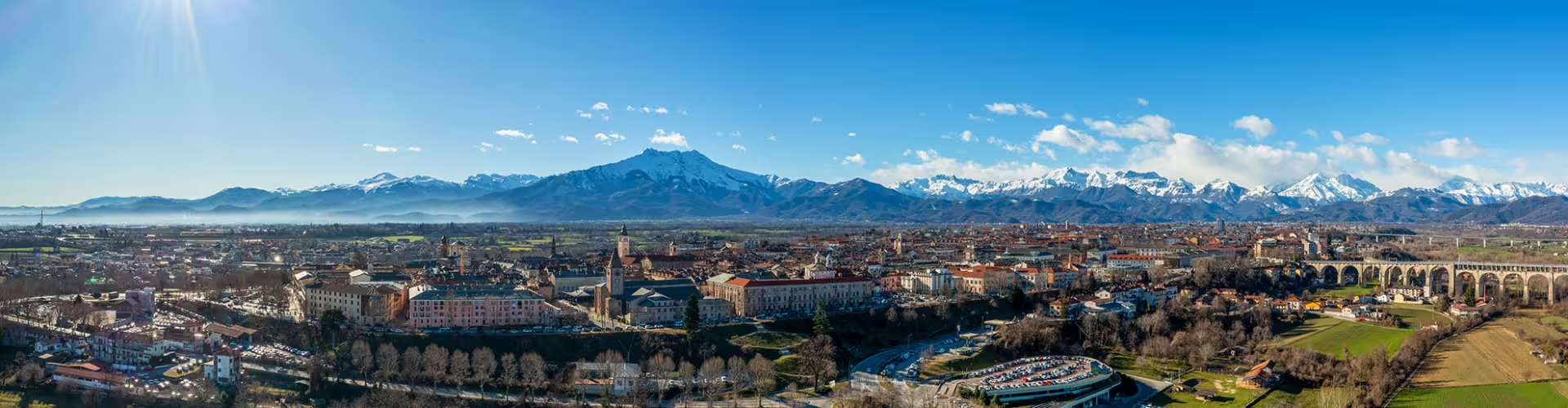
Panoramic view of Cuneo in the Province of Cuneo, Piedmont, Italy, with the snow-capped Maritime Alps and historic city skyline under a clear blue sky

Province of Cuneo

    logoBlack

    Build your dream
    experience

    dreamimg

    More to know about Province of Cuneo


    Province of Cuneo Travel Guide

    Province of Cuneo is Piedmont at its most layered, with vineyard-covered hills, Alpine valleys, and elegant towns that balance slow food culture with outdoor adventure. This corner of northwestern Italy is known for refined wines, white truffles, and a landscape that shifts quickly from rolling Langhe ridgelines to rugged mountain passes. Use this guide to plan a trip that fits your pace, whether you want cellar doors and village strolls, or hikes and scenic drives.


    Snapshot

    Province of Cuneo feels both polished and grounded, with a signature vibe shaped by UNESCO vineyard scenery, market-town traditions, and big-sky mountain horizons. Go now if you want a destination that rewards curiosity, where small detours often lead to memorable viewpoints, local bakeries, and family-run wineries. It is a strong choice for travelers who value food and wine, nature, and towns that still feel lived-in.


    🗺️ Geography and Logistics

    📍 Orientation: Where is it within Piedmont and Italy?

    Province of Cuneo sits in the southwestern portion of Piedmont, bordering France and linking the Alps to the Langhe and Roero wine zones. Key gateways typically include Turin as a major regional hub, with additional access often routed via Milan depending on your itinerary and transport preferences. Once you are in the province, distances can look short on a map but feel longer in the mountains, so plan routes with terrain in mind.

    🕒 When to Go: Seasonal breakdown

    Timing depends on what you want to prioritize. Warmer months suit hiking, lake-and-valley drives, and long evenings in hill towns, while shoulder seasons often feel calmer for wine country exploration and photography. Colder months can be appealing for Alpine atmospheres and cozy dining, but weather can influence road conditions at higher elevations, so build in flexibility.

    💰 Budget & Currency

    Italy uses the euro, and you will find a mix of card-friendly businesses and places where cash is still convenient, especially in smaller villages and markets. For practical budgeting, expect your daily spend to vary widely based on whether you focus on winery visits, guided tastings, and multi-course dining, or choose picnics, bakeries, and self-guided walks. Keep a small cash buffer for parking meters, small purchases, and rural stops where connectivity can be inconsistent.


    ⭐ Essential Things to Do

    Province of Cuneo works best with a curated approach, mixing one or two anchor experiences each day with unhurried time for viewpoints, cafés, and small museums.

    • Explore the Langhe wine landscapes. The hills are defined by vineyard geometry, ridge-top villages, and a culture that treats food and wine as heritage. It matters because the scenery is not a backdrop, it is the main event, especially when light changes across the slopes. Practical tip, plan a route with a few villages rather than trying to cover everything, and allow time for scenic stops between them.
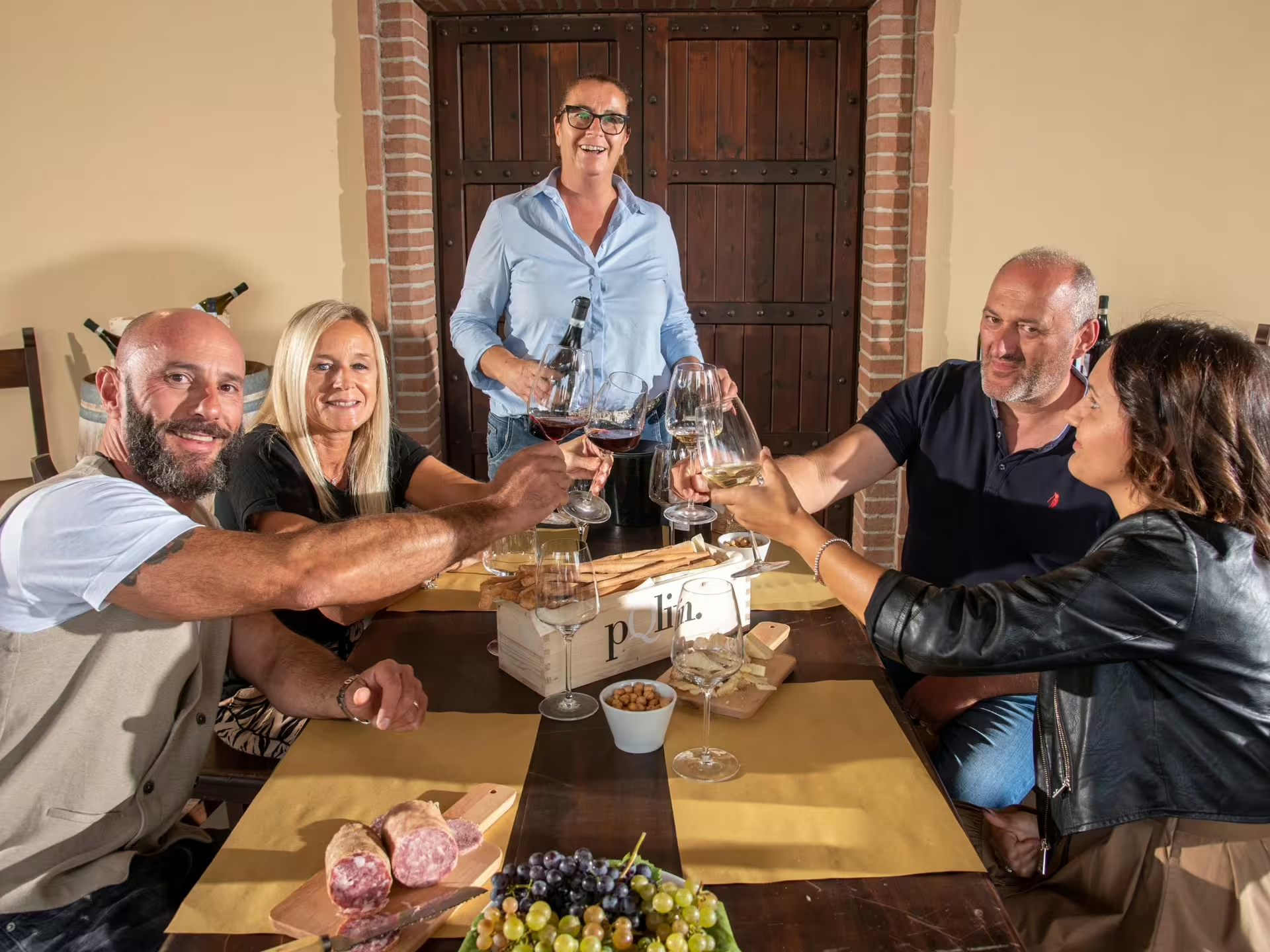
    • Wine tasting in Barolo and Barbaresco country. This area is synonymous with structured, age-worthy reds and cellar culture that ranges from traditional to modern. It matters because tastings here often connect wine to place, with stories about soils, exposures, and family history. Practical tip, book tastings ahead when possible, and if driving, keep visits limited and pace them with food.
    • White truffle culture in Alba. Alba is a key reference point for truffle season and the broader culinary identity of the region. It matters because the truffle story is also about markets, local rituals, and the way restaurants build menus around freshness. Practical tip, choose a meal that highlights truffle in simple preparations, and ask what is in season rather than chasing a specific dish.
    • Hill towns and viewpoints in the Langhe and Roero. Many villages reward slow walking, with panoramic terraces, quiet lanes, and small churches that anchor community life. It matters because these towns offer the most immediate sense of local rhythm, especially outside peak hours. Practical tip, go early or later in the day for softer light and easier parking.
    • Hike or drive into the Maritime Alps. The mountains add a dramatic counterpoint to wine country, with valleys that feel distinctly Alpine. It matters because a single day in the Alps can reset your trip, shifting from tastings to fresh air and big landscapes. Practical tip, check weather before committing to higher routes, and pack layers even when the valleys feel warm.
    • Discover Bra and the Slow Food connection. Bra is closely linked to Italy’s Slow Food movement and a philosophy of taste, biodiversity, and responsible eating. It matters because it provides context for why local products are treated with such care across the province. Practical tip, look for shops and menus that highlight regional ingredients, and consider building a food-focused afternoon around tastings and small plates.
    • Seek out local markets and specialty shops. Markets, bakeries, and deli counters are where everyday Piedmontese food culture becomes tangible. It matters because you can sample cheeses, cured meats, and seasonal produce in a low-pressure way that complements restaurant meals. Practical tip, arrive earlier for the best selection, and bring a reusable bag for picnic supplies.
    • Scenic drives between vineyards, valleys, and villages. Roads often trace ridges and folds in the landscape, creating frequent pull-over moments for photos. It matters because the journey itself is part of the experience in Province of Cuneo, especially in the Langhe. Practical tip, avoid over-scheduling, and keep a buffer for slower mountain roads and spontaneous stops.

    🚶 Curated Itineraries

    ⏰ The Highlights (1 Day)

    Start in Alba for a market-style breakfast and a walk through the historic center, then set out for a ridge-line circuit through the Langhe with at least one viewpoint stop. Add a pre-booked winery tasting focused on Barolo or Barbaresco styles, followed by a relaxed lunch that emphasizes seasonal ingredients. Finish with a golden-hour village stroll, then dinner in a town where you can park once and walk to your table.

    ⏰ Deep Dive (2 to 3 Days)

    Day one, base yourself around Alba and the surrounding hills, combining town time with one tasting and one scenic village loop. Day two, broaden the lens, adding Bra for Slow Food context and additional hill towns, keeping the pace gentle and photo-friendly. If you have a third day, shift into the Alpine side of Province of Cuneo for a valley drive or hike, then return for a final evening meal that ties together wines, cheeses, and local pasta traditions.


    🍽️ Flavors of Province of Cuneo

    • White truffle. Aromatic, earthy, and intense, it is usually served shaved over warm dishes so the fragrance blooms. Ordering tip, ask what the kitchen recommends it on that day, and prioritize simple pairings that let the aroma lead.
    • Tajarin. Fine, ribbon-like egg pasta with a rich, silky bite that pairs well with butter-based sauces and seasonal toppings. Ordering tip, if you see it with a minimal sauce, that is often a sign of confidence in the pasta itself.
    • Agnolotti del plin. Small pinched pasta parcels that are comforting and precise, often filled with meat or vegetables. Ordering tip, look for versions served with butter and sage, or a light meat jus, to taste the filling clearly.
    • Vitello tonnato. Tender veal with a savory, creamy tuna-based sauce, balanced and surprisingly elegant. Ordering tip, it is a classic antipasto, so consider it as a shared starter to leave room for pasta.
    • Bagna cauda. A warm garlic and anchovy dip served with vegetables, bold and communal in spirit. Ordering tip, it is often best enjoyed in cooler weather, and it pairs well with a local red that can stand up to intensity.
    • Hazelnuts and hazelnut desserts. Piedmont is famous for hazelnuts, which show up in cakes, spreads, and gelato with deep roasted sweetness. Ordering tip, choose a hazelnut-based dessert after a truffle-focused meal for a distinctly regional finish.
    • Barolo and Barbaresco wines. Structured reds with aromatics that can lean toward roses, tar, and spice, depending on style and age. Ordering tip, if you want something more approachable, ask your server for a younger, fruit-forward option from nearby areas.

    🚌 Navigation & Transport

    Getting around Province of Cuneo is easiest with a car if you plan to combine wine hills with Alpine valleys, since many viewpoints and rural wineries sit outside town centers. Towns themselves are often walkable once you park, and walking is the best way to enjoy historic centers without worrying about limited traffic zones. If you are tasting wine, consider balancing driving days with slower town days, and choose accommodations that reduce the need for late-night driving on rural roads.

    For accessibility, expect uneven cobblestones in older centers and occasional steep lanes in hill towns, so supportive footwear helps. In mountain areas, weather can change quickly, so keep layers and water with you even on short outings.


    🌄 Beyond the Center: Day Trips

    • Alba. Ideal for a food-focused day, historic streets, and an easy base for Langhe drives. Travel time varies by starting point within the province, so plan it as a hub rather than a quick stop.
    • Barolo area villages. A concentrated dose of vineyard scenery, tasting rooms, and postcard viewpoints. Best done as a half-day to full-day loop with pre-selected stops.
    • Barbaresco area villages. Similar wine-country beauty with its own character and tasting opportunities. Pair it with a relaxed lunch and one scenic walk for balance.
    • Bra. A strong choice for travelers who want culinary context tied to the Slow Food movement. It works well as a daytime stop combined with nearby towns.
    • Maritime Alps valleys. A change of pace into Alpine landscapes for hiking, fresh air, and panoramic drives. Allow extra time for mountain roads and weather-related adjustments.

    ✅ Insider Tips for Travelers

    • Plan fewer stops per day in wine country, then spend more time at each viewpoint, village, or tasting.
    • Book winery tastings in advance when you can, especially if you have a specific producer in mind.
    • Carry small cash for markets, parking, and quick purchases in smaller villages.
    • Drive with daylight in mind, rural roads can be narrow and slower after dark.
    • Pack layers year-round, hilltop breezes and Alpine weather can feel cooler than expected.
    • Choose one signature meal focused on seasonal ingredients, then keep other meals simple with bakeries and market finds.
    • Wear comfortable shoes for cobblestones and steep lanes in historic centers.

    ❓ Frequently Asked Questions, FAQ

    Is it easy to visit the Province of Cuneo without a car?

    It is possible to enjoy town centers on foot once you arrive, but rural viewpoints and many winery areas are easier with a car. If you prefer not to drive, focus on a smaller hub-based itinerary and limit long rural detours.

    How many days do you need for the Province of Cuneo?

    One day can cover a highlights loop with a town visit, a scenic drive, and one tasting. Two to three days allows a better balance of hill towns, food experiences, and a mountain day.

    When is the best time to plan a food and wine trip?

    Shoulder seasons are often a comfortable choice because you can combine pleasant weather with a calmer pace. Seasonal specialties vary, so ask locally what is at its best during your travel window.

    What should you pack for a trip that includes both hills and mountains?

    Bring comfortable walking shoes for cobblestones and layered clothing for changing temperatures. Add water and a light rain layer if you plan to spend time in the Alps.

    Where should first-time visitors base themselves in Province of Cuneo?

    Many travelers choose a hub near Alba for easy access to the Langhe and nearby villages. If you want more mountain time, consider splitting your stay so you can reduce driving and enjoy slower evenings.

    This guide to Province of Cuneo is created by Toursxplorer.com to help travelers plan routes across Piedmont’s wine hills and Alpine valleys. It focuses on practical logistics, curated experiences, and trip planning priorities based on the destination’s key areas.
    Europe, Italy, Piedmont, Province of Cuneo, Langhe, Alba, Barolo, Barbaresco, Bra, Maritime Alps, food and wine travel