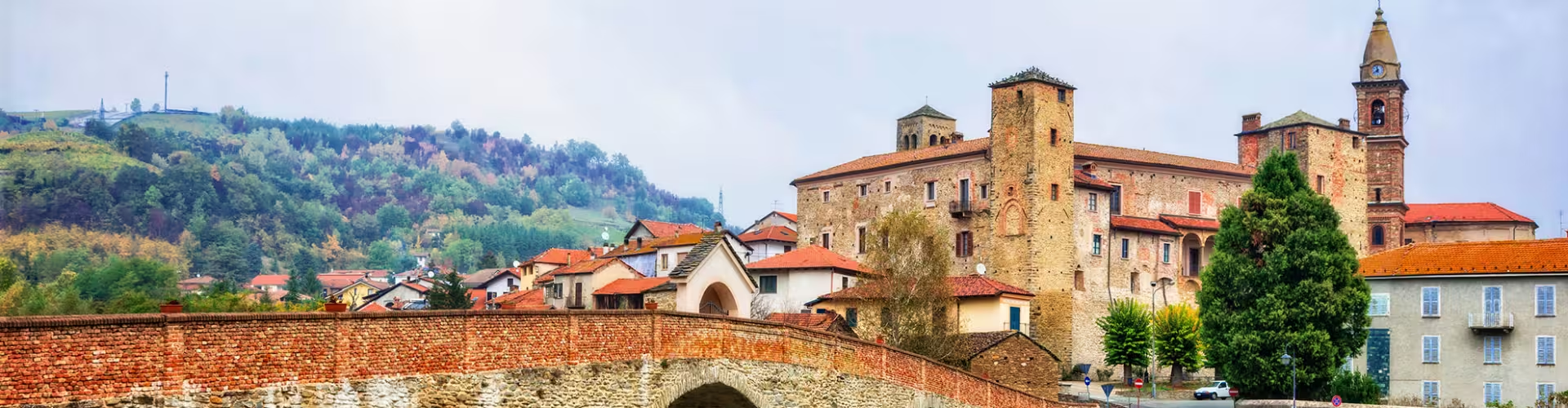


Asti is a Piedmontese city where elegant squares, medieval towers, and a proud food and wine culture create an easygoing, lived in Italian rhythm. Come for the historic center, stay for the simple pleasure of café life, market browsing, and countryside horizons that begin just beyond town. This guide helps you plan a confident trip with practical logistics, curated experiences, and day trip ideas, without overcomplicating your time in Asti.
Asti feels refined but unhurried, a place for slow walks between baroque churches, arcaded streets, and aperitivo hours that stretch into the evening. It is a smart choice when you want Piedmont atmosphere with fewer crowds than the region’s biggest headline cities. Go now if you are building an itinerary around food, wine landscapes, and a compact historic center that rewards wandering.
Asti sits in Italy’s Piedmont region, within the Province of Asti, between larger urban hubs and rolling vineyard country. Think of it as a practical base for exploring nearby hill towns and wine areas, while still having a walkable city core for evenings and downtime. For gateways, plan around major regional transport hubs and airports in Piedmont and neighboring Liguria or Lombardy, then continue by train or road into town.
Timing in Asti depends on your priorities. Warmer months suit long outdoor walks, café terraces, and countryside drives, but you should expect higher visitor numbers in peak travel periods. Cooler seasons can feel calmer and more local, with a focus on museums, churches, and food driven itineraries, plus crisp air that makes historic center strolls especially pleasant. Shoulder periods often offer the best balance of comfortable weather and manageable crowds.
Italy uses the euro, and Asti generally feels mid range compared with major tourist magnets. Budget travelers can keep costs down by prioritizing set menus, bakery breakfasts, and walking focused days, while splurges typically go toward wine experiences and special dinners. Cards are widely used, but it is still wise to carry some cash for small purchases, markets, and quick espresso stops.
Historic Center Walk. The core of Asti is made for walking, with a satisfying mix of medieval traces and later architectural layers. The best way to understand the city is to move slowly, letting streets open into squares and arcades. Practical tip, start early for quieter photos and a calmer feel, then return later for aperitivo energy.
Piazza Alfieri Pause. This central square is a natural anchor for a day, offering people watching and a sense of the city’s scale. It is a good place to reset between sights and to plan your next turn through the lanes. Practical tip, pick a café seat with a wide view and give yourself at least one unplanned hour.
Cathedral and Church Circuit. Sacred architecture in Piedmont often tells the story of local patronage and shifting styles, and Asti is no exception. Even a short circuit adds depth to a city break, especially if you enjoy art details, quiet interiors, and the contrast with lively streets outside. Practical tip, dress respectfully and keep a light layer, interiors can feel cool even in warmer months.
Medieval Towers and Old Streets. The medieval identity of Asti is part of its signature, and spotting towers and older street patterns turns a casual walk into a treasure hunt. This is also where you feel the city’s historic role as a trading place in northern Italy. Practical tip, look up often, and use a loose loop route so you can follow the most atmospheric streets.
Local Market Browsing. Markets are one of the most reliable ways to connect with everyday life, from seasonal produce to regional specialties. In Asti, this can help you build a picnic, choose edible souvenirs, or simply understand what is in season. Practical tip, bring a reusable bag and small cash, and go earlier for the best selection.
Aperitivo Hour. Aperitivo is not just a drink, it is a social rhythm that sets the tone for an evening. Asti is well placed for this ritual, pairing local wines with small bites and relaxed conversation. Practical tip, arrive a little before peak time to claim a good table, then let the evening unfold slowly.
Wine Focused Tasting. Piedmont is synonymous with wine culture, and Asti is an obvious base for tasting experiences that connect the city to its surrounding landscapes. A tasting adds context to what you see on day trips and what you order at dinner. Practical tip, book ahead when you can, and plan transport so you do not need to drive afterward.
Photography Loop at Golden Hour. The city’s warm tones, arcades, and squares can look especially cinematic in late afternoon light. This is an easy, low cost highlight that fits into any itinerary. Practical tip, aim for the hour before sunset, and include both wide square shots and close ups of details like doorways and stonework.
Start with a morning walk through the historic center to get oriented, then pause in a main square for coffee and people watching. Spend midday on a church and architecture loop, keeping the pace gentle so the city feels like a place, not a checklist. In the afternoon, browse shops and any market activity, then settle into aperitivo and a relaxed dinner that leans into local flavors. If you want a final moment, take a short evening stroll to see the center in softer light.
Day one follows the highlights, but add time for slower wandering, museum style stops if they fit your interests, and longer café breaks. On day two, build a wine and countryside focus, either by arranging a tasting experience or taking a scenic loop into nearby hills, then return to Asti for a second evening that feels more local because you already know your favorite streets. With a third day, add a day trip to a nearby destination, then finish with a final shopping pass for edible souvenirs and a last aperitivo.
Asti sits in a region defined by rich, comforting flavors and a strong wine identity. These are the tastes to look for as you plan meals and snacks.
Antipasti assortiti. A spread of small starters can include vegetables, cured meats, and regional specialties, designed for sharing. Ordering tip, ask for a mixed selection so you can taste a wider range without committing to one item.
Tajarin style pasta. Piedmont is known for egg rich pasta that feels silky and satisfying, often paired with simple sauces that highlight ingredients. Ordering tip, choose a house specialty sauce rather than defaulting to familiar options.
Brasato style braise. Slow cooked meats are a classic cold weather comfort, with deep savory notes that pair naturally with local reds. Ordering tip, this is a good choice for dinner when you want something distinctly regional.
Bagna cauda style flavors. This iconic Piedmontese profile leans bold and savory, often built around garlic and anchovy notes with vegetables for dipping. Ordering tip, if you are sensitive to strong flavors, ask what the house style is before committing.
Hazelnut forward desserts. Piedmont’s hazelnuts show up in sweets with a toasted, nutty richness that feels both rustic and elegant. Ordering tip, look for desserts that highlight local nuts rather than generic cakes.
Sparkling wine culture. The name Asti is closely associated with sparkling wine traditions in the wider area, making it a natural theme for aperitivo. Ordering tip, try a local sparkling option early in the trip so you can compare it with other glasses later.
Asti rewards walking, especially in the historic center where short distances and scenic streets make a car unnecessary for most visitors. For longer hops, use regional rail and bus connections, or arrange a taxi when timing matters, especially for evening returns from tastings. If you plan countryside exploration, consider a car for flexibility, but be mindful of narrow roads and limited parking in older areas. Safety is generally about standard city awareness, keep valuables secure in busy areas and choose well lit routes at night.
Alba. A strong choice for food lovers and anyone building a broader Piedmont itinerary. Travel time varies by route and transport, so plan around your preferred pace. Primary reason to visit, culinary culture and a lively historic core.
Barolo area villages. Ideal for wine landscapes and scenic hill town vibes. Travel time depends on your base and whether you go by car or guided transport. Primary reason to visit, vineyard panoramas and tasting focused stops.
Turin. A larger city day that adds museums, grand avenues, and a different layer of Piedmont identity. Travel time depends on rail schedules and your chosen connection. Primary reason to visit, cultural depth and urban architecture.
Genoa. A good contrast day if you want a shift from inland hills to a maritime city atmosphere. Travel time varies, so start early to make the most of it. Primary reason to visit, historic streets and a distinctive port city character.
One day covers the core historic center and a relaxed aperitivo evening. Two to three days is better if you want a tasting experience and a day trip into the surrounding countryside.
Yes, the historic center is compact and well suited to exploring on foot. Wear comfortable shoes and plan for a few slow loops rather than a single straight route.
Shoulder periods often balance comfortable weather with fewer crowds. Warmer months suit outdoor terraces and countryside drives, while cooler seasons can feel calmer and more local.
You can reach some nearby places by regional transport, but a car adds flexibility for hill towns and vineyard areas. If you drink at tastings, plan a driver or alternative transport.
Focus on Piedmont style antipasti, egg rich pasta, slow cooked mains, and hazelnut based desserts. For drinks, include a local sparkling option during aperitivo to connect your meal to the area’s wine identity.