Albugnano is a small hilltop destination in Piedmont that rewards travelers who like panoramic landscapes, slow rhythms, and local food culture. The experience is less about ticking off major monuments and more about viewpoints, village walks, and the feeling of being surrounded by vineyards and rolling countryside. This guide focuses on practical planning, what to do, how to get around, and how to shape a day or weekend that feels distinctly local.
Albugnano delivers a calm, rural Piedmont vibe with big-sky views and a strong sense of place. Go now if you want an uncrowded alternative to larger wine towns, with easygoing walks and a landscape built for photography. It suits couples, solo travelers, and anyone building a countryside break around simple pleasures, good meals, and fresh air.
Albugnano sits in the Province of Asti in the Piedmont region of northwest Italy, an area known for its wine hills and agricultural heritage. It works well as a quiet base between larger hubs, especially if you are combining countryside time with city stays. For arrival planning, look at major regional gateways and transport hubs in Piedmont and nearby northern Italy, then connect onward by road to reach the village and surrounding hills.
Timing is mainly about weather comfort and how lively the surrounding countryside feels. Warmer months typically support longer walks, clearer sunsets, and more time outdoors, while cooler months can feel atmospheric and quiet, especially for travelers who prioritize calm over a packed calendar. If you prefer fewer people and easier parking, aim for shoulder periods and plan your day around daylight for viewpoints and photos.
Italy uses the euro, and day-to-day spending in rural areas often feels more predictable than in major tourist centers. Carry a small amount of cash for small purchases, quick snacks, or places that may prefer it, and keep a card available for larger payments. A practical approach is to budget for a scenic drive, a relaxed meal, and a few local treats, then keep flexibility for spontaneous stops along the way.
1) Scenic Hilltop Walks
Why it matters: The signature pleasure in Albugnano is moving slowly through a landscape shaped by agriculture and views. Short walks help you notice details, changing light, and the quiet character of a small Piedmont village. Practical tip: Start with a gentle loop near the village and time your walk for late afternoon when the light is softer for photos.
2) Viewpoint Photography Sessions
Why it matters: Hill towns in the Province of Asti are made for wide-angle shots, especially when visibility is good. A dedicated viewpoint stop turns a quick visit into a memorable one, and it helps you understand the geography of the surrounding countryside. Practical tip: Bring a light layer even in warm seasons, wind can pick up on exposed ridges.
3) Countryside Drives Through Piedmont Hills
Why it matters: Driving is often the most efficient way to connect villages, viewpoints, and meal stops without rushing. The route itself becomes part of the experience, with curves, farmland, and changing horizons. Practical tip: Keep your schedule loose so you can pull over safely for photos when you find a standout panorama.
4) Slow Food Style Lunch Stop
Why it matters: Rural Piedmont is defined by ingredients, tradition, and a dining pace that encourages you to linger. A long lunch anchors the day and gives you a sense of local identity beyond the scenery. Practical tip: Plan your main meal earlier or later than peak hours to increase your chances of a relaxed table.
5) Local Wine Focus, Piedmont Tastings
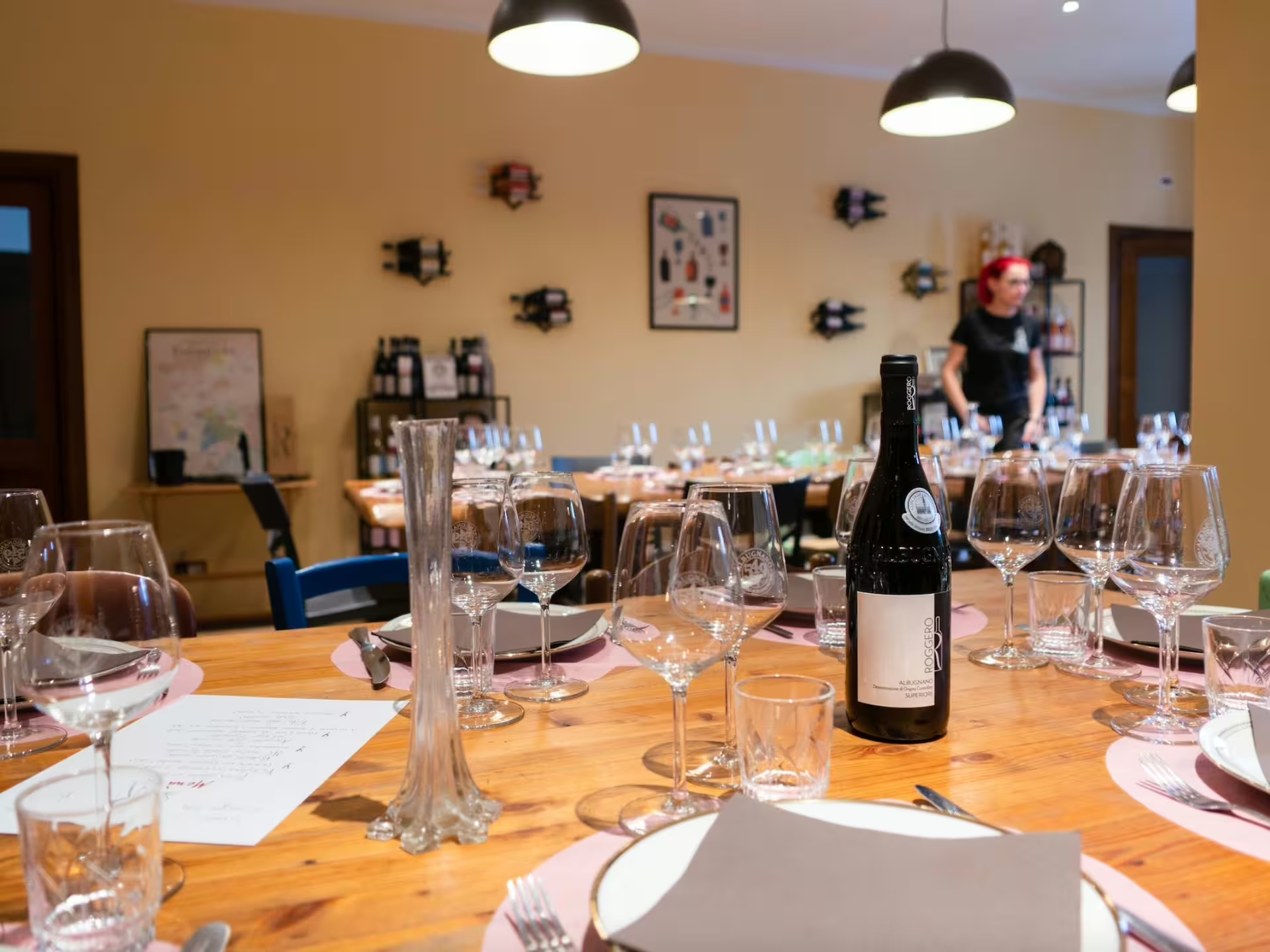
Why it matters: The wider region is globally recognized for wine culture, and tasting locally connects the landscape to what ends up in your glass. Even if you are not doing formal tastings, choosing regional bottles at meals adds depth to the trip. Practical tip: If you are driving, consider sharing a tasting or opting for a single glass, then save purchases for later.
6) Village Atmosphere and Daily Life
Why it matters: The charm of Albugnano comes from its small scale and everyday rhythm. Observing how the village moves through the day, morning calm, midday pause, evening strolls, helps you travel more respectfully and enjoyably. Practical tip: Keep voices low in residential lanes and dress simply when stepping into local spaces.
7) Sunset Watch on the Hills
Why it matters: Sunset is when the countryside feels most cinematic, and viewpoints become naturally emotional. It is also a simple, free highlight that does not depend on schedules. Practical tip: Arrive a little early, scout a safe spot, and bring a small snack and water so you can stay through the best light.
8) Build a Picnic Moment
Why it matters: A picnic suits the setting, it is flexible, affordable, and deeply relaxing. It also encourages you to shop locally for bread, cheese, and seasonal produce. Practical tip: Pack a small bag for trash and choose a spot that does not block paths or private access.
Start your day with a short village walk to get your bearings, then transition into a scenic drive through the surrounding hills for viewpoints and photos. Schedule a long lunch focused on regional flavors, then keep the afternoon flexible for a second walk or a picnic-style pause. Finish with a sunset stop, then return for a simple evening meal and a quiet stroll to close the day.
Use day one for orientation, a relaxed walk, and a food-focused meal, then dedicate day two to a broader countryside circuit through the Province of Asti with multiple stops and time to linger. Add a slow morning on day three for coffee and a final viewpoint session, then depart without rushing. This pace lets you experience Albugnano as a base, not just a quick stop, and it keeps the trip restorative rather than packed.
Agnolotti: Filled pasta that often leans savory and comforting, ideal when you want a hearty local plate. Ordering tip: Ask what the house filling is, then pair it with a regional wine suggestion.
Tajarin: Thin egg pasta with a rich, silky bite that highlights simple sauces. Ordering tip: If you see a seasonal sauce option, choose it for a more local feel.
Bagna cauda: A warm, bold dip with a deep savory profile, typically enjoyed with vegetables. Ordering tip: Share it, it is often best as a communal dish.
Vitello tonnato: Tender veal with a creamy, savory sauce that balances richness and freshness. Ordering tip: Look for it as an antipasto when you want a classic Piedmont start.
Brasato: Slow-cooked meat with a deep, wine-forward flavor, satisfying on cooler days. Ordering tip: Plan this as your main meal when you have time to linger.
Hazelnut desserts: Nutty, fragrant sweets that reflect Piedmont’s ingredient culture. Ordering tip: Ask for the local hazelnut based option, then pair it with coffee.
Getting around Albugnano and nearby hills is typically easiest by car, especially if you want to combine viewpoints, meal stops, and nearby villages in one day. Walking works well for short village exploration and scenic lanes, but distances between destinations can be rural and spread out. Drive cautiously on narrow roads, watch for cyclists, and plan for limited lighting in the evening if you are returning after sunset.
Ast i (Asti): A logical nearby hub in the Province of Asti for a broader city and food scene. Travel time depends on your route and transport, but it is typically a straightforward regional drive. Primary reason to visit: expand your trip with an urban contrast and more dining options.
Turin (Torino): Piedmont’s major city offers museums, grand architecture, and a different pace from the hills. Travel time varies, plan it as a full day if you want to do it properly. Primary reason to visit: culture, cafés, and a strong sense of Piedmont identity.
Langhe hills: A famous wine landscape within Piedmont, best approached as a scenic day of driving and tasting. Travel time varies depending on which villages you choose. Primary reason to visit: vineyard scenery and wine-focused experiences.
Monferrato area: Another countryside zone known for rolling hills and rural character that pairs naturally with Albugnano. Travel time depends on the specific stop. Primary reason to visit: expand your landscape experience with more hill towns and viewpoints.
Is Albugnano best visited as a day trip or an overnight stay?
A day trip works well if you focus on viewpoints, a walk, and a long meal. An overnight stay suits travelers who want sunset and a slower pace without rushing drives.
Do I need a car to explore Albugnano and the surrounding hills?
A car is the most practical option for linking countryside stops and nearby villages efficiently. You can still enjoy short walks in the village on foot once you arrive.
What is the best time of day for photos in Albugnano?
Late afternoon into sunset is ideal for softer light and stronger landscape color. Early morning can also be excellent if you want quieter roads and a calm atmosphere.
How should I plan meals when visiting rural Piedmont?
Treat lunch as a main event and allow extra time, service can be intentionally unhurried. Keep snacks on hand in case your day includes longer drives between stops.
What should I pack for a trip to Albugnano?
Bring comfortable walking shoes, a light layer, and water for time outdoors. If you plan sunset viewpoints, add an extra layer for cooler hilltop air.