Province of Asti

logoBlack

Build your dream
experience

dreamimg

More to know about Province of Asti


Province of Asti Travel Guide

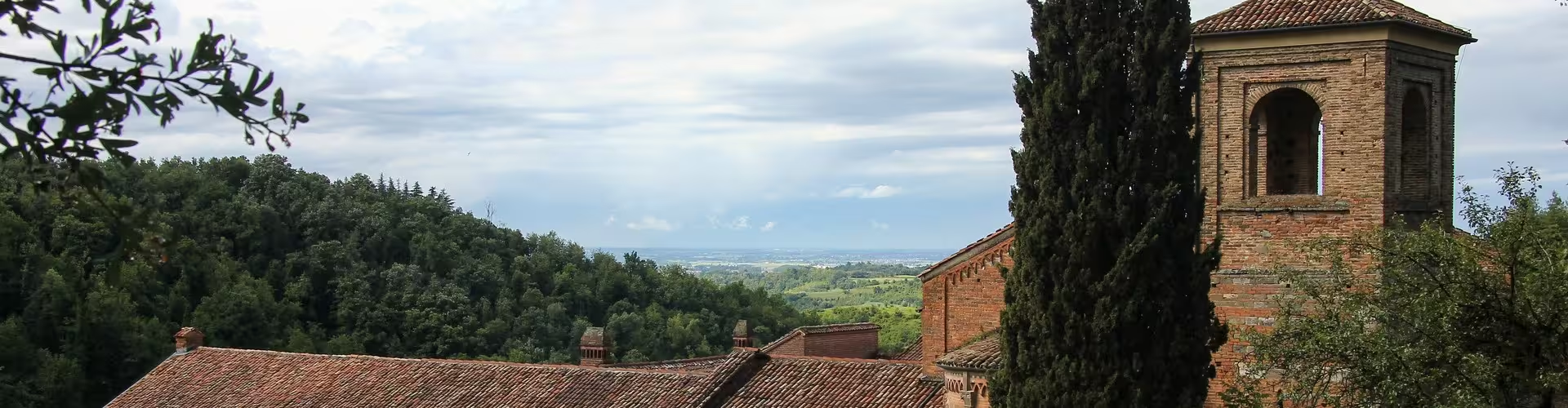
Province of Asti rewards travelers who like their Italy slower, more local, and deeply tied to the land. This corner of Piedmont is shaped by vineyard hills, market towns, and a food and wine culture that feels lived in rather than staged. Come for cellar doors and panoramic roads, stay for long lunches, small museums, and the kind of evenings that revolve around a single bottle and good conversation.


Snapshot

Province of Asti is a destination of rolling countryside, historic centers, and a wine-first rhythm that makes even a short trip feel restorative. The signature vibe is rural elegance, think hilltop views, stone streets, and tasting rooms where the story behind the glass matters. Go now if you want a less crowded Piedmont base that still connects easily to major northern Italy hubs.


🗺️ Geography and Logistics

📍 Orientation: Where is it within Piedmont and Italy?

Province of Asti sits in Piedmont in northwestern Italy, between larger regional magnets such as Turin and the Langhe area. It works well as a hub for travelers who want vineyard landscapes and historic towns without committing to one single resort-style base. For arrivals, most visitors route through major northern Italy transport hubs, then continue by train or car into Asti and the surrounding hills.

🕒 When to Go: Seasonal breakdown

Spring and early summer suit travelers who want green hills, comfortable temperatures, and long daylight for scenic drives and village wandering. Late summer and autumn tend to feel more harvest-focused, with a stronger wine-country energy and a more culinary travel mood. Winter is quieter and can be ideal for museum time, slow meals, and a more local pace, though some countryside experiences may operate with reduced frequency.

💰 Budget & Currency: Practical money tips

Italy uses the euro, and you can plan on paying by card in many restaurants and shops, while keeping some cash for small purchases in villages and markets. In Province of Asti, spending often goes toward food, tastings, and transport rather than big-ticket attractions, so budgeting is usually about how many sit-down meals and winery stops you want. If you are driving, build in extra room for parking and tolls, and always keep a little flexibility for spontaneous detours that turn into long lunches.


⭐ Essential Things to Do

1) Explore Asti’s historic center
Asti is the natural starting point for understanding the area’s identity, with a walkable core that layers everyday life over centuries of history. Strolling its central streets helps you tune into the local rhythm, coffee bars, small boutiques, and a sense of place that feels distinctly Piedmontese. Practical tip, start early to enjoy quieter streets and save your longer stop for later when aperitivo culture picks up.

2) Taste local sparkling wine traditions
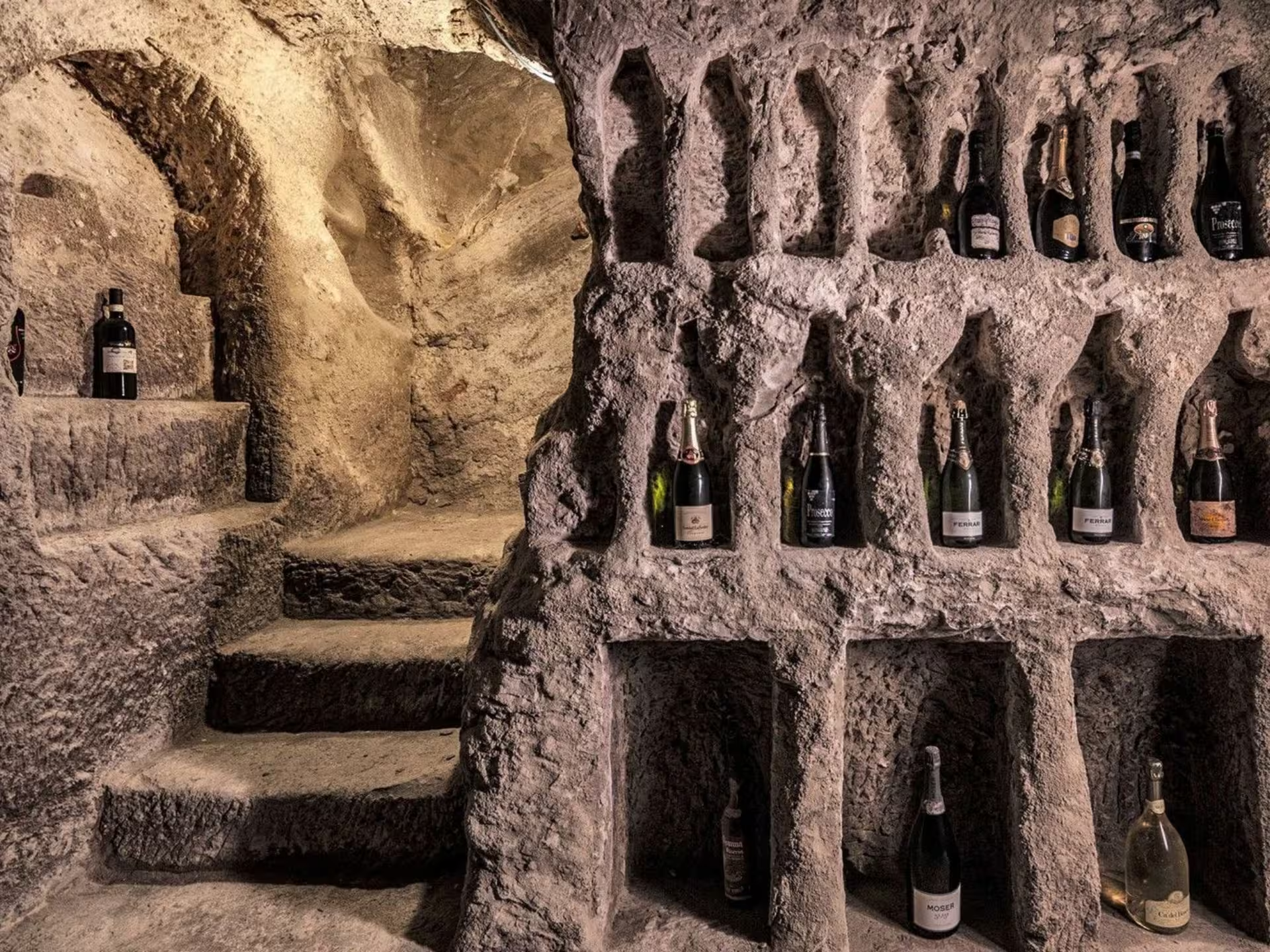
The name Asti is widely associated with aromatic sparkling styles, and the broader Province of Asti is built around wine culture that connects landscape to craft. A tasting is not just about flavors, it is a shortcut to understanding why these hills look the way they do and why certain villages prospered. Practical tip, choose one or two tastings per day and leave time in between, your palate and schedule will thank you.

3) Drive the vineyard roads for panoramic viewpoints
The countryside here is made for slow travel, with routes that rise and dip through vine rows, hazelnut groves, and small settlements. Viewpoints are not a single attraction, they are a repeating reward that turns the journey into the highlight. Practical tip, plan a loose loop rather than a strict timetable, and pull over only where it is clearly safe and permitted.

4) Visit hilltop villages for architecture and atmosphere
Small towns in Province of Asti often sit high for defensive and practical reasons that now translate into beautiful skylines and wide views. The appeal is the contrast between intimate streets and expansive horizons, plus the chance to see local life away from big-city crowds. Practical tip, wear shoes with grip for cobbled lanes and slopes, and carry a light layer because hilltops can feel breezier.

5) Build a food-focused day around markets and bakeries
A market morning gives you a direct look at what locals buy and cook, and it is one of the best ways to eat well without overplanning. Pair it with bakery stops and a simple picnic in a scenic spot, and you have an experience that feels both budget-smart and deeply regional. Practical tip, shop early for the best selection, then eat later when you find a view you do not want to leave.

6) Book a winery lunch or pairing experience
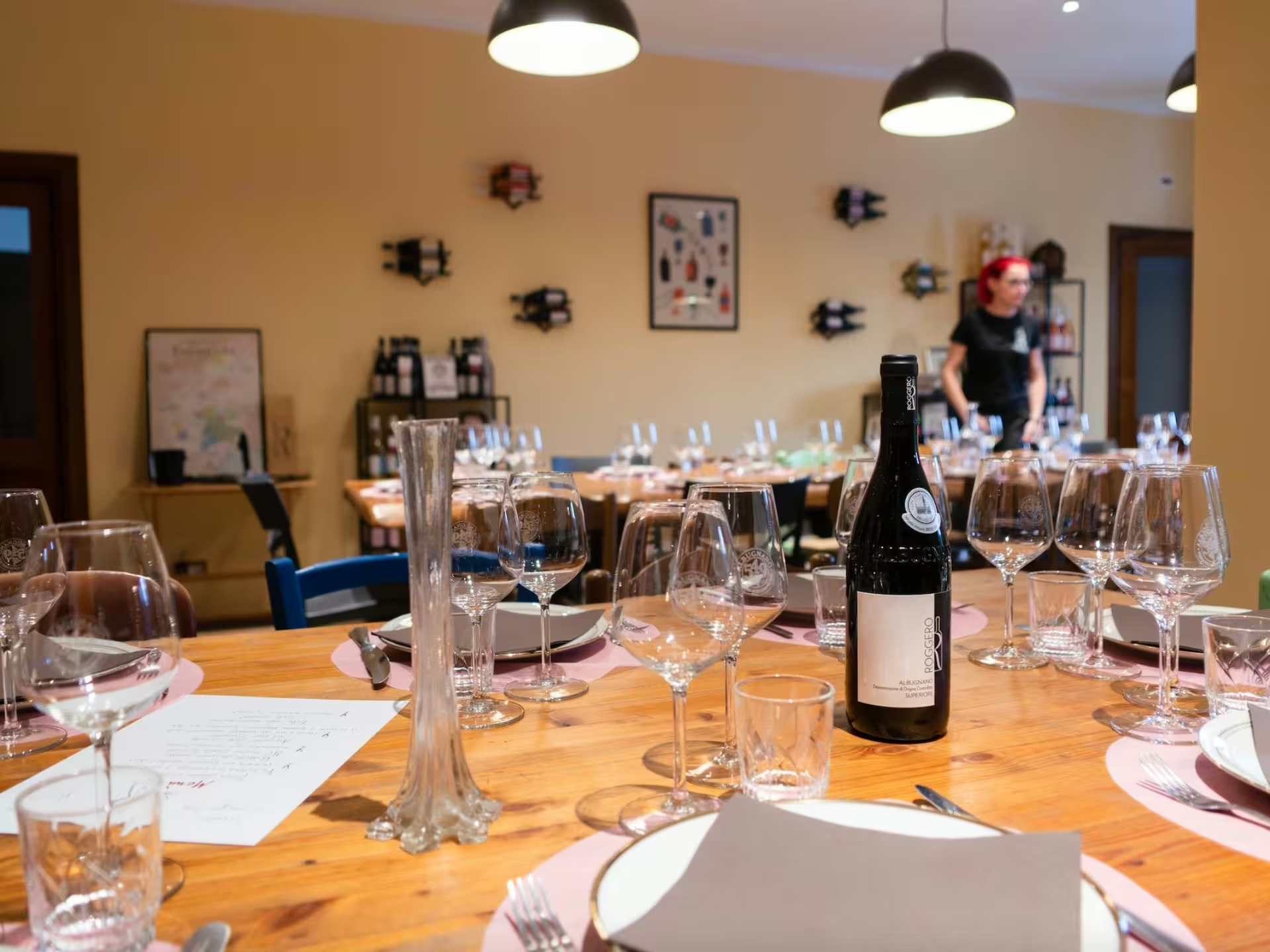
A meal in wine country is not just dining, it is an education in how local ingredients and local bottles are meant to meet. In Province of Asti, the most memorable meals often happen in the countryside, where the setting reinforces the flavors. Practical tip, reserve ahead when you can, and confirm the driving plan so you can taste responsibly.

7) Look for local festivals and cultural evenings
Many Piedmont communities mark the calendar with food, wine, and heritage events that bring residents into the streets. Even if you do not plan around a specific date, asking locally can lead you to a concert, tasting night, or community celebration that adds depth to your trip. Practical tip, keep one evening unbooked so you can say yes to something you only discover once you arrive.

8) Take a slow afternoon in a countryside agriturismo setting
Part of the appeal of Province of Asti is how naturally it supports unhurried travel, long conversations, and time outdoors. A relaxed afternoon with views, local produce, and a calm pace can be the most restorative part of the itinerary. Practical tip, plan this after a busier morning, it balances the trip and helps you avoid overpacking each day.


🚶 Curated Itineraries

⏰ The Highlights (1 Day): A fast-paced best-of route

Start in Asti for a focused walk through the historic center, then pause for coffee and a simple pastry before the streets get busier. Late morning, head into the surrounding hills for a scenic drive that strings together one or two villages and a short viewpoint stop. Book a single tasting in the afternoon, then return to town for aperitivo and a dinner that leans into local ingredients and a bottle from the area.

⏰ Deep Dive (2-3 Days): Add villages, tastings, and slow meals

Day one, base yourself in Asti, walk the center, browse shops, and set your bearings with a relaxed evening meal. Day two, dedicate the day to the countryside, choose a loop that includes hilltop villages, one winery tasting, and a long lunch that connects food to place. Day three, keep it flexible for markets, a second tasting in a different style, and extra time wherever you felt the strongest connection, because in Province of Asti the best moments are often the unplanned ones.


🍽️ Flavors of Province of Asti

Local sparkling wine styles, aromatic and celebratory, often enjoyed as an aperitivo or paired with lighter bites. Ordering tip, ask for a local recommendation by style, dry or sweeter, and share a bottle if you are tasting across the day.

Piedmontese antipasti, a table-building tradition of small plates that can include vegetables, cheeses, and cured meats. Ordering tip, choose a mixed selection to sample broadly, then decide what you want more of.

Fresh pasta dishes, typically designed to carry rich sauces and highlight regional ingredients. Ordering tip, ask what is seasonal, kitchens often do their best work when they follow the market.

Local cheeses, ranging from soft and creamy to aged and assertive, ideal with bread and a glass from nearby vineyards. Ordering tip, request a small tasting board if available, it is an efficient way to learn what you like.

Hazelnut-forward sweets, common across Piedmont and often deeply aromatic and nutty. Ordering tip, pick one dessert to share after a heavier meal, it keeps the experience balanced.

Truffle-season flavors, when available, can turn simple dishes into something memorable through aroma and intensity. Ordering tip, ask whether truffle is fresh or used in a sauce, and choose based on your budget and preference.


🚌 Navigation & Transport

Within Asti, walking is the easiest way to experience the historic center, and it lets you move naturally between cafés, shops, and evening dining. For the wider Province of Asti, a car is often the most practical option because villages and viewpoints are spread across rolling hills, and public transport can be limited outside main routes. If you drive, stay alert on narrow rural roads, plan conservative travel times, and consider accessibility needs in advance since older centers can include steps, slopes, and uneven paving.


🌄 Beyond the Center: Day Trips

Turin, a strong day trip for museums, grand boulevards, and café culture, and a useful contrast to rural Piedmont. Travel time varies by route and transport choice, but it is commonly approached as a straightforward hub-to-hub outing.

Alba and the Langhe, ideal for travelers who want to compare wine landscapes and add more famous vineyard towns to the trip. It pairs well with Province of Asti because the scenery is complementary while the feel can be different from village to village.

Barolo-area villages, a classic wine-country extension for tasting-focused travelers who want more cellar doors and iconic labels. Plan this as a full day if you want to include tastings without rushing.

Genoa or the Ligurian coast, a longer day trip option that swaps hills for sea air, historic port streets, and seafood flavors. It works best if you start early and keep your schedule simple.


✅ Insider Tips for Travelers

  • Keep your itinerary loose, then anchor each day with one reservation, such as a tasting or a long lunch.
  • Limit tastings if you are driving, and plan a designated driver plan from the start.
  • Pack shoes for cobblestones and slopes, plus a light layer for breezy hilltops.
  • Eat like a local by shifting the budget toward fewer, better meals rather than constant snacking.
  • Ask for seasonal recommendations, it is the easiest way to avoid tourist-trap ordering.
  • Carry some cash for small village purchases and market finds.

❓ Frequently Asked Questions, FAQ

Is Province of Asti better explored by car or public transport?
Asti itself is easy to explore on foot, especially in the historic center. For the countryside and hilltop villages, a car is usually the most practical option because sights are spread out across rural roads.

How many days do I need for Province of Asti?
One day covers a highlights loop with Asti plus one countryside tasting. Two to three days is better if you want village time, slower meals, and flexibility for spontaneous stops.

What is the best season to visit?
Spring and early summer are comfortable for walking and scenic drives with longer daylight. Late summer and autumn feel more wine-country focused and can suit travelers who plan tastings and food experiences.

Do I need cash, or can I use cards?
Cards are widely useful for restaurants and shops, but carrying some cash helps for small purchases in villages and markets. This is especially handy when you are moving around rural parts of the area.

What should I prioritize on a first trip to Province of Asti?
Start with Asti’s historic center to get your bearings, then add one winery tasting and at least one hilltop village for views. Keep the day balanced with a long lunch or aperitivo so the pace matches the local rhythm.