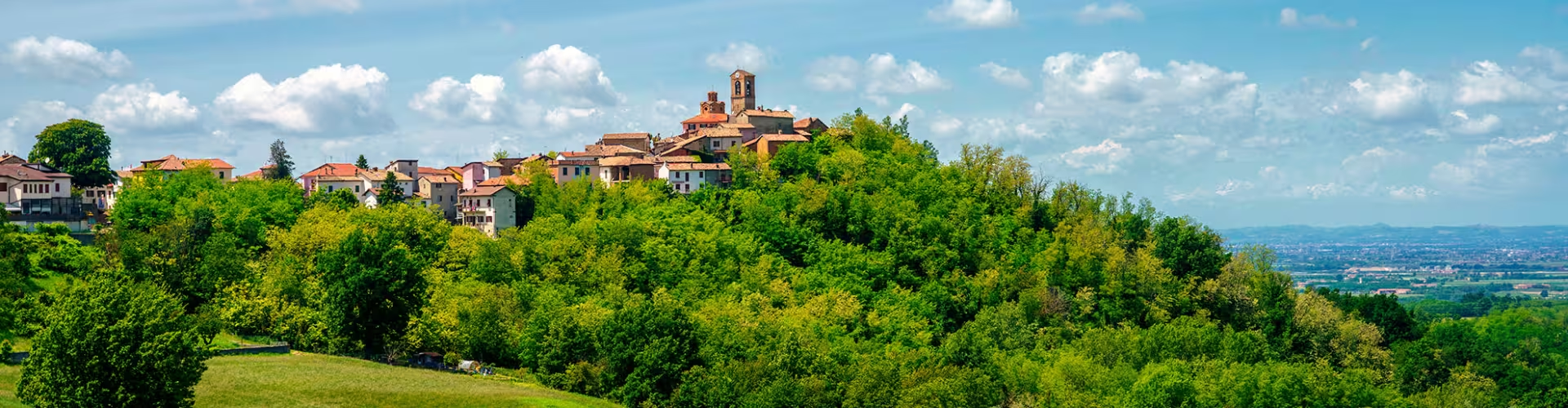


Tortona is a compact Piedmont town in the Province of Alessandria where Roman roots, medieval layers, and an easygoing Italian pace come together in a walkable center. It suits travelers who want culture without crowds, plus a practical base for exploring vineyards, hill towns, and the wider Po Valley corridor. Use this guide to plan what to do, how to get around, what to eat, and how to connect Tortona with nearby day trips.
Tortona feels quietly confident, with historic streets, church façades, and café life that rewards slow travel. The signature vibe is local and lived-in, ideal for travelers who prefer authentic routines over headline attractions. Go now if you want a flexible, good-value stop between bigger northern Italian cities, with plenty of options for countryside escapes.
Tortona sits in Piedmont, within the Province of Alessandria, positioned as a convenient link between major northern Italian routes. Think of it as a gateway town where the flatlands begin to fold into gentle hills, making it easy to pair urban day plans with rural scenery. For most travelers, the simplest approach is to route through a larger rail hub, then connect onward by regional train or car, depending on where you are coming from and what you want to do next.
Plan your timing around the experience you want rather than a single headline season. Warmer months typically support longer walking days and outdoor dining, while cooler periods can make museums, churches, and café hopping feel especially cozy. Shoulder seasons often strike the best balance for photography, comfortable strolls, and a calmer atmosphere, especially if you prefer fewer tour groups and more spontaneous dining choices.
Italy uses the euro, and Tortona generally lends itself to a sensible, mid-range travel budget because many highlights are rooted in public spaces and everyday culture. Carry a little cash for small purchases, quick snacks, and places that prefer it, but expect cards to be widely useful for restaurants and larger payments. A practical approach is to keep coins on hand for incidentals and use a card for structured spending so you can track your daily total.
Stroll the Historic Center. The heart of Tortona is made for walking, with streets that reveal layers of history through stone details, façades, and small squares. The value is in the rhythm, pausing for a coffee, stepping into a church, and noticing how local life moves. Practical tip, go early in the day for quieter photos, then return near evening for a livelier atmosphere.
Seek Out Roman and Medieval Traces. Tortona has deep historical roots, and even without a checklist of “must-see” monuments, you can build a meaningful visit by looking for signs of older eras in the urban fabric. This matters because it turns a simple walk into a story, connecting the town to the broader history of northern Italy. Practical tip, use a slow loop route and read plaques and inscriptions when you find them.
Visit Local Churches for Art and Atmosphere. Churches in towns like Tortona often double as quiet cultural spaces where architecture, devotional art, and community identity meet. They are ideal when you want a reflective break from the street. Practical tip, dress respectfully and keep your voice low, it helps you blend in and enjoy the calm.
Enjoy Café Culture in a Piazza. A piazza stop is not just a break, it is a window into daily life, from morning espresso rituals to slow afternoon conversations. This experience matters because it anchors your trip in local habits rather than a rushed itinerary. Practical tip, order at the counter if that is the local custom, then take your time once you are seated.
Shop for Regional Specialties. Food shopping is one of the easiest ways to bring Piedmont home, and Tortona is well placed for regional flavors and pantry staples. This matters because it supports small producers and improves your meals if you are staying in an apartment. Practical tip, buy a few items for a picnic so you can eat well on travel days.
Plan a Countryside Loop. The landscape around Tortona shifts quickly from town streets to open roads and rolling hills, which is perfect for a half-day escape. It matters because it shows the agricultural context that shapes local cuisine and pace of life. Practical tip, if you rent a car, map a simple loop with one scenic stop so you are not rushing between too many villages.
Use Tortona as a Base for the Province of Alessandria. Staying in Tortona can be a strategic choice if you want to explore the wider area without changing hotels frequently. This matters because it reduces transit friction and gives you more time for experiences. Practical tip, cluster your day trips by direction so you spend less time backtracking.
Photograph Details, Not Just Landmarks. The most memorable images in Tortona often come from textures, doorways, street scenes, and changing light. This matters because it captures the town’s character, even if you are not chasing famous viewpoints. Practical tip, walk the same street twice at different times of day to see how the light changes.
Start with a slow breakfast, then do a structured walk through the historic center, prioritizing churches and older streets while the day is still quiet. Break for a relaxed lunch, then spend the afternoon on a flexible loop that includes shopping for regional products and a final coffee in a central piazza. Finish with an early evening stroll, when locals return to the streets and the town feels most alive.
Day one focuses on Tortona itself, walking the center in the morning and revisiting favorite corners later for photos and a different mood. Day two adds the countryside, either by car or regional connections, with one primary nearby destination and a second short stop to keep the pace enjoyable. If you have a third day, dedicate it to a longer day trip in the Province of Alessandria, then return for a final dinner in town so your trip ends on a relaxed note.
Risotto. Creamy, comforting, and often tied to seasonal ingredients, risotto is a classic northern Italian staple. Ordering tip, ask what the seasonal version is, it is often the most interesting choice.
Fresh Pasta. Piedmont cuisine leans into rich sauces and careful technique, and fresh pasta is a great way to taste that tradition. Ordering tip, if you are hungry, consider a pasta course as your main rather than adding a heavy second course.
Local Cheeses. Expect savory, structured flavors that pair well with bread and a glass of wine. Ordering tip, choose a mixed board if available so you can compare styles.
Cured Meats. Salumi brings salty depth and makes an easy starter to share. Ordering tip, ask for a small portion if you plan a multi-course meal, it keeps the balance.
Seasonal Vegetables. Northern Italian cooking often highlights produce with simple preparations that let ingredients speak. Ordering tip, look for vegetable sides that match the season, they are usually at their best.
Espresso and Café Drinks. Coffee culture is part of the daily rhythm, from quick counter shots to longer breaks. Ordering tip, keep it simple and follow local timing habits, especially for milk-based drinks.
Tortona is best approached as a walking destination once you are in the center, since short distances help you notice details and keep plans flexible. For longer hops, regional public transport and taxis can fill gaps, while a rental car becomes most useful if you want to explore rural areas and nearby towns on your own schedule. Stay aware on busier roads if you are walking outside the core, and if accessibility is a concern, plan routes that minimize steep sections and prioritize direct paths between key stops.
Alessandria. Roughly 30 to 45 minutes by regional transport or car, depending on connections. Visit for a broader city feel and additional cultural options within the same province.
Genoa. Around 1 to 1.5 hours by train or car, depending on the route. Go for a dramatic change of scenery, with a historic port city atmosphere and coastal energy.
Milan. Often about 1 to 1.5 hours by train, depending on service. Ideal if you want a big-city day of museums, shopping, and iconic architecture, then return to a quieter base.
Pavia. Commonly about 45 to 75 minutes by train or car, depending on connections. A strong choice for historic streets and a slower university-town mood.
Langhe and Monferrato areas. Travel time varies widely, often 1 to 2+ hours by car depending on the specific village. Visit for vineyard landscapes, hilltop towns, and a food-and-wine focused day.
Yes, it can work well because it is a manageable town with straightforward access to nearby places. It is especially practical if you want to reduce hotel changes and do day trips instead.
One day is enough for a highlights walk and a relaxed meal rhythm. Two to three days is better if you want a countryside loop and at least one longer day trip.
You do not need a car to enjoy the town center, which is suited to walking. A car becomes more useful if you want to explore rural areas and multiple villages in one day.
Shoulder seasons often feel comfortable for walking and tend to be calmer. Warmer months can be great for longer days outside, while cooler months suit a slower, café-focused pace.
Yes, the town’s appeal is its low-key, local atmosphere rather than a high-pressure sightseeing checklist. If you enjoy strolling, churches, and food breaks, it is a strong fit.