Piedmont, nestled in the northwest of Italy, offers a delightful blend of stunning landscapes and cultural richness. Known for its rolling hills, lush vineyards, and historical cities, it is a must-visit for any traveler. Discover the best things to do in Piedmont as you explore this captivating region.
Piedmont is located in the heart of Italy, surrounded by the Alps and bordered by France and Switzerland. The primary gateway cities include Turin, with its international airport, and convenient train connections from Milan.
Spring and autumn are ideal for visiting Piedmont, with mild weather and fewer tourists. Winters are perfect for skiing, while summers offer vibrant festivals and lush scenery.
Expect moderate prices for meals and accommodation. Credit cards are widely accepted, but keep cash for smaller establishments. Consider purchasing combo tickets for attractions.
Visit Turin: Explore the elegant city of Turin, known for its baroque architecture and rich history. Allow a full day to soak in its museums and cafes.
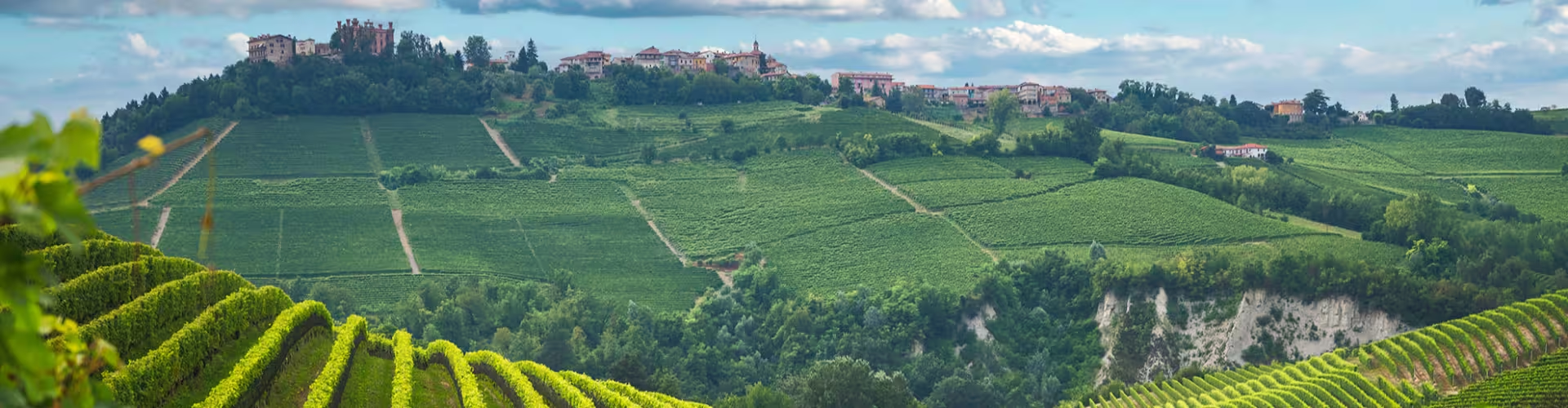
Barolo Wine Region: Discover the famous Barolo wine region; enjoy tastings and tours. Plan a half-day trip to savor the local wines and landscapes.
Lake Maggiore: Take a scenic boat trip on Lake Maggiore. Ideal for families, spend a day exploring its islands and gardens.
Alba Truffle Festival: Visit Alba during the truffle festival in autumn. Experience the vibrant market and indulge in truffle-infused dishes.
Langhe Hills: Hike or drive through the picturesque Langhe Hills. Capture panoramic views and visit charming villages along the way.
Royal Palace of Venaria: Tour the grand Royal Palace and its stunning gardens. Allocate two to three hours for this UNESCO World Heritage site.
Start in Turin, visiting the Palazzo Reale and Egyptian Museum. After lunch, head to the Mole Antonelliana for city views. End with dinner in a local trattoria.
On day one, explore Turin's highlights. On day two, venture to the Barolo region for wine tasting, followed by a visit to the Royal Palace of Venaria.
Spend the first two days as outlined. On the third day, take a day trip to Lake Maggiore or hike in the Langhe Hills for a blend of culture and nature.
Tajarin: Thin pasta served with butter and truffles, a Piedmont delicacy. Try it at local osterias.
Bagna Cauda: A warm anchovy and garlic dip, perfect with fresh vegetables. A traditional dish best enjoyed in the colder months.
Gianduiotto: Indulge in this creamy chocolate and hazelnut confection, a Turin specialty.
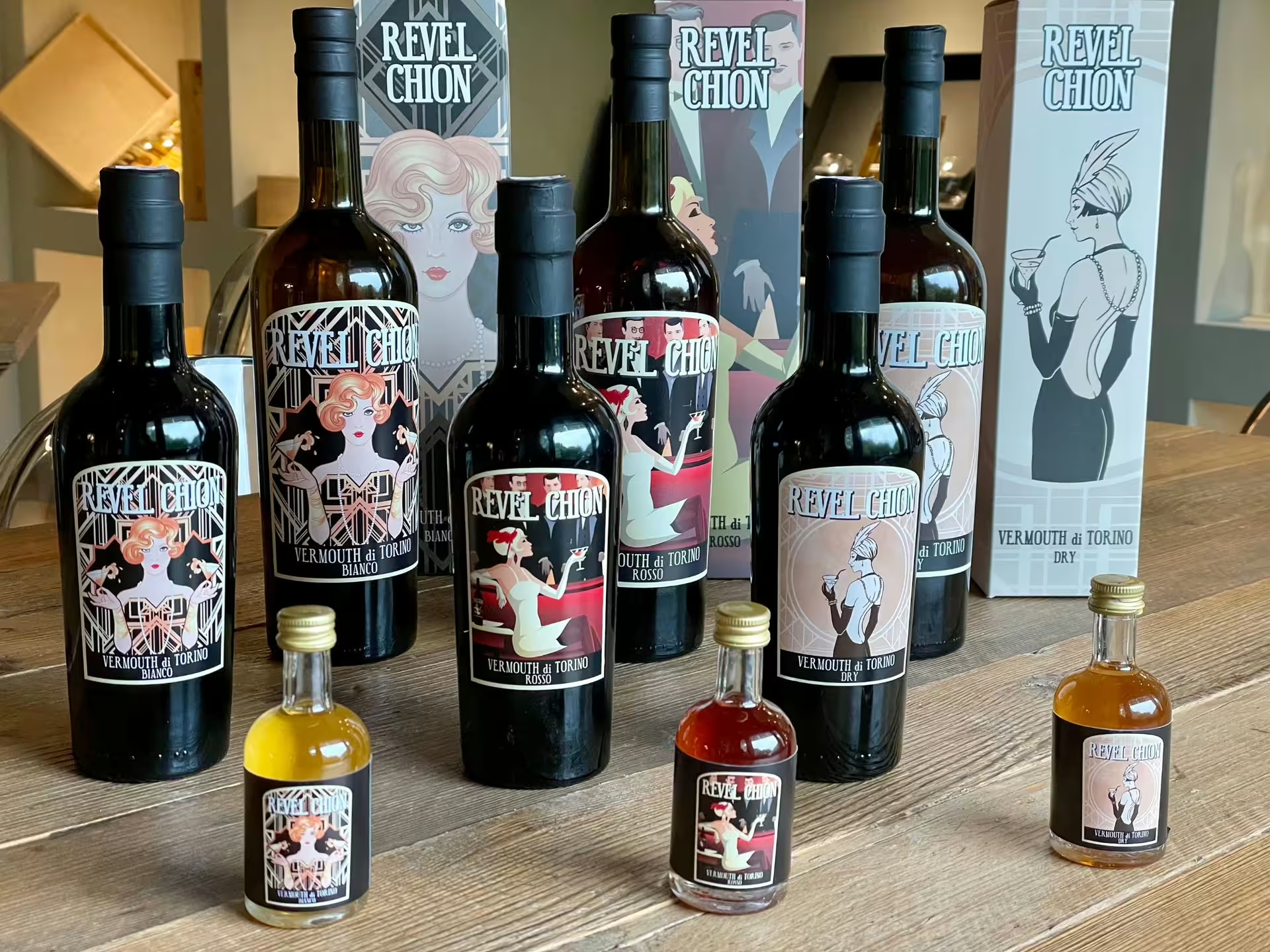
Barolo Wine: Sample the region's renowned red wine, known for its rich flavors and aging potential.
Agnolotti: Small meat-stuffed pasta, often served with a sage butter sauce. A must-try for pasta lovers.
Truffles: Experience truffle dishes, especially in Alba during the autumn festival.
Piedmont offers efficient public transport, including trains and buses. Rent a car for more flexibility, especially for exploring rural areas. Accessible options are available in major cities.
Orta San Giulio: A charming village on Lake Orta, just an hour from Turin. Enjoy its serene beauty and enchanting views.
Sacra di San Michele: Visit this iconic abbey perched on a mountain. A short drive from Turin, it offers breathtaking views and historical insights.
Biella: Known for its textile history, explore Biella's museums and shops. Perfect for a leisurely day of culture and shopping.
Q: How many days do I need to explore Piedmont?
A: Three to five days are ideal to fully enjoy Piedmont, explore its main attractions, and take a day trip.
Q: Are there any combo tickets available for attractions?
A: Yes, combo tickets for the Royal Palace of Venaria and other museums are available, offering savings on entry fees.
Q: What are the best neighborhoods to stay in Turin?
A: The city center offers charm and proximity to attractions, while the San Salvario area provides vibrant nightlife and dining options.
Q: What is the weather like in Piedmont?
A: Summers are warm and suitable for outdoor activities, while spring and autumn are mild, perfect for sightseeing.
Q: Is Piedmont accessible for travelers with mobility issues?
A: Major attractions are accessible, but some rural areas may require assistance. Plan ahead for specific needs.