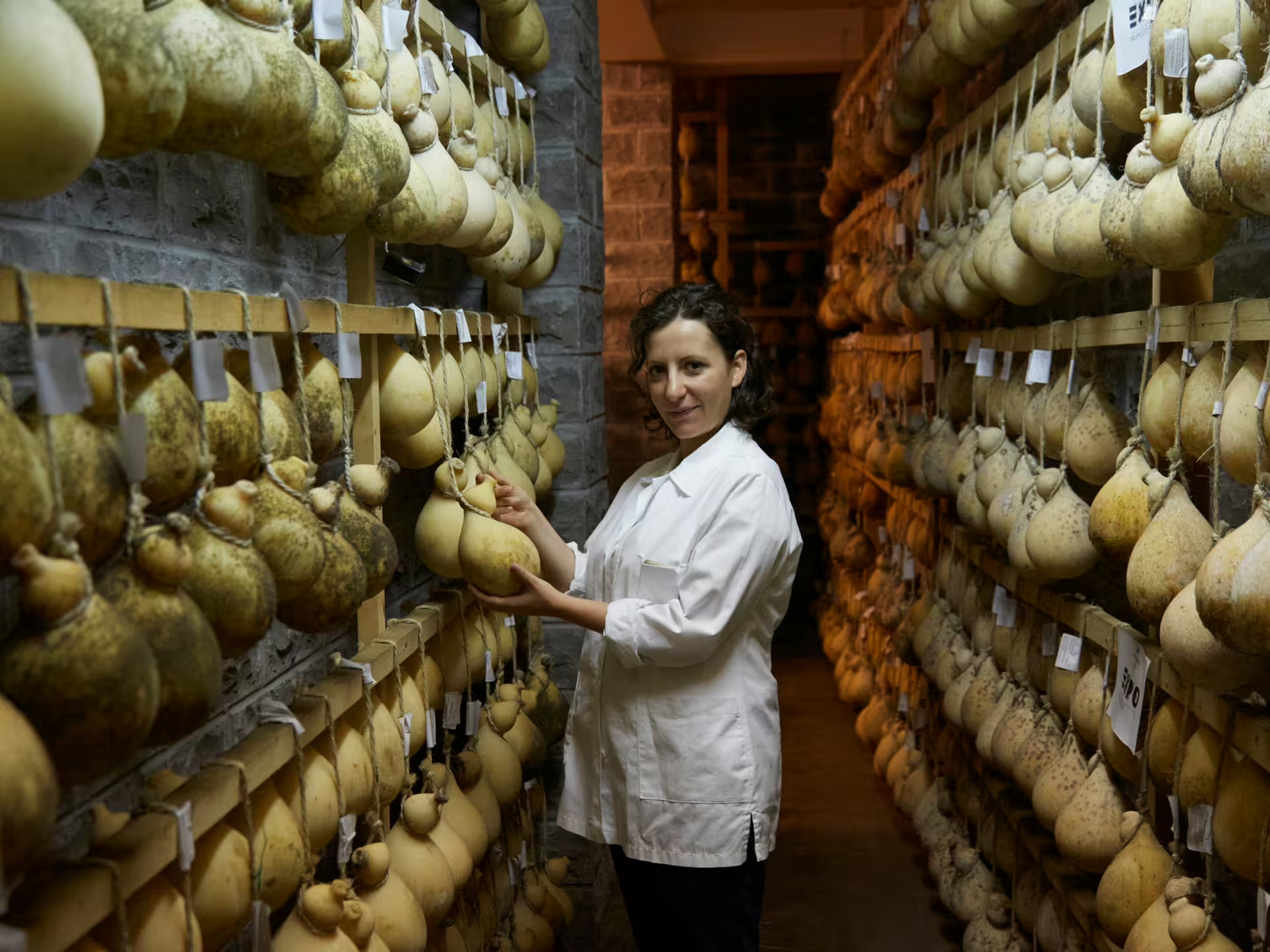







Agnone is a hill town in Italy’s Molise region, known for an old world pace, stone lanes, and a strong tradition of artisan craftsmanship. It suits travelers who want a quieter, culture rich stop that still feels distinctly Italian, with everyday life unfolding in small piazzas and workshops. This guide focuses on practical planning, what to do, what to eat, and how to build an itinerary that fits your travel style.
Agnone has a calm, authentic vibe that feels rooted in community, craft, and mountain landscapes. Go if you want a destination where walking is the main activity, meals are unhurried, and local identity is easy to sense in the streetscape. It is a strong choice right now for travelers looking beyond crowded hotspots and into lesser known corners of Italy.
Agnone is in Molise, within the Province of Isernia, in south central Italy. The setting is hilly and inland, which shapes the travel rhythm, expect scenic roads, changing elevations, and a town center best explored on foot. For arrivals, plan around major Italian transport hubs and then continue by regional connections, since inland Molise typically requires at least one onward leg after a primary airport or rail corridor.
Seasonality in inland Molise is usually defined by cooler winters and warmer summers, with shoulder seasons offering comfortable walking conditions and a more local feel. If you prefer quieter streets and easier reservations, aim for periods outside peak Italian holiday travel. If your priority is long daylight hours for strolling and viewpoints, summer tends to deliver that, though it can also bring higher demand in popular dining spots.
Italy uses the euro, and a small town environment often rewards having some cash for small purchases. Keep a mix of payment methods, since card acceptance can vary by venue type and transaction size. Budget wise, plan for classic Italian travel costs like accommodation, meals, and local transport, then add a little flexibility for artisan shopping if you enjoy bringing home meaningful, locally made items.
Note: Experiences below focus on the destination’s character and how to enjoy it well, without relying on specific opening hours, ticket prices, or fixed schedules.
1) Walk the historic center slowly
Why it matters: The best way to understand Agnone is through its street level details, stone architecture, quiet corners, and the way the town’s elevations reveal new angles. A slow walk helps you notice craftsmanship in doors, balconies, and small civic spaces. Practical tip: Start early or later in the afternoon for softer light and a calmer atmosphere for photos.
2) Seek out artisan workshops and local craft culture
Why it matters: Molise is often associated with traditions that have endured, and Agnone is a place where craft identity feels present. Even without a purchase, browsing workshops and small studios adds context to the town’s reputation for skilled making. Practical tip: If you want a meaningful souvenir, ask about the story of the piece, you will often learn as much as you buy.
3) Enjoy viewpoint moments, then repeat them
Why it matters: Hill towns reward repetition because the atmosphere changes with light, weather, and daily rhythm. In Agnone, a viewpoint can feel contemplative in the morning and cinematic at dusk. Practical tip: Revisit the same spot twice, once in daylight for clarity, once near sunset for mood.
4) Build a café and gelato routine
Why it matters: Small town Italy is often best understood through everyday rituals. A simple coffee stop anchors your day and gives you a sense of local pace. Practical tip: Stand at the counter for a quick espresso if you want a faster, more local style experience, then choose a seated stop when you want to linger.
5) Plan a food focused evening
Why it matters: Dinner is where the town’s warmth often shows, with seasonal ingredients and recipes that reflect inland landscapes. A relaxed meal becomes part of the destination experience, not just a necessity. Practical tip: If you have a specific place in mind, reserve ahead when possible, especially on weekends and during Italian holiday periods.
6) Photograph textures, not just landmarks
Why it matters: Agnone is photogenic in a quiet way, stone walls, stairways, doorways, and layered streetscapes. Focusing on textures captures the town’s atmosphere better than chasing only big set pieces. Practical tip: Use a short walk loop and shoot details in one direction, then wide scenes on the way back.
7) Make time for a no plan hour
Why it matters: Some destinations shine when you stop optimizing. Sitting in a piazza, watching daily life, and letting the town reveal itself is part of what makes Agnone memorable. Practical tip: Put your map away for 45 minutes and follow the sound of conversation toward the liveliest street.
8) Shop locally with intention
Why it matters: Buying local supports small businesses and connects you to the destination beyond photos. In a place like Agnone, the best purchases are often practical, edible, or handmade. Practical tip: Pack a foldable tote, it helps if you pick up food items or fragile gifts.
Start with a morning walk through the historic center to get oriented, then pause for a coffee and a pastry in a central spot. Late morning is ideal for browsing artisan businesses and small shops, since you can take your time and still keep the day moving. After lunch, do a second loop focused on viewpoints and photography, then finish with a relaxed dinner that highlights local flavors and seasonal cooking.
Day 1 follows the highlights, but with more time for unplanned detours and a longer meal. Day 2 is for deeper exploration, repeat your favorite streets at a different time of day, seek out lesser walked lanes, and spend time in cafés to absorb the local rhythm. If you have a third day, use it for a slow morning, a light shopping session for locally made items, and a short day trip into the surrounding Molise countryside for contrast.
Food in inland Molise tends to be comforting and ingredient driven, often shaped by seasonality and tradition. Use these ideas as a tasting checklist and ask what is typical when you order.
Agnone is best approached with a plan that combines a major arrival hub with an onward connection into Molise. Once in town, walking is the most rewarding way to move between sights because the historic center is defined by narrow lanes, stairs, and viewpoints. If you are driving, be prepared for hill town logistics, including limited access areas and the need to park and continue on foot, and always follow posted local rules.
For accessibility, expect uneven paving and elevation changes, which can be tiring for travelers with limited mobility. Comfortable shoes help, and breaking the day into short loops with café stops makes the terrain much easier. As with many small towns, evenings are generally calm, but basic awareness is still wise, especially on quiet streets.
Use Agnone as a base to explore more of Molise and nearby inland landscapes. Travel times vary by route and transport method, so confirm your plan locally.
Q1: How many days do you need to enjoy Agnone?
A: One day is enough for a highlights walk, a relaxed meal, and a feel for the historic center. Two to three days adds a slower pace, repeat viewpoint moments, and time for a nearby day trip.
Q2: What is the best way to get around once you arrive?
A: Walking is the most practical option in the historic center, since lanes can be narrow and steep. Comfortable shoes and a plan for short loops with breaks make the terrain much easier.
Q3: When is the best time of year to visit?
A: Shoulder seasons usually balance comfortable walking conditions with fewer crowds. Summer can offer longer days for exploring, while cooler months suit travelers who enjoy a quieter, cozy atmosphere.
Q4: Do you need cash in Agnone?
A: It is smart to carry some cash for small purchases and quick café stops in Agnone. Cards are useful too, so a mix of payment methods is the most flexible approach.
Q5: Is Agnone a good base for exploring Molise?
A: Yes, Agnone works well for travelers who want to combine a hill town stay with short trips into the surrounding Molise countryside. Confirm travel times locally, since inland routes can vary by road and connection type.