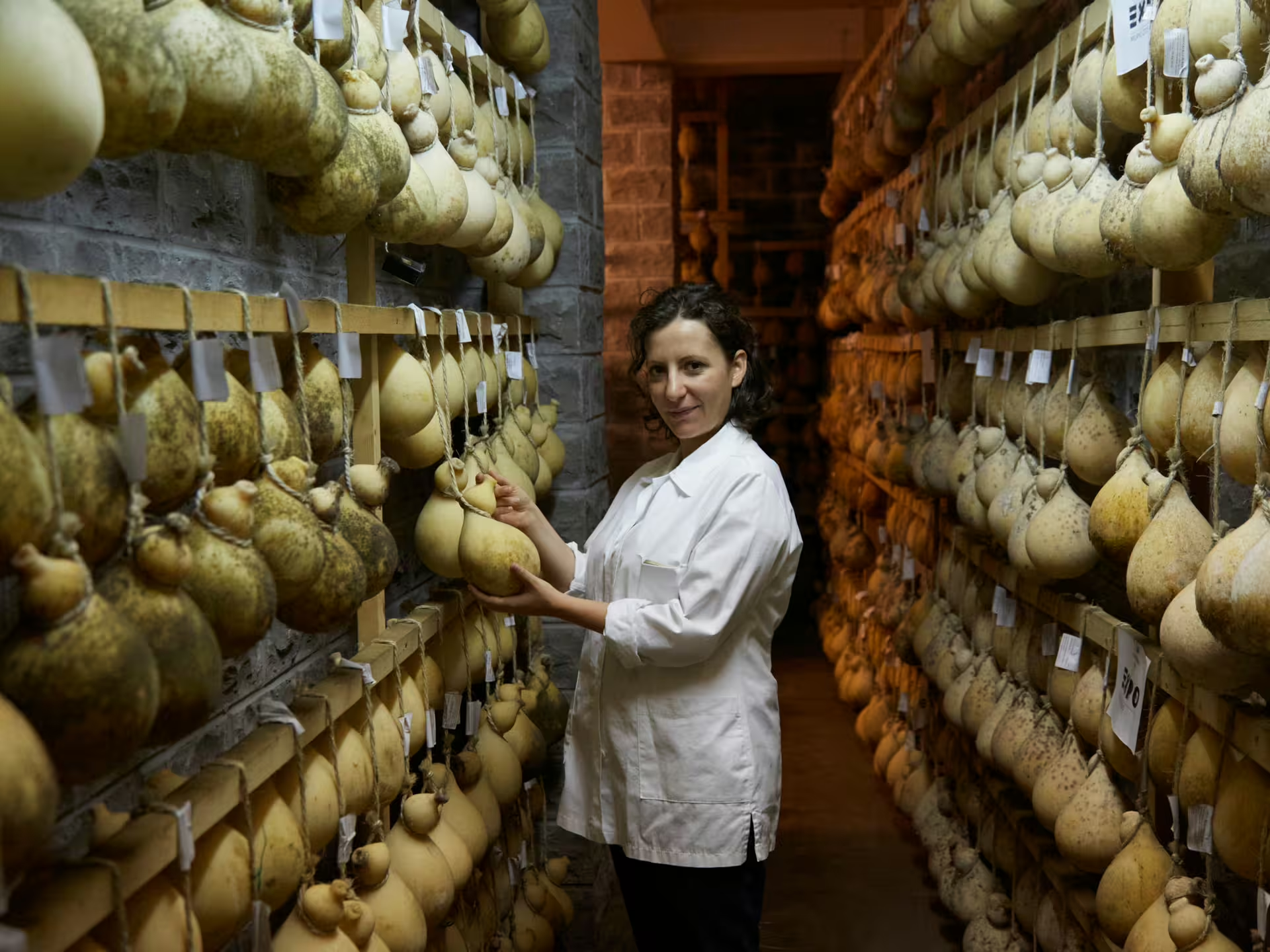



Province of Isernia is one of Italy’s quiet powerhouses for travelers who care about authenticity, mountain and hill landscapes, and small-town culture that still feels lived in. Part of Molise, it rewards slow exploration, scenic drives, and food-first planning rather than checklist sightseeing. Expect a grounded, local rhythm, with traditions and nature as the main attractions, and enough variety to build a trip that feels personal.
Province of Isernia delivers an Italy that feels unhurried, where villages, countryside, and everyday life take center stage. The signature vibe is rural, historic, and outdoorsy, with a strong sense of place that suits travelers who prefer genuine encounters over crowds. Go now if you want flexible planning, easier logistics than major hubs, and a destination that still feels like a discovery.
Province of Isernia sits in the Molise region of southern Italy, positioned between larger, better-known areas that many travelers pass through without stopping. It is best approached as a countryside and small-town destination, where your experience improves with a car and a willingness to link several stops into a loop. For gateways, plan around major transport hubs outside Molise, then connect onward by regional rail or road, depending on your itinerary style and luggage needs.
Seasonality matters most for road conditions, hiking comfort, and how lively villages feel. Warmer months generally support longer days outdoors and easier movement between towns, while cooler periods can feel more local and atmospheric, especially for travelers who enjoy quiet streets and slower dining. If your priority is open-air exploration and scenic drives, aim for stable weather windows, and keep a flexible schedule for countryside plans.
Italy uses the euro, and spending in smaller towns often feels more controlled than in major tourist centers, especially if you prioritize local trattorias and simple stays. Cards are widely used, but carrying cash is still smart for small purchases, quick snacks, and rural businesses where card acceptance can be inconsistent. Build a budget that includes transport, because in Province of Isernia the ability to move between places often defines how much you can see in a day.
1) Scenic village hopping
The core pleasure of Province of Isernia is the ability to move from one community to the next and notice how the landscape shapes daily life. Each stop offers a different perspective on local identity, from architecture to food traditions. Practical tip: plan two or three villages per day, and leave time for unplanned detours, viewpoints, and long lunches.
2) Countryside drives and viewpoints
This is a destination where the journey is often the highlight, with roads that reveal valleys, hills, and mountain edges in quick succession. The changing scenery makes photography feel effortless, even without major landmarks. Practical tip: start earlier in the day for cleaner light and calmer roads, then save late afternoon for a final panoramic stop.
3) Local food focused exploration
Eating well is not a side activity here, it is the travel strategy that unlocks culture. Meals tend to reflect what the land produces, and you can learn a lot simply by asking what is seasonal and typical. Practical tip: ask for house specialties and local recommendations rather than ordering familiar dishes, then pace your day around one main meal.
4) Slow travel walks in town centers
Small historic centers reward wandering, because the details are in the streetscape, the stonework, and the way everyday life uses public spaces. This is ideal for travelers who want low-effort immersion without a packed schedule. Practical tip: walk before dinner, when people are out and the atmosphere feels most social.
5) Nature time with flexible routes
Outdoor time is a natural fit for Province of Isernia, where landscapes invite short walks, longer hikes, and scenic pauses. Even a modest plan can feel rich if you focus on variety, a forested stretch, a ridge view, and a rural trail. Practical tip: pack layers and water, and keep a backup plan in case weather shifts in higher areas.
6) Culture through local traditions
The region’s appeal is tied to continuity, with traditions that feel integrated into modern life rather than staged. Travelers who enjoy learning through conversation will find that small places often offer the most insight. Practical tip: choose one or two cultural stops per day, then balance them with relaxed time so the day does not feel rushed.
7) A base-and-spoke stay strategy
Instead of changing hotels constantly, consider a single base and take day loops, which reduces check-in friction and increases time on the ground. This works especially well if you have a car and want to keep afternoons open. Practical tip: pick a base with easy road access, then group nearby stops by direction to avoid backtracking.
8) Photographic storytelling
If you enjoy travel photography, Province of Isernia offers texture, light, and everyday scenes that create a strong narrative. It is less about iconic monuments and more about mood, landscapes, and human scale. Practical tip: capture a mix of wide landscapes and small details, shop signs, doorways, and market-style scenes, to reflect the destination honestly.
Start with a morning drive that prioritizes scenery, then spend late morning in a compact town center for a walk and a coffee stop. Dedicate midday to a long local lunch, using the meal to learn what the area is known for, then continue with an afternoon loop through one or two nearby villages. End the day at a viewpoint or countryside stretch before dinner, because the softer light suits both photos and a calmer pace.
On day one, set your base and focus on one main town area, keeping the pace slow so you can notice details and settle into the rhythm. On day two, build a broader loop, pairing villages with outdoor time, and keeping meals as anchors that shape your route. If you have a third day, choose depth over distance, revisit a favorite area for better photos, add a longer nature walk, and leave space for recommendations you pick up from locals along the way.
Food in Province of Isernia tends to feel seasonal and rooted in the landscape, with straightforward flavors that highlight quality ingredients. Use these as a practical checklist when scanning menus, and ask what is typical in the kitchen that day.
Getting around Province of Isernia is easiest when you treat transport as part of the experience. A car gives the most freedom for village hopping, viewpoints, and countryside stops, while rail and buses can work for limited routes if you plan carefully and accept fewer spontaneous detours. Walking is ideal inside historic centers, where narrow streets and compact layouts reward slow exploration, but wear comfortable shoes because surfaces can be uneven.
For safety and ease, drive with extra attention on rural roads, especially in low-visibility conditions, and keep your day realistic so you are not rushing between stops. Accessibility varies by town and terrain, so travelers with mobility needs should prioritize flatter centers and build in rest time between locations.
Day trips from Province of Isernia work best when you choose one direction per day and keep the plan simple. Travel times vary by road type and terrain, so treat these as flexible half-day or full-day ideas depending on your pace.
A car offers the most flexibility for village hopping and countryside viewpoints. If you rely on public transport, plan routes carefully and expect fewer spontaneous stops.
One day works for a highlights loop with a scenic drive and a town walk. Two to three days is better if you want a slower pace and time for nature and food-focused stops.
Yes, Province of Isernia is well suited to travelers who prefer a calmer rhythm and smaller places. It rewards slow travel and flexible planning rather than peak-hour sightseeing.
Carrying some cash is a smart backup for small purchases and rural businesses. Cards are useful, but acceptance can vary outside major centers.
Province of Isernia is ideal for slow travel, scenic driving, and food-first exploration. It works especially well if you enjoy combining town walks with countryside time.