




Molise

logoBlack

Build your dream
experience

dreamimg

More to know about Molise


Molise Travel Guide

Molise is one of Italy’s least discussed regions, which is exactly why it appeals to travelers who value quiet towns, unforced traditions, and landscapes that shift from mountains to the Adriatic. This guide focuses on practical decisions, how to plan, what to prioritize, and how to move around efficiently. Use it to shape a trip that feels grounded and unrushed, with enough structure to make the most of limited time.


Snapshot

Molise feels calm and local, with small-scale cities, hill towns, and a coastline that stays low-key compared with more famous Italian shores. Go when you want Italy with fewer crowds, slower meals, and a strong sense of place that does not perform for tourism. It is a smart choice right now for travelers building itineraries around authenticity, regional food, and scenic drives rather than headline attractions.


πŸ—ΊοΈ Geography and Logistics

πŸ“ Orientation: Where is it within Italy and Italy?

Molise sits in southern-central Italy between the Apennines and the Adriatic Sea, making it a natural bridge between inland mountain scenery and coastal time. The region’s main urban hubs are Campobasso and Isernia, and many visitors also base themselves near the coast around Termoli for easy sea access. For gateways, plan around major transport hubs in neighboring regions, then continue by train, bus, or car depending on where you want to spend most of your time.

πŸ•’ When to Go: Seasonal breakdown

Timing in Molise is less about beating crowds and more about matching your trip to the experiences you want. Warmer months suit coastal days and long evenings in town squares, while cooler periods favor walks, scenic drives, and a more intimate feel in historic centers. Shoulder seasons can be especially rewarding for travelers who want comfortable sightseeing conditions and a more local rhythm.

πŸ’° Budget & Currency

Italy uses the euro, and Molise generally feels more affordable than many high-profile Italian destinations, especially for dining and smaller accommodations. Carry some cash for small purchases, cafés, and rural stops, while keeping a card for hotels and larger bills. A practical approach is to withdraw modest amounts as needed and keep change handy for quick transactions.


⭐ Essential Things to Do List

1) Explore Campobasso’s historic center
Campobasso offers a lived-in city atmosphere where daily life is part of the appeal, from cafés to viewpoints and older streets that reward slow wandering. It matters because it anchors your understanding of the region beyond villages and countryside. Practical tip, start early for quieter streets and build in time to pause at a bar for coffee and people-watching.

2) Spend time in Isernia for a smaller-city pace
Isernia is a good counterpoint to larger Italian cities, with a compact feel that makes it easy to enjoy without a checklist mindset. It matters because it helps you experience Molise as a region of everyday places rather than a single headline attraction. Practical tip, plan a relaxed half day and pair it with a long lunch to match the local tempo.

3) Plan a coastal day in Termoli
Termoli gives you an Adriatic escape with a seaside vibe that suits an easy swim, a promenade walk, or a simple seafood meal. It matters because the coast adds variety to a trip that might otherwise stay inland. Practical tip, go later in the afternoon for softer light and a more atmospheric evening by the water.

4) Take a hill town drive for panoramic views
Hill towns are a defining experience in Molise, and the journey between them can be as memorable as the destination. It matters because the region’s beauty often reveals itself on the road, with changing elevations and wide views. Practical tip, keep your schedule light, allow extra time for stops, and avoid planning too many towns in one day.

5) Follow a food-first route through local trattorias
The region’s culinary identity is one of its strongest travel reasons, with hearty dishes and a culture of simple, satisfying meals. It matters because food is often the most direct connection to local history and tradition. Practical tip, ask what is seasonal or house-made, and choose fewer dishes with more depth rather than ordering broadly.

6) Seek out nature time between mountains and sea
One of the pleasures of Molise is how quickly landscapes change, creating opportunities for short walks, viewpoints, and fresh-air breaks between towns. It matters because it adds balance to a trip built around historic centers and meals. Practical tip, pack layers and comfortable shoes so you can stop spontaneously without needing to return to your hotel.

7) Build your trip around local festivals and traditions
Even without locking into specific dates, planning with flexibility can increase your chances of encountering community events, markets, or seasonal celebrations. It matters because Molise shines when it is being itself, not staging experiences for visitors. Practical tip, ask your accommodation what is happening locally during your stay and adjust your day plan around it.

8) Slow travel through small villages
Many of the most rewarding moments come from unhurried village time, a quiet piazza, a conversation at a bar, or a scenic bench with a view. It matters because the region’s appeal is often subtle and best experienced without rushing. Practical tip, choose one village as a base for a couple of nights and explore nearby areas in short loops.


🚢 Curated Itineraries

⏰ The Highlights (1 Day)

Start in Campobasso for a focused morning walk through the historic center, then take a break for coffee and a simple pastry while you watch the city wake up. Continue toward Termoli for an afternoon by the Adriatic, keeping the pace relaxed so you can enjoy the sea air and an early evening meal. If time allows, finish with a short sunset stroll to end the day with the region’s calm, coastal mood.

⏰ Deep Dive (2-3 Days)

Day 1, base yourself in Campobasso or Isernia and prioritize slow exploration, a long lunch, and time to absorb the local rhythm rather than hopping between too many stops. Day 2, add a hill town drive with viewpoints and village pauses, then shift to the coast in Termoli for a change of scenery and a seafood-focused dinner. Day 3, keep flexible for nature time, a market morning, or a return to your favorite place, which is often the best way to experience Molise beyond a standard itinerary.


🍽️ Flavors of Molise

Molise cuisine leans comforting and rustic, designed for real appetites and seasonal ingredients. Use these ideas to order with confidence and to recognize regional specialties on menus.

  • Cavatelli, a small pasta often served with robust sauces. Ordering tip, ask what the house sauce is and whether the pasta is made in-house.
  • Ragù-style meat sauces, rich and slow-cooked, built for hearty pasta. Ordering tip, choose this when you want a filling meal after a day of driving or walking.
  • Sheep and pork preparations, common in inland areas with a deep, savory profile. Ordering tip, ask for the cut or preparation style if you prefer leaner or richer dishes.
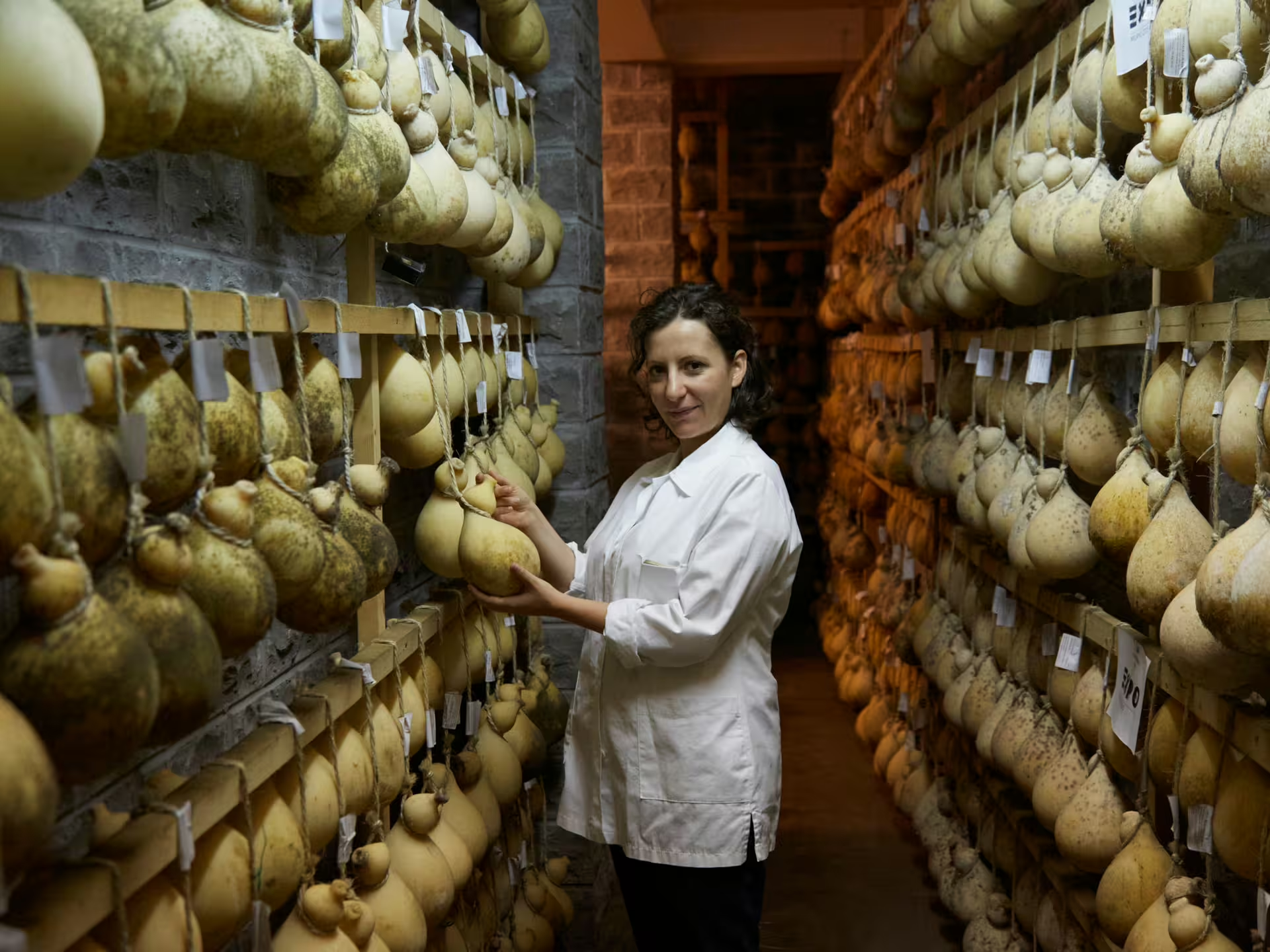
  • Local cheeses, often served simply to showcase flavor. Ordering tip, order a mixed board to taste variety without committing to one.
  • Seafood along the Adriatic, typically straightforward and fresh-tasting. Ordering tip, ask what arrived that day and keep the preparation simple for the cleanest flavor.
  • Seasonal vegetables and legumes, often appearing in soups or side dishes. Ordering tip, look for dishes described as seasonal or house-style for good value.

🚌 Navigation & Transport

Getting around Molise depends on whether your trip focuses on cities, villages, or a mix of coast and mountains. In town centers, walking is often the most pleasant option, especially where streets are compact and parking is limited. For moving between smaller places, a car can make the biggest difference because it supports scenic drives, flexible stops, and access to rural viewpoints.

Public transport can work well for linking key hubs, while local connections may be less frequent, so plan day shapes around realistic travel windows. If you prefer not to drive, choose one base near the coast and one inland base, then use point-to-point connections and guided day tours where available. For safety and comfort, keep footwear suitable for uneven historic streets, and build buffer time into transfers so you are not forced to rush.


πŸŒ„ Beyond the Center: Day Trips

Day trips in Molise are often short in distance but rich in contrast, especially when you combine inland scenery with the Adriatic coast. Exact travel times vary by route and transport, so treat these as flexible add-ons rather than rigid commitments.

  • Termoli from inland bases, for an easy Adriatic reset with sea views and a relaxed evening meal.
  • Campobasso as a day anchor, for historic streets, local cafés, and a sense of regional daily life.
  • Isernia as a cultural pause, for a smaller city experience that pairs well with slow lunches and easy walking.
  • Hill towns and viewpoints, for panoramic drives and the kind of quiet moments that define the region.

βœ… Insider Tips for Travelers

  • Build your schedule around fewer bases, then explore in short loops to reduce packing and transit fatigue.
  • Keep cash for small purchases, especially in villages and simple cafés.
  • Drive days feel better with fewer targets, plan one main stop and several optional scenic pauses.
  • Pack comfortable shoes for uneven paving in historic centers and layers for shifting temperatures between coast and inland.
  • Ask your accommodation what locals are doing that week, it can lead to markets, community events, or seasonal food specialties.
  • For meals, prioritize house specialties and seasonal dishes, they are often the most satisfying and representative.

❓ Frequently Asked Questions, FAQ

Is Molise easy to visit without a car?

It can be, especially if you focus on key hubs and plan point-to-point connections carefully. A car adds flexibility for villages and viewpoints, but a base-led itinerary can still work with thoughtful timing.

How many days do I need for Molise?

One day gives you a taste, but 2 to 3 days lets you combine inland towns with the Adriatic coast at a relaxed pace. More time pays off if you want scenic drives and slower meals.

What is the best time of year to go?

Choose warmer months for coastal time and long evenings, and cooler periods for walking and inland exploration. Shoulder seasons can balance comfortable conditions with a quieter feel.

Where should I base myself in Molise for a first trip?

Molise works well with a split stay, one inland base like Campobasso or Isernia, and one coastal base near Termoli. This keeps travel simple while letting you experience two distinct sides of the region.

What should I eat when visiting?

Look for regional pasta like cavatelli, hearty meat sauces, local cheeses, and seafood along the coast. In Molise, asking for the house specialty is often the easiest way to order well.