Urbino

logoBlack

Build your dream
experience

dreamimg

More to know about Urbino

Urbino Travel Guide 🏛️


🧭 Snapshot

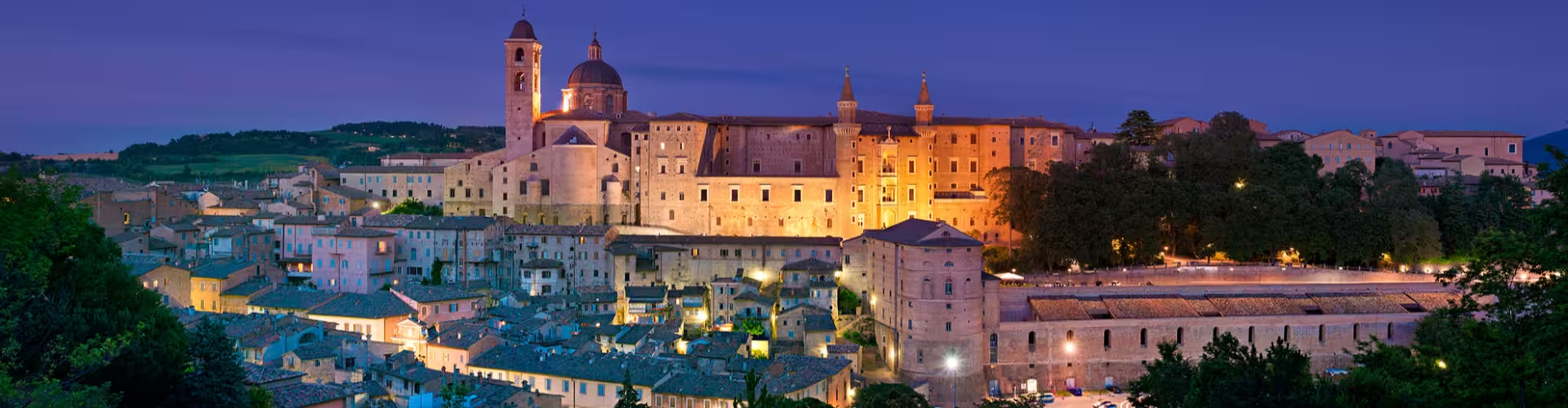
Hilltop Urbino is a compact Renaissance jewel in the Marche region, known for harmonious architecture, intimate streets, and sweeping views over the surrounding countryside. This is a slow paced city where you can walk everywhere, explore art and history, and still find quiet corners to relax with a coffee or glass of wine. A focused Best things to do in Urbino list easily fills one or two days, with enough depth to reward a longer stay.


🗺️ Where It Sits

📍 Geography and Nearby Hubs

Urbino lies in central Italy within the Marche region, in the Province of Pesaro and Urbino, surrounded by rolling hills and farmland. The closest major hubs are Pesaro on the Adriatic coast and the cities of Bologna, Ancona, and Rimini, which offer train connections and onward bus links into town.

🕒 Best Time To Visit

Spring from April to early June brings mild temperatures, green hills, and fewer crowds, ideal for walking the steep streets and visiting museums. Summer is warmer and busier, especially during cultural events and holidays, but evenings are lively and views are crystal clear. Autumn from September to October is another pleasant window with comfortable weather and a calmer feel, while winter is quieter and cooler, suited to visitors who prioritize museums and indoor sights.

💰 Typical Costs and Money Tips

Urbino is generally more affordable than larger Italian cities, with moderate prices for meals, coffee, and local transport. Cards are widely accepted in hotels and most restaurants, but carrying some cash is helpful for small cafés, local buses, and minor entrance fees, especially in smaller family run places.


⭐ Essential Things To Do

Ducal Palace and Galleria Nazionale delle Marche
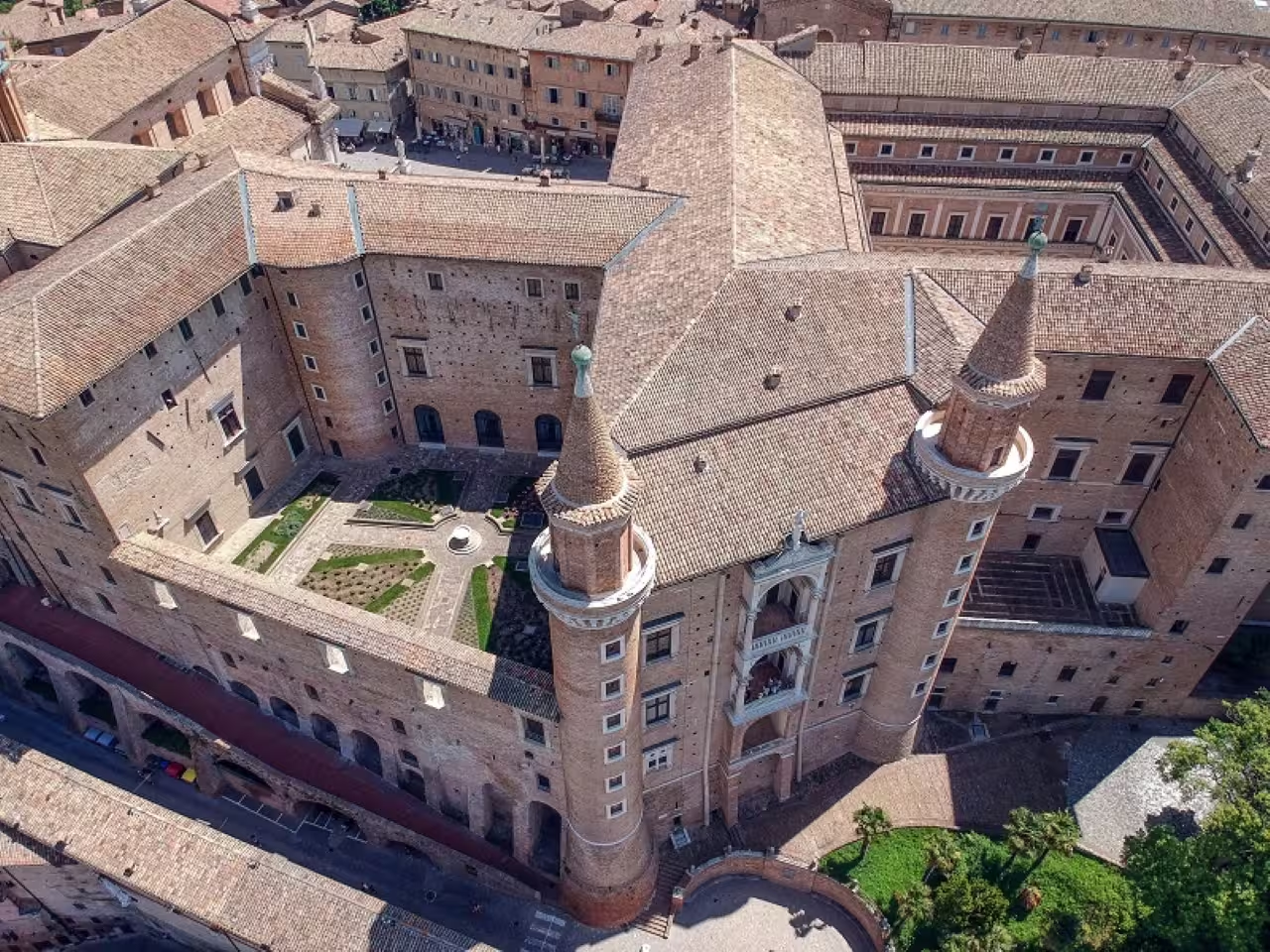
The Palazzo Ducale is the architectural and cultural heart of the city, a vast Renaissance residence with elegant courtyards, intricate details, and panoramic windows. Allow at least two hours to explore the palace and its art museum, a core part of any Best things to do in Urbino list.

Urbino Cathedral and Piazza Duca Federico
The cathedral sits beside the Ducal Palace, anchoring one of Urbino's main squares with its neoclassical facade and calm interior. Visit in the late morning or late afternoon, then linger in the piazza to appreciate the skyline and take photos.

Casa Natale di Raffaello
Raphael's birthplace is a compact museum that offers insight into the early life of one of Italy's most famous painters. It is a short walk from the main piazzas, and a visit of about an hour fits easily into a Travel guide to Urbino style itinerary focused on art and history.

Panoramic Viewpoint at Parco della Resistenza
Climb up to the fortress area and park above the city for some of the best views of Urbino's rooftops and surrounding countryside. This is a good spot at sunset, and it pairs well with a relaxed stroll after visiting the main museums.

Strolling Via Raffaello and the Historic Center
The steep, cobbled streets lined with brick palazzi and student filled cafés are central to the charm of Urbino. Take time to wander without a strict plan, stopping for coffee, gelato, or a light lunch as you discover your own Best things to do in Urbino around every corner.

University Quarter Atmosphere
Urbino is a university town, and its academic life adds energy to the historic setting. Explore the streets around the main university buildings to feel the mix of students, locals, and visitors, and to find casual eateries and bars that stay active into the evening.

City Walls and Gates Walk
Sections of Urbino's old walls and gates still frame the city and offer alternative viewpoints. A gentle loop around some of these access points gives a different perspective on the town layout and helps you orient your own Travel guide to Urbino route.

Local Crafts and Bookshops
Small artisan shops, stationers, and bookshops reflect Urbino's artistic and academic heritage. Browsing these spaces can be a quiet highlight, especially if you are looking for paper goods, prints, or books connected to Raphael and the Renaissance.


🚶 Suggested Short Itineraries

⏰ One Perfect Day

Start your day at the Ducal Palace when it opens to enjoy the courtyards and galleries before they get busy, then step into the cathedral next door. Late morning, wander through the central streets toward Casa Natale di Raffaello, stopping for a coffee along Via Raffaello. After lunch in the historic center, head up to Parco della Resistenza for views and a relaxed walk, then return to the main piazzas for an early evening drink and a last look at the illuminated skyline, a compact version of the Best things to do in Urbino in one day.

⏰ Two Days

On day one, focus on the main monuments, including the Ducal Palace, cathedral, Raphael's house, and the university area, leaving time for a slow exploration of the central streets. On day two, explore more of the city walls and gates, visit smaller churches or museums that caught your eye on day one, and spend more time in local cafés and shops. With two days, you can follow a relaxed Travel guide to Urbino pace, revisiting favorite viewpoints at different times of day for changing light and atmosphere.

⏰ Three Days

With three days, you can deepen your experience of Urbino's art and architecture while also enjoying the surrounding countryside. Use your third day for a nearby excursion into the hills or to smaller villages in the Province of Pesaro and Urbino, then return to the city for an unhurried evening walk and dinner. This slower rhythm allows you to fit in additional Best things to do in Urbino, such as lesser known churches or extra time in the Galleria Nazionale delle Marche, without rushing.


🍽️ What To Eat And Drink

Urbino's cuisine reflects the broader Marche region, with simple, flavorful dishes based on local produce and traditions. Look for crescia sfogliata, a layered flatbread often filled with cured meats and cheeses, ideal for a quick lunch between sights. Pasta dishes with truffles or wild mushrooms appear in season, offering rich flavors that suit cooler months.

Regional cured meats and cheeses, such as pecorino, pair well with local wines from the surrounding hills. For dessert, try traditional pastries or a gelato from a central gelateria while you sit on a step overlooking a piazza. Coffee culture is strong, so use espresso breaks as natural pauses in your own Travel guide to Urbino style day.


🚌 Getting Around

Urbino is compact and largely walkable, though many streets are steep, so comfortable shoes are essential. Local buses connect the town with nearby hubs such as Pesaro and other points in the province, and taxis are available but not as numerous as in larger cities. Within the city, most visitors rely on walking to link the main sights, with occasional use of local buses for reaching lower or higher access points if needed.

Streets are often narrow and cobbled, which can be challenging for some visitors with mobility limitations, so planning routes that minimize steep climbs is helpful. The historic center feels generally safe, and evenings are active thanks to the university community, but as in any city, standard awareness of belongings and surroundings is advisable.


🌄 Best Day Trips

Pesaro
Around an hour away by bus or combined transport, Pesaro on the Adriatic Sea offers a coastal contrast to Urbino's hilltop setting. A day here can include seaside walks, beach time in warmer months, and a different urban atmosphere before returning inland.

Villages of the Province of Pesaro and Urbino
Smaller hill towns in the surrounding province provide quiet streets, local food, and rural landscapes. Visiting one or two of these settlements in a day lets you extend the themes of your Travel guide to Urbino into the wider territory.

Countryside Walks and Scenic Drives
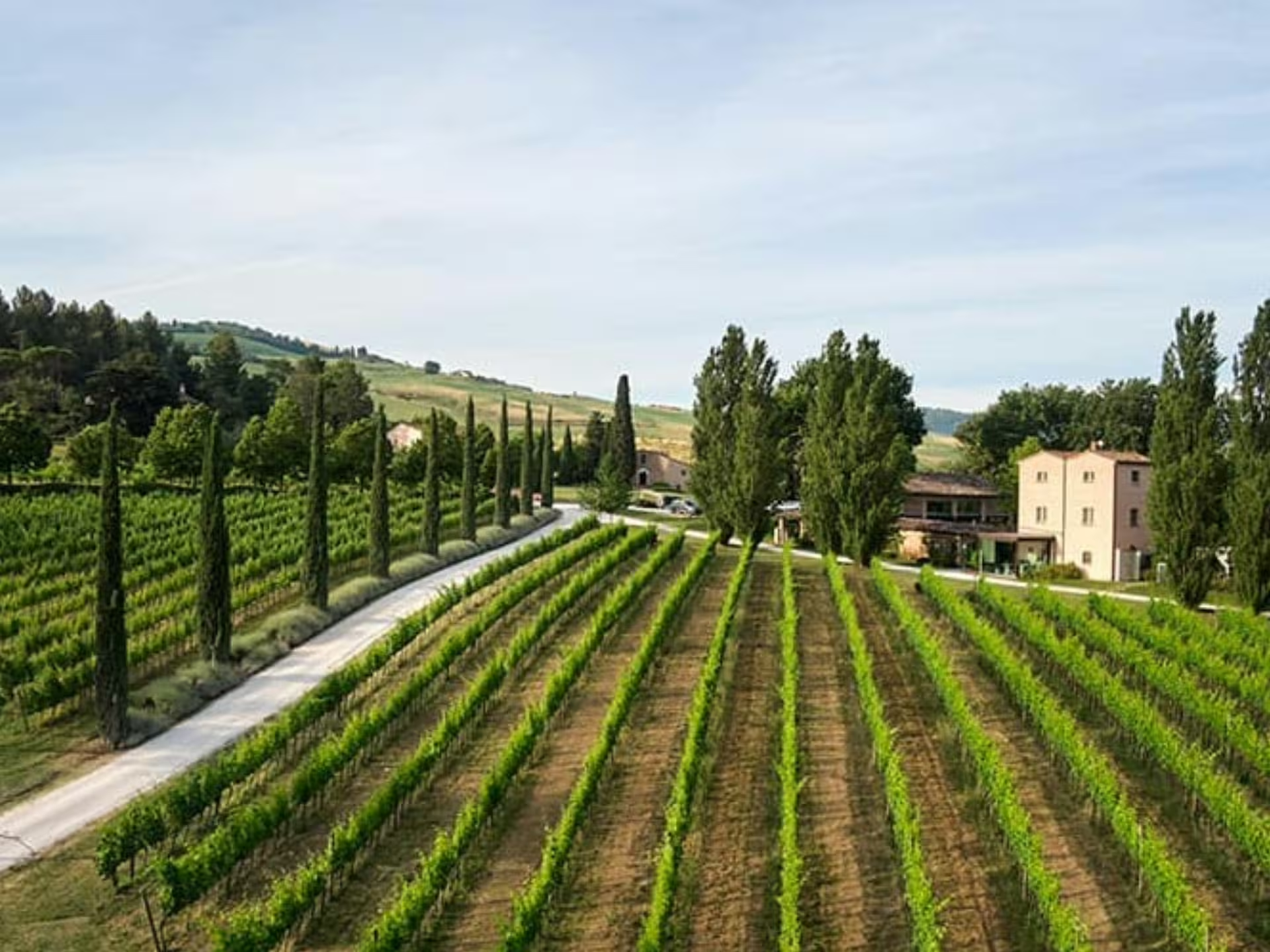
The hills around Urbino invite scenic drives or gentle walks, especially in spring and autumn when temperatures are mild. Even a half day outside the city offers broad views, farm landscapes, and a sense of how Urbino sits within its environment.


✅ Practical Tips For Visitors

  • Plan to walk most of the time and be prepared for steep streets, arranging your route to cluster sights in the same area to reduce backtracking.
  • Check opening hours for the Ducal Palace, museums, and Raphael's house, as they may vary by season or day of the week.
  • Consider visiting major sights early in the day or later in the afternoon to avoid busier midday periods.
  • Carry some cash for small purchases, cafés, and local buses, even if you primarily use cards.
  • Pack layers, since temperatures can shift quickly on hilltops, and stone interiors of churches and palaces may feel cool even in warmer months.
  • Use your accommodation or local tourist information to confirm current bus schedules to and from Pesaro and other nearby towns.

❓ Frequently Asked Questions, FAQ

How many days do I need in Urbino?

Most visitors find that one or two days are enough to see the main sights at a comfortable pace. If you want to follow more of the Best things to do in Urbino and add a nearby excursion, three days works well.

Do I need tickets in advance for the Ducal Palace?

Information on mandatory advance booking can change, so it is best to check current details locally or through official channels before your visit. Having a flexible plan allows you to adjust your Best things to do in Urbino if opening hours or ticket procedures differ from expectations.

Is Urbino easy to explore on foot?

The historic center is compact and walkable, but many streets are steep and paved with cobblestones. Allow extra time between sights if you prefer a slower pace or have mobility considerations.

What is Urbino like in winter?

Winters are generally cooler and quieter, with fewer visitors and a focus on indoor attractions such as museums and churches. Some events or opening hours may be reduced, so a flexible Travel guide to Urbino plan helps you adapt.

What languages are commonly spoken?

Italian is the main language, and you may also find some English spoken in hotels, museums, and places that receive international visitors. Learning a few basic Italian phrases can make everyday interactions smoother and more enjoyable.