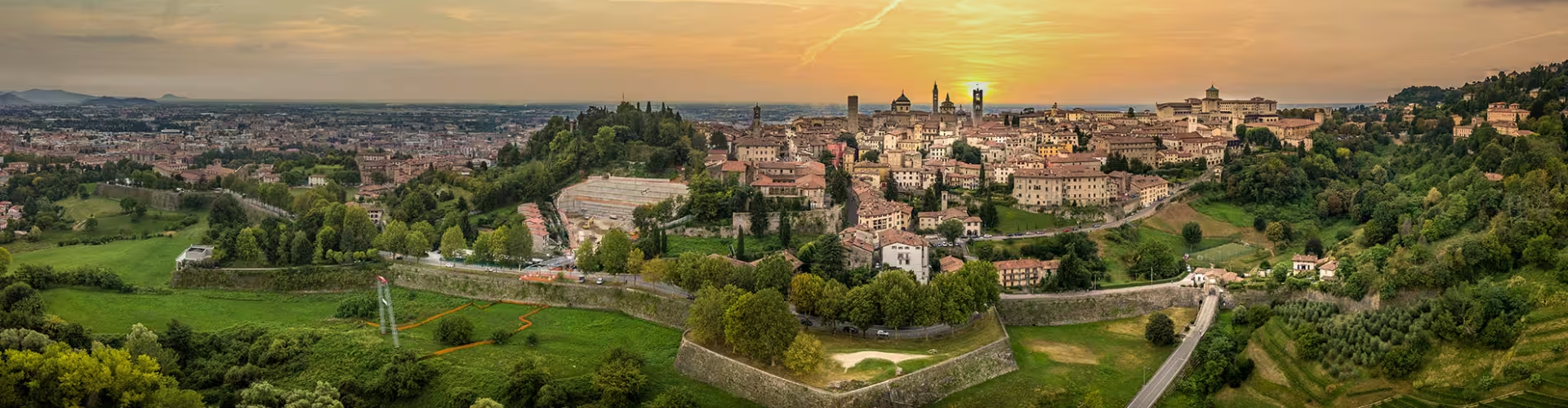
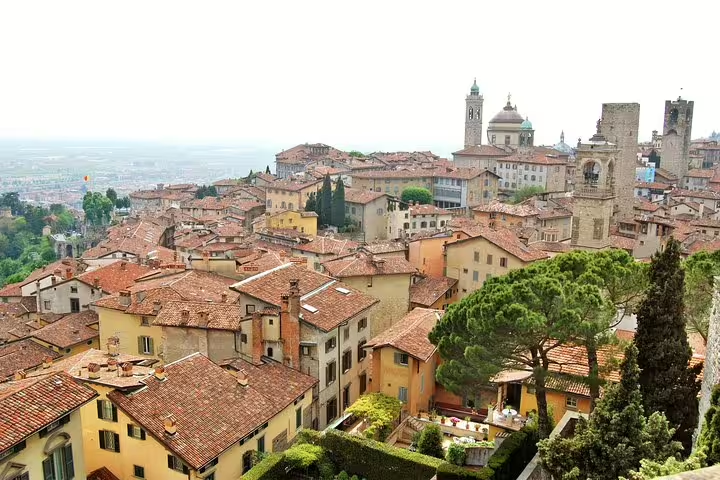
Bergamo is a two level Italian city where medieval lanes and panoramic ramparts meet a lively modern lower town with cafés, shopping streets, and excellent transport links. The signature vibe is cinematic and walkable, with stone stairways, hidden courtyards, and viewpoints that reward slow exploration. Go now if you want a Lombardy base that feels more local than Milan, while still being easy to reach and simple to navigate.
Bergamo sits in Lombardy in northern Italy, within the Province of Bergamo, between the Po Valley and the foothills leading toward the Alps. The city is famously split into an upper town, the historic Città Alta, and a lower town, Città Bassa, connected by steep streets and a funicular. For arrivals, the closest major gateway is Milan Bergamo Airport (Orio al Serio), and regional rail connections make it practical to combine the city with broader Lombardy travel.
For many travelers, spring and early autumn strike the best balance, with comfortable walking weather and a calmer pace in the lanes of Città Alta. Summer can feel busier, especially at viewpoints and on the most photogenic streets, so planning early mornings and later afternoons helps you enjoy the city with fewer crowds. Winter brings a quieter atmosphere that suits museum visits, long meals, and foggy, atmospheric views from the walls when visibility is clear.
Italy uses the euro, and in Bergamo you can generally rely on cards for hotels, restaurants, and larger purchases, while keeping some cash for small cafés, markets, and quick snacks. Budget planning is easiest if you think in categories rather than exact prices, with the upper town often feeling a bit more premium due to its setting and smaller venues. A practical approach is to use a card for most spending, then carry small bills and coins for public transport tickets and minor purchases.
1) Ride the Funicular between Città Bassa and Città Alta
This is the classic first move because it instantly explains the city’s geography and delivers you into the most atmospheric part of town. The ascent builds anticipation, then opens into a network of stone streets and viewpoints that feel far removed from the modern city below. Practical tip, go early in the day to start in the upper town before the lanes get busier, then descend later for dinner in the lower town.
2) Walk the Venetian Walls for panoramic viewpoints
The fortified perimeter is one of the most memorable ways to experience Bergamo, with long stretches that encourage slow strolling and frequent photo stops. It is not just scenic, it also helps you orient yourself, showing how the city sits above the plain and how neighborhoods connect. Practical tip, aim for golden hour for softer light and a more romantic feel, and wear shoes with good grip for uneven stone.
3) Explore the lanes and piazzas of Città Alta
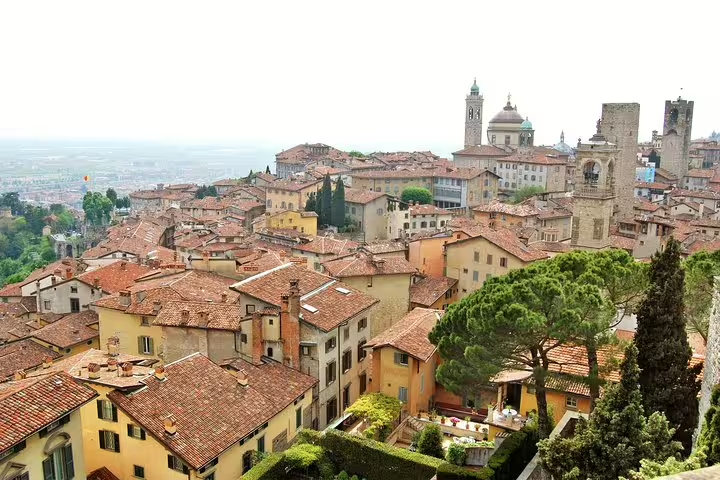
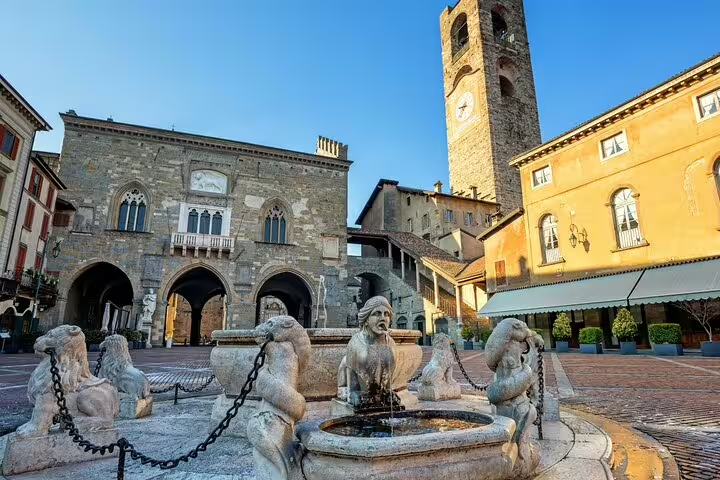
The upper town is the heart of the city’s character, with compact streets, small shops, and corners that reward wandering without a strict plan. The vibe is medieval and intimate, and it is easy to build your own route by linking viewpoints, cafés, and churches as you go. Practical tip, start with a simple loop, then detour into quieter side streets to escape the main flow.
4) Spend time in Città Bassa for a modern city contrast
The lower town adds everyday life, broader boulevards, and a more contemporary rhythm that complements the historic core. It is where you will often find more variety in dining styles and a different kind of people watching. Practical tip, schedule this for late afternoon, then transition into an aperitivo style evening before dinner.
5) Plan a focused walking tour of Bergamo for context
A structured walk helps connect the city’s layers, from its defensive layout to its social life and architectural details. Even if you prefer independent travel, a guided or self guided route can highlight features you might otherwise pass by, like subtle stonework, hidden courtyards, and the logic of the city’s steep transitions. Practical tip, choose a route that covers both levels of the city so you understand how the upper and lower areas interact.
6) Prioritize key viewpoints for photography
The visual payoff in Bergamo is often about perspective, looking out from the upper town toward the plain, then turning back toward rooftops and towers. Viewpoints also create natural rest points, which matters on a day of stairways and cobblestones. Practical tip, build your day around two or three main viewpoints rather than chasing every angle, you will enjoy the city more.
7) Make time for a slow café stop in a historic setting
Part of the city’s appeal is how easily it supports unhurried travel, with small places to sit, reset, and watch the rhythm of the streets. A café break is not just a pause, it is a way to absorb the atmosphere and notice details like light on stone façades and the soundscape of footsteps and conversation. Practical tip, take a seat slightly off the main flow, service can feel calmer and the experience more local.
8) Use day trips from Bergamo to expand your itinerary
The city’s location in Lombardy makes it a practical base for nearby lakes, mountain foothills, and other historic towns. Adding one day outside the center gives you variety, and it also makes your time in the city feel more balanced. Practical tip, choose one day trip that is nature focused and one that is culture focused if you have enough time.
Start in Città Bassa with a simple breakfast and a short walk to get your bearings, then take the funicular up to Città Alta while the streets are still relatively calm. Spend late morning wandering the historic lanes, linking small piazzas, viewpoints, and a relaxed café stop to keep the pace enjoyable. After lunch, walk the Venetian Walls for big views and a sense of the city’s defensive story, then descend and finish in the lower town with an aperitivo style evening and dinner.
On day one, focus on Città Alta, taking time to wander beyond the main streets, pausing at viewpoints and letting the city reveal itself gradually. On day two, explore Città Bassa more intentionally, using it for shopping streets, cafés, and a modern counterpoint to the upper town’s stone and silence. If you have a third day, keep it flexible for day trips from Bergamo, or revisit the walls at a different time of day to see how the light changes the atmosphere.
Food in Bergamo reflects Lombardy comfort, with rich textures, butter and cheese notes, and hearty dishes that suit long walks and cooler evenings.
Bergamo is highly walkable, especially once you commit to exploring one level of the city at a time. Expect cobblestones, stairways, and occasional steep stretches in Città Alta, so comfortable shoes make a noticeable difference. Public transport and the funicular help you move between upper and lower areas efficiently, and taxis or ride services can be useful if you are carrying luggage or prefer to avoid hills. As a general safety and comfort note, keep an eye on your footing on uneven stone, and plan short breaks if you are sensitive to climbs.
A day trip covers the main viewpoints and a quick walk through the upper town. An overnight stay gives you calmer mornings and evenings, which can feel more atmospheric in the historic streets.
You can walk via steep streets and stairways, or use the funicular to save time and energy. Many travelers mix both, riding up and walking down for views.
Spring and early autumn are popular for comfortable walking weather and a balanced crowd level. Summer can be busier, so earlier starts help you enjoy the most popular lanes and viewpoints.
Cards are widely accepted for hotels, restaurants, and larger purchases. It is still smart to carry some cash for small cafés, snacks, and minor transactions.
Yes, several regional destinations are reachable using trains and local connections. Choose one main outing and keep the rest of the day simple so travel time does not dominate your schedule.